

We may earn a commission when you buy through links on this page, at no extra cost to you. Learn more.
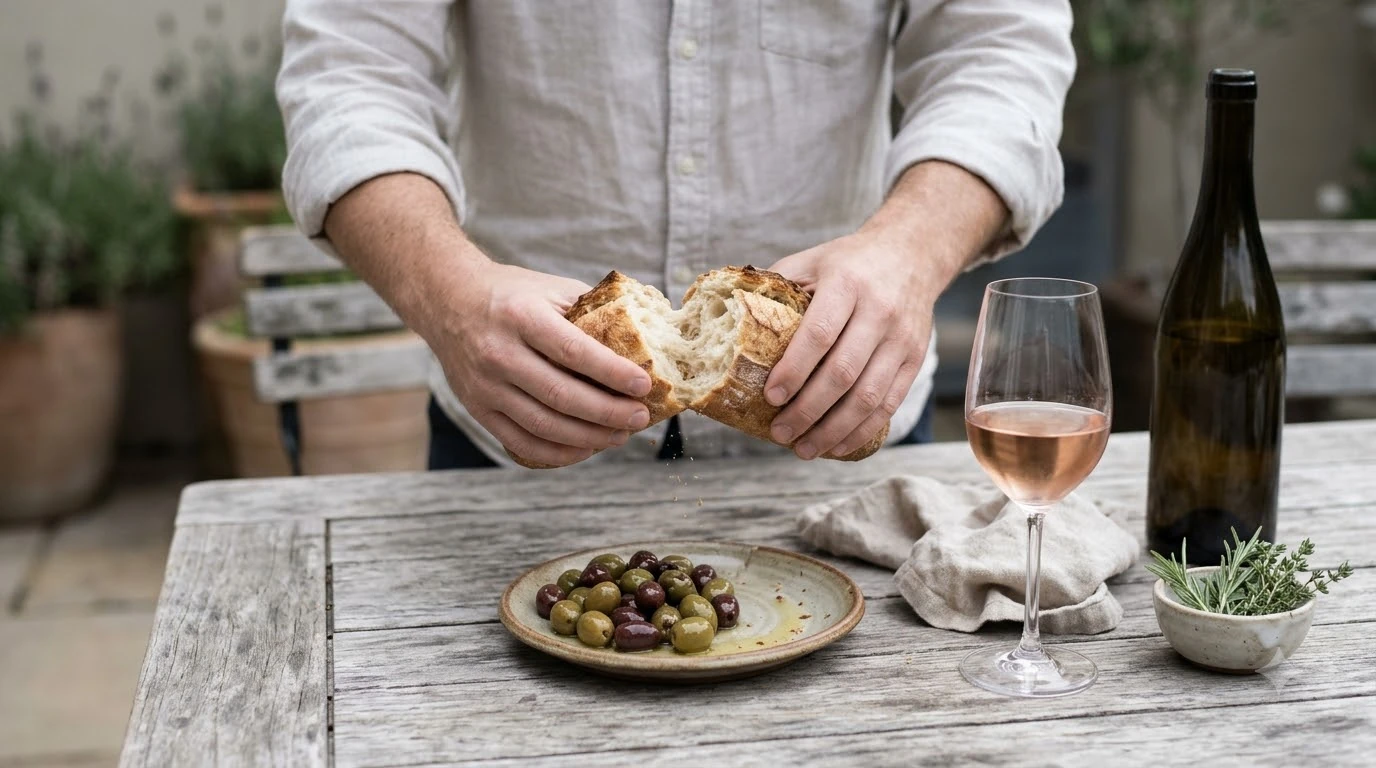
How long does rose last after opening? A dry, still rosé typically stays fresh for three to five days in the refrigerator after opening, and it can hold acceptable quality for up to seven days with a tight stopper. Sparkling rosé moves faster and is best finished within one to two days, while a sweet rosé can fade in flavor before it becomes undrinkable. The clock starts the moment air meets the wine, so the stopper, temperature, and amount left in the bottle all matter.
Rosé occupies a delicate middle ground: enough color and fruit to feel generous, but usually too little tannin and too little alcohol to survive oxygen for long. The practical answer is a range, not a single date, and a few storage habits can push your bottle toward the longer end.
How Long Does Rose Last After Opening? The Three-to-Five-Day Rule
Most still rosés land in the three-to-five-day window, with five days as a sensible target and seven days as the outer edge for a cold, well-sealed bottle.
Wine Folly lists light white, sweet white, and rosé wines at five to seven days in the refrigerator with a cork, while Tasting Table gives a general three-to-five-day rule and calls five days optimal for rosé. The difference is not a contradiction; it reflects style, storage temperature, and how much wine remains. A half-full bottle has more oxygen and less wine to buffer it, so it declines faster than a bottle with one glass poured out.
According to Decanter, an opened bottle of white or rosé should last at least two to three days with a cork stopper, and some styles may keep going for up to five days. That lower floor is useful for a bottle left out during a long dinner: if it sat on a warm table for two hours before going back into the refrigerator, expect the shorter end of the range.
Use the five-day mark as a decision point, not a guarantee. On day one, the wine is usually closest to its bottled character. By day three, a dry rosé may still be pleasant but quieter. By day five, fruit and floral notes often recede, and by day seven the wine may taste flat or slightly sherry-like. If you want one number to remember, make it three days for peak freshness and five days for acceptable drinking.
Why Rosé Oxidizes Faster Than Many Wine Drinkers Expect
Rosé is usually made with brief skin contact, which keeps tannin low and leaves the wine with little structural protection against oxygen.
Tasting Table explains that rosé is commonly made from Grenache, Syrah, and Pinot Noir with only brief skin contact, producing a light body and low tannins. Those same qualities make it appealing with warm-weather food, but they also make the wine more prone to oxidation once uncorked. Oxygen begins breaking down the delicate compounds that create red berry, white flower, and citrus notes.
Wine Folly notes that the taste changes subtly after the first day as the wine oxidizes, and the overall fruit character often diminishes and becomes less vibrant. This is not spoilage in the food-safety sense; it is a quality decline. The wine is still wine, but it loses the freshness that made it worth opening.
The shape of the bottle matters less than the amount of air inside it. A 750 ml bottle holds about five 5-ounce glasses. After two glasses, roughly 500 ml of wine remains and 250 ml of headspace has opened up. That oxygen accelerates the fade, which is why a nearly empty bottle can taste tired by the next morning while a bottle with one glass poured out can hold for several days.
Storage Temperature, Light, and Bottle Position
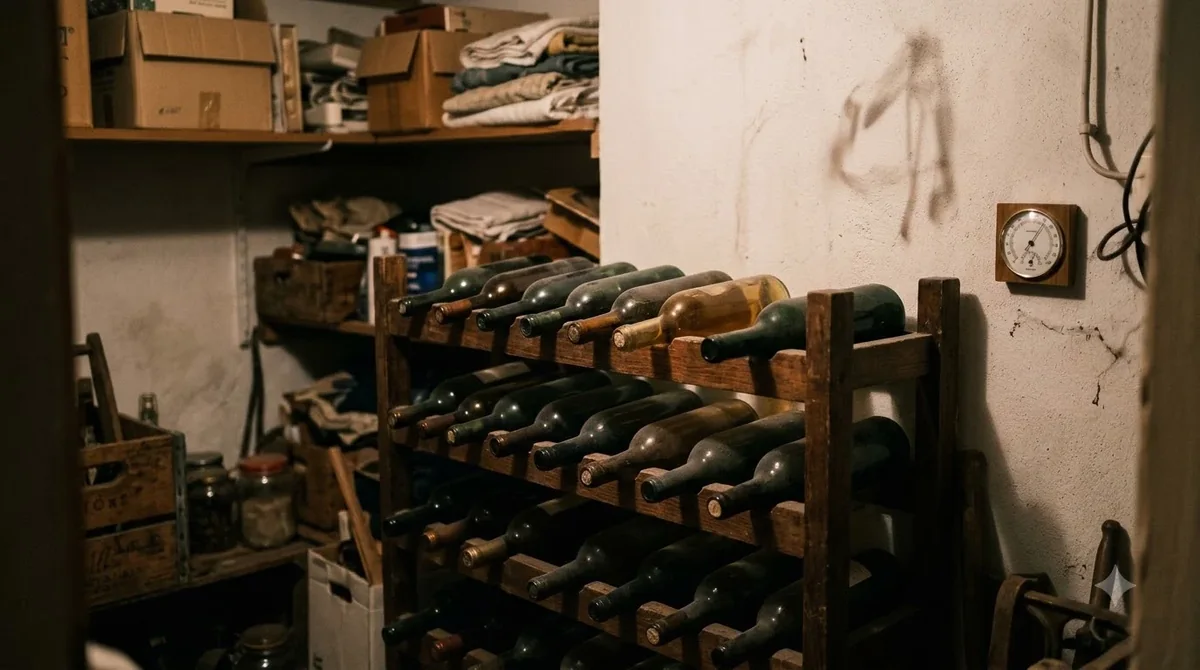
Cold, stable, dark storage slows oxidation; a refrigerator set near 38°F is the practical default for an opened still rosé.
Tasting Table recommends the refrigerator with a cork or stopper for rosé, and Wine Folly places light rosé in the refrigerator with a cork for five to seven days. The target is not the serving temperature; it is a cold holding temperature. A standard refrigerator is usually cold enough, while a warm kitchen counter is not. Decanter warns that wine does not enjoy big temperature fluctuations and recommends keeping wine away from kitchen heat and radiators.
Serving temperature is a separate decision. The reference range for light whites and rosé is 45–50°F, while sparkling rosé is best at 40–50°F. If you store the bottle at 38°F, pour the glass and let it warm for a few minutes rather than leaving the whole bottle on the counter. Repeated warming and cooling stresses the wine and invites oxidation.
For long-term bottle storage, the standard is on the side near 55°F. For an opened bottle, the priority changes: a tight seal and cold air matter more than lying the bottle down. Keep the bottle away from strong light and out of the refrigerator door, where the temperature swings each time the door opens. A steady spot in the main compartment is better.
| Rosé style | Refrigerator life after opening | Best drinking window | Serve at |
|---|---|---|---|
| Dry still rosé | 3–5 days; up to 7 with a tight stopper | Within 3 days | 45–50°F |
| Sweet still rosé | 3–5 days | Within 2–3 days | 43–50°F |
| Sparkling rosé | 1–3 days | Within 1–2 days | 40–50°F |
Stopper Choice, Headspace, and Preservation Tools
A tight seal is the single biggest variable after temperature, and the best stopper is the one that stays in place and limits air exchange.
Tasting Table points out that a screwtop cap can be tightly resealed and creates a superior oxygen barrier, which is a practical advantage for a wine you plan to sip over several days. If the bottle came with a cork, use a clean, snug stopper rather than leaving the neck open. A sparkling rosé needs a stopper designed to hold pressure; a still-wine stopper will not preserve bubbles.
Headspace is the amount of air between the wine and the closure. The more wine you pour out, the more oxygen is available to react with the remaining wine. For a bottle you plan to keep for three days, pouring it into a smaller clean container can reduce headspace, though the transfer itself introduces some air. A vacuum pump can remove some oxygen, but it cannot restore freshness once the wine has already oxidized.
For a bottle you want to stretch for weeks rather than days, a dispensing system that replaces the poured wine with inert gas is the more capable tool. A Coravin needle lets you pour without pulling the cork; here is how does coravin work. That approach is most useful for a special bottle, not a casual Tuesday rosé. If a wine fridge is part of your storage plan and it stops holding temperature, arrange sub zero wine fridge repair before a batch of open bottles suffers.
Tip: Label the bottle with the date you opened it, then put the bottle in the main body of the refrigerator rather than the door. Aim to finish still rosé within three days for the brightest fruit, and treat day five as the practical limit.
How Rosé Style Changes the Clock: Dry, Sweet, Sparkling, and Fortified
Style determines how much sugar, acid, tannin, and carbonation the wine has, and those factors shift the storage window.
Tasting Table reports that sweeter rosés tend to lose their expressive fruity flavors more quickly, while drier rosés fare better in the refrigerator for prolonged periods with fewer noticeable changes. That does not mean sweet rosé spoils faster in a safety sense; it means the aromatic quality you paid for fades sooner. A dry Provençal-style rosé with brisk acidity often holds its shape better than an off-dry pink with residual sugar.
Sparkling rosé is a different case. Wine Folly gives sparkling wine one to three days in the refrigerator with a sparkling stopper, and Tasting Table advises using bubbly rosé within one to two days to prevent it going flat. Carbonation is part of the wine’s texture and aroma delivery, so a flat sparkling rosé loses more than fizz; it loses the lift that makes it refreshing.
Fortified wines last far longer because the added spirit raises alcohol and protects the wine from microbial spoilage. Wine Folly lists fortified wine at 28 days in a cool, dark place with a cork, and Decanter notes that some fortified wines can be kept in the refrigerator for several weeks once opened. A fortified rosé-style wine is uncommon, but the principle is useful: higher alcohol and residual sugar extend the window, while delicate dry rosé sits at the short end.
Signs Your Rosé Has Turned: When to Drink, Cook, or Toss
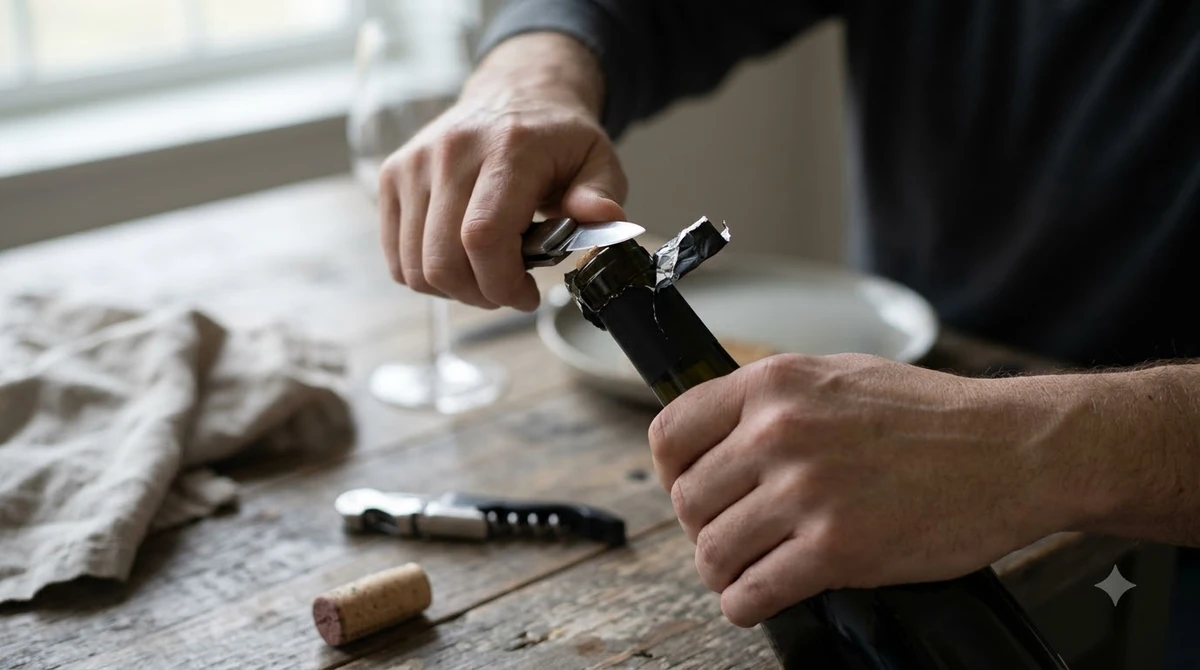
Oxidation shows up as dull fruit, faded color, and a vinegar edge; those cues tell you whether the wine is still pleasant, only useful for cooking, or ready for the drain.
Decanter describes the markers of an oxidized wine: fruit aromas and flavors become dulled, the color may dim or gain a brown-edged tinge, and vinegary notes can appear as bacteria build up acetic acid. For rosé, the color shift is often subtle because the wine is already pale; a faint orange or onion-skin edge is a useful clue, but smell and taste matter more.
Tasting Table notes that around the seven-day mark you may notice differences in flavor, aroma, and body, and the wine can taste less vibrant without becoming sharply acidic. If the wine smells like fresh strawberries and citrus with a clean finish, it is still doing its job. If the fruit is gone and the finish feels flat or sherry-like, the wine is past its best.
A wine that is merely tired can still go into a pan. Rosé works in a marinade, a butter sauce, or a pot of mussels, where the wine’s acidity and fruit contribute to the dish even if the glass is no longer appealing. A wine with a sharp vinegar smell or visible haze should be discarded. Do not taste a bottle that has mold around the opening or has been left open at room temperature for several days.
Serving and Food Pairing After Opening
An opened rosé can still be enjoyable with food, especially if you match its acidity to the dish and avoid serving it too cold.
The reference range for light whites and rosé is 45–50°F. If the bottle has been in a cold refrigerator, let the glass sit for five minutes before tasting; at 38°F the aromas are muted and the acidity feels sharper. A dry rosé with high acidity works with salty cheeses, grilled fish, and tomato-based dishes, while an off-dry rosé can handle a mild curry or a plate of charcuterie.
Acidic food needs a wine with equal or higher acidity. A squeeze of lemon on grilled fish will make a low-acid rosé taste flat, while a crisp rosé with citrus notes will stay lively. Salt and fat soften tannin, but rosé has little tannin to soften; the more relevant match is acidity against richness. A fried calamari plate or a creamy goat cheese tart benefits from a rosé with brisk acidity.
Chili heat is amplified by alcohol and tannin. A dry rosé at 12–13% alcohol can make a spicy dish feel hotter, while an off-dry rosé with lower alcohol and a touch of residual sugar can temper the burn. If the dish is genuinely spicy, choose the slightly sweeter rosé and serve it well chilled. Avoid pairing a delicate rosé with a heavily oaked red or a tannic Cabernet; the contrast will make the rosé taste thin. A broader storage routine, including open-bottle habits, is covered in Open Wine & Preservation.
Frequently Asked Questions
Can I freeze rosé to make it last longer?
Freezing expands the liquid and can crack a glass bottle, so leave at least an inch of headspace if you try it. Frozen wine is better used for cooking than for drinking, because the texture and aroma change after thawing. Use frozen wine within about three months for the best flavor.
Does rosé go bad faster in a decanter?
Yes, a wide decanter exposes far more wine surface to air than a narrow bottle neck. A rosé that might hold for three days in a sealed bottle can lose its freshness within two to three hours in a decanter. Decant rosé only if you plan to finish it at that sitting.
Does the alcohol level change after opening?
Alcohol does not evaporate significantly from a corked or stoppered bottle. The perceived heat can rise, however, because fruit and floral aromas fade while the alcohol remains. That shift is one reason an older open rosé can taste stronger even though its labeled alcohol is unchanged.
Can I use a sparkling wine stopper on still rosé?
A Champagne stopper can fit a still rosé bottle, but it is designed to hold pressure rather than create a vacuum. It will keep air out reasonably well, though a simple clean cork or screw cap is enough for still wine. Save the pressure stopper for a bottle with bubbles.
How does bag-in-box rosé compare with bottled rosé?
Wine Folly gives bag-in-box wine two to three weeks in the refrigerator because the collapsing bag limits oxygen exposure. That is much longer than the three-to-five-day window for a typical bottled still rosé. Once the box is opened, keep the spout clean and store it cold.
The reliable answer remains three to five days for a still rosé, with three days as the sweet spot for vivid fruit and five days as the practical limit. Sparkling rosé should be finished sooner, and any bottle with a sharp vinegar smell or mold around the opening should be discarded. Cold, dark storage and a tight stopper give the wine its best chance.
More in Storage & Fridge Care
 How Long Can You Store Wine in a Wine Fridge? Protect Bottle QualityUpdated Nov 20, 2026
 Can You Store Beer in a Wine Fridge? Keep Both Drinks FreshUpdated Nov 20, 2026
 Is It Worth Repairing a Wine Fridge? Spot the Cheap Fixes Before You ReplaceUpdated Nov 20, 2026
 Wine Fridge Condensation: Identify Causes and Fix Moisture ProblemsUpdated Nov 20, 2026
 Wine Fridge Too Cold: Protect Your Wine and Fix the TemperatureUpdated Nov 20, 2026
 How to Reset Wine Fridge: Restore Cooling and SettingsUpdated Nov 20, 2026