

We may earn a commission when you buy through links on this page, at no extra cost to you. Learn more.
If you are wondering what is pouilly fuisse, it is a dry, 100% Chardonnay white wine made in the Mâconnais subregion of southern Burgundy, France. Established as an official Appellation d’Origine Contrôlée (AOC) in 1936 across four villages, the wine balances ripe stone and orchard fruit with brisk, limestone-driven acidity. Most bottles sit around 13% ABV and offer an expressive, approachable alternative to pricier white Burgundies from further north.
Because the label shows a place name rather than a grape variety, shoppers often mistake Pouilly-Fuissé for a Sauvignon Blanc from the Loire Valley or assume it is a sweet dessert pour. Understanding how the region’s climate, limestone cliffs, and winemaking choices shape each bottle makes reading the label and choosing the right style much simpler.
What It Is
Pouilly-Fuissé is a village-level white wine appellation located at the southern end of Burgundy, legally restricted to the Chardonnay grape. When the French government formalized the appellation rules on September 11, 1936, it grouped four neighboring communes under the Pouilly-Fuissé banner: Fuissé, Solutré-Pouilly, Vergisson, and Chaintré.
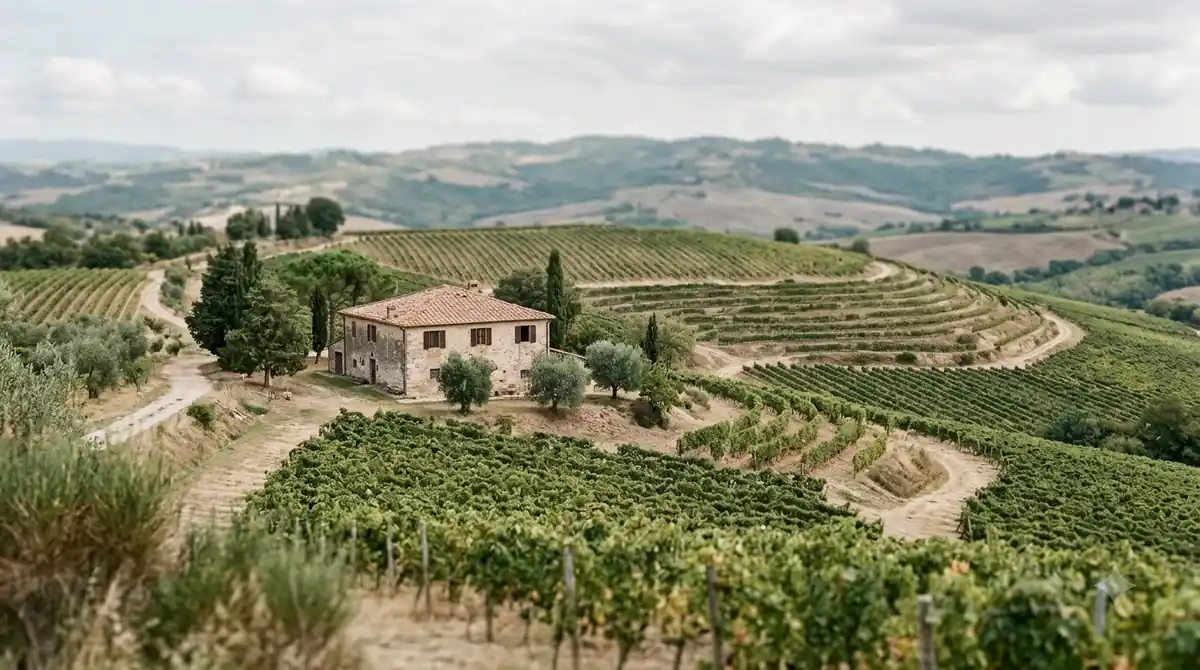
In French wine law, the bottle carries the geographic origin rather than the varietal name, which is why the word “Chardonnay” rarely appears on the front label. Despite that tradition, every drop inside must come from Chardonnay grown within those four approved villages. According to the Bourgogne Wine Board (BIVB), vineyards span roughly 757 hectares, and the appellation gained 22 officially recognized Premier Cru climats starting with the 2020 vintage.
It also helps to separate Pouilly-Fuissé from its sound-alike cousins in central France. Pouilly-Fumé and Pouilly-sur-Loire come from the eastern Loire Valley, where winemakers use Sauvignon Blanc and Chasselas instead of Chardonnay. Even within Burgundy’s Mâconnais district, Pouilly-Fuissé stands apart from neighboring Pouilly-Loché and Pouilly-Vinzelles, which hold their own separate village appellations. If you are exploring broader Wine by Type categories, Pouilly-Fuissé sits squarely among classic dry, medium- to full-bodied European whites.
Flavor and Styles
Pouilly-Fuissé is known for a generous, textured mid-palate framed by crisp citrus acidity and a distinct wet-stone minerality. Because the Mâconnais sits further south than Chablis or the Côte de Beaune, its warm, sunny summers allow Chardonnay grapes to reach fuller ripeness while cool nights preserve natural freshness.
In the glass, the wine shows a pale to deep gold color, often with subtle greenish glints in its youth. Aromas commonly open with white flowers such as acacia and honeysuckle, followed by yellow peach, pear, baked apple, and Meyer lemon. Depending on the specific hillside plot, you may also notice toasted hazelnut, almond, or a flinty, chalk-dust finish.
Winemakers split into two main stylistic camps when aging the wine. Some producers ferment and mature their cuvées entirely in stainless-steel tanks on fine lees, producing a brisk, fruit-pure expression focused on green apple, citrus pith, and stony tension. Others ferment and age a portion or all of the wine in French oak barrels—often paired with malolactic fermentation—which adds subtle notes of buttered brioche, vanilla, and spice while rounding out the texture.
| Feature | Pouilly-Fuissé (Burgundy) | Pouilly-Fumé (Loire Valley) |
|---|---|---|
| Grape Variety | 100% Chardonnay | 100% Sauvignon Blanc |
| Wine Region | Mâconnais, Southern Burgundy | Central Vineyards, Loire Valley |
| Core Flavors | Yellow peach, apple, lemon, hazelnut, brioche | Gooseberry, lime, green herbs, gunflint |
| Body & Texture | Medium to full-bodied, supple, creamy | Light to medium-bodied, zesty, linear |
| Oak Influence | Ranges from unoaked to partial/full barrel aging | Typically unoaked (stainless steel) |
Where It Grows
The vineyards of Pouilly-Fuissé cling to steep, sunlit hillsides around two dramatic limestone escarpments—the Rock of Solutré and the Rock of Vergisson—in southern Burgundy’s Saône-et-Loire department. These towering cliffs, rising roughly 500 meters above the surrounding valley, anchor a landscape shaped by ancient Jurassic seas.
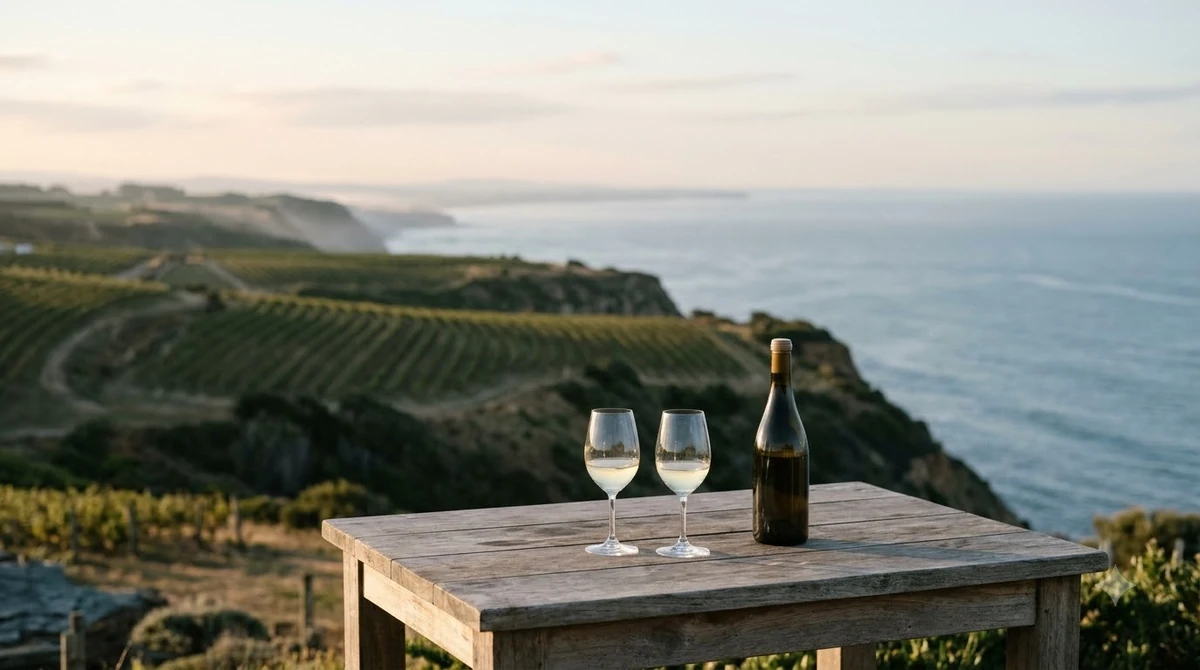
Vines are planted between 200 and 300 meters in elevation on east- and southeast-facing slopes. That orientation captures morning sun while shielding the fruit from harsh late-afternoon heat, helping Chardonnay ripen evenly. Beneath the vines lies a patchwork of fossil-rich limestone and alkaline marl soils mixed with rocky scree washed down from the cliffs, plus a small pocket of schist.
Each of the four communes brings a slightly different personality to the glass. Wines from Vergisson and Solutré-Pouilly tend to show pronounced stony precision and racy acidity from higher, cooler limestone slopes. Fuissé and Chaintré sit on deeper clay-limestone soils that often yield broader, plushier wines with riper stone-fruit character. As Decanter reported when the appellation’s 22 Premier Cru sites were approved in 2020, this elevation marked the first time since 1943 that a Burgundian appellation received newly recognized Premier Cru status.
How to Serve
Pouilly-Fuissé shows its best when served lightly chilled at 50°F to 55°F (10°C to 13°C), rather than ice-cold straight from a standard kitchen refrigerator. Serving the wine too cold mutes its floral aromatics and flattens its layered orchard-fruit and mineral nuances.
If your bottle has been resting in a household fridge, pull it out roughly 20 to 30 minutes before pouring so it can warm gently toward cellar temperature. Conversely, if you are starting from room temperature, chill the bottle in a refrigerator for about two hours or submerge it in a bucket of half ice and half water for 20 minutes.
Glassware and aeration also make a noticeable difference. Pour the wine into a medium-sized white Burgundy glass with a wider bowl than a standard Sauvignon Blanc glass; the extra surface area lets the aromatics open up while directing the wine toward the center of the palate. Young Premier Cru or oak-aged bottlings can also benefit from 15 to 30 minutes of breathing time in the glass or a brief decant before dinner.
Tip: Keep an eye on bottle temperature during long meals—if the wine climbs above 57°F (14°C), its crisp acidity softens and the finish can feel heavy.
Food Pairing
Thanks to its balance of creamy weight and bright acidity, Pouilly-Fuissé is one of the most versatile dinner whites in Burgundy. It bridges the gap between crisp, high-acid whites and richer, barrel-aged Chardonnays, allowing it to handle both delicate seafood and savory cream sauces.
Classic regional pairings lean into poultry, freshwater fish, and shell-on crustaceans. Roast chicken with tarragon or thyme, veal in a light mushroom cream sauce, pan-seared sea scallops, and butter-poached lobster all echo the wine’s supple texture while letting its lemon-pith acidity cut through richness. Firm-fleshed white fish such as halibut or turbot finished with brown butter also match effortlessly.
Unoaked or lightly oaked bottles work especially well with raw and gently spiced dishes. Reviewers at Wine Enthusiast and the Bourgogne Wine Board note that the wine’s saline minerality pairs cleanly with sushi, sashimi, steamed mussels, and mildly spiced dishes like Moroccan fish tagine or tandoori chicken. For a cheese board, reach for aged Comté, triple-cream Brie, or fresh Mâconnais goat cheese.
How to Choose a Bottle
Reading a Pouilly-Fuissé label starts with understanding the two quality tiers now used across the appellation. Bottles labeled simply “Pouilly-Fuissé” represent the standard village tier, blending Chardonnay from across the four communes or showcasing a single named vineyard site (known as a lieu-dit). These wines are typically released ready to drink and deliver immediate fruit charm and freshness.
Bottles labeled “Pouilly-Fuissé Premier Cru” (or “1er Cru”) come from one of the 22 officially classified hillside climats—such as Les Crays, Les Perrières, Le Clos, or Aux Quarts—recognized from the 2020 vintage onward. Premier Cru bottlings undergo stricter yield limits and vineyard rules, resulting in greater concentration, sharper mineral focus, and the structure to evolve in a cellar for eight to fifteen years.
When browsing a shop shelf, look at the producer name and vintage cues to match the bottle to your palate. Well-regarded estates and négociants active in the appellation include Château de Fuissé, Domaine Ferret, Domaine Leflaive, Château Vitallis, Domaine Renaud, Maison Louis Jadot, and Maison Louis Latour. If you prefer crisp, unoaked fruit, check the back label or shelf talker for notes mentioning stainless-steel aging; if you enjoy a rounder, lightly toasty profile, look for cuvées aged in French oak barrels. While comparing white Burgundies with lighter reds, you might also enjoy reading about pinot noir carbs or mixing a batch of pinot noir sangria for warm-weather gatherings.
Frequently Asked Questions
Is Pouilly-Fuissé a sweet or dry wine?
Pouilly-Fuissé is a dry white wine with virtually no residual sugar. Its ripe flavors of yellow peach, baked apple, and honeyed brioche come from warm-climate Chardonnay fruit and lees or oak aging rather than leftover sugar.
What grape is used to make Pouilly-Fuissé?
By French AOC law, Pouilly-Fuissé must be made 100% from Chardonnay grapes grown within four specific villages in Burgundy’s Mâconnais subregion. Blending in any other grape variety is prohibited under appellation regulations.
What is the difference between Pouilly-Fuissé and Pouilly-Fumé?
Pouilly-Fuissé is a Chardonnay from southern Burgundy, whereas Pouilly-Fumé is a Sauvignon Blanc from the Loire Valley. Pouilly-Fuissé tastes fuller and rounder with orchard fruit and subtle nutty notes, while Pouilly-Fumé is zesty, herbaceous, and smoky.
How long can you age a bottle of Pouilly-Fuissé?
Most village-level Pouilly-Fuissé wines are crafted for enjoyment within two to five years of the vintage while their fruit and acidity remain vibrant. Top single-vineyard and Premier Cru bottlings can age gracefully for 10 to 20 years, developing complex notes of toasted nuts, honey, and brioche.
Whether you choose a bright, stainless-steel village cuvée for weeknight seafood or a structured Premier Cru from the slopes of Solutré for a celebratory dinner, Pouilly-Fuissé offers an authentic window into southern Burgundy’s limestone terroir. Pay attention to the commune or climat name on the label, serve the bottle lightly chilled around 52°F, and let Chardonnay’s natural balance of fruit and minerality shine at the table.
More in Wine Types & Grapes
 Zinfandel Sugar Content: Dry Red vs. White Zinfandel GramsUpdated Nov 21, 2026
 Best Zinfandel Substitute Options for Sipping and CookingUpdated Nov 21, 2026
 Zweigelt Food Pairing: Best Dishes, Cheeses, and Serving TipsUpdated Nov 21, 2026
 Zinfandel Tannins Explained: How Structure Shapes Every BottleUpdated Nov 21, 2026
 Zinfandel Sweetness Level: Dry Red vs. Sweet White Zin ExplainedUpdated Nov 21, 2026
 Xinomavro Food Pairing: Best Dishes, Styles, and Serving TipsUpdated Nov 21, 2026