

We may earn a commission when you buy through links on this page, at no extra cost to you. Learn more.
If you are wondering what is petit verdot, it is a full-bodied, deeply colored red wine grape originating from Bordeaux, France, known for firm tannins, dark fruit flavors, and distinctive violet aromas. Historically used in single-digit percentages to add color, structure, and floral complexity to classic Bordeaux blends, it now thrives as a bold single-varietal wine in warmer regions like California, Washington, Australia, Spain, and Argentina. Most bottles are fermented dry, feature medium acidity, and carry an alcohol by volume (ABV) between 13.5% and 15%.
Pronounced peh-tee vur-doe, this thick-skinned grape translates literally to “little green one,” a nod to its habit of ripening late and occasionally leaving small, unripe green berries on the vine in cool climates. For red wine drinkers looking beyond everyday Cabernet Sauvignon, understanding how this grape behaves in the vineyard and the glass opens up a distinctive category of structured, age-worthy reds across Wine by Type.
What Is Petit Verdot?
Petit Verdot is one of the five classic red blending grapes permitted in Bordeaux, alongside Cabernet Sauvignon, Merlot, Cabernet Franc, and Malbec. Its small berries and unusually thick skins pack a high concentration of anthocyanins and polyphenols, resulting in an opaque, inky purple pour with substantial grip.
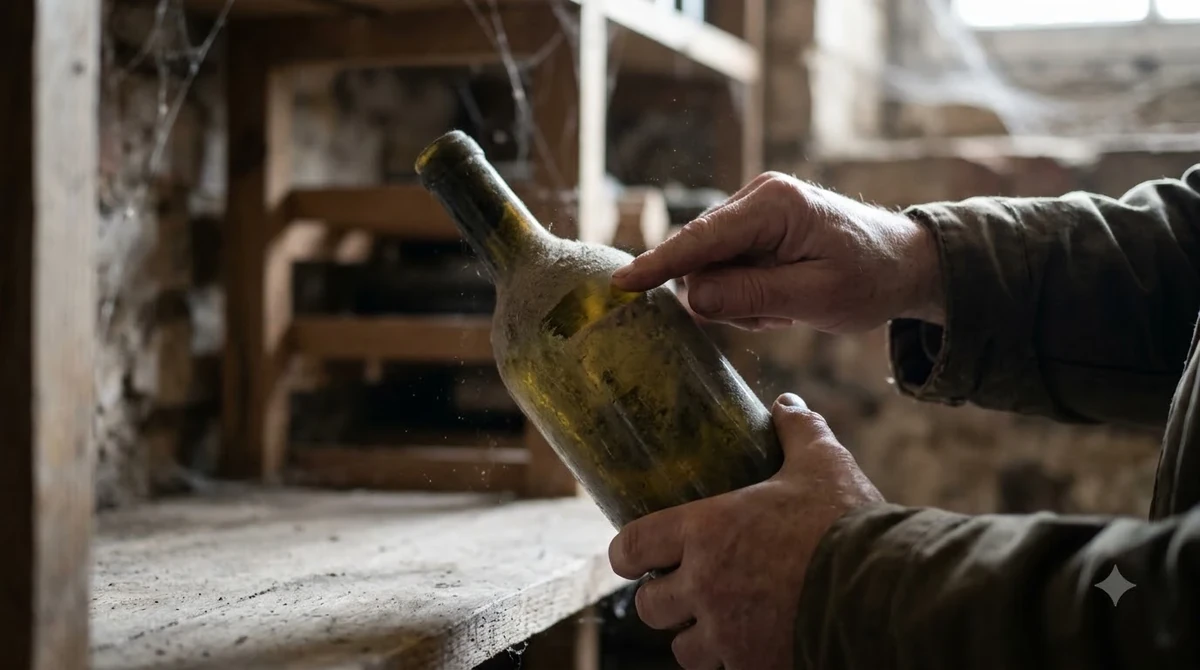
In its ancestral home on Bordeaux’s Left Bank, growers prize the variety for the structural backbone it brings to gravel-soil blends. According to winemaker Brian D. Carter of Brian Carter Cellars, estates like Château Margaux dedicate roughly seven percent of their plantings to the grape because even a tiny addition deepens color, extends aging potential, and adds an unmistakable floral lift. However, because Petit Verdot demands more heat and sunshine than Cabernet Sauvignon to reach full maturity, cool or rainy Bordeaux autumns often prevented the fruit from ripening evenly before harvest.
In the winery, managing Petit Verdot requires careful restraint during maceration and fermentation. Because the grape naturally combines high tannin with lively acidity, overly aggressive extraction can produce an astringent, punishing wine in its youth. Winemakers frequently soften the palate by aging the wine in oak barrels for 20 to 30 months or blending in softer partners like Merlot or Malbec, while warm-climate vineyards allow the grape’s natural fruit richness to balance its powerful structure on its own.
Flavor Profile and Wine Styles
Single-varietal Petit Verdot is almost always made as a dry, full-bodied red wine that pairs concentrated dark fruit with savory herbal notes and perfumed florals. On the palate, it delivers dense layers of blackberry, black cherry, ripe plum, and blueberry backed by firm, lingering tannins.
What separates Petit Verdot from other heavy-hitting dark reds like Petite Sirah or Tannat is its aromatic profile. As Wine Folly notes, well-ripened examples offer ethereal aromatics of violet, lilac, and crushed sage alongside a distinct gravel or graphite minerality. Oak aging frequently weaves in secondary notes of vanilla, baking spice, leather, and black pepper, giving the wine a layered finish that evolves over ten or more years in the cellar.
Stylistically, the wine shifts noticeably depending on vineyard yields and climate:
- Dense, oak-aged varietal reds: Common in California and Washington, where extended barrel aging smooths out the tannins and highlights plush blackberry, vanilla, and dried violet.
- Earthy, mineral-driven expressions: Found in Spain and Italy, where opaque pours showcase black fruit, crushed granite, licorice, and black pepper with brisk, structured grip.
- Softer, fruit-forward styles: Produced in higher-yielding Australian regions like Riverland and Murray Darling, where generous crops yield smoother tannins with brighter blueberry and vanilla notes.
- Classic Bordeaux-style blends: Used at 2% to 10% to reinforce Cabernet Sauvignon or Merlot with mid-palate weight, color saturation, and floral top notes.
| Attribute | Petit Verdot | Cabernet Sauvignon | Petite Sirah |
|---|---|---|---|
| Origin | Bordeaux, France | Bordeaux, France | Southern France (Durif) |
| Body & Tannin | Full body, high tannin | Full body, high tannin | Full body, very high tannin |
| Signature Aromas | Violet, lilac, sage, plum | Blackcurrant, cedar, bell pepper | Blueberry, black pepper, dark chocolate |
| Typical ABV | 13.5%–15% | 13.5%–15% | 14%–15.5% |
| Primary Role | Blending accent & warm-climate varietal | Primary varietal & blend lead | Single varietal & Zinfandel blends |
Where Petit Verdot Grows Best
While France remains its genetic birthplace, Petit Verdot achieves its fullest single-varietal expression in warm, sun-drenched wine regions where long growing seasons guarantee complete phenolic ripeness. Today, standout bottlings come from Australia, Spain, the United States, Chile, Argentina, and coastal Italy.
In the United States, warm-climate appellations on the West Coast and surprisingly successful pockets on the East Coast have embraced the grape. California’s Napa Valley, Lodi, Central Coast, and Temecula Valley utilize warm daytime temperatures and cool nights to develop plush dark fruit without losing natural acidity. Further north, Washington’s Columbia Valley and Walla Walla Valley produce concentrated, structured versions, while Virginia has made Petit Verdot a signature red grape thanks to its warm summers and well-drained hillside sites.
Internationally, Australia leads global plantings of varietal Petit Verdot, spanning from Barossa and Southern Fleurieu to Yarra Valley and Riverina, where sunshine reliably ripens the late-harvest clusters. In Spain, regions such as Jumilla, Castilla-La Mancha, Méntrida, and Almansa craft opaque, value-driven single-varietal bottlings rich in black fruit and clay minerality. South American producers in Chile’s Colchagua and Maipo Valleys as well as Argentina’s Mendoza and Uco Valley also turn out vibrant, age-worthy examples that retain bright, food-friendly acidity.
How to Serve and Decant Petit Verdot
To show off its floral aromatics and keep its assertive tannins in check, serve Petit Verdot slightly below room temperature at 60°F to 68°F (15°C to 20°C). Pouring it too warm accentuates the 13.5% to 15% alcohol, while serving it straight from a cold cellar makes the tannins feel rigid and austere.
Because young Petit Verdot packs dense phenolic structure, aeration makes a dramatic difference in how the wine tastes. Reviewers at Wine Enthusiast and Wine Folly recommend decanting young bottles for one to two hours before serving, or running the wine through an aerator to soften its astringent edges and release its violet bouquet. Always pour into an oversized, wide-bowled Bordeaux glass so the dense aromatics have ample surface area to open up.
Tip: If you open a bottle on a weeknight without time for a two-hour decant, pour a splash into a large Bordeaux glass and let it breathe for 20 minutes while you prep dinner—the floral violet notes will emerge as the tannins relax.
Food Pairings for Petit Verdot
Petit Verdot’s firm tannins and savory herbal character call for rich, protein-heavy dishes with plenty of fat and umami to balance the palate. Lighter fare or delicate seafood will get overwhelmed by the wine’s weight, whereas charred, braised, or heavily seasoned meats make the tannins feel remarkably smooth.
Grilled and roasted red meats are natural partners for this varietal. Try pairing a glass with char-grilled ribeye, tri-tip, herb-crusted rack of lamb, or slow-braised beef short ribs, where the fat binds to the wine’s polyphenols and brings out its sweet blackberry core. Pork dishes with bold seasoning—such as roasted pork belly, Cuban-style mojo pork, or smoked barbecue brisket—also stand up easily to its bold frame.
For non-meat options or cheese boards, lean into earthy, aged, and pungent flavors:
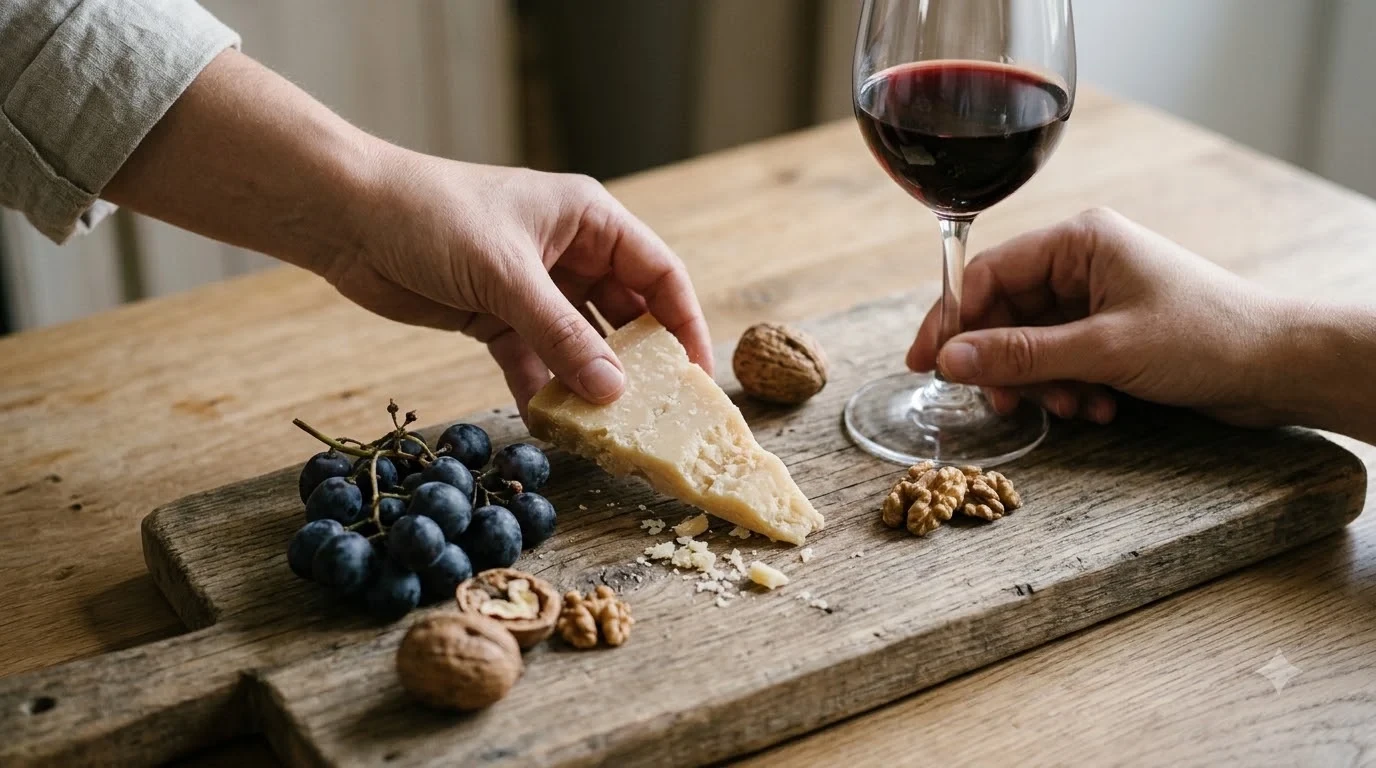
- Aged hard cheeses: Sharp aged Gouda, Manchego, Parmigiano-Reggiano, and aged white cheddar match the wine’s savory intensity.
- Blue cheese burgers: The salty, pungent bite of blue cheese alongside caramelized beef brings out the grape’s plum and black cherry sweetness.
- Earthy mushroom dishes: Wild mushroom risotto, grilled portobello steaks, or lentil and herb stews echo the wine’s sage and forest-floor undertones.
How to Choose a Bottle of Petit Verdot
When shopping for Petit Verdot, start by checking the label for regional cues that match your preferred level of richness and grip. If you enjoy plush, full-throttle reds with toasted vanilla and ripe blackberry notes, look toward California appellations like Napa Valley, Lodi, or Paso Robles, or warm-climate Washington State bottlings.
If you prefer a slightly more savory, earth-driven profile with firmer mineral grip, seek out single-varietal bottles from Spain’s Jumilla or Castilla-La Mancha, central Italy, or Virginia. For a softer introduction to the grape, consider a Bordeaux-style red blend where Petit Verdot makes up 10% to 30% of the cuvée alongside Merlot or Cabernet Sauvignon, or an Australian bottling from a warmer inland region. If you normally gravitate toward lighter-bodied reds—such as exploring pinot noir carbs or mixing up a batch of fruity pinot noir sangria—a Petit Verdot blend offers an approachable bridge into fuller-bodied territory without jumping straight into a 100% varietal powerhouse.
Frequently Asked Questions
Is Petit Verdot a dry or sweet wine?
Petit Verdot is almost always fermented completely dry, meaning virtually no residual sugar remains in the finished wine. Its ripe blackberry, black cherry, and plum flavors can create an impression of lush fruitiness on the mid-palate, especially in warm-climate bottles, even though the wine itself has a dry, tannic finish. If you are looking for a naturally sweet red style, traditional passito wines like recioto wine sit on the opposite end of the spectrum.
How do you pronounce Petit Verdot?
Petit Verdot is pronounced “peh-tee vur-doe” in American English, keeping the final “t” silent in both words just as in French. The name translates to “little green one,” referencing both its small berry size and its tendency to retain unripe green berries if harvested too early in cool climates.
What is the difference between Petit Verdot and Petite Sirah?
Despite similar names and equally inky, full-bodied profiles, Petit Verdot and Petite Sirah are completely unrelated grape varieties. Petit Verdot is a classic Bordeaux grape prized for violet and sage aromas, whereas Petite Sirah (also known as Durif) originated in southern France as a cross between Syrah and Peloursin and leans toward blueberry and cracked black pepper flavors.
Can you age Petit Verdot in a wine cellar?
Yes, high-quality Petit Verdot is built for aging thanks to its thick skins, firm tannins, and natural acidity. Most well-structured varietal bottles develop beautifully for 5 to 15 years in proper cellar conditions, gradually trading their youthful astringency for complex notes of dried violet, leather, graphite, and baking spice.
Whether poured as a small structural accent in a classic Bordeaux blend or bottled on its own under the warm sun of California, Spain, or Australia, Petit Verdot rewards anyone who appreciates bold, aromatic red wines. Give a bottle an hour in a decanter, pair it with a rich, savory meal, and you will quickly see why winemakers around the world have promoted this once-supporting grape to center stage.
More in Wine Types & Grapes
 Zinfandel Sugar Content: Dry Red vs. White Zinfandel GramsUpdated Nov 21, 2026
 Best Zinfandel Substitute Options for Sipping and CookingUpdated Nov 21, 2026
 Zweigelt Food Pairing: Best Dishes, Cheeses, and Serving TipsUpdated Nov 21, 2026
 Zinfandel Tannins Explained: How Structure Shapes Every BottleUpdated Nov 21, 2026
 Zinfandel Sweetness Level: Dry Red vs. Sweet White Zin ExplainedUpdated Nov 21, 2026
 Xinomavro Food Pairing: Best Dishes, Styles, and Serving TipsUpdated Nov 21, 2026