
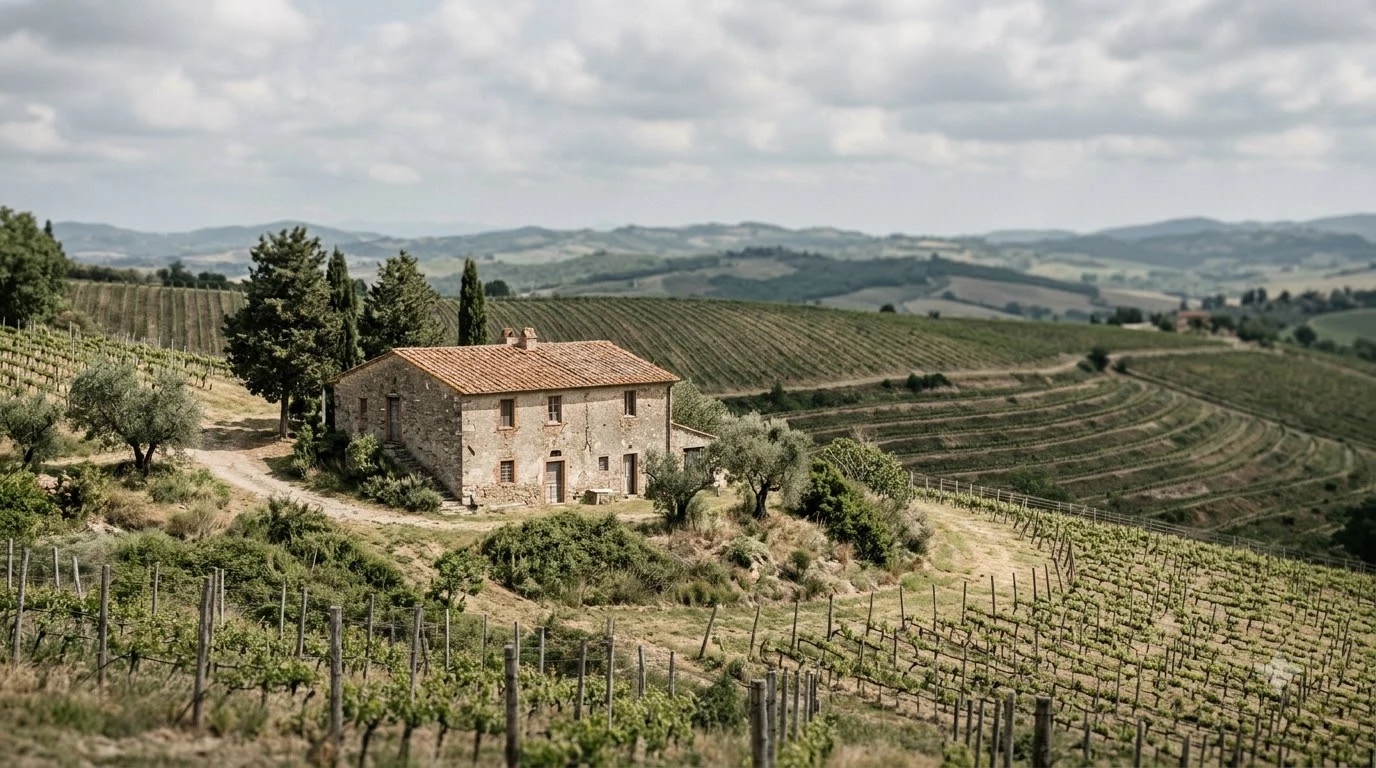

We may earn a commission when you buy through links on this page, at no extra cost to you. Learn more.
Trockenbeerenauslese wine is an ultra-sweet, rare dessert wine from Germany and Austria made from individually hand-selected, raisin-like grapes shriveled on the vine by noble rot. Often abbreviated as TBA, it sits at the very pinnacle of the Prädikatswein quality ladder in both countries. Despite carrying intense sweetness and thick, syrupy concentration, the wine maintains low alcohol—typically 5.5 to 8 percent ABV—and high natural acidity that keeps every sip vibrant rather than heavy.
Translating directly from German as “selected dried berries,” Trockenbeerenauslese represents the most labor-intensive and weather-dependent style in European winemaking. While exploring different wine types, you will rarely encounter another unfortified bottle with this level of sugar density, aromatic complexity, and multi-decade aging potential.
What Is Trockenbeerenauslese Wine?
Trockenbeerenauslese (pronounced TROCK-en-BEER-en-OWS-lay-zuh) is the highest ripeness tier within the German and Austrian Prädikatswein classification systems. Rather than harvesting whole bunches, vineyard workers make multiple passes through the vines late in autumn to pick single berries that have dried out almost completely under the influence of Botrytis cinerea.

A common point of confusion on German wine labels stems from the word trocken, which normally means “dry” when describing a finished table wine. Here, however, trocken refers strictly to the physical condition of the shriveled grapes on the vine, not the sugar level in the bottle. According to Decanter, strict legal minimums govern must weight—the density of natural grape sugar in the unfermented juice—ensuring that only extraordinarily concentrated harvests qualify for the title.
To earn the Trockenbeerenauslese designation in Germany, pressed grape must has to reach at least 150 to 154 degrees Oechsle depending on the specific growing region and grape variety. In Austria, the parallel legal threshold is 30 degrees KMW, which equals roughly 150 degrees Oechsle. Chaptalization—adding sugar to boost alcohol—is strictly prohibited, meaning every drop of richness comes purely from evaporated water inside the grape skins.
Pressing these raisined berries yields mere drops of thick nectar, often producing only a fraction of the volume yielded by standard table wines. Because the sugar concentration is so high, yeast cells struggle to survive, causing fermentation to proceed at a crawl over several months and stop naturally around 6 to 8 percent alcohol, leaving 150 to 300 grams per liter of residual sugar behind.
Flavor Profile and Winemaking Styles
Trockenbeerenauslese pours a luminous, deep golden-yellow in its youth and delivers an explosive bouquet of dried apricot, candied orange peel, wildflower honey, and saffron. Beneath that lush sweetness lies a razor-sharp backbone of natural acidity that cleanses the palate and creates a finish lasting several minutes.
The signature aromatics of TBA come from two distinct sources: extreme fruit dehydration and the biochemical changes triggered by noble rot. As the beneficial fungus pierces the grape skins and warm afternoon breezes evaporate moisture, tropical notes of mango, pineapple, and lychee merge with savory, earthy undertones of beeswax, ginger, and dried fig. Over decades in a cellar, the color deepens toward mahogany and amber while primary orchard fruit shifts into toasted caramel, butterscotch, and marmalade.
While German producers almost exclusively ferment and age their TBA in stainless steel or large neutral oak casks to preserve pure fruit and electric acidity, Austrian winemakers embrace two stylistic paths. Traditionalists in Austria rely on stainless steel or seasoned casks for crisp, fruit-driven purity, whereas modernists—most famously around Lake Neusiedl—often mature their TBA in small new French oak barriques, layering vanilla, toasted almond, and baking spice onto the exotic fruit core.
| Prädikat / Dessert Tier | Grape Condition | Minimum Must Weight | Typical Residual Sugar | Typical ABV |
|---|---|---|---|---|
| Auslese | Select very ripe or lightly botrytized bunches | 83–105° Oechsle | 45–120 g/L | 7–11% |
| Beerenauslese (BA) | Individually picked overripe or botrytized berries | 110–128° Oechsle | 120–200 g/L | 6–9% |
| Eiswein | Healthy grapes frozen naturally on the vine | 110–128° Oechsle | 120–220 g/L | 6–9% |
| Trockenbeerenauslese (TBA) | Raisined berries shriveled by noble rot | 150–154° Oechsle | 150–300+ g/L | 5.5–8% |
Where Trockenbeerenauslese Grows
True Trockenbeerenauslese can only be produced in microclimates where cool, misty autumn mornings encourage noble rot and warm, breezy afternoons dry the berries before destructive grey rot sets in. Because those exact weather conditions rarely align, even top estates only produce TBA in exceptional vintages.
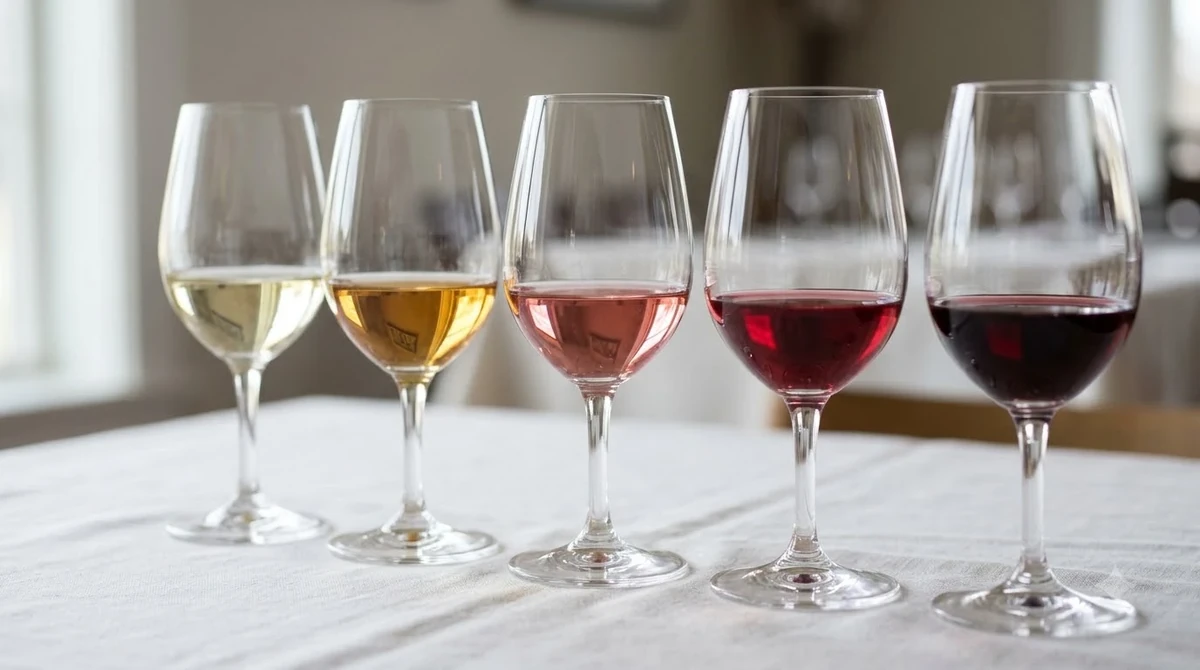
In Germany, steep slate-covered river valleys provide the ideal stage for Riesling-based TBA. Regions such as the Mosel, Rheingau, Nahe, and Pfalz rely on autumn fog rising off the Mosel and Rhine rivers to trigger botrytis, followed by afternoon sun reflecting off rocky slopes to dehydrate the fruit. German TBA is renowned for soaring, crystalline acidity and lower alcohol, often hovering right near the 5.5 to 7 percent mark.
Across the border in Austria, the epicenter of TBA production is Burgenland, specifically the shores of Lake Neusiedl (Neusiedlersee). As noted by the Austrian Wine Marketing Board, this shallow steppe lake generates reliable late-autumn mists every year, allowing winemakers to craft nobly sweet wines more consistently than almost anywhere else in Europe. Alongside Riesling, Austrian vintners champion local varieties like Welschriesling, Chardonnay, Scheurebe, and Sämling 88, which yield opulently textured, creamy expressions.
How to Serve and Store TBA
Serve Trockenbeerenauslese well chilled—between 45 and 50 degrees Fahrenheit—in small tulip-shaped white wine glasses, pouring roughly two ounces per guest. Chilling tightens the wine’s massive sugar load so its natural acidity shines, while a narrow bowl concentrates the intricate honeyed aromatics without letting the wine warm up too quickly.
If a bottle is served too warm, the syrupy texture can turn cloying and mask delicate floral and citrus nuances; conversely, serving it straight from an ice bucket below 40 degrees mutes the bouquet. Unlike light-bodied summer wine cocktails such as pinot noir sangria that are meant to be poured generously, a single half-bottle (375 ml) of TBA easily satisfies six to eight people after dinner.
For long-term cellaring, few wines on earth rival TBA’s longevity. Its extraordinary sugar concentration acts as a natural preservative, while high acidity prevents oxidation from flattening the palate. Stored horizontally in a cool, dark cellar around 55 degrees Fahrenheit, a well-made bottle can evolve gracefully for 30 to 50 years or longer. Once opened, recork the bottle and keep it in the refrigerator, where it will stay fresh and expressive for several weeks.
Tip: Never rush a glass of Trockenbeerenauslese—let a small sip coat your palate for three seconds before swallowing so you can experience how the racy acidity cuts cleanly through the honeyed richness.
Food Pairings for Trockenbeerenauslese
Because Trockenbeerenauslese is sweeter than almost any plated dessert, the golden rule of pairing is to match it with salty, savory, or moderately sweet dishes rather than sugary confections. Pairing TBA with frosted cake or sweet chocolate will make the wine taste flat and acidic by comparison.
Savory first courses and cheese boards create some of the most memorable contrasts. Pungent, salty blue cheeses—such as Roquefort, Stilton, or Gorgonzola Dolce—temper the wine’s honeyed intensity while highlighting its dried apricot and saffron notes. Rich, silky preparations like seared foie gras or duck liver pâté served on toasted brioche also balance the wine’s bright acidity effortlessly.
If you prefer serving TBA at the end of a meal, stick to lightly sweetened, fruit-forward, or nut-based desserts. Warm apple tart, apricot galette, poached pears, hazelnut torte, or classic crème brûlée mirror the wine’s caramelized citrus and stone fruit flavors without overwhelming your palate. Even though these pairings feel rich and celebratory, checking wine carbohydrate comparisons shows just how dramatically a two-ounce dessert pour differs from dry table wines.
How to Choose a Bottle
Shopping for Trockenbeerenauslese starts with understanding bottle formats, grape varieties, and vintage character rather than hunting for bargain labels. Because yields are minuscule and every grape is harvested by hand, TBA is almost always sold in 375 ml half-bottles rather than standard 750 ml formats.
First, look at the grape variety on the label to match the style to your palate. German Riesling TBA offers the highest acidity, lightest alcohol, and sharpest mineral tension, making it feel almost weightless despite its syrup-like density. Austrian blends or single-varietal bottles made from Welschriesling, Scheurebe, or Chardonnay lean broader, creamier, and more tropical, especially if aged in small oak barrels.
Second, check the producer’s stylistic tradition and the vintage notes. In Germany, look for the VDP eagle emblem on the capsule, which identifies top estates working with premier vineyard sites, and pay attention to whether the vintage was known for clean botrytis. In Austria’s Burgenland, producers often indicate on the back label whether the wine was raised in stainless steel (“Zwischen den Seen”) or new oak barriques (“Nouvelle Vague”), giving you an immediate clue about whether to expect pure stone fruit or rich vanilla-spice complexity—much like how Italian recioto wine varies depending on drying and oak aging choices.
Frequently Asked Questions
Is Trockenbeerenauslese a dry wine?
No, Trockenbeerenauslese is one of the sweetest unfortified wines in the world. Although the German word “trocken” means dry, in this context it refers to the raisined, dried-out grapes on the vine rather than the finished wine, which holds 150 to 300 grams of residual sugar per liter.
What is the difference between Beerenauslese and Trockenbeerenauslese?
Both styles are made from individually hand-picked, botrytis-affected berries, but Trockenbeerenauslese requires much higher grape dehydration and sugar density. While Beerenauslese requires a minimum must weight of 110 to 128 degrees Oechsle, Trockenbeerenauslese must reach at least 150 degrees Oechsle, resulting in a thicker, rarer, and far sweeter wine.
How long can you keep an opened bottle of Trockenbeerenauslese?
An opened bottle of Trockenbeerenauslese stays fresh in the refrigerator for two to four weeks if tightly recorked. Its exceptionally high natural sugar and vibrant acidity protect the wine from rapid oxidation far better than standard dry white or red wines.
Why is Trockenbeerenauslese only made in certain years?
Producing Trockenbeerenauslese depends entirely on exact autumn weather conditions that allow beneficial noble rot to develop without turning into destructive grey rot. Winemakers need misty, humid mornings followed by warm, sunny afternoons to shrivel the berries, and in rainy or overly dry years, those conditions simply never occur.
Whether you encounter a German Riesling TBA from a steep slate hillside or an Austrian Welschriesling from the misty shores of Lake Neusiedl, Trockenbeerenauslese stands apart as a benchmark of patience in the vineyard. Pouring a small, chilled glass alongside aged blue cheese or a simple fruit tart lets you experience decades of craftsmanship in every drop.
More in Wine Types & Grapes
 Zinfandel Sugar Content: Dry Red vs. White Zinfandel GramsUpdated Nov 21, 2026
 Best Zinfandel Substitute Options for Sipping and CookingUpdated Nov 21, 2026
 Zweigelt Food Pairing: Best Dishes, Cheeses, and Serving TipsUpdated Nov 21, 2026
 Zinfandel Tannins Explained: How Structure Shapes Every BottleUpdated Nov 21, 2026
 Zinfandel Sweetness Level: Dry Red vs. Sweet White Zin ExplainedUpdated Nov 21, 2026
 Xinomavro Food Pairing: Best Dishes, Styles, and Serving TipsUpdated Nov 21, 2026