

We may earn a commission when you buy through links on this page, at no extra cost to you. Learn more.
Savatiano wine is a dry, medium- to full-bodied white wine made from Greece’s most widely planted white grape variety. Grown primarily in the Attica region surrounding Athens, it offers crisp flavors of green apple, citrus, white peach, and Mediterranean herbs. While historically used as the base grape for pine-resinated Retsina, modern winemakers now produce unresinated single-varietal bottles from dry-farmed old vines.
Pronounced sah-vah-tee-AH-no, this ancient Greek variety has spent decades in the shadow of flashier island grapes like Assyrtiko. Yet if you are exploring different Wine by Type, Savatiano rewards curiosity with remarkable versatility at the dinner table and serious aging potential when harvested from low-yielding vineyards.
What Is Savatiano Wine?
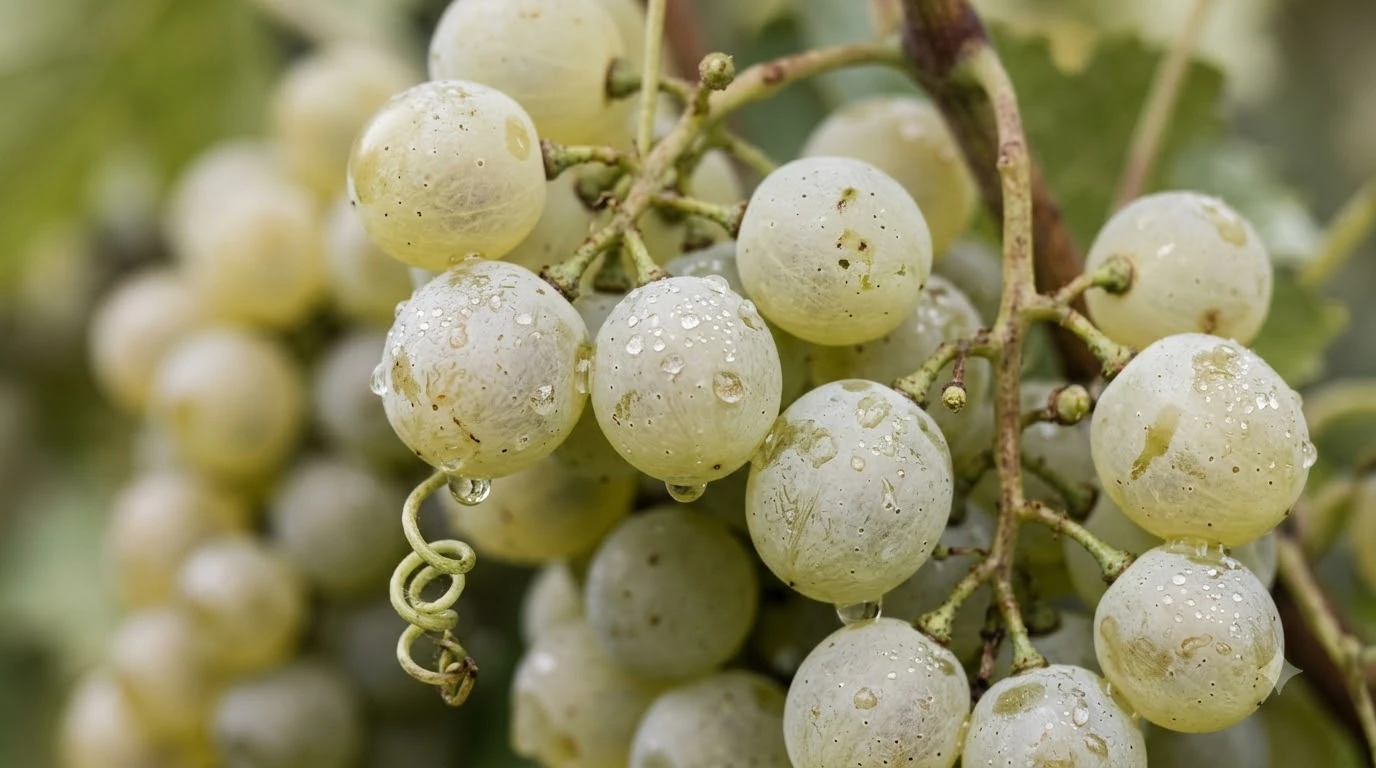
Savatiano is an indigenous Greek Vitis vinifera white grape whose name likely derives from the Greek word for “Sabbath.” For generations, it served as the everyday workhorse grape of central Greece, valued for its extreme resilience in hot, arid climates.
After phylloxera devastated Greek vineyards, growers replanted heavily with Savatiano because it resists drought, tolerates poor limestone soils, and fends off fungal diseases like powdery mildew. According to Grape Collective, the variety covered more than 20,000 hectares in 1990 before urban expansion—including the construction of the Athens airport in Spata—reduced total plantings to roughly half that footprint.
For much of the twentieth century, most of the harvest went straight into bulk wine and Retsina, the traditional Greek white flavored with Aleppo pine resin. Under European Union appellation rules, Retsina produced in Attica must contain at least 85 percent Savatiano. When mass-market producers relied on high yields and heavy resin to mask flaws, the grape’s international reputation suffered.
Over the past few decades, a new generation of Attica vintners flipped that script. By restricting yields on unirrigated, goblet-trained bush vines and fermenting at cool temperatures in stainless steel or neutral oak, producers proved that unresinated Savatiano stands on its own as a textured, site-expressive white wine.
Flavor Profile and Winemaking Styles
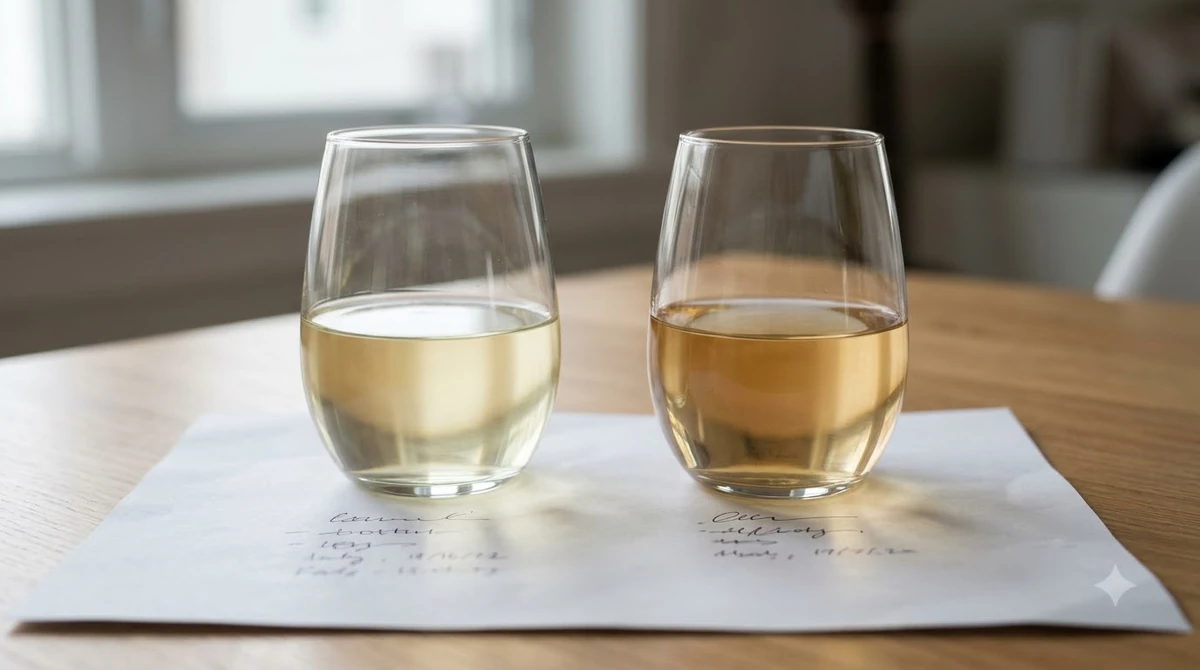
Savatiano wine typically pours a pale to medium lemon-yellow in the glass and delivers moderate fruit aromas backed by floral and herbal complexity. Expect notes of green apple, white peach, honeydew melon, lemon zest, jasmine, chamomile, and subtle Mediterranean scrub.
On the palate, young stainless-steel versions are crisp, refreshing, and medium-bodied with balanced acidity and a clean, slightly saline finish. Reviewers at Wine Folly note that richer, modern interpretations can take on a fuller body reminiscent of Chardonnay, especially when winemakers employ lees stirring or barrel fermentation.
Because the grape adapts well to different cellar techniques, you will encounter several distinct expressions on the market today:
- Unoaked Stainless Steel: Fermented cool to preserve bright orchard fruit, citrus blossom, and lively freshness for early drinking within one to three years.
- Old-Vine and Lees-Aged: Sourced from dry-farmed vines 40 to 70 years old and aged on dead yeast cells (sur lie), yielding a creamier mouthfeel, nutty almond undertones, and pronounced limestone minerality.
- Oak-Fermented or Matured: Fermented or aged in French oak barrels, adding toasted nut, vanilla, and spice layers to the grape’s stone-fruit core.
- Modern Retsina: Contemporary craft versions pair clean, low-yield Savatiano fruit with a restrained touch of fresh pine resin, resulting in an herbal, savory white rather than an overpowering pine bomb.
- Late-Release Aged Bottles: Cellared for several years before release, developing honeyed, waxy, and toasted-nut complexity often compared to aged Hunter Valley Semillon.
| Savatiano Style | Primary Aromas & Flavors | Body & Texture | Aging Window |
|---|---|---|---|
| Unoaked Tank-Fermented | Green apple, lime zest, white flowers | Medium body, crisp and zesty | 1–3 years |
| Old-Vine / Lees-Aged | White peach, chamomile, almond, wet stone | Medium-plus body, creamy and mineral | 3–7 years |
| Barrel-Fermented | Yellow apple, honey, toasted nuts, subtle spice | Full body, rich and rounded | 5–10 years |
| Craft Retsina | Lemon, rosemary, fresh Aleppo pine resin | Medium body, savory and brisk | 1–3 years |
Where Savatiano Grows
Central Greece—specifically the Attica peninsula around Athens—is the historic heartland and qualitative benchmark for Savatiano wine. The variety also grows across Macedonia, the Peloponnese, Thessaly, and the Ionian Islands, often in regional white blends.
Within Attica, vineyards fall primarily under the PGI Attiki (Protected Geographical Indication) designation, alongside local sub-zones such as PGI Markopoulo and the Slopes of Kithairona. Rather than sprawling corporate estates, Attica’s vineyard land is fragmented among roughly 7,000 small growers tending tiny plots averaging under a hectare each, many planted with 50- to 70-year-old dry-farmed bush vines.
The soils across eastern Attica and the Mesogeia plain consist largely of poor, rocky limestone and calcareous clay. Because the vines receive no irrigation and must push their roots deep through fractured rock for moisture, berry size stays small and flavor concentration rises naturally.
Microclimates within Attica shift noticeably depending on elevation and proximity to the Aegean Sea. Coastal parcels near Keratea catch cooling sea breezes that highlight herbal and salty mineral traits, while higher-altitude sites around Mount Kithairona and Marathon retain sharper natural acidity during late-summer ripening in September.
How to Serve Savatiano Wine
Serve Savatiano chilled at 46–50°F (8–10°C) in a standard white wine glass to balance its refreshing acidity with its delicate floral and orchard-fruit aromatics. Serving it straight from a 38°F refrigerator mutes the nose and flattens the mid-palate texture.
For a crisp, unoaked bottle, pull it from the fridge about 15 minutes before pouring so it warms slightly into the ideal range. If you are opening an old-vine, barrel-fermented, or multi-year-aged Savatiano, aim toward the warmer end of the spectrum—around 50–52°F (10–11°C)—and consider giving the wine 20 minutes in the glass or a brief decant to let its honeyed, nutty aromatics unfold.
Standard dry bottlings typically sit between 12.5% and 13% alcohol by volume, making them lighter on the palate than oaked California Chardonnay while still offering enough weight for food. Keep opened bottles tightly stoppered in the refrigerator, where most tank-fermented styles remain fresh for two to three days.
Tip: If you are hosting a warm-weather gathering and want a lighter, crowd-pleasing pitcher option alongside chilled Greek whites, check out our guide to pinot noir sangria for an easy red alternative.
Food Pairing Ideas
Savatiano’s combination of brisk acidity, subtle herbal notes, and medium-plus weight makes it an effortless match for Mediterranean seafood, vegetable dishes, and grilled meats. Unlike ultra-tart whites that clash with rich sauces or garlic, Savatiano cushions bold flavors without feeling heavy.
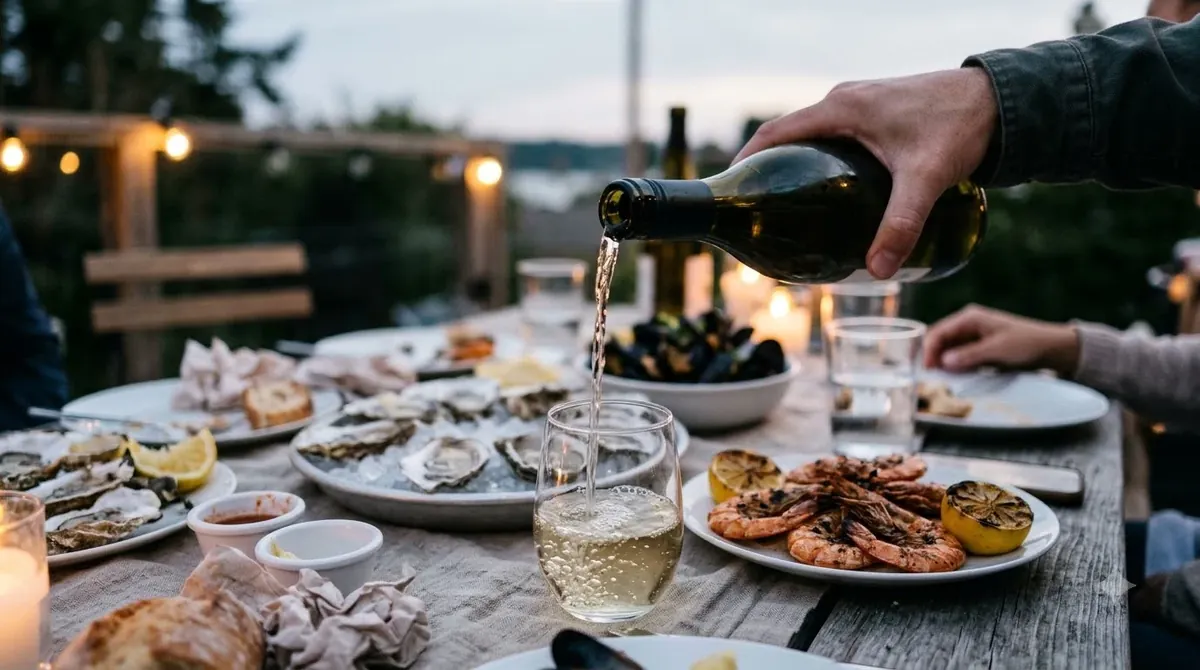
In Greek tavernas, the classic pairing is a spread of mezze: fried zucchini chips, grilled octopus with lemon and oregano, fava bean puree, and crisp whitebait. The wine’s citrus lift cuts through olive oil and fried batters, while its faint salinity echoes fresh shellfish and briny feta cheese.
Beyond Greek cuisine, Savatiano works remarkably well with dishes that challenge more delicate whites:
- Seafood and Shellfish: Crab cakes, pan-seared sea bass, garlic shrimp, and steamed mussels with herbs.
- Poultry and Pork: Lemon-herb roast chicken, pork souvlaki, and grilled sausages seasoned with fennel or sage.
- Spiced and Marinated Dishes: Mild Thai curries, Vietnamese noodle bowls, and citrus-marinated tacos, where the wine’s gentle fruit and herbal undertones complement ginger, lemongrass, and cilantro.
- Vegetarian Fare: Spanakopita, stuffed vine leaves (dolmades), artichoke risotto, and roasted summer vegetables drizzled with olive oil.
How to Choose a Quality Bottle
When shopping for Savatiano wine in the United States, look for bottles labeled PGI Attiki or PGI Markopoulo that highlight old vines, low yields, or specific vineyard sites on the front or back label. Because bulk producers historically favored quantity over quality, producer selection matters more here than with almost any other Greek grape.
Check the back label for clues about winemaking style. Terms like “old vines” (or Vieilles Vignes), “dry-farmed,” and “sur lie” signal concentrated fruit and layered texture rather than a simple, neutral table wine. If you want pure grape character, confirm that the bottle is a straight varietal white rather than Retsina—though artisanal Retsina from quality Attica estates is well worth trying if you enjoy savory, herbal wines.
Pay attention to vintage dates based on the style you prefer. Buy unoaked tank-fermented bottlings from the most recent one or two harvests to capture peak citrus and blossom freshness, while barrel-aged or old-vine cuvées from reputable Attica producers can easily reward three to eight years in a cool cellar. If you enjoy comparing lighter-bodied, food-friendly wines across the spectrum—whether tracking pinot noir carbs for dry reds or exploring sweet Italian classics like recioto wine—adding a bottle of old-vine Savatiano is one of the smartest ways to expand your white wine rotation.
Frequently Asked Questions
Is Savatiano wine sweet or dry?
The vast majority of Savatiano wine is vinified completely dry, with crisp acidity and clean orchard-fruit and citrus flavors. While PGI Attiki rules technically permit sweet wines made from sun-dried grapes, nearly every bottle exported to the United States is a dry white.
Does all Savatiano wine taste like pine resin?
No, Savatiano itself has no pine flavor at all. Pine resin is only present in Retsina, a traditional Greek specialty where winemakers intentionally add Aleppo pine resin during fermentation, whereas modern unresinated Savatiano tastes of green apple, white peach, lemon, and wildflowers.
What does Savatiano taste similar to?
Unoaked Savatiano sits somewhere between Pinot Grigio and unoaked Chardonnay, offering bright citrus and green apple with a slightly fuller mid-palate. Old-vine and barrel-aged versions develop waxy, honeyed, and nutty notes reminiscent of aged Semillon or white Rhone blends.
Can Savatiano wine age?
Yes, high-quality Savatiano from low-yielding old bush vines can age gracefully for five to ten years or longer. Over time, its fresh fruit transforms into complex layers of blossom honey, toasted almonds, and flinty minerality.
Whether you pour a crisp, stainless-steel bottle alongside weeknight grilled fish or open an old-vine cuvée with slow-roasted lamb, Savatiano proves that Greece’s white wine story reaches far beyond the Aegean islands. Seeking out modern Attica bottlings gives you an authentic taste of Athens’ historic vineyard heritage in every glass.
More in Wine Types & Grapes
 Zinfandel Sugar Content: Dry Red vs. White Zinfandel GramsUpdated Nov 21, 2026
 Best Zinfandel Substitute Options for Sipping and CookingUpdated Nov 21, 2026
 Zweigelt Food Pairing: Best Dishes, Cheeses, and Serving TipsUpdated Nov 21, 2026
 Zinfandel Tannins Explained: How Structure Shapes Every BottleUpdated Nov 21, 2026
 Zinfandel Sweetness Level: Dry Red vs. Sweet White Zin ExplainedUpdated Nov 21, 2026
 Xinomavro Food Pairing: Best Dishes, Styles, and Serving TipsUpdated Nov 21, 2026