


We may earn a commission when you buy through links on this page, at no extra cost to you. Learn more.
Classic gruner veltliner tasting notes center on zesty citrus like lime and lemon, crisp orchard and green flavors such as green apple, gooseberry, and snap pea, and an unmistakable kick of white pepper backed by brisk acidity. Most bottles are fermented dry with no tannins and a light-to-medium body, though warmer sites and reserve bottlings can shift the profile toward ripe stone fruit, honey, and toasted nuts. Its trademark savory spice comes from rotundone, a naturally occurring aroma compound in the grape skins that sets it apart from nearly every other white wine.
Pronounced grew-ner velt-lee-ner, this Austrian flagship grape bridges the gap between herbaceous, high-acid whites and richer, textural bottles meant for the cellar. Understanding how its aromas shift from lean and snappy to plush and mineral makes it far easier to pick the right bottle for dinner or casual sipping.
What Is Grüner Veltliner?
Grüner Veltliner is Austria’s most important white wine grape, accounting for roughly one-third of the country’s total vineyard area and delivering dry white wines defined by high acidity and savory white pepper spice. Its name translates loosely to “Green Wine of Veltlin,” referencing an Alpine region historically tied to northern Italy.
Ampelographers and genetic researchers have traced the grape’s lineage to a natural crossing between Traminer and an ancient, obscure Austrian variety found in St. Georgen in Burgenland, according to Austrian Wine. Despite sharing part of a name with Roter Veltliner and Frühroter Veltliner, Grüner Veltliner is not genetically related to either variety. In the vineyard, growers also call it Weißgipfler, meaning “white tip,” because of the distinctive white woolly hair that covers its young shoot tips.
What gives the grape its signature sensory fingerprint is chemistry. Reviewers at Wine Folly note that the unmistakable white pepper aroma comes from rotundone, a sesquiterpene compound found in the berry skins that also drives the peppery character in Syrah. Meanwhile, its mouthwatering snap stems from high concentrations of L- and D-tartaric acid isomers, which keep the wine feeling brisk and electric on the palate even when grapes reach full ripeness.
Flavor Profile and Wine Styles
Across the board, Grüner Veltliner offers bright citrus, green garden herbs, wet stone minerality, and white pepper, but winemaking and ripeness divide the grape into two clear stylistic camps. Entry-level bottles are light, spritzy, and fiercely refreshing, while single-vineyard and reserve expressions bring weight, stone fruit, and cellarworthy complexity.
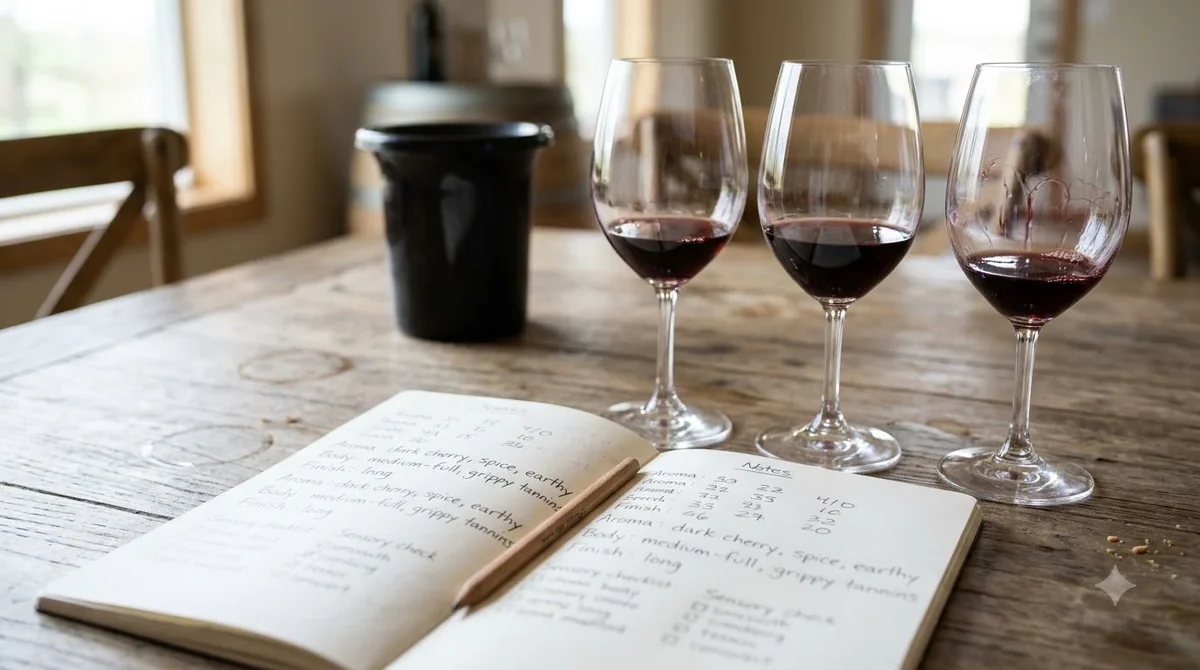
On the nose and palate of a classic, youthful bottle, expect sharp lime zest, Meyer lemon, grapefruit, and tart green apple or starfruit. Beneath the fruit sits a distinctly savory, botanical layer that evokes crushed white pepper, green bean, snow pea, radish, tarragon, and fresh arugula. Most everyday examples are fermented in stainless steel with zero new oak, preserving a clean, linear finish with a subtle prickle of dissolved carbon dioxide and wet-gravel minerality.
When yields are restricted and grapes hang longer on the vine, the flavor spectrum broadens considerably. Riper expressions swap green bean and tart lime for yellow apple, white peach, nectarine, and melon, wrapped in a rounder, creamier mid-palate. Winemakers crafting top-tier bottlings sometimes use large neutral oak casks or extended lees contact, introducing subtle notes of Brazil nut, beeswax, smoke, and dried herbs. Over five to ten years in bottle, aged examples evolve tertiary layers of wildflower honey, toasted hazelnuts, and deeper citrus peel while retaining their energetic acid backbone.
| Style Tier | Typical ABV | Primary Tasting Notes | Aging Window |
|---|---|---|---|
| Light & Zesty (e.g., Weinviertel DAC, Steinfeder) | Under 11.5% to 12.5% | Lime zest, green apple, snap pea, white pepper, chalky minerality | 1 to 2 years |
| Classic Mid-Weight (e.g., Federspiel, Village DAC) | 11.5% to 12.5% | Lemon, grapefruit, yellow apple, tarragon, crushed gravel, steady spice | 2 to 5 years |
| Rich & Reserve (e.g., Smaragd, Reserve) | 12.5% to 14.0% | White peach, nectarine, honey, roasted nuts, beeswax, savory pepper | 5 to 10+ years |
If you already enjoy crisp whites from our Wine by Type hub, Grüner Veltliner sits right in the sweet spot between familiar varieties. It carries the green, herbal snap found in pinot grigio tasting notes and Sauvignon Blanc, yet swaps tropical fruit for savory spice and stony minerality.
Where Grüner Veltliner Grows
More than 75 percent of the world’s Grüner Veltliner is planted in Austria, with over 90 percent of Austrian vines concentrated in Niederösterreich (Lower Austria) along the Danube River. Smaller plantings also thrive in neighboring Slovakia and Czechia, alongside cool-climate pockets in the United States, Canada, Australia, and New Zealand.
Within Lower Austria, soil type and microclimate shape the exact tasting notes in your glass. The largest appellation, Weinviertel, produces crisp, lively wines built around lime and white pepper. Further west along the Danube, the steep terraced vineyards of the Wachau sit on ancient primary rock like gneiss and granite, yielding powerful, deeply mineral wines categorized by ripeness into Steinfeder, Federspiel, and Smaragd. Neighboring Kamptal and Kremstal blend primary rock slopes with deep loess—wind-blown silt deposits—resulting in balanced wines that combine herbal precision with generous stone fruit, while Wagram’s deep loess soils yield noticeably softer, richer textures.
Outside Central Europe, winemakers have gravitated toward cool regions with wide day-to-night temperature swings that protect natural acidity. In the United States, modest but acclaimed plantings appear in New York’s Finger Lakes, Pennsylvania’s Lehigh Valley, Oregon’s Willamette Valley, Virginia, Maryland, and California’s cool coastal areas. New World versions tend to highlight juicy pear, yellow apple, and citrus blossom alongside a gentler touch of white pepper.
How to Serve Grüner Veltliner
Serve youthful, crisp Grüner Veltliner well chilled at 45°F to 50°F (7°C to 10°C), while fuller-bodied Reserve or Smaragd bottles show best slightly warmer at 50°F to 55°F (10°C to 13°C). A standard white wine glass captures both its bright citrus aromatics and subtle herbal spice without needing specialized stemware.
Temperature control matters more here than with neutral whites because excessive cold mutes the grape’s defining white pepper and floral nuances. Straight out of a standard kitchen refrigerator, an aromatic bottle can taste overly sharp and one-dimensional. Pulling a richer bottle from the fridge 15 to 20 minutes before pouring lets the stone fruit, beeswax, and mineral notes open up naturally in the glass.
Decanting is unnecessary for everyday styles bottled under screw cap, which are meant to preserve fresh fruit and light spritz. However, if you open an older Reserve or Smaragd bottle with five or more years of age, 20 to 30 minutes in a decanter helps blow off any bottle reduction and reveals deeper layers of honey and toasted nuts.
Tip: If a bottle tastes overly tart or tight right out of the fridge, let your glass warm in your hands for five minutes—the white pepper and stone fruit notes emerge quickly as the temperature rises.
Food Pairing with Grüner Veltliner
Grüner Veltliner is a sommelier favorite at the dinner table because its high acidity, dry finish, and herbal pepperiness bridge ingredients that clash with other wines. It handles bitter greens, raw herbs, rich fried foods, and aromatic Asian spices with equal ease.
In Austria, the classic benchmark pairing is Wiener Schnitzel, where the wine’s electric acidity slices right through crisp breading and rich veal or pork. That same principle makes it equally effective alongside Japanese tonkatsu, fried chicken, tempura, and rich pork belly ramen. For seafood, light and zesty bottles complement raw oysters, ceviche, grilled shrimp, and flaky white fish like halibut or trout dressed with lemon and dill.
Where Grüner Veltliner truly separates itself from other white wines is with notoriously difficult vegetables. Asparagus, globe artichokes, Brussels sprouts, green beans, and fresh herb salads often make oaky or tannic wines taste metallic, yet Grüner’s natural green-bean and pepper notes harmonize directly with them. Full-bodied, aged bottles also stand up to roasted poultry, pork chops, and aged Alpine cheeses like Gruyère and Appenzeller, occupying a versatile culinary role similar to chenin blanc tasting notes.
How to Choose a Bottle
Reading the alcohol percentage and regional classification on an Austrian label tells you almost everything about the flavor profile inside before you pull the cork. Lower alcohol signals a lean, zesty, citrus-driven wine, while higher alcohol points to ripe stone fruit, richer texture, and potential oak or lees aging.
Start by checking the ABV on the front or back label. Bottles listing 11.5% to 12.5% ABV—often labeled as Weinviertel DAC, Steinfeder, or Federspiel—deliver classic crunch, lime zest, green apple, and pronounced white pepper. If you prefer a plush, weighty white wine with yellow peach, honey, and creamy depth, look for bottles at 13% ABV or higher bearing terms like Smaragd, Reserve, or single-vineyard designations (often marked as Ried before the vineyard name).
Pay attention to vintage age and closure as well. Everyday Grüner Veltliner is best purchased within one to two years of the harvest date printed on the label, where screw caps keep the fruit snapping fresh. When shopping for richer styles—or if you want a slightly broader, oilier texture akin to pinot gris tasting notes—look for bottles with three to six years of bottle age that have settled into their nutty, honeyed secondary phase.
Frequently Asked Questions
Is Grüner Veltliner sweet or dry?
The vast majority of Grüner Veltliner is fermented completely dry. Even in rare bottlings that retain a tiny whisper of residual sugar, the grape’s naturally high tartaric acidity keeps the finish crisp, savory, and refreshing rather than sweet.
Why does Grüner Veltliner taste like white pepper?
Grüner Veltliner skins naturally contain rotundone, the exact same aroma compound responsible for the peppery spice in black and white peppercorns as well as Syrah grapes. Cooler vineyard sites and primary-rock soils tend to accentuate this savory pepper note even further.
What wine is most similar to Grüner Veltliner?
Sauvignon Blanc is the closest everyday comparison because both share high acidity and green, herbaceous aromas, though Grüner trades tropical fruit for white pepper and wet stone. Dry Riesling and unoaked Chablis also offer a similar mix of electric acidity and stony minerality.
Does Grüner Veltliner age well?
Light, everyday bottles are meant to be enjoyed young within one to two years of the vintage while their citrus and spritz are brightest. However, structured single-vineyard and Reserve bottlings can age gracefully for 10 years or more, developing rich flavors of honey, roasted nuts, and dried herbs.
Whether you reach for a snappy, screw-capped liter for weeknight takeout or decant an aged Wachau Smaragd for a holiday roast, Grüner Veltliner rewards drinkers who love bright acidity and savory complexity. Keep an eye on the ABV and soil notes on the label, and you will know exactly which side of Austria’s signature white grape awaits in the glass.
More in Wine Types & Grapes
 Zinfandel Sugar Content: Dry Red vs. White Zinfandel GramsUpdated Nov 21, 2026
 Best Zinfandel Substitute Options for Sipping and CookingUpdated Nov 21, 2026
 Zweigelt Food Pairing: Best Dishes, Cheeses, and Serving TipsUpdated Nov 21, 2026
 Zinfandel Tannins Explained: How Structure Shapes Every BottleUpdated Nov 21, 2026
 Zinfandel Sweetness Level: Dry Red vs. Sweet White Zin ExplainedUpdated Nov 21, 2026
 Xinomavro Food Pairing: Best Dishes, Styles, and Serving TipsUpdated Nov 21, 2026