

We may earn a commission when you buy through links on this page, at no extra cost to you. Learn more.
A successful garnacha food pairing balances the wine’s ripe red berry fruit, warm baking spices, and moderate tannins with smoky, roasted, or herb-driven dishes. Because this thin-skinned grape produces everything from crisp dry rosés to full-bodied Spanish reds, matching the wine’s specific weight to your meal is the key to effortless dining. Classic table partners include herb-crusted lamb chops, smoked barbecue ribs, roasted root vegetables, and aged sheep’s milk cheeses like Manchego.
Known as Garnacha in its native Spain, Grenache in France, and Cannonau in Italy, this versatile grape bridges the gap between light, delicate reds and heavy, tannic powerhouses. Whether you are pouring a chilled rosé on a warm afternoon or decanting an old-vine red for a winter stew, understanding how its natural sweetness and spice interact with food makes planning dinner much simpler.
What Garnacha Is and Why It Pairs So Well
Garnacha is a thin-skinned, late-ripening grape native to northeastern Spain that thrives in hot, dry, and windy climates. Because it ripens late in the growing season, the berries accumulate high natural sugar levels, which ferment into medium-plus alcohol ranging from 13.5 to 16 percent ABV while keeping astringent tannins moderate.
On the palate, red Garnacha delivers a generous wave of candied strawberry, black cherry, and grilled plum layered over secondary notes of dried herbs, star anise, tobacco, and ruby-red grapefruit. According to Wine Folly’s comprehensive guide to Grenache, the grape’s combination of medium acidity, approachable tannins, and bright fruit allows it to complement savory dishes without overwhelming delicate ingredients.
Unlike high-tannin reds that require heavy marbling or rich cream sauces to soften their grip, Garnacha feels plush and inviting right out of the bottle. Its gentle structure acts as a flavor bridge at the dinner table, softening the edges of spicy seasonings while echoing the caramelized sugars found in roasted meats and charred vegetables.
Flavor Profiles Across Different Garnacha Styles
Garnacha is far from a single-note red wine; genetic color mutations and regional winemaking traditions yield four distinct styles with vastly different table personalities. Matching the style in your glass to the intensity of your cooking ensures neither the food nor the wine overpowers the other.
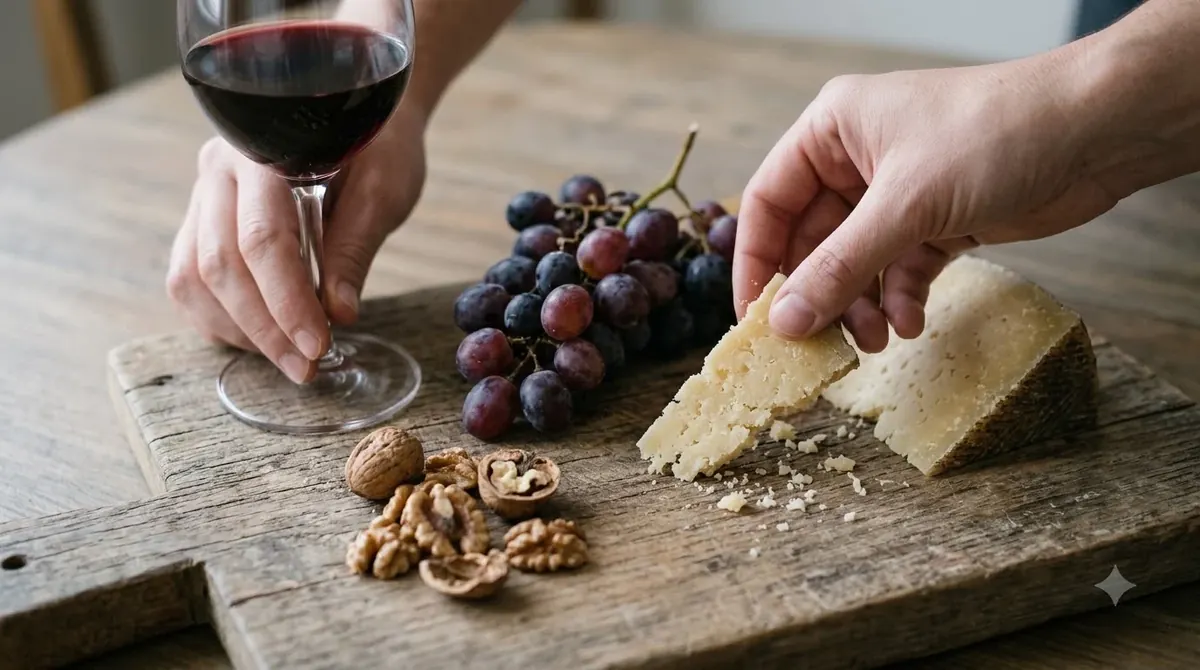
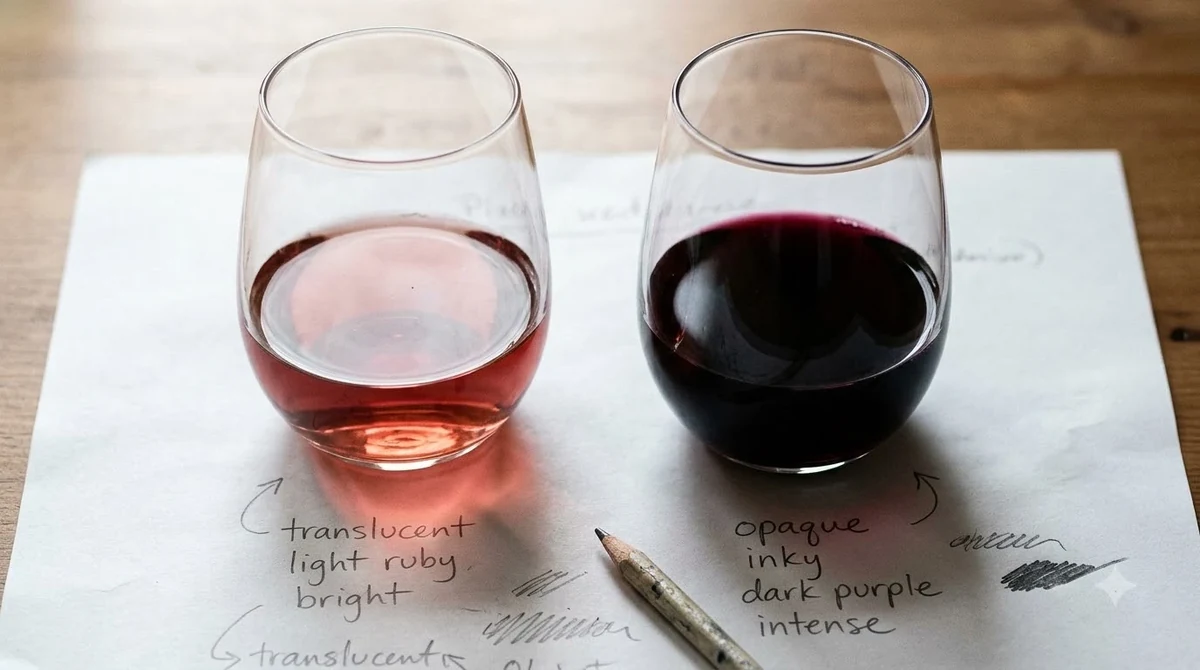
Young, unoaked Garnacha Tinta (red) from regions like Campo de Borja or Cariñena emphasizes fresh raspberry, cherry, and subtle white pepper. These lighter-framed reds pair effortlessly with casual weeknight meals, tomato-based pastas, and roasted poultry. In contrast, old-vine bottlings from Priorat or classic Southern Rhône blends—often labeled GSM alongside Syrah and Mourvèdre—pack concentrated dark plum, licorice, and earthy minerality suited for slow-braised meats.
Beyond red wine, Garnacha Blanca (Grenache Blanc) produces plump, full-bodied white wines with 13.5 to 15 percent ABV, offering juicy pear, green almond, and salty mineral notes. Meanwhile, dry Garnacha Rosado delivers crisp watermelon, strawberry, and citrus zest. If you are exploring the broader spectrum of Wine by Type, keeping one red and one white or rosé expression of Garnacha on hand covers almost any menu.
Best Savory Dishes for Garnacha Food Pairing
Rich, smoky, and spice-rubbed dishes bring out the absolute best in red Garnacha by playing off its natural berry sweetness and herbal undertones. When building a menu, look for preparations that feature roasting, grilling, or slow-simmered aromatics rather than raw, delicate textures.
Fire-grilled and smoked meats are natural companions. Herb-crusted lamb chops seasoned with rosemary and garlic mirror the wild scrub-herb notes (often called garrigue) inherent in Mediterranean Grenache. Similarly, slow-smoked pork ribs or pulled pork glazed with cherry, plum, or tangy tomato barbecue sauce find harmony with the wine’s plush fruit and subtle spice.
Warm global spices also shine alongside this varietal. Dishes seasoned with cumin, allspice, smoked paprika, or Chinese five-spice—such as Moroccan lamb tagine with dried apricots, Turkish kebabs, or duck breast with orange-soy glaze—echo the cinnamon and anise notes found in ripe Garnacha. For plant-forward meals, stuffed bell peppers, mushroom risotto, and ratatouille offer the earthy umami needed to ground the wine’s fruit.
| Dish Category | Recommended Garnacha Style | Key Flavor Bridge | Best Cooking Method |
|---|---|---|---|
| Herb-Crusted Lamb Chops | Old-Vine Spanish Garnacha or GSM Blend | Rosemary, garlic, and earthy tannins | Char-grilling or high-heat roasting |
| Smoked Pork Ribs or Tenderloin | Fruit-Forward Red Garnacha | Berry fruit softens smoky and sweet glazes | Low-and-slow smoking or pan-roasting |
| Moroccan Tagine or Mild Curry | Medium-Bodied Red Garnacha | Cumin, cinnamon, and dried fruit harmony | Slow braising or simmering |
| Roasted Cauliflower and Mushrooms | Grenache Blanc (White) | Nutty caramelization and creamy weight | Oven roasting with olive oil and herbs |
| Tapas, Charcuterie, and Paella | Dry Garnacha Rosado | Bright acidity cuts salt and cured fats | Chilled or light pan-searing |
| Aged Manchego and Serrano Ham | Crianza Red Garnacha or Dry Rosé | Saltiness amplifies ripe red berry notes | Served at cool cellar temperature |
Cheese, Charcuterie, and Tapas Combinations
In Spain, Garnacha is the quintessential social wine built for grazing tables filled with small plates, cured meats, and artisanal cheeses. The salt and fat in traditional tapas naturally soften wine tannins while amplifying subtle fruit flavors on the finish.
Firm, nutty sheep’s milk cheeses—especially aged Manchego, Roncal, or Ossau-Iraty—are textbook partners. Their caramelized, savory richness aligns smoothly with the wine’s medium body without clashing against its acidity. For a complete board, add slices of salty jamón serrano or prosciutto, buttery Marcona almonds, briny green olives, and dried figs.
Warm tapas work equally well when matched to the right bottle weight. Fried chorizo bites, chorizo-stuffed mushrooms, and smoky patatas bravas highlight the peppery, savory side of young Spanish Garnacha. As noted by the European Garnacha/Grenache quality wine program, pairing a crisp Garnacha rosé or dry white with seafood tapas and mixed paella keeps the palate refreshed between salty bites.
Foods That Clash With Garnacha and How to Fix Them
Even a remarkably adaptable grape has a few culinary pitfalls, most of which stem from Garnacha’s naturally elevated alcohol level. Understanding how alcohol and moderate acidity interact with extreme flavors helps you avoid awkward combinations at the table.
Fiery chili heat is the most common trouble spot. Because alcohol acts as a solvent for capsaicin, a bold red Garnacha above 15 percent ABV will intensify the burn of hot Thai curries, habanero salsas, or Nashville hot chicken. If you are serving spicy food, pivot to a low-alcohol Garnacha rosé served cold, or choose a lighter red with under 14 percent ABV and chill it slightly before pouring.
Delicate white fish, raw oysters, and tart vinaigrette salads can also overwhelm red Garnacha. The wine’s ripe berry sweetness tastes metallic against briny shellfish and flat next to sharp lemon or vinegar dressings. In those scenarios, swap the red bottle for a crisp Garnacha Blanca, which brings the citrus and mineral backbone needed for lighter coastal dishes. For guests watching their intake around carb-heavy meals, comparing lighter reds like pinot noir carbs alongside dry Garnacha can also help guide portion choices.
Serving Temperature and Glassware Tips for Pairing
Serving Garnacha too warm is the single biggest mistake home hosts make, as modern room temperatures around 70 degrees Fahrenheit cause high-alcohol wines to smell hot and taste overly jammy. Dialing in the right temperature keeps the red fruit crisp and the spice notes focused.
According to Wine Folly’s serving temperature guidelines, light-to-medium red Garnacha shines best between 55 and 60 degrees Fahrenheit, while full-bodied old-vine reds and GSM blends perform ideally at 60 to 65 degrees Fahrenheit. Putting a room-temperature bottle into the refrigerator for 20 to 30 minutes before dinner brings it right into that sweet spot. Serve dry Garnacha rosé between 48 and 53 degrees Fahrenheit, and chill Garnacha Blanca to 45 to 50 degrees Fahrenheit.
For glassware, a universal red wine glass with a medium-sized bowl captures Garnacha’s floral and berry aromatics without concentrating alcohol vapors. Younger reds can be poured immediately, whereas concentrated bottles from Priorat, Châteauneuf-du-Pape, or old-vine Aragon benefit from 30 minutes in a decanter to open up their savory earth and spice layers. If you have leftover fruity red wine after a cookout, it also makes an outstanding base for a chilled pinot noir sangria variation loaded with sliced oranges and berries.
Tip: Chill red Garnacha in the refrigerator for 25 minutes before dinner so its bright strawberry fruit stays crisp rather than tasting hot from higher alcohol.
Frequently Asked Questions
Is Garnacha the same wine as Grenache?
Yes, Garnacha and Grenache are the exact same grape variety. It is called Garnacha in its Spanish homeland (and Garnatxa in Catalonia), Grenache in France, Australia, and the United States, and Cannonau on the Italian island of Sardinia.
Does Garnacha pair well with spicy food?
Garnacha pairs wonderfully with warm, aromatic spices like cumin, smoked paprika, cinnamon, and five-spice powder. However, if a dish has intense chili heat, avoid high-alcohol red Garnacha—which amplifies capsaicin burn—and choose a chilled Garnacha rosé instead.
Can you serve Garnacha with fish or seafood?
You can easily pair Garnacha with seafood by matching the wine’s color and weight to the fish. Dry Garnacha Rosado complements grilled salmon and tuna, while full-bodied Grenache Blanc pairs nicely with shellfish, lobster, and garlic-herb white fish.
Should you decant red Garnacha before dinner?
Young, fruit-driven Garnacha does not require decanting and can be enjoyed right after opening. Concentrated old-vine Garnacha or structured Rhône-style blends benefit from 30 minutes in a decanter to soften their tannins and release secondary notes of leather, tobacco, and dried herbs.
From casual weeknight tapas and herb-roasted chicken to slow-braised lamb and smoky barbecue ribs, Garnacha earns its reputation as one of the most adaptable wines at the dinner table. Pay attention to the bottle’s style, give red expressions a quick chill before pouring, and let the wine’s ripe berry fruit and warm spice do the heavy lifting alongside your favorite savory dishes. If you are exploring sweet dessert pairings after dinner, you can also compare dry fortified Grenache styles with traditional Italian recioto wine.
More in Wine Types & Grapes
 Zinfandel Sugar Content: Dry Red vs. White Zinfandel GramsUpdated Nov 21, 2026
 Best Zinfandel Substitute Options for Sipping and CookingUpdated Nov 21, 2026
 Zweigelt Food Pairing: Best Dishes, Cheeses, and Serving TipsUpdated Nov 21, 2026
 Zinfandel Tannins Explained: How Structure Shapes Every BottleUpdated Nov 21, 2026
 Zinfandel Sweetness Level: Dry Red vs. Sweet White Zin ExplainedUpdated Nov 21, 2026
 Xinomavro Food Pairing: Best Dishes, Styles, and Serving TipsUpdated Nov 21, 2026