

We may earn a commission when you buy through links on this page, at no extra cost to you. Learn more.
Vouvray wine is a French white from the Touraine district in the Loire Valley, made almost entirely from Chenin Blanc, and it can be dry, off-dry, sparkling, or lusciously sweet depending on the vintage. Its acidity is high in every style, which keeps even the sweetest bottles fresh. The region sits just east of Tours, and its cellars are carved into tuffeau limestone.
Vouvray is one of the Loire Valley’s most versatile wine names. Many drinkers know the region for Sauvignon Blanc or Muscadet, yet Vouvray offers a range that few other whites can match. This guide explains where it comes from, how the styles differ, how to serve each one, and what to look for when you buy a bottle.
Where Vouvray Comes From
Vouvray is an appellation in the Loire Valley, in the Touraine district just east of Tours. The vineyards lie on the banks of the Loire and the surrounding hills, and the local geology plays a major role in the wine. Wikipedia notes that the region’s cellars are carved from tuffeau rock, a soft limestone that stays cool and steady in temperature, which is useful for both sparkling wine production and long-term aging.
Because the appellation is so closely tied to a single grape, a Vouvray label usually tells you the most important thing about the bottle. Look for the name on the front and read the producer’s description to see which style is inside.
The Grape Behind the Wine
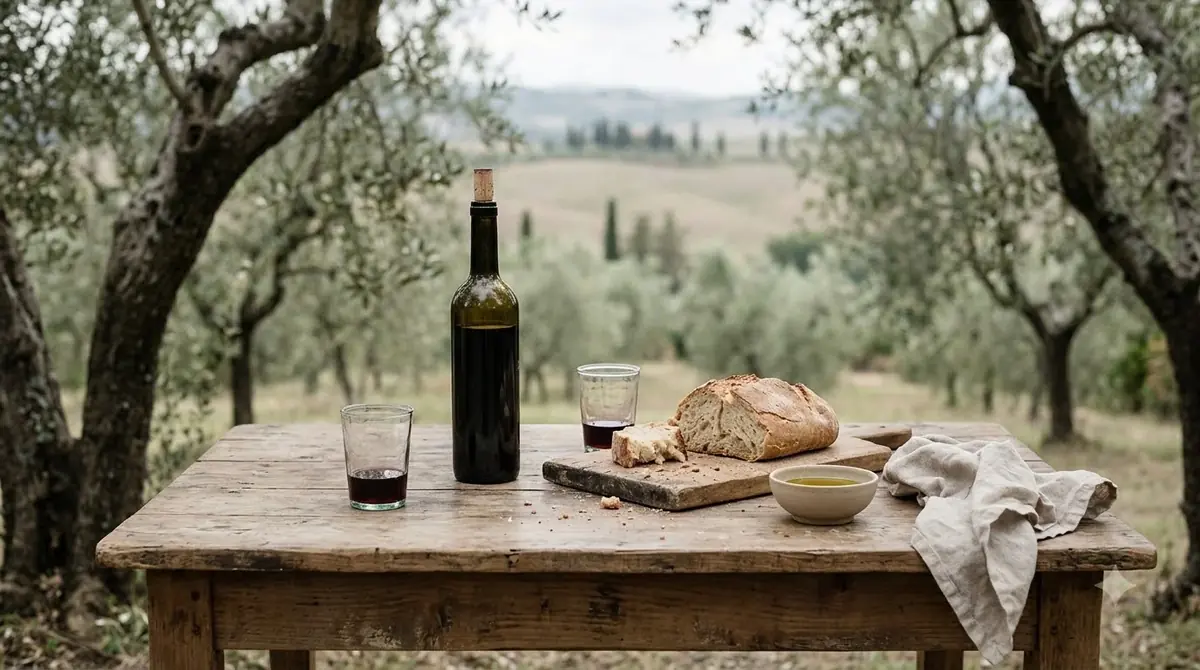
Almost all Vouvray is made from Chenin Blanc. Arbois is permitted in the appellation but is rarely used, so you can treat Chenin Blanc as the defining grape of the region. Wine Folly’s Chenin Blanc profile notes that the grape is native to the Loire Valley, where it is said to take its name from Mont Chenin, and that it shows high acidity in every style.
Chenin Blanc is unusually versatile. It can make bone-dry whites, sparkling wines, and sweet wines, and the same grape can taste quite different from one vintage to the next. That flexibility is the reason Vouvray stands out among white wines, and it is also why it can be confusing for new drinkers.
The Four Styles of Vouvray
Vouvray is usually sorted by sweetness, and the terms on the label tell you how the wine will taste. Wikipedia lists the residual sugar ranges for each style, which helps you understand how sweet a bottle will feel before you open it.
| Style | Term on label | Residual sugar | What it tastes like |
|---|---|---|---|
| Dry | Sec | Up to 0.4% | Crisp and mineral, with orchard fruit and high acidity |
| Off-dry | Demi-Sec | 0.4% to 1.2% | Soft sweetness that balances the acidity |
| Sweet | Moelleux | 1.2% to 4.5% | Honeyed and rich, with the acidity still lively |
| Very sweet | Doux | Over 4.5% | Luscious and dessert-style |
Vintage conditions also shape the style. According to Wikipedia, cooler vintages favor dry and sparkling wines, while warmer vintages favor sweet styles made with noble rot, which is a fungus that concentrates the sugars in ripe grapes. Sparkling Vouvray is a separate category and can be a good first choice when you want something lively and dry.
Flavors and Textures to Expect
Wine Folly lists quince, yellow apple, pear, chamomile, and honey among the common aromas and flavors. Later-harvested or noble-rot grapes can add pineapple, orange peel, and more honey. Whatever the style, the acidity stays high, and Wine Folly compares the palate to the zing of Riesling with the body of Chardonnay.
Dry Vouvray often feels light on the palate but finishes with a mineral edge. Sweeter styles feel richer and rounder, yet the acidity keeps the wine from becoming heavy. Tasting a dry and a sweet bottle side by side is one of the clearest ways to learn the range of this appellation.
How to Serve Vouvray
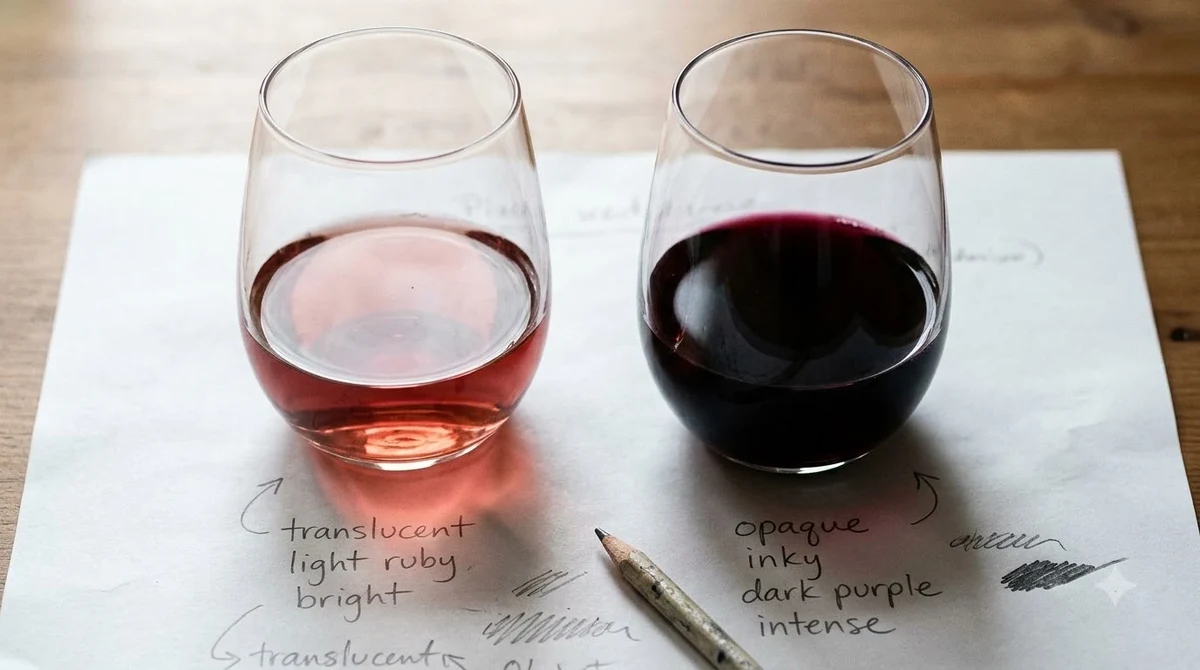
Serve Vouvray cold, but not so cold that the aromas disappear. Wine Folly recommends serving most Chenin Blanc styles between 45 and 55 degrees Fahrenheit, which is a good range for dry, sparkling, and sweet wines alike. Use a standard white wine glass so the aromas can open up, and pour a moderate amount to let the wine warm slightly as you drink it.
Sparkling Vouvray is often served as an aperitif. Pour it into a flute or a tulip-shaped glass and enjoy it with salty snacks or light appetizers. Sweet styles work well at the end of a meal, especially with fruit tarts, but a smaller pour is usually enough because the sugar is concentrated.
Tip: Open a dry Vouvray about thirty minutes before dinner. The wine opens up as it warms, and the mineral notes become easier to pick out.
Food Pairing
Vouvray’s acidity makes it flexible at the table. Wine Folly suggests pairing Chenin Blanc with sweet-and-sour dishes, such as pork belly with apples, because the acidity cuts through the richness. Oaked versions can stand in for Chardonnay with roast chicken or turkey, where their texture and body feel at home.
Dry Vouvray suits seafood, creamy sauces, and soft cheeses. Off-dry styles pair with spicy Asian dishes, mild curries, and roast pork. Sweet Vouvray is a natural match for fruit desserts and blue cheese, while a sparkling bottle works well with fried snacks and salted nuts.
Aging and Cellaring
Vouvray can age far longer than many whites. Wikipedia notes that the high acidity of Chenin Blanc gives strong aging potential in favorable vintages. Sweet moelleux styles can age for decades, and some last about a century. Dry sec wines from good vintages can age for 15 to 20 years or more, although many are ready within four to five years.
Sparkling Vouvray is a different case. It is usually meant to be drunk within about three years of the vintage. If you plan to keep a bottle, check the producer’s guidance and store it somewhere cool, dark, and steady.
How to Choose a Bottle
Start with the sweetness term on the label. Sec means dry, demi-sec means off-dry, moelleux means sweet, and doux means very sweet. If you are new to the region, a dry bottle from a recent vintage is an easy way to learn the Chenin Blanc character. Pair it with a light dinner to see how the acidity works.
Look at the vintage too, since the weather shapes the style. A warm year may give you a richer dry wine or a sweet bottle with more honey and dried fruit, while a cool year may give a leaner, more mineral wine. Reading a few tasting notes from reliable critics can help you match a bottle to your taste.
Frequently Asked Questions
What grape is Vouvray made from?
Vouvray is made almost entirely from Chenin Blanc. Arbois is allowed in the appellation but is rarely used, so the label almost always points to Chenin Blanc.
Is Vouvray always sweet?
No. Vouvray can be dry, off-dry, sparkling, or sweet. Look for the terms sec, demi-sec, moelleux, or doux on the label to understand the sweetness before you buy.
How long can Vouvray age?
It depends on the style. Sweet moelleux wines can age for decades, while dry sec wines from good vintages can last 15 to 20 years. Sparkling Vouvray is usually best within about three years of the vintage.
What temperature should I serve Vouvray at?
Wine Folly recommends serving Chenin Blanc styles between 45 and 55 degrees Fahrenheit. Serve it in a white wine glass, and let it warm slightly as you drink.
Vouvray rewards curiosity. Taste a dry bottle and a sweet one from the same producer, and you will see how one grape can cover a wide range of styles. For more regional comparisons, see our calistoga vineyards guide or the Wine Regions hub.
More in Wine Regions
 Willcox Wine Trail: Discover Arizona’s High-Elevation Wine CountryUpdated Nov 20, 2026
 Yakima Valley Wine Region: Find the Best Styles to TryUpdated Nov 20, 2026
 Vosne Romanee Wine Tasting: Identify Aromas and Choose Better PairingsUpdated Nov 20, 2026
 Yakima Valley Wine Festival: Find the Best Seasonal Wine EventsUpdated Nov 20, 2026
 Wales Vineyards: Discover Cool-Climate Wines and Where to VisitUpdated Nov 20, 2026
 Yountville Wine Festival: Discover Napa Wines and Local FoodUpdated Nov 20, 2026