

We may earn a commission when you buy through links on this page, at no extra cost to you. Learn more.
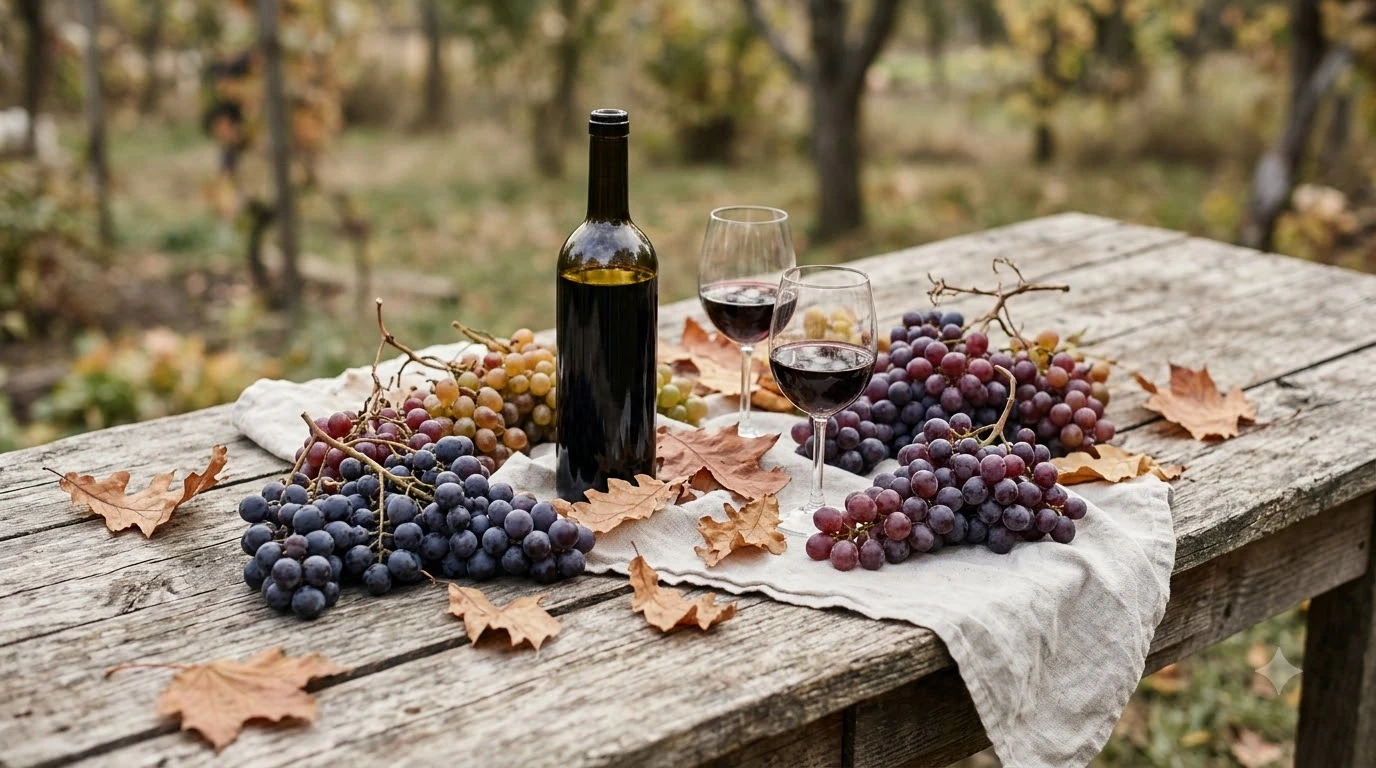
Suisun Valley wine comes from a small, family-farmed American Viticultural Area in western Solano County, California, sitting just southeast of Napa Valley inside the larger North Coast AVA. Spanning roughly eight miles long and three miles wide, the appellation is best known for rich, supple Petite Sirah alongside Cabernet Sauvignon, Zinfandel, and aromatic Mediterranean whites. Cool breezes funneling inland from Suisun Bay and San Pablo Bay moderate the warm Mediterranean climate, giving the wines ripe dark fruit balanced by natural acidity.
Pronounced “suh-SOON” and named after the indigenous Patwin-speaking Suisun people—whose name translates to “where the west winds blow”—this agricultural valley has grown wine grapes since the mid-1800s. For decades, local growers quietly sold the bulk of their harvest to top-tier wineries in neighboring Napa and Sonoma counties, keeping the region’s own label off retail shelves. Today, a new generation of estate producers and high-profile arrivals have put Suisun Valley squarely on the map for wine lovers looking beyond California’s more crowded wine regions.
Overview of the Suisun Valley AVA
Approved by the federal government in December 1982—just one year after Napa Valley received its designation—Suisun Valley became the 14th AVA in California and the 21st in the nation. The entire appellation covers approximately 15,000 acres, with around 3,000 acres planted to more than twenty distinct grape varieties interspersed among walnut orchards, stone fruit groves, and olive trees.

Geography dictates nearly everything about how the grapes ripen here. Bounded by the Vaca Mountains to the east and the Howell Mountains and Twin Sisters peaks to the west, the valley opens directly toward Suisun Bay and the San Francisco Bay complex on its southern edge. Unlike neighboring coastal valleys that get blanketed in heavy marine fog, Suisun Valley rarely sees dense mist; instead, steady afternoon winds sweep off the bay to cool the vines after warm, sun-drenched days. According to the Suisun Valley Vintners & Growers Association, this marine influence reduces spring frost risk on the southern floor while creating a noticeable temperature drop between upper and lower valley vineyards.
Soil diversity further expands what local farmers can plant. The valley floor is composed of four primary alluvial soil types—Brentwood clay loam, Rincon clay loam, San Ysidro sandy loam, and Sycamore silty loam—which retain moisture well through dry California summers. Beginning in 2015, growers also started planting western hillside blocks on volcanic rock linked to the Mt. George Range, adding lean, mineral-driven sites to the valley’s agricultural mix.
Sub-Regions and Microclimates
While Suisun Valley is too compact to contain official nested sub-AVAs, local growers divide the eight-mile corridor into distinct microclimatic zones based on elevation and bay proximity. Moving from the marshy southern flats up toward the northern border with Napa County reveals clear shifts in daytime heat, wind exposure, and soil drainage.
The southern end of the valley sits closest to Suisun Bay, where constant maritime breezes keep afternoon highs noticeably lower and protect early-budding vines from late spring frosts. Vineyards along Mankas Corner and the lower valley floor benefit from deep clay and silty loams that support steady, even ripening. White varieties and lighter reds thrive in these cooler pockets because the bay air preserves crisp natural acidity right up until harvest.
Further north toward Gordon Valley and the Wooden Valley corridor, the marine wind softens and daytime temperatures climb several degrees higher, creating an average 14-degree daytime temperature differential between the upper and lower valley floors. Paired with the newer volcanic hillside plantings along the western foothills, these warmer northern stretches allow thick-skinned red grapes to develop deep color, concentrated tannins, and full phenolic ripeness without losing freshness overnight.
Key Grapes and Wine Styles
Petite Sirah is the undisputed flagship grape of Suisun Valley, earning the region an informal reputation as a premier California hub for the variety. Reviewers at Wine Enthusiast and local winemakers alike note that Suisun Valley Petite Sirah often shows a softer, more plush tannin profile than versions grown in hotter inland districts, combining inky blackberry and plum fruit with cocoa, baking spice, and dried herb notes.
Beyond Petite Sirah, the appellation’s varied soils and microclimates support an unusually broad spectrum of red and white bottlings. Cabernet Sauvignon, Zinfandel, Merlot, and Syrah anchor the red lineup, frequently showing lush dark fruit and moderate-to-full body, though a growing wave of producers is harvesting earlier to keep alcohol levels balanced and lively. Italian and Rhône varieties—including Barbera, Sangiovese, Aglianico, Grenache, and Charbono—also perform remarkably well on the valley’s warm loams.
On the white and rosé side, Sauvignon Blanc, Chardonnay, Pinot Grigio, and Riesling lead production, joined by aromatic standouts like Malvasia Bianca, Viognier, Chenin Blanc, and Verdelho. Winemakers often vinify these whites in stainless steel or neutral oak to highlight bright citrus, honeysuckle, and stone fruit aromatics, making them crisp counterparts to the region’s powerful reds.
| Grape Variety | Typical Suisun Valley Style | Core Flavor Notes | Ideal Serving Temp |
|---|---|---|---|
| Petite Sirah (Durif) | Full-bodied, plush, age-worthy red | Blackberry, ripe plum, cocoa, black pepper, baking spice | 60–65°F (15–18°C) |
| Cabernet Sauvignon | Rich yet balanced structured red | Black cherry, cassis, dried herbs, cedar, tobacco leaf | 60–65°F (15–18°C) |
| Zinfandel | Juicy, spicy, medium-to-full red | Bramble berry, raspberry preserves, licorice, vanilla | 60–65°F (15–18°C) |
| Sauvignon Blanc | Crisp, zesty, unoaked white | Lime blossom, green apple, grapefruit, fresh herbs | 45–50°F (7–10°C) |
| Malvasia Bianca | Aromatic, dry to off-dry white | Honeysuckle, orange peel, honeydew melon, marjoram | 45–50°F (7–10°C) |
Notable Producers to Know
For much of the twentieth century, Suisun Valley operated almost exclusively as a grower’s valley, with multi-generational farming families shipping fruit across the ridge to Napa Valley—much like the grape-growing heritage found in Knights Valley wine country to the northwest. Today, roughly a dozen estate wineries and collaborative tasting rooms bottle under the Suisun Valley AVA designation.
Wooden Valley Winery stands as the oldest continuously operating winery in the appellation, run by the Lanza family since the mid-twentieth century. Chick Lanza played a central role in petitioning for the AVA’s creation in 1982, and the estate continues to produce benchmark Petite Sirah, Cabernet Sauvignon, Merlot, and crisp whites from its family-farmed acreage. Nearby, Mangels Vineyards traces its roots back to 1876, when German immigrant Louis Mangels planted some of the valley’s earliest grapevines; descendants still farm the historic property and produce small-lot Petite Sirah and Pinot Grigio.
Newer arrivals and second-generation labels have brought national attention to the valley’s fruit. Napa’s Wagner family established Caymus-Suisun after recognizing the region’s potential for Petite Sirah, producing flagship bottlings like Grand Durif alongside Zinfandel-Petite Sirah blends. Meanwhile, boutique family estates such as Vezér Family Vineyard, Tenbrink Family Vineyards, Tolenas Vineyards and Winery, Suisun Creek Winery, and BackRoad Vines focus on small-batch, estate-grown reds, rosés, and creative white bottlings like white Pinot Noir.
Visiting Tips for Wine Travelers
Located roughly 45 minutes northeast of San Francisco and about 30 minutes southeast of downtown Napa along Interstate 80, Suisun Valley offers a relaxed, agricultural alternative to high-traffic tasting corridors. Rather than grand châteaux and mandatory concierge schedules, visitors find rustic barns, shaded picnic tables, and tasting rooms where the winemaker or vineyard owner frequently pours behind the bar.
Most tasting rooms cluster along Suisun Valley Road and Mankas Corner Road, making it easy to visit three or four estates in a single afternoon without long drives. While several properties welcome walk-in guests on weekends, smaller family-run wineries—including Tenbrink Family Vineyards and Tolenas—operate by appointment or keep limited Thursday-through-Sunday hours, so checking schedules a few days ahead is always smart.
Tip: Start your route at the Suisun Valley Filling Station on Mankas Corner Road, a retro service-station tasting room that pours a rotating flight from several small local producers under one roof so you can narrow down which estate vineyards to visit next.
Beyond wine tasting, the valley rewards travelers who slow down for its broader farm-to-table culture. You can sample estate-milled olive oils and wood-fired lunches at Il Fiorello Olive Oil Company, pick up seasonal stone fruit and roasted nuts at local farm stands like Larry’s Produce, or hike the oak-studded trails at neighboring Rockville Hills Regional Park—a laid-back pace reminiscent of a weekend along the Hudson Valley wine trail.
How to Buy and Enjoy Suisun Valley Wine
Because total vineyard acreage is modest and many family wineries sell the majority of their production directly through their tasting rooms and wine clubs, finding Suisun Valley wine outside California takes a little strategy. Large national retailers routinely stock widely distributed bottles like Caymus-Suisun’s Petite Sirah and red blends, while specialty wine shops occasionally carry small-production labels from natural-leaning North Coast vintners—such as Onward Wines, Jolie-Laide, and Forlorn Hope—that source single-vineyard Malvasia Bianca, Pinot Gris, and Valdiguié from local ranches.
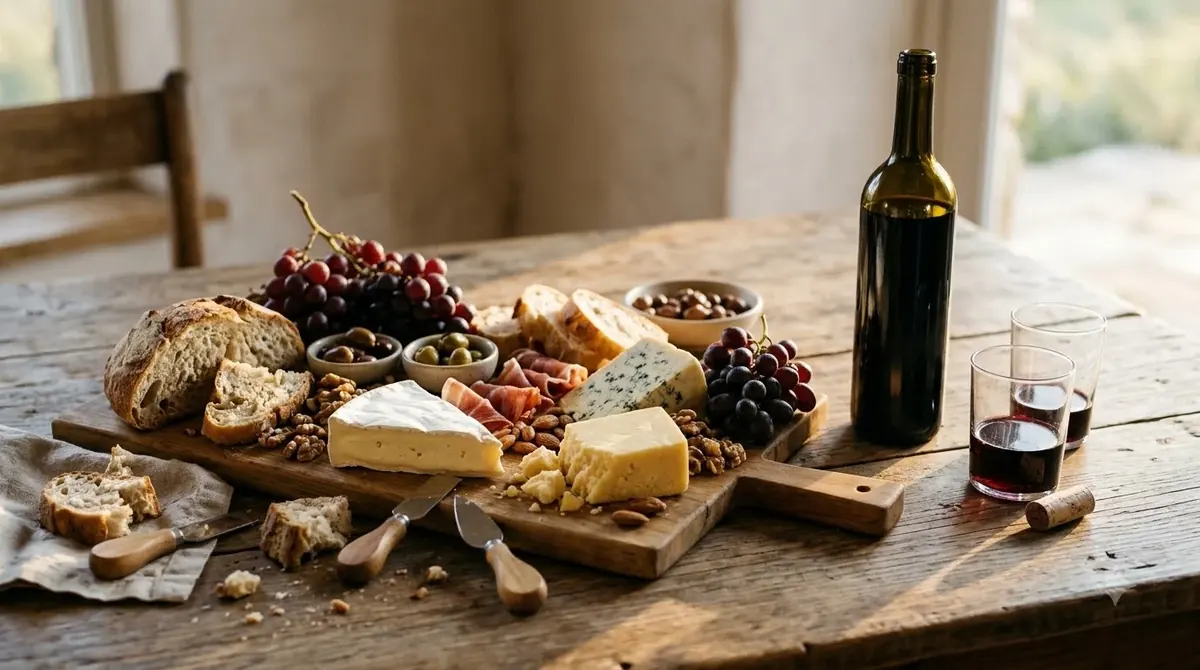
If you want to explore single-vineyard Petite Sirah, estate Zinfandel, or small-batch Italian varietals from historic Suisun growers, ordering directly from winery websites or joining a seasonal allocation club is the most reliable route. When serving these wines at home, give young Petite Sirah or hillside Cabernet Sauvignon 30 to 45 minutes in a decanter to open up their dark berry and spice layers, and pair them with smoky barbecue brisket, braised short ribs, herb-crusted lamb, or aged cheddar. Chilled bottles of Suisun Valley Sauvignon Blanc or Malvasia Bianca shine alongside fresh goat cheese, grilled fish tacos, and roasted poultry, offering a compelling contrast to high-altitude South American bottlings like Uco Valley wine.
Frequently Asked Questions
How do you pronounce Suisun Valley?
Suisun is pronounced “suh-SOON,” with the emphasis on the second syllable. The name comes from the indigenous Suisun people, a Patwin-speaking Native American group whose name translates to “where the west winds blow.”
Where is Suisun Valley located in relation to Napa Valley?
Suisun Valley sits directly southeast of Napa Valley in western Solano County, separated from Napa by the southern ridge of the Vaca Mountains. It is about a 30-minute drive from downtown Napa and roughly 45 minutes northeast of San Francisco.
What grape is Suisun Valley most famous for?
Petite Sirah (also known as Durif) is Suisun Valley’s signature grape variety. Thanks to warm, sunny days cooled by steady bay breezes, the region produces full-bodied Petite Sirah with plush, approachable tannins and concentrated blackberry, plum, and spice flavors.
Is Suisun Valley part of the North Coast AVA?
Yes, Suisun Valley was incorporated into the multi-county North Coast AVA in 1983, alongside renowned regions like Napa Valley, Sonoma County, and Mendocino. Winemakers can blend Suisun Valley grapes with fruit from neighboring North Coast counties under the broader regional appellation.
Whether you are uncorking a velvety bottle of Petite Sirah at the dinner table or planning an unhurried afternoon drive along Mankas Corner Road, Suisun Valley wine delivers genuine North Coast pedigree without the pretense. As more family growers bottle their own harvests and craft-focused winemakers seek out its bay-cooled vineyards, this quiet Solano County appellation continues to reward curious wine drinkers.
More in Wine Regions
 Willcox Wine Trail: Discover Arizona’s High-Elevation Wine CountryUpdated Nov 20, 2026
 Yakima Valley Wine Region: Find the Best Styles to TryUpdated Nov 20, 2026
 Vosne Romanee Wine Tasting: Identify Aromas and Choose Better PairingsUpdated Nov 20, 2026
 Yakima Valley Wine Festival: Find the Best Seasonal Wine EventsUpdated Nov 20, 2026
 Wales Vineyards: Discover Cool-Climate Wines and Where to VisitUpdated Nov 20, 2026
 Yountville Wine Festival: Discover Napa Wines and Local FoodUpdated Nov 20, 2026