

We may earn a commission when you buy through links on this page, at no extra cost to you. Learn more.
Pairing white wine with pizza works remarkably well when you match the bottle’s acidity, body, and aromatics to the sauce and toppings rather than defaulting to red. Crisp, unoaked whites like Sauvignon Blanc, Pinot Grigio, and Vermentino slice right through melted mozzarella and olive oil, while fuller whites like Chardonnay or Fiano di Avellino complement creamy white pies and earthy mushrooms. Even classic tomato-sauce pies shine alongside high-acid sparkling whites or off-dry Riesling when salty cured meats or sweet pineapple enter the picture.
Most pizza nights automatically trigger a reach for Chianti or Barbera, yet leaving white bottles on the rack misses some of the most refreshing combinations at the table. Because pizza balances rich cheese, salty toppings, charred crust, and tangy sauce, chilled white and sparkling bottles bring palate-cleansing acidity that heavy reds simply cannot replicate. Understanding how sauce, cheese, and toppings interact with different Wine by Type makes choosing the right white bottle effortless for any slice.
Why White Wine Works With Pizza
White wine succeeds with pizza because vibrant natural acidity cuts through melted dairy fat while cold serving temperatures refresh the palate between hot, salty bites. Unlike tannic reds that can clash with salty cheeses or spicy cured meats, white wines rely on crisp fruit, minerality, and mouthwatering tartness to keep every slice tasting bright.
Food pairing comes down to structure rather than color, and pizza is fundamentally a study in rich fats and sharp accents. Melted mozzarella, provolone, ricotta, and olive oil coat the tongue with lipids, which quickly cause palate fatigue if paired with a flat or overly heavy drink. High-acid white wines act like a squeeze of fresh lemon over rich food, resetting your taste buds after every bite and keeping the flavors of the crust and herbs distinct.
Beyond acidity, white wines lack the astringent grape-skin tannins found in bold red wines. Tannins bind to proteins and amplify both saltiness and chili heat, which explains why a big Cabernet Sauvignon can taste harsh or metallic next to salty pecorino, anchovies, or red pepper flakes. Switching to a crisp white removes that friction completely, allowing delicate toppings like fresh basil, zucchini blossoms, and roasted garlic to take center stage.
As Wine Folly’s guide to pairing wine with pizza explains, the sauce and dominant toppings dictate the ideal bottle far more than the crust alone. Once you separate red-sauce pies from olive-oil, cream, and pesto bases, a wide range of Italian, French, and New World whites become natural companions for pizza night.
Best White Wines by Pizza Style
The smartest way to pair white wine with pizza is to match the weight and flavor profile of the bottle to the base sauce and primary toppings on your pie. Light, herbaceous pies call for zesty, unoaked whites, whereas rich four-cheese or truffle pizzas demand rounder, fuller-bodied bottles.
When ordering or baking a classic white pizza built on ricotta, mozzarella, garlic, and olive oil without tomato sauce, oak-aged or lees-aged whites shine. Reviewers at Wine Folly point to Chardonnay for its affinity with cream and fresh green herbs like tarragon, as well as Fiano di Avellino from southern Italy, whose smoky, piney aromatics and balanced acidity complement rosemary and olive oil on a traditional pizza bianca. If the white pie leans heavily into pungent blue cheese like Gorgonzola, a lightly oaked Chardonnay with lively acidity balances the funky richness without getting overwhelmed.
Tomato-sauce pizzas require white wines with enough zing to stand alongside cooked tomatoes without tasting thin or sour. A traditional Margherita topped with bright tomato sauce, fresh mozzarella, and basil pairs cleanly with northern Italian Pinot Grigio from Alto Adige or Friuli-Venezia Giulia, or a mineral-driven Soave Classico. For vegetable-heavy pies loaded with arugula, spinach, bell peppers, or tart vinaigrette, zesty Sauvignon Blanc, Spanish Verdejo, or Austrian Grüner Veltliner mirror those green, herbal notes effortlessly.
Sweet, salty, and spicy combinations benefit from a touch of residual sugar or brisk coastal salinity. Hawaiian pizza topped with Canadian bacon and pineapple pairs surprisingly well with an off-dry Riesling, where natural tartness cleanses the palate and subtle sweetness harmonizes with the fruit and cured ham. Meanwhile, coastal clam pizza with garlic, parsley, and pecorino calls for a saline, textured white like Sicilian Etna Bianco Superiore, which echoes the briny seafood while cutting through the melted cheese.
White Wine and Pizza Pairing Chart
Use this quick-reference pairing chart to match popular pizza styles with their ideal white wine counterparts and understand the structural reason each combination works. Keeping these core pairings handy makes shopping for mixed pizza orders simple.
| Pizza Style | Recommended White Wines | Key Flavor & Structural Match |
|---|---|---|
| White Pizza (Bianca) | Chardonnay, Fiano di Avellino, Vermentino | Medium-to-full body and subtle herbal or nutty notes complement ricotta, olive oil, and garlic. |
| Margherita & Classic Cheese | Pinot Grigio (Alto Adige), Soave Classico, Dry Prosecco | Crisp citrus acidity matches tangy tomato sauce while keeping fresh mozzarella and basil bright. |
| Veggie & Arugula Salad Pizza | Sauvignon Blanc, Grüner Veltliner, Verdejo | Zesty green-herb aromatics and high tartness echo leafy greens, peppers, and vinaigrette. |
| Hawaiian (Ham & Pineapple) | Off-Dry Riesling, Vouvray | Vibrant acidity slices through salty pork while a touch of sweetness balances pineapple. |
| White Clam & Seafood | Etna Bianco, Muscadet, Albariño | Coastal salinity and stony minerality highlight briny shellfish and roasted garlic. |
| Four-Cheese & Truffle | White Burgundy, Aged Rioja Blanco | Round texture and savory complexity match intense aged cheeses and earthy mushrooms. |
Notice how the progression moves from lean, high-acid bottles for tomato and vegetable pies toward rounder, more textured wines for dairy-heavy and umami-rich toppings. If your table is sharing two or three different pies at once, sparkling white wine like Brut Champagne, Cava, or Franciacorta bridges every style on the table thanks to its carbonation and versatile acidity.
If half of your group still insists on red wine for meat-heavy slices, you can easily set out a light, chilled red alongside your white bottles without complicating the meal. Checking details like pinot noir carbs or offering a crowd-pleasing pitcher of pinot noir sangria ensures both red and white drinkers have refreshing options suited to casual slices.
What Top Pizzaiolos Pour With Pizza
Working pizzaiolos and restaurant beverage directors increasingly favor white and sparkling wines over heavy reds because crisp acidity keeps diners comfortable through multiple slices. According to VinePair’s interviews with star pizzaiolos, industry professionals routinely reach for white Burgundy, Krug Grande Cuvée Champagne, and indigenous Italian whites like Biancolella from Lazio.
At high-end wood-fired pizzerias, blistered sourdough crusts carry subtle smokiness and fermented tang that pair naturally with complex white wines. Beverage directors featured by Wine Enthusiast highlight textured Friulian Chardonnay alongside rich Gorgonzola pizzas, noting that unexpected underlying acidity prevents creamy cheeses from feeling heavy. Similarly, coastal Italian whites grown on volcanic soils—such as Biancolella and Carricante—bring savory minerality that mirrors wood-fired char.
Sparkling white wine holds a special place in professional pizza kitchens from Naples to New York. Traditional-method sparklers aged on lees develop brioche and toasted-nut notes that echo baked pizza dough, while fine bubbles physically scrub melted fat from the tongue between bites. Even casual takeout pies feel balanced when paired with a dry, chilled sparkler rather than an overly oaky or high-alcohol red.
Serving Temperature and Glassware Tips
Serving white wine at the right temperature ensures you taste its crisp fruit and herbal aromatics rather than muted coldness or warm alcohol. According to Wine Folly’s serving temperature guidelines, light-bodied whites and sparkling wines taste best between 38 and 45 degrees Fahrenheit, while fuller-bodied whites like oaked Chardonnay shine between 44 and 55 degrees Fahrenheit.
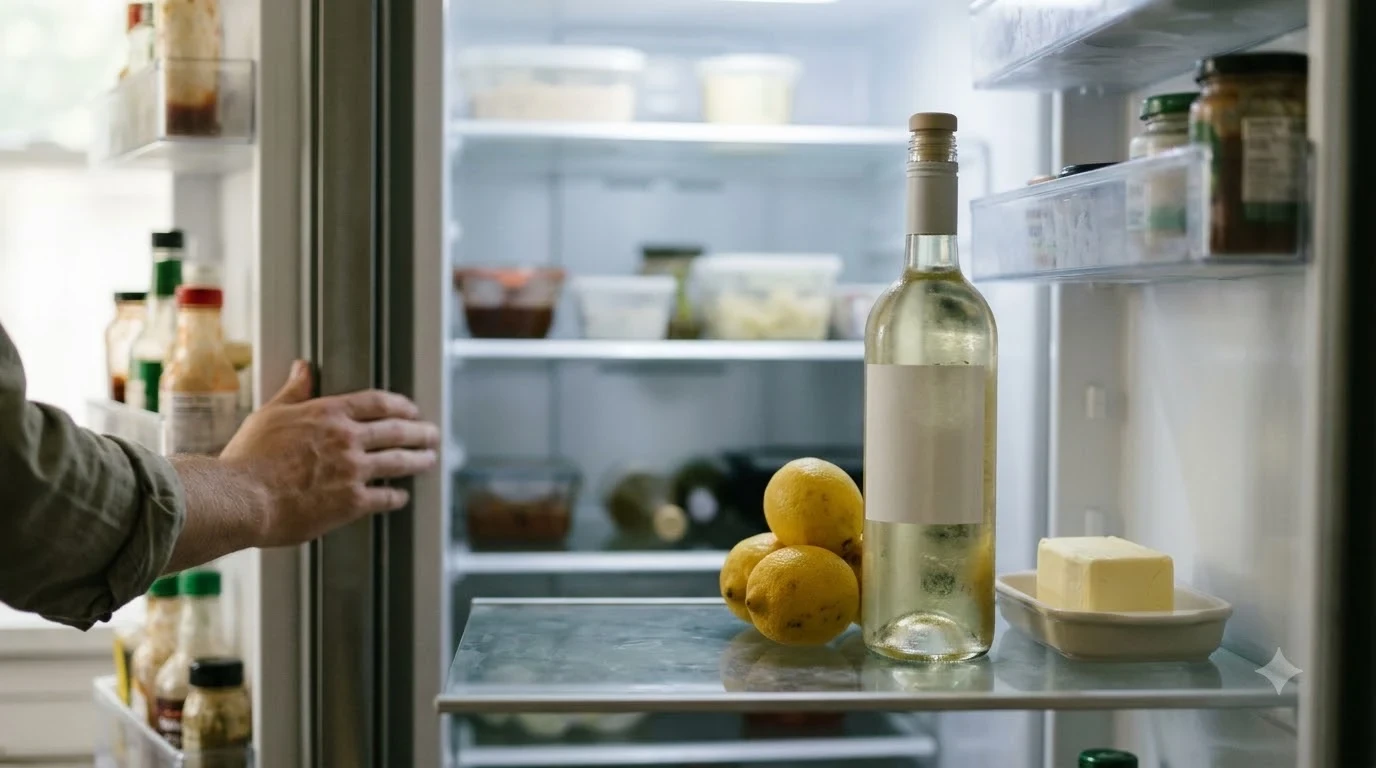
Standard kitchen refrigerators sit around 35 to 38 degrees Fahrenheit, which is ideal for Prosecco, Cava, and zesty Pinot Grigio straight off the shelf. However, richer whites like White Burgundy, Fiano di Avellino, or barrel-fermented Chardonnay lose much of their aromatic complexity if poured ice-cold. Taking a full-bodied white bottle out of the refrigerator 15 to 20 minutes before the pizza arrives lets the wine warm slightly into its expressive sweet spot.
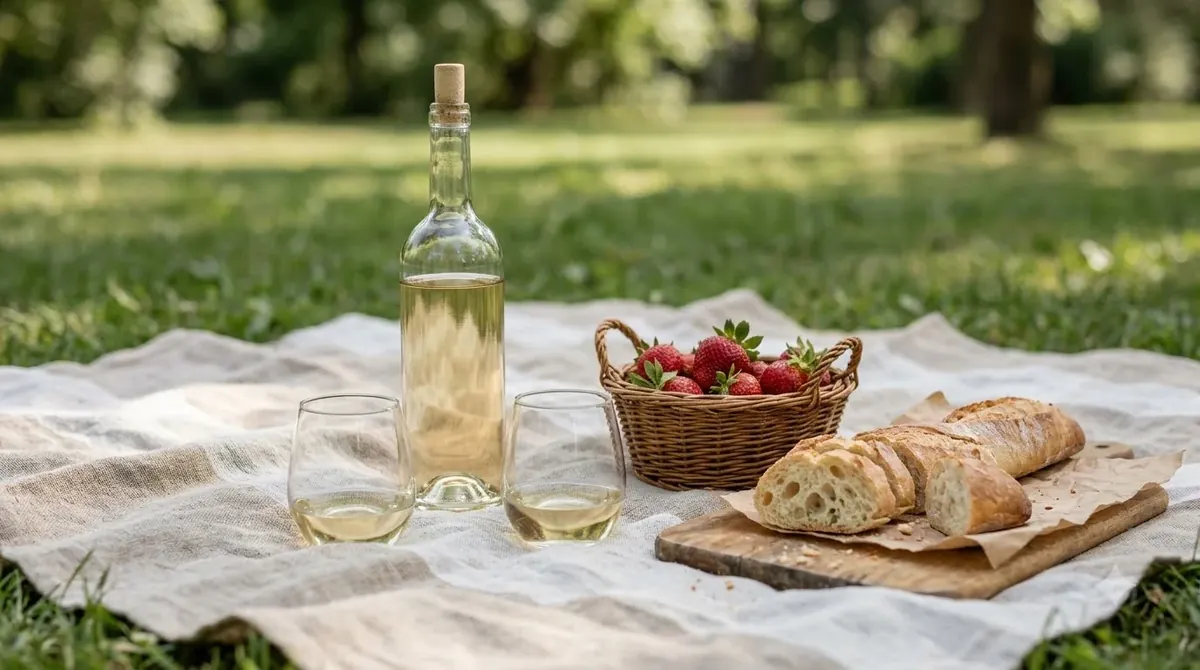
Glassware does not need to be formal for pizza night, though a standard all-purpose white wine bowl works far better than wide tumblers. A tulip-shaped bowl concentrates delicate citrus, blossom, and mineral aromas while directing the wine toward the center of the palate where acidity feels liveliest. If you are eating outdoors or hosting a casual party, stemless wine glasses stay stable on crowded tables while still preserving aroma better than plastic cups.
Tip: Chill a room-temperature white wine in 15 to 20 minutes by submerging the bottle in a bucket filled with equal parts ice and cold water rather than putting it in the freezer.
Common Mistakes When Pairing White Wine With Pizza
Even flexible white wines can fall flat next to pizza if the bottle is overly oaky, too sweet for savory red sauce, or served at the wrong temperature. Avoiding a few predictable mismatches keeps both your food and your wine tasting sharp from the first slice to the last.
The most frequent misstep is pairing heavily oaked, buttery New World Chardonnay with acidic red-sauce pizza. Aggressive vanilla and toast flavors from new oak barrels clash awkwardly with cooked tomatoes and oregano, creating a bitter or disjointed aftertaste. Save rich, oaky whites for cream-based white pizzas, smoked cheeses, or roasted chicken toppings, and stick to stainless-steel-fermented whites whenever tomato sauce is on the pie.
Another common error is choosing an overly sweet white wine for savory meat or classic cheese pies. While off-dry Riesling works wonders with salty ham and pineapple, a sweet Moscato or dessert-style white will taste cloying next to garlic, pepperoni, and marinara. If you enjoy sweeter wines after dinner, keep them for dessert rather than the main course—much like you would save sweet recioto wine for chocolate or biscotti rather than savory entrees.
Frequently Asked Questions
Can you drink white wine with red-sauce pizza?
Yes, white wine pairs very well with tomato-sauce pizza as long as the wine has high natural acidity and little to no oak aging. Crisp bottles like northern Italian Pinot Grigio, Soave Classico, Vermentino, and dry sparkling wines match the tang of cooked tomatoes without clashing with herbs or cheese.
What is the single best white wine for white pizza?
Unoaked or lightly oaked Chardonnay and Fiano di Avellino are two of the strongest matches for traditional white pizza made with ricotta, mozzarella, garlic, and olive oil. Both wines offer enough mid-palate weight to stand up to creamy dairy while retaining fresh acidity and subtle herbal notes.
Is sparkling white wine good with pizza?
Sparkling white wine—including Champagne, Prosecco, Cava, and Franciacorta—is one of the most versatile pizza pairings available. High acidity cuts through rich tomato sauce and melted cheese, while carbonation cleanses the palate between salty, greasy bites.
Should you chill white wine differently depending on the pizza?
Light, crisp whites and sparkling wines served with Margherita or veggie pies taste best ice-cold between 38 and 45 degrees Fahrenheit. Fuller-bodied whites paired with four-cheese, mushroom, or white pizzas show more aroma and texture when served slightly warmer between 44 and 55 degrees Fahrenheit.
Choosing white wine with pizza opens up a brighter, more refreshing way to enjoy everything from a quick weeknight slice to a wood-fired pie loaded with artisanal toppings. Focus on matching crisp acidity to tomato sauce and richer textures to creamy cheeses, and you will never feel limited to red wine on pizza night again.
More in Wine Types & Grapes
 Zinfandel Sugar Content: Dry Red vs. White Zinfandel GramsUpdated Nov 21, 2026
 Best Zinfandel Substitute Options for Sipping and CookingUpdated Nov 21, 2026
 Zweigelt Food Pairing: Best Dishes, Cheeses, and Serving TipsUpdated Nov 21, 2026
 Zinfandel Tannins Explained: How Structure Shapes Every BottleUpdated Nov 21, 2026
 Zinfandel Sweetness Level: Dry Red vs. Sweet White Zin ExplainedUpdated Nov 21, 2026
 Xinomavro Food Pairing: Best Dishes, Styles, and Serving TipsUpdated Nov 21, 2026