

We may earn a commission when you buy through links on this page, at no extra cost to you. Learn more.
If you are wondering what is soave, it is a dry, crisp Italian white wine from the Veneto region east of Verona, made primarily from the Garganega grape. Pronounced “swah-veh,” this historic wine ranges from bright, citrus-driven stainless-steel bottles to richer, age-worthy single-vineyard releases grown on volcanic hillsides. Most dry bottlings fall between 11.5 and 13.5 percent ABV and pair easily with seafood, risotto, and fresh herbs.
For decades, Soave suffered from an image problem in the United States after mass-produced valley-floor bottles flooded American shelves in the 1970s and 1980s. Today, hillside growers and family estates have reclaimed the appellation’s reputation, turning out expressive whites that rival top bottles from Burgundy and the Loire Valley while remaining remarkably food-friendly.
What it is
Soave is a protected Italian wine appellation in northeastern Italy’s Veneto region rather than the name of a grape variety. Under official production rules, every bottle must contain at least 70 percent Garganega, one of Italy’s oldest native white grapes.
The remaining up to 30 percent of the blend can include Trebbiano di Soave—a local grape prized for its floral lift and bright malic acidity—or Chardonnay in standard DOC bottlings, with a maximum of 5 percent permitted from other non-aromatic white varieties grown in the province of Verona. According to the Consorzio Tutela Vini Soave, Garganega has been cultivated in these hills for at least a millennium and develops loose bunches that resist rot and ripen late into October.
While the overwhelming majority of Soave is dry and still, the region also produces sparkling spumante versions and a famous sweet passito wine called recioto wine (officially Recioto di Soave DOCG). In 1998, Recioto di Soave actually became the very first wine in the entire Veneto region to earn Italy’s highest DOCG quality classification, preceding both Amarone and dry Soave Superiore.
When exploring different Wine by Type, Soave sits squarely in the light-to-medium-bodied dry white category alongside Pinot Grigio, Chablis, and Albariño. Unlike neutral Pinot Grigio, however, hillside Garganega brings an unmistakable savory, mineral edge and a subtle bitter-almond finish that gives the wine structure at the dinner table.
Flavor and styles
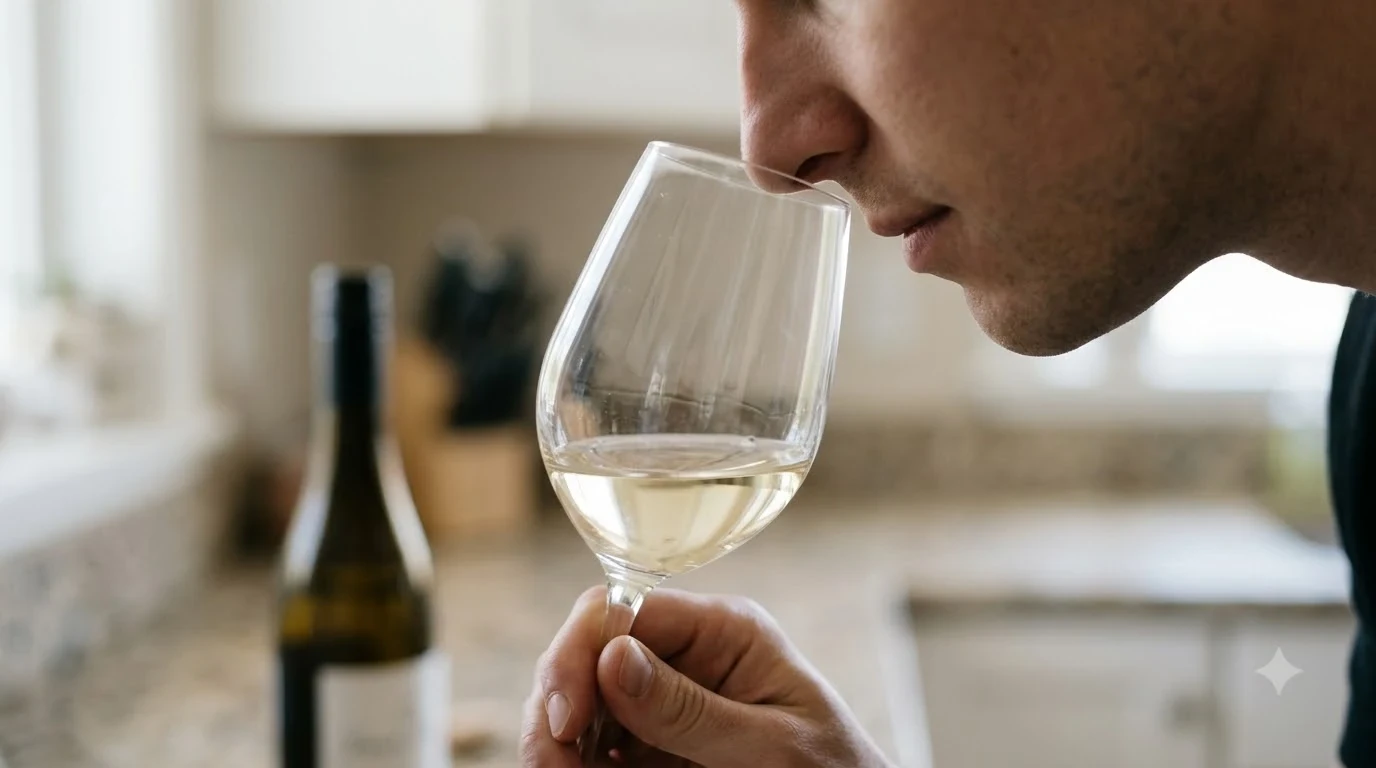
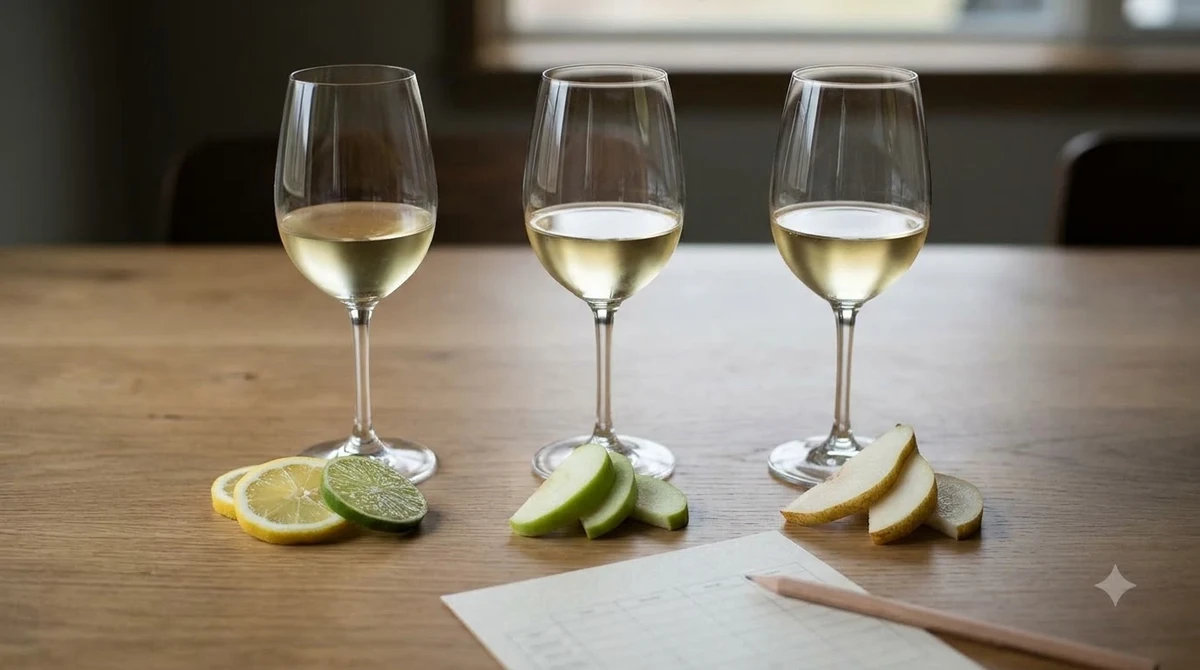
Classic Soave is defined by orchard fruit, citrus zest, white blossoms, and a distinct saline minerality that lingers on the finish. Depending on where the grapes grow and how the winemaker ages the wine, the style shifts from brisk and featherlight to textured and honeyed.
According to Wine Folly, the hallmark tasting notes of Soave include white peach, honeydew melon, tangerine or orange zest, sweet marjoram, and a subtle touch of sea salt. On the palate, fresh bottlings feel crisp and energetic, carried by mouthwatering acidity and a clean, dry finish with no heavy oak masking the fruit.
Winemaking choices divide Soave into two main stylistic camps. Entry-level and hillside Classico wines fermented and rested in stainless steel emphasize pure citrus, green apple, jasmine, and wet stone. By contrast, producers crafting top-tier Soave Classico or Soave Superiore DOCG often ferment or age the wine in large neutral oak casks or spend extended time on the lees, yielding deeper flavors of baked pear, chamomile, toasted hazelnut, and beeswax.
Ageability is one of Soave’s biggest surprises for newcomers. While basic valley-floor bottles are meant to be drunk within one to three years of the vintage, reviewers at Wine Enthusiast and top hillside winemakers note that serious single-vineyard Soave Classico can evolve gracefully for 10 to 15 years, developing complex petrol, honey, and dried apricot notes.
| Appellation / Style | Minimum Garganega | Typical Body & Aging | Key Flavor Notes |
|---|---|---|---|
| Soave DOC | 70% | Light-bodied; stainless steel, drink young (1–3 years) | Lemon, green apple, honeydew melon, white flowers |
| Soave Classico DOC | 70% | Light-to-medium; steel or neutral cask, ages 3–10+ years | White peach, orange zest, marjoram, crushed rock, almond |
| Soave Superiore DOCG | 70% | Medium-to-full; lower yields, lees/oak aging, ages 5–15 years | Baked apple, apricot, chamomile, toasted hazelnut, honey |
| Recioto di Soave DOCG | 70% | Sweet passito; air-dried grapes, lush with bright acidity | Candied orange peel, dried fig, acacia honey, sweet almond |
Where it grows
Soave is produced just east of the historic city of Verona in northern Italy, situated between Lake Garda to the west and Venice to the east. The growing zone spans roughly 6,500 to 7,000 hectares across rolling hills and alluvial plains, farmed by nearly 3,000 small vine growers.
The heart of quality production lies in the Soave Classico zone, first delimited by ministerial decree in 1931 around the medieval walled town of Soave and the neighboring village of Monteforte d’Alpone. Here, steep hillside vineyards sit on ancient volcanic basalt and tuff soils formed tens of millions of years ago, interspersed with pockets of limestone and clay.
That geology shapes the wine directly in the glass. Volcanic basalt soils tend to produce broader, more structured whites with smoky, salty tension, while limestone-rich outcrops yield finer, more aromatic wines accented by lemon peel and delicate herbs. Cool breezes descending from the nearby Alpine foothills create wide day-to-night temperature swings, locking in natural acidity during warm Mediterranean summers.
In 2019, the appellation introduced 33 official Unità Geografiche Aggiuntive (UGAs), essentially a cru system highlighting distinct hillside sub-zones and historic vineyards. In recognition of its centuries-old hillside viticulture and traditional pergola veronese vine training, the Food and Agriculture Organization of the United Nations also designated Soave’s vineyards as a Globally Important Agricultural Heritage System.
How to serve
Serving Soave at the proper temperature brings out its delicate floral aromatics and crisp mineral backbone without numbing the palate. Aim for a chill between 45 and 55 degrees Fahrenheit (7 to 12 degrees Celsius).
Young, stainless-steel Soave DOC and Classico taste liveliest toward the cooler end of that range, around 45 to 50 degrees Fahrenheit—roughly two hours in a standard refrigerator. Richer, oak-aged Soave Superiore or mature single-vineyard bottles open up better around 52 to 55 degrees Fahrenheit, allowing their honeyed, nutty layers to emerge.
Pour Soave into a standard medium-sized white wine glass with a slightly tapered rim, which concentrates subtle notes of jasmine, citrus blossom, and wet stone. Decanting is unnecessary for everyday bottles, though giving an older Superiore or cru bottling 20 to 30 minutes of air in the glass helps soften any youthful tightness. Once opened, re-cork the bottle and store it in the refrigerator, where it will stay fresh for two to three days.
Tip: If a bottle of Soave tastes muted or overly sharp straight out of a cold fridge, let it sit in your glass for 10 minutes—a few degrees of warmth brings out its white peach and almond complexity.
Food pairing
Soave’s combination of brisk acidity, moderate alcohol, and subtle salinity makes it one of the most versatile dinner-table whites in Italy. It cleanses the palate between bites without overpowering delicate ingredients.
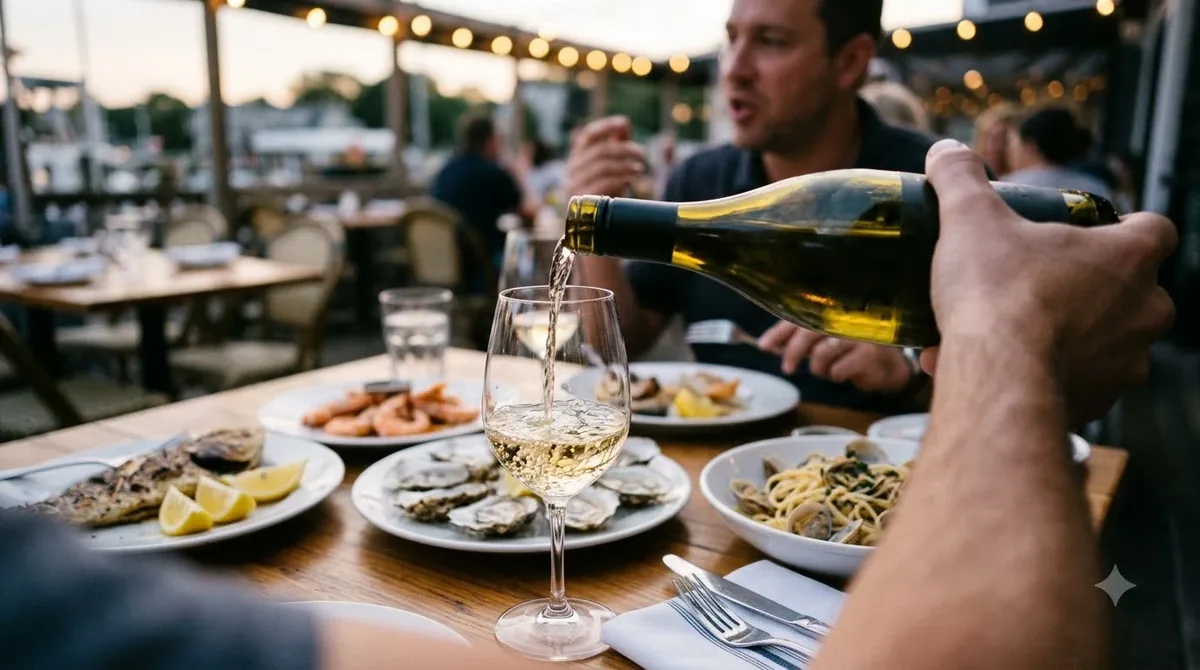
Regional Venetian cooking offers the most natural starting point. Pair a crisp Soave Classico with linguine alle vongole (clams in white wine and garlic), grilled sea bass, seared scallops, or fried calamari, where the wine’s lemony snap mirrors a squeeze of fresh citrus. Springtime asparagus risotto finished with aged Parmigiano-Reggiano is another classic local match, as Garganega handles green vegetable bitterness better than oaky whites.
Beyond seafood, Soave works effortlessly with soft cow’s-milk cheeses, prosciutto-wrapped melon, roast chicken with fresh herbs, and vegetable-driven dishes. Its gentle fruit and lack of heavy oak also make it a reliable partner for mildly spiced Asian noodle dishes, stir-fried tofu, and coconut-based curries. Because dry Soave is fermented with virtually no residual sugar, it remains a crisp, low-sugar dinner option for drinkers who pay attention to metrics like pinot noir carbs, whereas light reds are usually better suited for fruity warm-weather punches like pinot noir sangria.
How to choose a bottle
Finding a great bottle of Soave on a retail shelf comes down to reading a few key geographic terms on the front label. Because large cooperatives still bottle high volumes of inexpensive wine from the flat plains, looking for hillside designations is the easiest shortcut to quality.
Start by searching for the words Soave Classico or Soave Colli Scaligeri on the label, which guarantee the grapes came from hillside zones rather than the fertile valley floor. If you want greater concentration and texture for a richer meal, step up to Soave Superiore DOCG, which enforces stricter maximum vineyard yields and requires a minimum of 12 percent alcohol (12.5 percent for Riserva bottlings).
Checking the back label or shelf tag for a specific vineyard name (a UGA cru) or looking for benchmark family estates—such as Pieropan, Inama, Prà, Gini, Suavia, Corte Adami, or Ca’ Rugate—will consistently steer you toward characterful bottles. Finally, check the vintage date: buy within one to three years of harvest for crisp everyday drinking, or seek out four- to eight-year-old single-vineyard releases if you want to experience Soave’s deeper, honeyed side.
Frequently Asked Questions
Is Soave wine sweet or dry?
Standard Soave, Soave Classico, and Soave Superiore are completely dry white wines with crisp acidity and a clean finish. The only sweet version is Recioto di Soave DOCG, a specialty dessert wine made from air-dried Garganega grapes that concentrates natural sugars alongside vibrant acidity.
How do you pronounce Soave?
Soave is pronounced “swah-veh,” with the emphasis on the first syllable and a distinct “w” sound after the initial “s.” It rhymes roughly with “suave” in English, though the final “e” is pronounced like the “e” in “bet” rather than remaining silent.
Is Soave similar to Pinot Grigio or Chardonnay?
Entry-level Soave shares Pinot Grigio’s light body and refreshing citrus snap, making it an easy swap for casual sipping. However, hillside Soave Classico offers noticeably more aromatic depth, volcanic minerality, and texture than standard Pinot Grigio, while staying lighter and less buttery than oaked Chardonnay.
Does Soave wine age well?
While basic Soave DOC is best enjoyed young within one to three years of harvest, top-tier Soave Classico and Soave Superiore DOCG bottles can age beautifully for 10 to 15 years. Over time, their bright citrus and floral notes evolve into complex layers of baked pear, honey, chamomile, and toasted almonds.
Whether you pick up a bright, stainless-steel bottle for weeknight seafood or uncork a single-vineyard Soave Classico alongside creamy risotto, this Veneto classic rewards anyone looking beyond familiar white grapes. Keep a bottle chilled in the fridge for an effortless, food-friendly pour that punches well above its reputation.
More in Wine Types & Grapes
 Zinfandel Sugar Content: Dry Red vs. White Zinfandel GramsUpdated Nov 21, 2026
 Best Zinfandel Substitute Options for Sipping and CookingUpdated Nov 21, 2026
 Zweigelt Food Pairing: Best Dishes, Cheeses, and Serving TipsUpdated Nov 21, 2026
 Zinfandel Tannins Explained: How Structure Shapes Every BottleUpdated Nov 21, 2026
 Zinfandel Sweetness Level: Dry Red vs. Sweet White Zin ExplainedUpdated Nov 21, 2026
 Xinomavro Food Pairing: Best Dishes, Styles, and Serving TipsUpdated Nov 21, 2026