

We may earn a commission when you buy through links on this page, at no extra cost to you. Learn more.
Valle de guadalupe wineries are the heart of Mexican winemaking, and Wikipedia reports that the valley produces an estimated 70 percent of the country’s wine. Wikipedia’s counts of its wineries have grown fast, from six in 1999 to twenty-five in 2005, and later sections cite well over 100. Most estates are small and family run, so a visit is less like a big commercial tour and more like a conversation with the people who grow the grapes and make the wine.
Planning a trip to the Valle de Guadalupe usually starts with one question: which wineries are worth the drive? The answer depends on what you enjoy. Some estates focus on classic reds, others on lighter whites and newer styles, and many combine tastings with food and scenic views. This guide explains the kinds of wineries you will find, how to plan visits, and what to ask when you sit down for a tasting.
What Kinds of Wineries You Will Find
The valley is not one uniform winery scene. Wikipedia notes that the valley began modern winemaking in 1972, when Casa Pedro Domecq started operations there, and that many later estates followed. Today the mix includes larger established producers and smaller boutique estates that often work with a few hectares of vines. Each type offers a different experience, so it helps to decide what you want before you choose a route.
| Winery type | What to expect | Best for |
|---|---|---|
| Established producers | Longer history, broader lineups, guided tours | First-time visitors who want a full overview |
| Boutique family estates | Smaller production, personal tastings, limited hours | Travelers who want to meet the winemaker |
| Wineries with restaurants | Tasting paired with a meal, often with local produce | Long lunches and relaxed afternoons |
| Estates with lodging | Overnight stays close to the vines | Visitors who want to avoid long drives |
Because the valley spans a wide area, a winery’s location matters as much as its style. Plan a loop of two or three nearby estates rather than trying to cover the entire valley in one day. Shorter routes keep tastings relaxed and give you time to compare what you like.
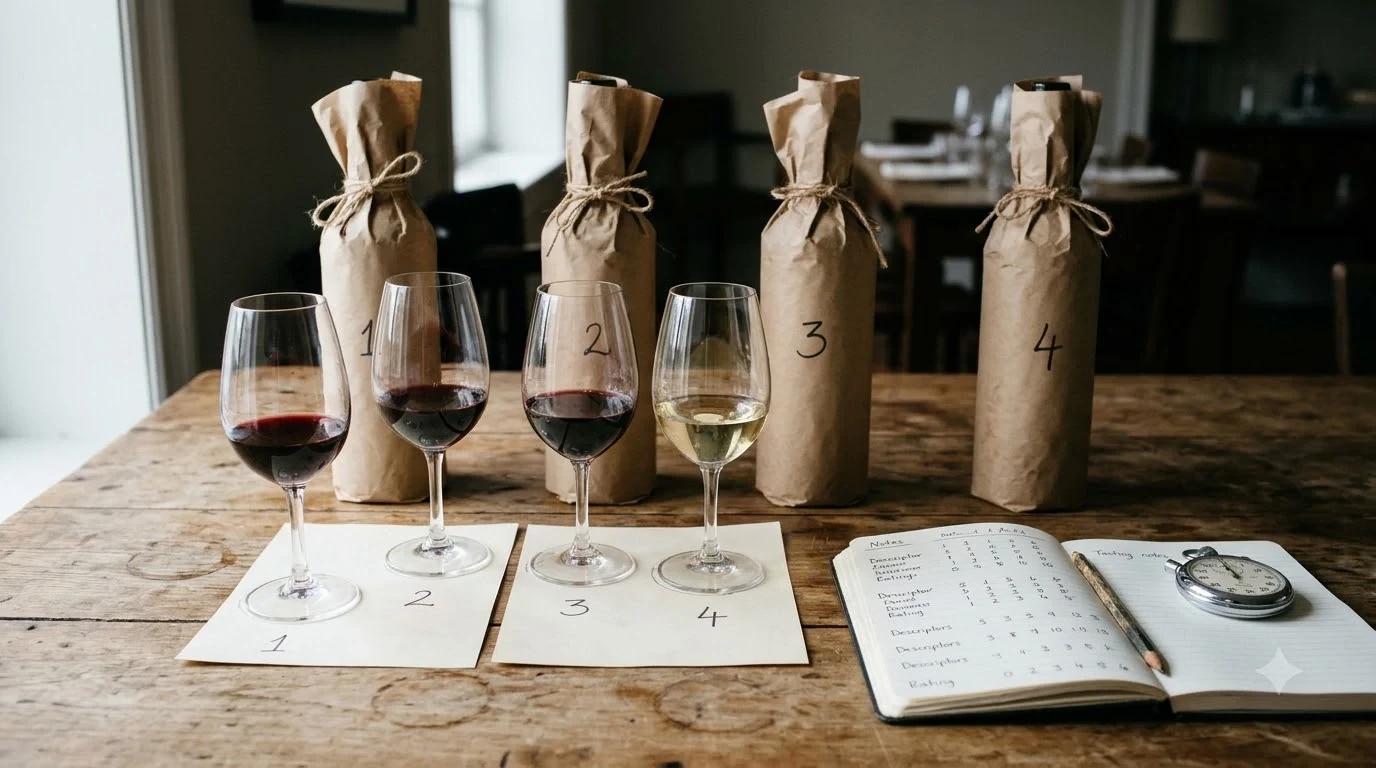
Many visitors arrive with a simple goal: taste a few good bottles and enjoy the view. Yet the valle de guadalupe wineries reward a slower pace. Each estate has its own approach to the vineyard, the cellar and the tasting room, and a single afternoon can reveal very different philosophies. Keep an open mind about styles you have not tried before, since the valley is one of the few places in Mexico where that kind of comparison is easy to make on a single day.
The Climate Behind the Wines
The valley has a Mediterranean climate, with cool, rainy winters and dry, warm summers. Ocean breezes moderate the temperatures, which Wikipedia puts at about 5 degrees Celsius in winter and about 30 degrees Celsius in summer. Those conditions matter for wineries because they shape how grapes ripen and how producers make decisions in the cellar.
Ask a winemaker how the season affected the vintage. You will often hear about rain timing, heat spells, or the way cool nights held acidity. That conversation tells you more about the wine than a label alone, and it gives you a real sense of the valley’s character.
Grapes and Styles You Will Taste
Vinifera grapes are the highest-value crop in the valley, according to Wikipedia, and wineries work with a range of varieties. Red Bordeaux varietals are the most typical plantings, while Malbec, Sauvignon Blanc, and Tempranillo also appear on many lists. Wine Folly’s Malbec profile describes the grape’s dark fruit, cocoa notes, and medium tannins, which makes it a useful reference when you taste a Valle bottle.
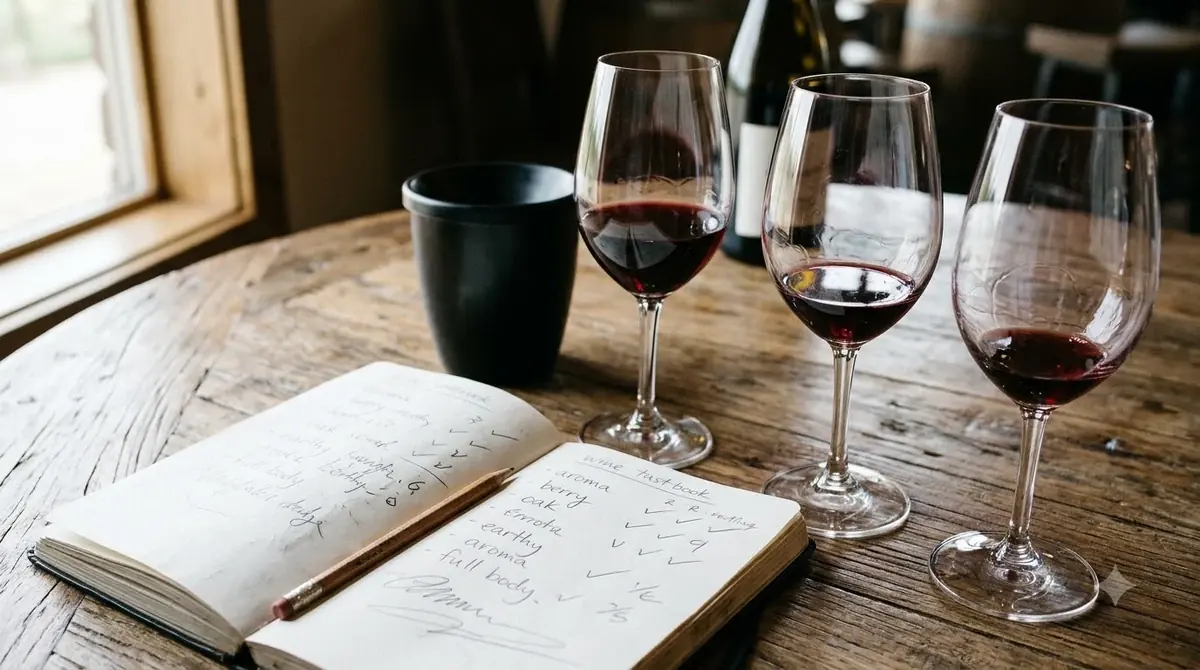
When a tasting room pours several reds in a row, try to notice how the wines change. A Bordeaux-style blend usually feels structured, while a single-varietal Malbec often shows more dark fruit. Taking notes on each glass helps you remember which estate suits your taste when you go home.
How to Plan Your Winery Visits
Winery visits in the Valle de Guadalupe work best with a plan. Many estates keep limited hours, and some ask for reservations, especially on weekends. Check each winery’s schedule before you leave, and build in extra time for the drive between stops, since rural roads can be slower than the map suggests.
Start your day earlier if you want quieter tastings. Morning visits often give you more time with the staff, and the afternoon can be busier as groups arrive for lunch. If you want to see the vineyards, ask whether a guided walk is available. Many visitors also find it helpful to book a driver or a tour so no one has to drive after tasting.
Tip: Bring a list of two or three estates you already know, then leave space for a stop you find on the road. The best discoveries in the valley often happen between planned visits.
What to Ask at a Tasting
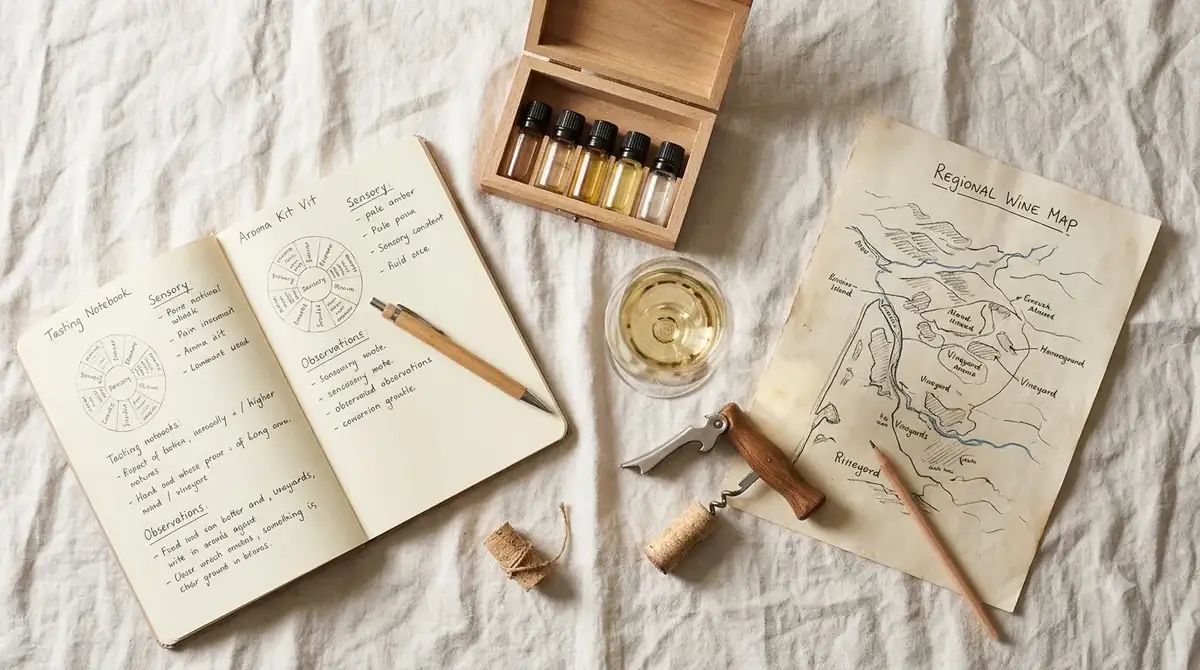
A good tasting is a conversation. Ask which grapes the winery grows, how old the vines are, and whether the wine was aged in oak. Those questions help you understand the style and show the winemaker that you care about the details. If the staff can explain the choices behind each wine, you have likely found an estate worth a second visit.
It is also fair to ask about the wines you cannot easily find elsewhere. Many estates produce small quantities, so buying a bottle at the winery may be the only way to take a particular label home. Keep your receipt and ask about shipping rules before you buy several bottles, since requirements can vary.
How Wineries Fit Into a Bigger Trip
Many visitors combine a winery day with a meal, a walk through the local food scene, or a visit to nearby olive groves and orchards. Wikipedia notes that olives, oranges, vegetables, and honey are grown in the valley, so the food on the table often comes from the same land as the vines. Asking a server which dishes use local produce is a simple way to connect the meal to the vineyard you just visited, and it often leads to a useful recommendation for the next bottle to try.
If you are comparing this valley with other wine regions, our arizona vineyards guide offers a useful contrast with another warm, dry growing area. The Wine Regions hub explains how climate and place shape the glass in more places.
Frequently Asked Questions
How many wineries are in the Valle de Guadalupe?
Counts vary by source and year. Wikipedia reports 25 wineries in 2005 and cites well over 100 in later sections, so the number is best treated as a changing figure rather than a single fixed total.
Do I need reservations to visit a winery?
Many estates ask for reservations, especially on weekends and holidays. Check the winery’s own schedule before you travel, since smaller family estates may keep limited hours.
Which grapes do the valley’s wineries use most?
Red Bordeaux varieties are the most typical plantings, and wineries also grow Malbec, Sauvignon Blanc, and Tempranillo. Vinifera grapes are the highest-value crop in the valley, according to Wikipedia.
When did winemaking start in the valley?
Wikipedia says modern winemaking began in 1972, when Casa Pedro Domecq started operations in the valley. Earlier residents, including the Kumeyaay and Kiliwa peoples, lived there for thousands of years.
A winery visit in the Valle de Guadalupe rewards planning and curiosity. Pick a route, ask good questions at each tasting, and let the landscape guide the rest of your day. For a wider look at the valley’s vineyards, read our valle de guadalupe vineyards guide.
More in Wine Regions
 Willcox Wine Trail: Discover Arizona’s High-Elevation Wine CountryUpdated Nov 20, 2026
 Yakima Valley Wine Region: Find the Best Styles to TryUpdated Nov 20, 2026
 Vosne Romanee Wine Tasting: Identify Aromas and Choose Better PairingsUpdated Nov 20, 2026
 Yakima Valley Wine Festival: Find the Best Seasonal Wine EventsUpdated Nov 20, 2026
 Wales Vineyards: Discover Cool-Climate Wines and Where to VisitUpdated Nov 20, 2026
 Yountville Wine Festival: Discover Napa Wines and Local FoodUpdated Nov 20, 2026