

We may earn a commission when you buy through links on this page, at no extra cost to you. Learn more.
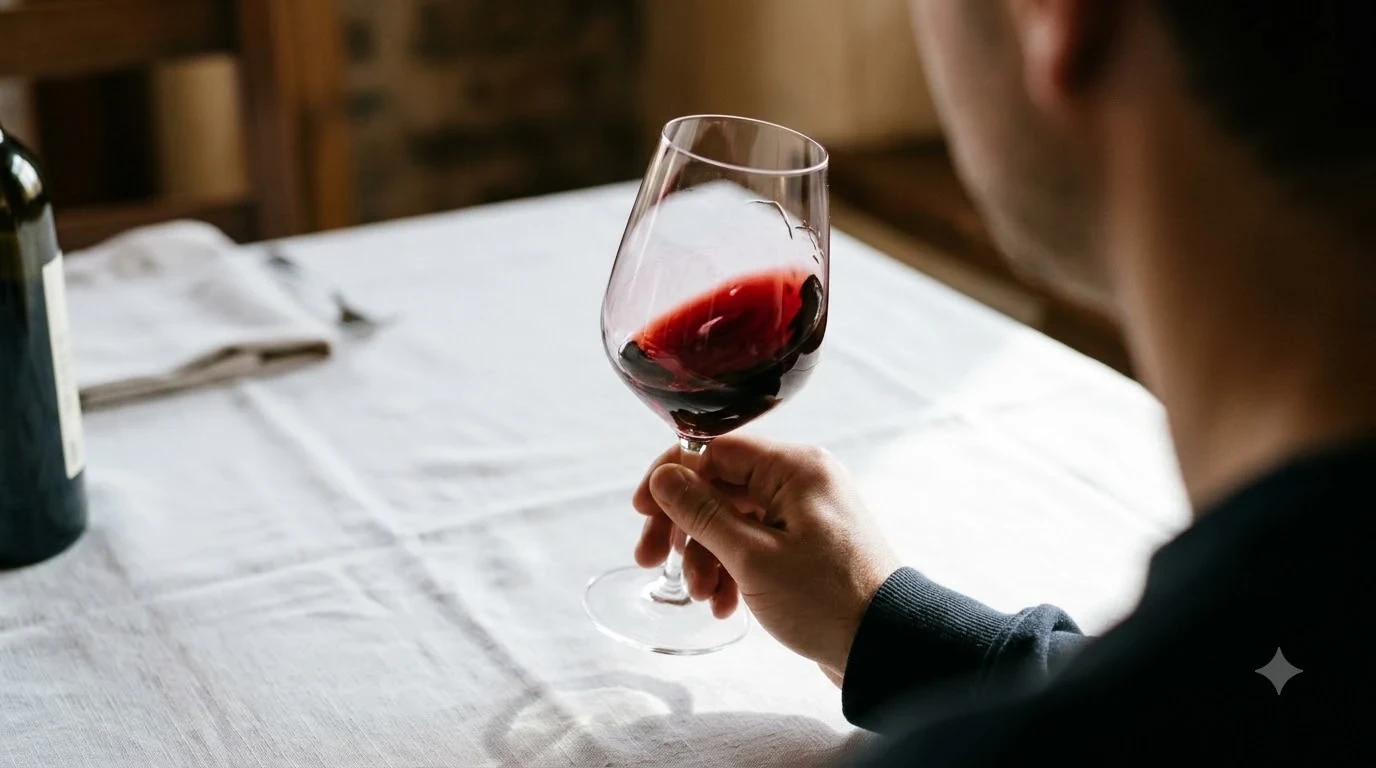
The pinotage grape is a red variety created in South Africa by crossing Pinot Noir and Cinsault, and it is the country’s signature grape. The wines range from light, fruit-forward reds that resemble Pinot Noir to deep, tannic bottles with dark fruit and smoke. Most of the world’s pinotage still grows in South Africa, and the grape is worth knowing if you want to explore a red with a clear regional story.
Pinotage can surprise drinkers who expect either the silkiness of Pinot Noir or the power of Syrah. This guide explains where the grape came from, how its flavors change with the climate, the styles you will find on the shelf, and the foods that suit it best.
Where pinotage came from
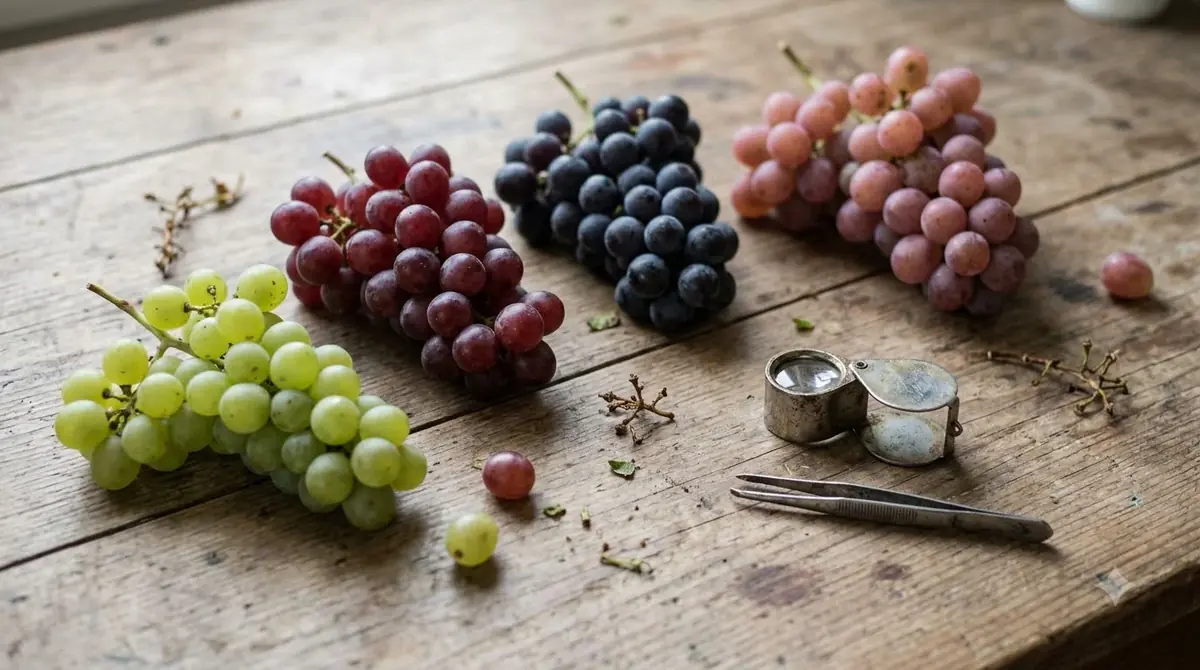
Pinotage is a cross of Pinot Noir and Cinsault. South African scientist Abraham Perold made the cross in the 1920s at Stellenbosch University, where he was the first professor of viticulture. Cinsault was called Hermitage in South Africa at the time, which is why older sources sometimes use that name. The aim was to combine the quality of Pinot Noir with the hardiness and productivity of Cinsault.
The story is a good example of how the grape got its reputation. The original seedlings were nearly discarded, and only a few survived to become the plants that winemakers later propagated. Early recognition came in the form of a championship at the Cape Wine Show in 1959, though the variety went through many years of mixed reviews before it found its footing.
Where pinotage grows
South Africa is the grape’s home and grows the vast majority of it. Winefolly puts the country’s plantings at about 7,052 hectares, while New Zealand and the United States grow only small amounts. Within South Africa, the grape does best in warm, Mediterranean-style climates. Stellenbosch, particularly the warm Simonsberg sub-region, and Paarl are the areas most often cited for quality pinotage.
The climate shapes the wine. Stellenbosch versions tend to be full-bodied, with well-integrated tannins and good aging potential. Paarl versions are often described as velvety, with balanced acidity. Cooler sites lean toward fresher red fruit, while warmer sites produce jammier dark fruit, so the same grape can taste quite different depending on where it grew.
Flavor profile and structure
Common flavor notes include black cherry, blackberry, fig, mint, and a savory game character. Oak aging adds vanilla and spice, and older bottles can develop leather, smoked meat, and chocolate notes. Wine writers also describe smoky, bramble, and earthy flavors, and some pinotage shows a touch of banana or tropical fruit.
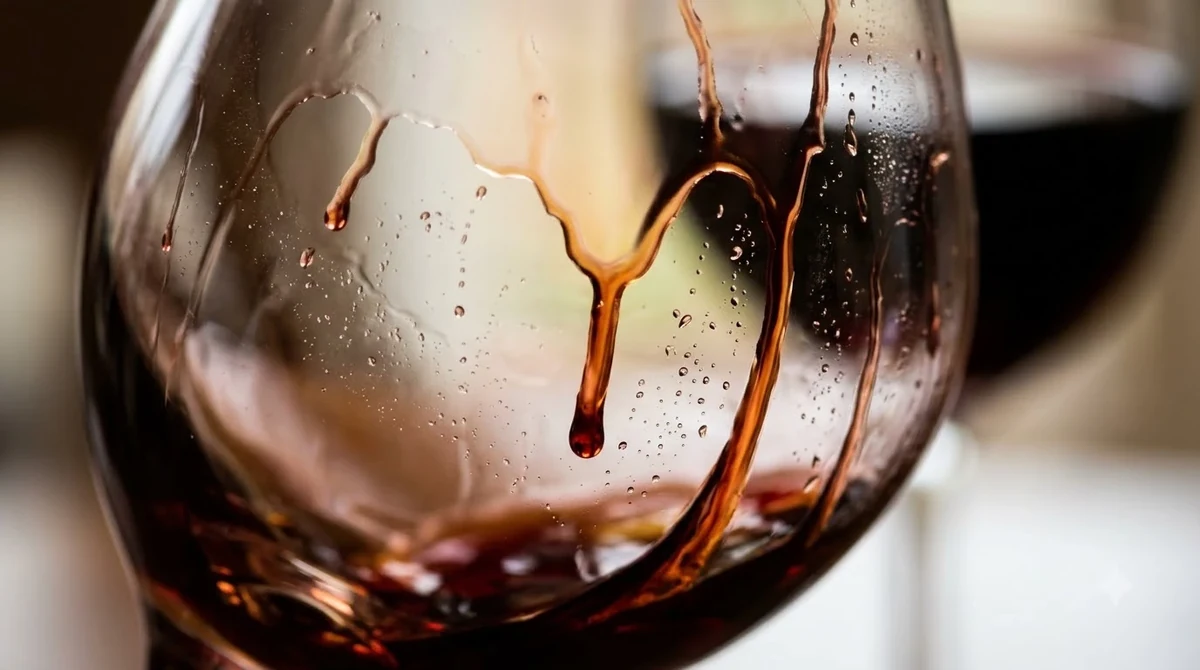
The structure is firm. Wines are typically full-bodied with medium-high tannin and medium-high acidity. The grape is naturally high in tannin, and winemakers manage it through skin contact and ripeness. When the grapes reach good phenolic ripeness, the tannins feel softer and more polished.
Pinotage’s reputation for funky aromas
Pinotage has a reputation for aromas that some drinkers find unusual. Wikipedia notes a common criticism tied to isoamyl acetate, a compound that can give a sweet, pungent smell often compared to paint. Winefolly describes an older reputation for rubbery, burnt-rubber aromas that careful viticulture and winemaking have reduced.
Modern producers have worked to reduce these faults. Since the 1990s, many have used long, cool fermentations and less oak to limit volatile esters. The result is cleaner, fruit-driven pinotage that shows the grape’s character without the old faults.
| Style | What to expect |
|---|---|
| Easy-drinking red | Fruit-forward, lighter, closer to Pinot Noir in weight |
| Barrel-aged red | Deeper color, ripe fruit, vanilla and spice, built for cellaring |
| Rosé | Fresh red fruit, lighter structure |
| Port-style or sparkling | Fortified or bubbly versions made by a few producers |
Styles you will find on the shelf
Pinotage ranges widely in style. Some producers make easy-drinking reds for weeknight dinners. Others make barrel-aged reds for cellaring, with more oak and a longer structure. Smaller numbers make rosé, a fortified port-style wine, and a red sparkling wine. A few make white pinotage.
In South Africa, pinotage is also a required part of many “Cape blends,” where it can make up 30 to 70 percent of the wine. Look for those blends if you want to taste pinotage alongside other South African varieties.
Tip: If a pinotage tastes too heavy, look for a bottle from a cooler site or a lighter style labeled as easy-drinking. Those wines often show more red fruit and less oak.
Food pairing with pinotage
Pairing comes down to weight. Match a light, fruit-forward pinotage with simple, savory food, and save the big, barrel-aged bottles for dishes with real richness. The same logic works for the grape’s smoky side, which can echo charred vegetables and grilled meats without overpowering them.
Lighter pinotage works with casual dishes such as pepperoni pizza and a hearty beef stew. Earthier versions pair well with roasted duck or mushroom risotto. Mature, full-bodied bottles suit braised short ribs or a pepper-crusted steak. The grape’s smoky character also complements barbecue and grilled or smoked meats, so it is a natural choice for a summer cookout.
Because pinotage has firm tannin, rich and fatty foods help balance it. A steak or a braised dish with some fat is a safer match than a light salad.
How to choose a pinotage
Start with the region. A Stellenbosch pinotage will usually feel more structured and built for aging, while a Paarl bottle often reads as velvety and easier to drink young. The producer’s note will tell you whether the wine was aged in oak and how long.
Look at the alcohol and oak notes on the label as well. A bottle described as barrel-aged will usually show more vanilla, spice, and tannin than an easy-drinking red from the same producer, and that difference matters when you plan a meal. Pick a style that matches the food rather than the other way around.
Check the vintage too. Pinotage can improve with a few years in the bottle, but many bottles are made for drinking young. If you are not sure, a mid-range bottle from a producer with a clear style is a good way to learn the grape before you buy a cellar-worthy wine.
Frequently Asked Questions
What is pinotage a cross of?
Pinotage is a cross of Pinot Noir and Cinsault. Abraham Perold created it in South Africa in the 1920s, with the aim of combining the quality of Pinot Noir and the hardiness of Cinsault.
Where is pinotage grown?
South Africa grows most of the world’s pinotage, especially in Stellenbosch and Paarl. Smaller plantings exist in New Zealand, the United States, and a few other countries.
What does pinotage taste like?
Typical notes include black cherry, blackberry, fig, mint, and smoky, savory character. Oak adds vanilla and spice, and older bottles can show leather and chocolate.
What food goes well with pinotage?
Pepperoni pizza, beef stew, roasted duck, and barbecue are good matches. Rich, fatty dishes help balance the wine’s firm tannin.
The pinotage grape also shows how a variety can change over a few decades. Early bottles were often criticized, while today’s versions are more consistent and more widely available. That shift gives drinkers a chance to try the grape in its modern form without carrying the old reputation into the glass.
Pinotage rewards anyone curious about South African wine. Try a lighter bottle first to see how close it sits to Pinot Noir, then move to a barrel-aged style to taste the grape’s deeper side. For more on other varieties with a distinct origin, read the assyrtiko grape guide, or browse the Wine by Type section for a wider view.
For the grape’s background, see the Wine Folly pinotage profile, and for history and plantings, the Wikipedia entry on Pinotage.
More in Wine Types & Grapes
 Zinfandel Sugar Content: Dry Red vs. White Zinfandel GramsUpdated Nov 21, 2026
 Best Zinfandel Substitute Options for Sipping and CookingUpdated Nov 21, 2026
 Zweigelt Food Pairing: Best Dishes, Cheeses, and Serving TipsUpdated Nov 21, 2026
 Zinfandel Tannins Explained: How Structure Shapes Every BottleUpdated Nov 21, 2026
 Zinfandel Sweetness Level: Dry Red vs. Sweet White Zin ExplainedUpdated Nov 21, 2026
 Xinomavro Food Pairing: Best Dishes, Styles, and Serving TipsUpdated Nov 21, 2026