

We may earn a commission when you buy through links on this page, at no extra cost to you. Learn more.
What is vermouth? It is an aromatized, fortified wine, flavored with botanicals such as roots, herbs, flowers, seeds and spices. Modern vermouth was first produced in the 18th century in Turin, Italy, and it is still made mostly in Italy, France and Spain. It usually comes in sweet red, dry white and several other styles, and most bottles sit around 16 to 18 percent alcohol by volume.
Vermouth shows up in classic cocktails and on aperitif menus, but many people are unsure what it actually is or how it differs from a regular wine. This guide explains where vermouth comes from, how it is made, the main styles, and how to use it at home without wasting a bottle.
What vermouth is and where it comes from
According to the Wikipedia entry on vermouth, the drink is an Italian aromatized, fortified wine. Vermouth belongs to the family of wines that have been strengthened with extra alcohol and flavored with plant ingredients. The name is generally traced to the German word for wormwood, Wermut, a bitter herb that was historically one of the common ingredients in these recipes.
Turin is the city most closely linked to the drink’s early history. Producers there developed commercial versions in the mid to late 18th century, and Italian styles remain among the best known. France and Spain also have strong traditions, with some French producers becoming famous for their dry styles.
Because vermouth is fortified, it keeps better than an unfortified wine once opened, though it still changes over time. The exact recipes are closely guarded by producers, which is why two bottles from different houses can taste so different.
How vermouth is made
Most vermouth starts with a neutral base of grape wine or unfermented grape must. Producers add alcohol to raise the strength, then steep or infuse a proprietary mix of dry botanicals. The blend can include roots, barks, flowers, seeds, herbs and spices, and the combination gives each brand its signature character.
Sweetness is added after the infusion. Sweet styles use cane sugar or caramelized sugar, while dry styles contain little or no sugar. Some producers also add color, which is why you see pale, amber and deep red bottles on the shelf. The recipes themselves are kept secret, so the label and producer notes are often the only clues you get.
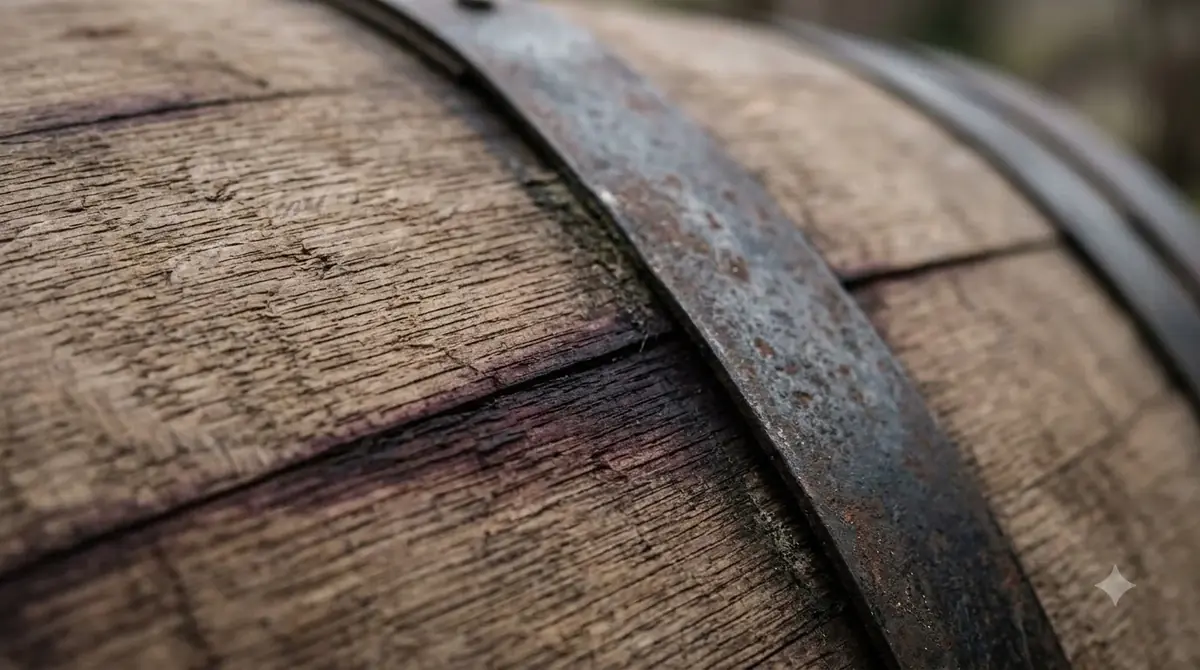
Aging can happen in barrels or tanks, depending on the house. The process gives the vermouth a rounder, more integrated flavor, and that is part of why it tastes different from a simple infused wine.
The wine site VinePair, in its vermouth guide, describes the same basic process. Vermouth starts with a wine base, and dry styles are usually made from white grapes while sweet styles are usually made from red, with botanicals macerated into the base. Every vermouth includes wormwood, and a typical bottle runs 16 to 18 percent alcohol by volume. The guide also gives a sugar benchmark: dry vermouths contain under 50 grams of sugar per liter, while sweet vermouths contain about 150 grams per liter.
| Style | Typical sweetness | What to expect |
|---|---|---|
| Sweet (rosso) | Roughly 10 to 15 percent sugar | Rich, spiced, red-colored; classic in a Manhattan or negroni |
| Dry (secco) | No more than about 4 percent sugar | Pale, crisp and herbal; used in a dry martini |
| Bianco or blanc | Lightly sweet | Golden and floral; good on its own over ice |
| Rosé or amber | Varies by producer | Fruity or caramel notes; a versatile aperitif |
Sweet, dry and other vermouth styles
The two historical main types are sweet and dry. Sweet vermouth, often red, is richer and more aromatic, with notes of vanilla, orange peel, spice and bitter herbs. Dry vermouth is typically pale and lighter, with a crisper finish that suits drinks where you want less sweetness.
Between those two are the bianco or blanc styles, which tend to be lightly sweet and floral, and rosé or amber versions, which can have fruit or caramel notes. Each brand interprets these styles differently, so reading the tasting note is worth the effort.
Vermouth’s alcohol strength is one of its practical features. Most bottles are between 16 and 18 percent alcohol by volume, which is higher than most unfortified wines (about 9 to 14 percent), though lower than most spirits.
How to use vermouth at home
Vermouth is most familiar as a cocktail ingredient. If you are comparing it with other drinks in the same family, the wine types guide explains where fortified and aromatized wines fit. Dry styles give a martini its herbal lift, and sweet styles add depth to a Manhattan. A negroni uses a sweet vermouth alongside gin and Campari, while a Rob Roy combines scotch with sweet vermouth.
It also works on its own as an aperitif. Pour it over ice with a twist of citrus, or serve a chilled dry style before a meal. Because it is lower in alcohol than a spirit, it is an easy choice for a relaxed drink before dinner.
In the kitchen, vermouth can stand in for white wine in fish sauces and marinades. Its herbal notes add more complexity than plain wine, and a splash in a pan sauce can give a dish a lift without much effort.

Storing and serving vermouth
Because vermouth is fortified, an opened bottle lasts longer than an opened table wine, but it still changes with time and exposure to air. Refrigerate it after opening and use it within one to three months for the best flavor. Sweet styles hold up slightly longer than dry ones in most households. For a lighter wine to keep beside it on the shelf, the moscato wine guide is a useful comparison.
Serve chilled, either straight from the fridge or over ice. Room temperature can make sweet vermouth taste heavy and dry vermouth taste flat. A short chill before serving is usually all it needs.
Keep the cap tight and the bottle out of direct light. Vermouth is also a handy way to stretch a cocktail menu at home without buying many spirits. A single bottle of dry and a single bottle of sweet cover most classic recipes, and both keep far longer than fresh juice or muddled fruit. If you enjoy a lighter drink, try a splash of dry vermouth topped with soda and a lemon peel before dinner. It is a simple way to test how each style behaves before you commit to a full recipe. If a bottle starts to smell stale or taste flat, it is time to replace it, since the botanical notes fade first.
Frequently Asked Questions
Is vermouth a wine or a liquor?
It is a wine that has been fortified with extra alcohol and flavored with botanicals. It sits between wine and spirits, which is why it is often treated as an aperitif rather than a shot.
Does vermouth go bad?
It does not spoil in the same way as fresh wine, but it loses flavor over time once opened. Refrigerate it and aim to finish a bottle within one to three months.
What is the difference between sweet and dry vermouth?
Sweet vermouth is richer and contains more sugar, typically red in color with spiced, vanilla-like notes. Dry vermouth is paler, lighter and has little or no sugar, so it suits crisper drinks.
Can I cook with vermouth?
Yes. Dry vermouth works well as a substitute for white wine in fish sauces, marinades and pan sauces. Its herbal flavor adds depth, so use a little at first and taste as you go.
Vermouth is a useful bottle to keep, whether you mix classic cocktails or simply pour a glass before dinner. Start with a dry style for lighter drinks and a sweet style for stirred cocktails, then explore the other styles as you go. Storing it in the fridge and using it within a few months will keep the flavor at its best.
More in Wine Types & Grapes
 Zinfandel Sugar Content: Dry Red vs. White Zinfandel GramsUpdated Nov 21, 2026
 Best Zinfandel Substitute Options for Sipping and CookingUpdated Nov 21, 2026
 Zweigelt Food Pairing: Best Dishes, Cheeses, and Serving TipsUpdated Nov 21, 2026
 Zinfandel Tannins Explained: How Structure Shapes Every BottleUpdated Nov 21, 2026
 Zinfandel Sweetness Level: Dry Red vs. Sweet White Zin ExplainedUpdated Nov 21, 2026
 Xinomavro Food Pairing: Best Dishes, Styles, and Serving TipsUpdated Nov 21, 2026