

We may earn a commission when you buy through links on this page, at no extra cost to you. Learn more.
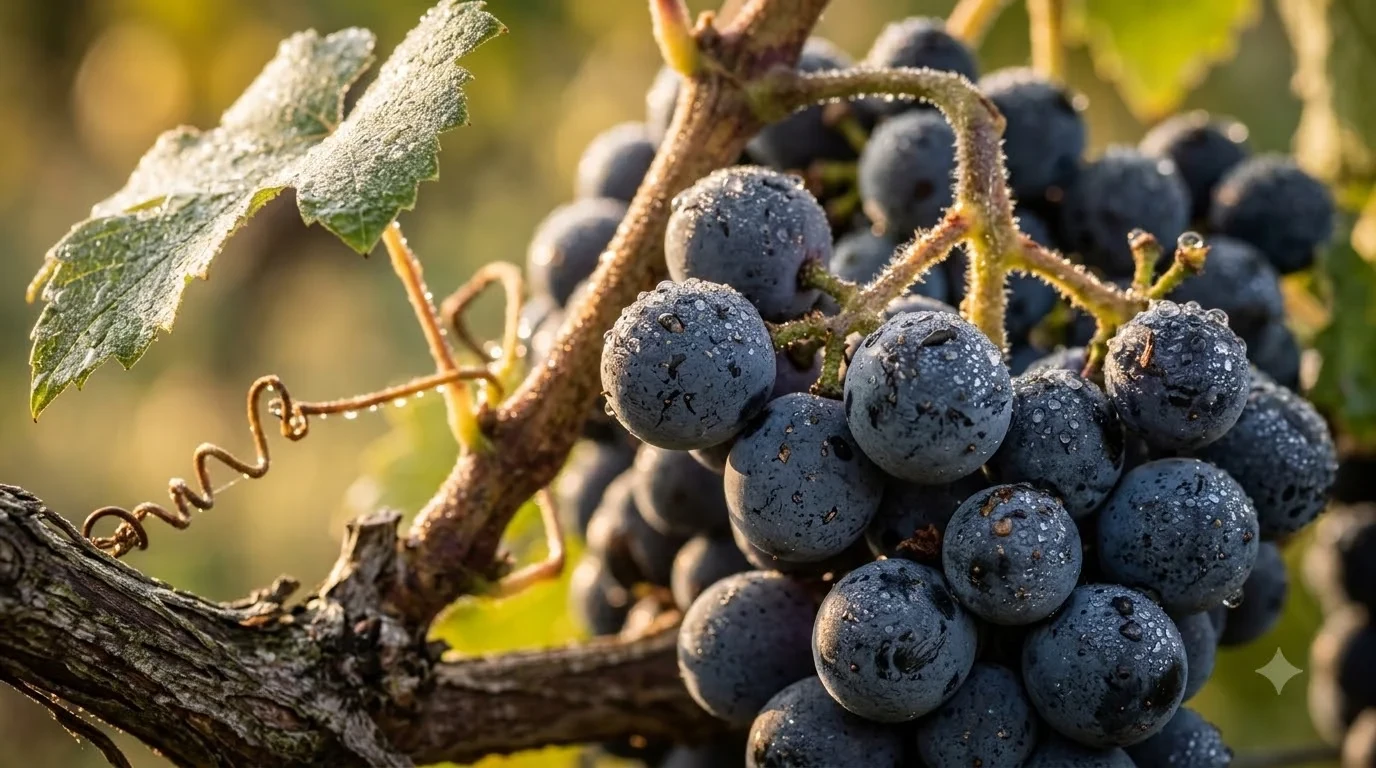
The Catawba grape is an American variety with a long history in Ohio and New York, used for off-dry white, rosé and sparkling wines. Its wines typically show grape, strawberry jam, watermelon candy and violet notes, with medium body, no tannin and medium-high acidity. Wine Folly describes the wine as 10 to 11.5% ABV and says it is best served cool.
Catawba is an American grape with an East Coast origin story, and it is less familiar to many drinkers than European varieties. It has a distinct character that shows up in several wine styles. This guide covers where the grape came from, how its wines taste, how to serve them and which foods suit them.
What the Catawba Grape Is
Catawba is a grape of American origin, and its exact background is still debated. Wikipedia notes that it was growing at Major John Adlum’s Georgetown nursery by at least 1823, and that it likely started on the East Coast, possibly in North Carolina. Its parentage is usually given as a cross of the native Vitis labrusca with the European Sémillon, so it is not a purely native grape.
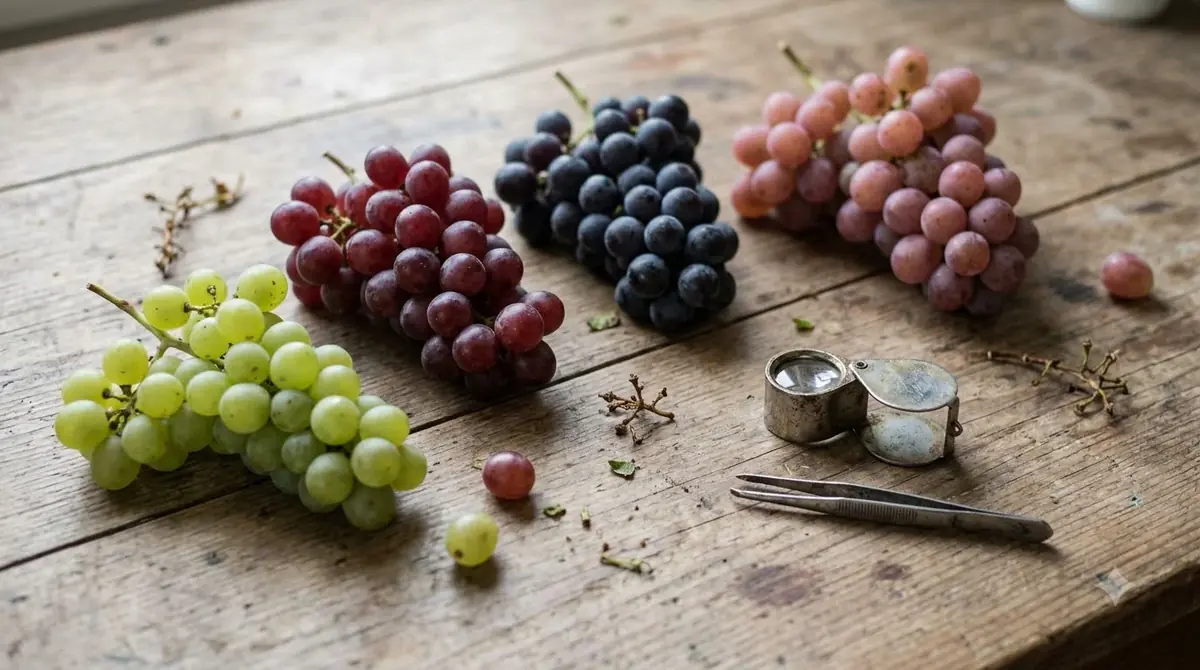
Once Catawba spread through the eastern and midwestern United States in the 1800s, it became one of the best-known American grapes for wine, and its name appears in wine histories of several states.
Flavor Profile of Catawba Wine
Catawba wine is fruity and bright. According to Wine Folly’s Catawba grape guide, the main flavors are grape, watermelon candy, strawberry jam, violet and a hint of petrol, which Wine Folly lists among the flavors. The style is off-dry, meaning it has a little residual sweetness, but it is not a dessert wine.
When you taste Catawba, start with the nose. The grape and strawberry notes usually come first, followed by the violet and candy-like sweetness. On the palate the fruit tends to stay in the middle of the mouth rather than building into a dry finish, which is why the wine feels approachable even for people who do not usually drink white wine.
The wine has medium body and no tannin, so it feels soft and easy to drink. Its acidity is medium-high, which keeps the fruit lively and stops the sweetness from feeling heavy on the palate.
| Trait | What to expect |
|---|---|
| Style | Off-dry white, rosé or sparkling |
| Body | Medium |
| Alcohol | About 10% to 11.5% ABV |
| Acidity | Medium-high |
| Tannin | None |
| Main flavors | Grape, strawberry jam, watermelon candy, violet |
Tip: Because Catawba is off-dry, check the label or producer notes before buying if you prefer a fully dry white. Compared with a bone-dry Sauvignon Blanc, Catawba will taste noticeably sweeter.
Where Catawba Grows and Its History
Catawba is grown in several parts of the eastern United States, and Wine Folly notes that it is currently grown in New York state. Its history is especially tied to Ohio and to the Finger Lakes in New York.
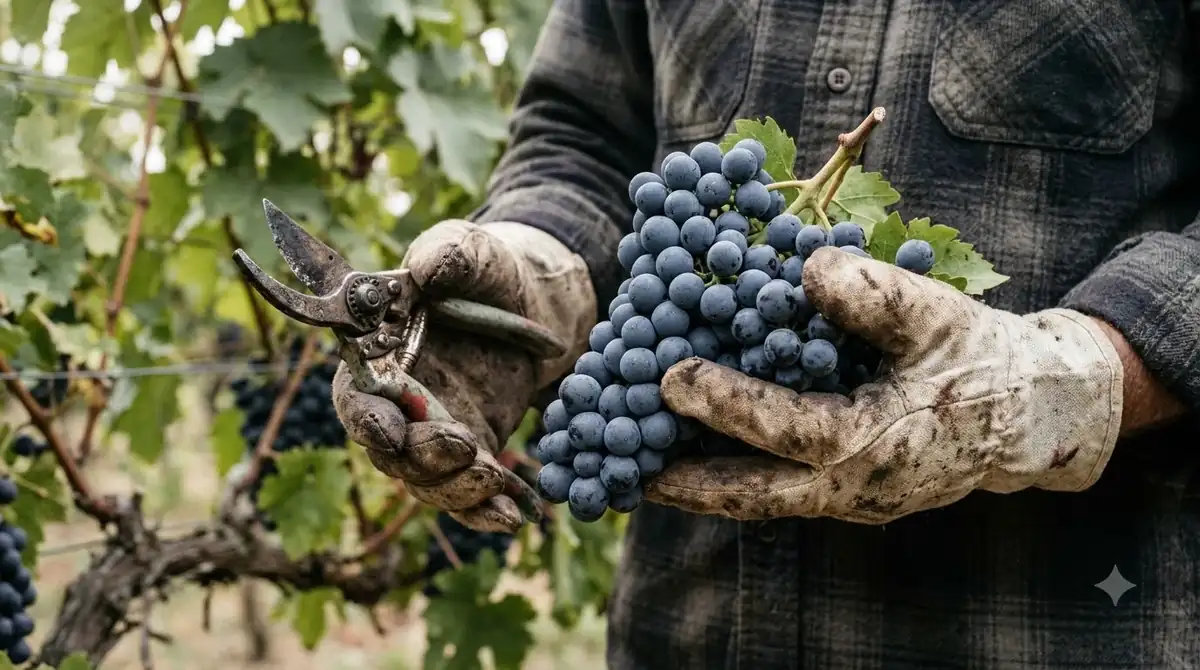
Wikipedia credits Nicholas Longworth of Cincinnati with championing Catawba along the Ohio River. Longworth wrote in 1847 that he gave Catawba preference over all other grapes for a general wine crop. Ohio’s Catawba output peaked in 1859, when the state was the largest U.S. producer of the grape, before powdery mildew and the Civil War ended the boom.
The grape later took hold in the Finger Lakes. In the 1940s, Charles Fournier found a lighter-colored clonal mutation called Pink Catawba in his Finger Lakes vineyards. A sparkling pink Catawba won a gold medal at the California State Fair in 1950, which Wikipedia describes as the first non-California wine to win that award.
Styles of Catawba: White, Rosé and Sparkling
Catawba is versatile because it makes different wine styles from the same grape. A bottle’s label and producer notes often show whether the wine is dry, off-dry or sweeter, and that matters more with Catawba than with many European whites. Its skins contribute little color, so white and rosé wines are the most common results.
Catawba is one of the few American grapes that has been made into all three styles, which gives shoppers a useful range to choose from when they want something different from the usual European bottles on a shelf.
Sparkling Catawba has a long tradition. Wikipedia notes that Longworth made a sparkling Catawba modeled on Champagne after stumbling onto sparkling wine production at his winery. Sparkling Catawba suits a casual toast better than a formal occasion.
- White: fresh and fruity, usually off-dry, with grape and melon notes.
- Rosé: pale pink, with the strawberry and watermelon notes typical of the grape.
- Sparkling: lively and sweet-leaning, suited to brunch or a light dessert.
How to Serve Catawba Wine
Catawba tastes best cold. Wine Folly recommends serving it at 38 to 45 °F (3 to 7 °C) in a universal wine glass, which keeps the fruit fresh and the sweetness balanced against the acidity.
Glassware is a small detail, but a universal wine glass gives the aromas room without making the wine feel heavy. Because Catawba is best cold, it is also worth checking the bottle temperature before pouring, since a warm bottle can make the sweetness feel more pronounced.
Decanting is not needed. Wine Folly suggests drinking most bottles within one to three years of the vintage, so this is a wine to enjoy early rather than store. Keep bottles in the fridge once opened, and finish them within a few days.
- Chill the bottle in the fridge until it is in the 38 to 45 °F range.
- Pour into a universal glass, which works well for Catawba’s medium body.
- Serve it with food, since its sweetness pairs well with salty and savory dishes.
Food Pairings for Catawba
Catawba suits casual, salty and spicy food. Its sweetness helps cut through salt and heat, so it pairs better with a plate of fries or spicy noodles than a very dry white would. Wine Folly suggests it with burgers and fries, Southern barbecue, pepperoni pizza and Kung Pao beef, since the wine’s fruit and sweetness balance salt and heat well.
For a meal at home, try grilled chicken with a barbecue glaze, pork tacos with pickled onions, or a plate of spicy Asian noodles. Off-dry Catawba also works with fresh fruit and mild cheeses. If you are building a wider list of wine styles, our guide to wine by type groups the main options together. For another American-style fruit wine with its own character, see our pinotage grape guide.
Frequently Asked Questions
Is Catawba wine sweet?
Catawba is usually described as off-dry, which means it has some residual sweetness but is not a dessert wine. The acidity is medium-high, so the sweetness is noticeable but balanced.
What does Catawba grape taste like?
Wine Folly lists grape, watermelon candy, strawberry jam and violet as the main flavors. The wine usually feels soft and fruity rather than tannic or dry.
Where is Catawba grown?
Wine Folly notes that it is currently grown in New York state. Its history is strongly tied to Ohio, where it was once the largest U.S. producer of the grape’s wine in the mid-1800s, and to the Finger Lakes region.
Should Catawba wine be chilled?
Yes. Wine Folly recommends serving it at 38 to 45 °F, and chilling it keeps the fruit fresh and the sweetness in balance.
Catawba is an easy wine to enjoy with casual food, and it shows how an American grape can carry its own character. Try a chilled bottle with a burger or a plate of barbecue, and compare it with a dryer white to see how the sweetness changes the meal.
More in Wine Types & Grapes
 Zinfandel Sugar Content: Dry Red vs. White Zinfandel GramsUpdated Nov 21, 2026
 Best Zinfandel Substitute Options for Sipping and CookingUpdated Nov 21, 2026
 Zweigelt Food Pairing: Best Dishes, Cheeses, and Serving TipsUpdated Nov 21, 2026
 Zinfandel Tannins Explained: How Structure Shapes Every BottleUpdated Nov 21, 2026
 Zinfandel Sweetness Level: Dry Red vs. Sweet White Zin ExplainedUpdated Nov 21, 2026
 Xinomavro Food Pairing: Best Dishes, Styles, and Serving TipsUpdated Nov 21, 2026