

We may earn a commission when you buy through links on this page, at no extra cost to you. Learn more.
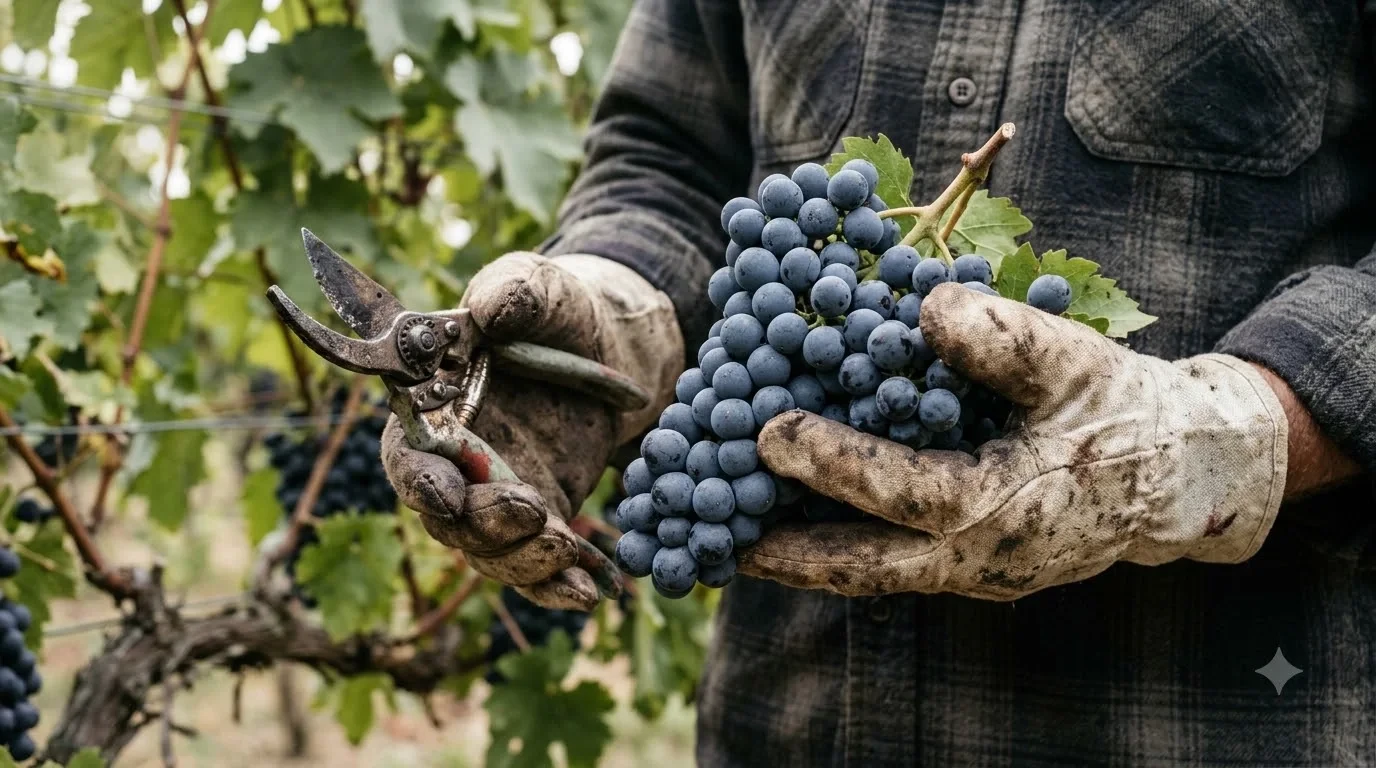
North Fork wine is the wine made from grapes grown on the North Fork of Long Island, New York, a cool, coastal growing area with its own American Viticultural Area since 1985. The wines tend to be bright and savory, with fresh acidity, and the region is known for a mix of crisp whites, lighter reds, rosé, and sparkling wine. Most of the grapes come from vineyards that sit close to open water.
This guide explains what North Fork wine is, how the region’s climate shapes its style, which grapes and wine types to look for on a label, and how to serve and pair these wines at home. It also covers a few buying tips for people who want to try the region without visiting in person.
What Makes North Fork Wine Different
North Fork wine is defined by place as much as by grape. The region is a narrow peninsula at the eastern end of Long Island, and according to the Wikipedia article on the North Fork wine country, its first vineyard, Hargrave, was founded in 1973. The North Fork of Long Island AVA followed in 1985, and the area now has more than 30 vineyards.
Because the vineyards are close to the water on both sides of the peninsula, the growing season tends to be cooler than in inland New York. That cool, steady weather favors wines that keep their acidity and show fresh fruit rather than heavy, cooked flavors. Many people who know the region describe its wines as lean and focused, although each producer’s winemaking choices change the final style considerably.
Common Wine Styles and Grapes
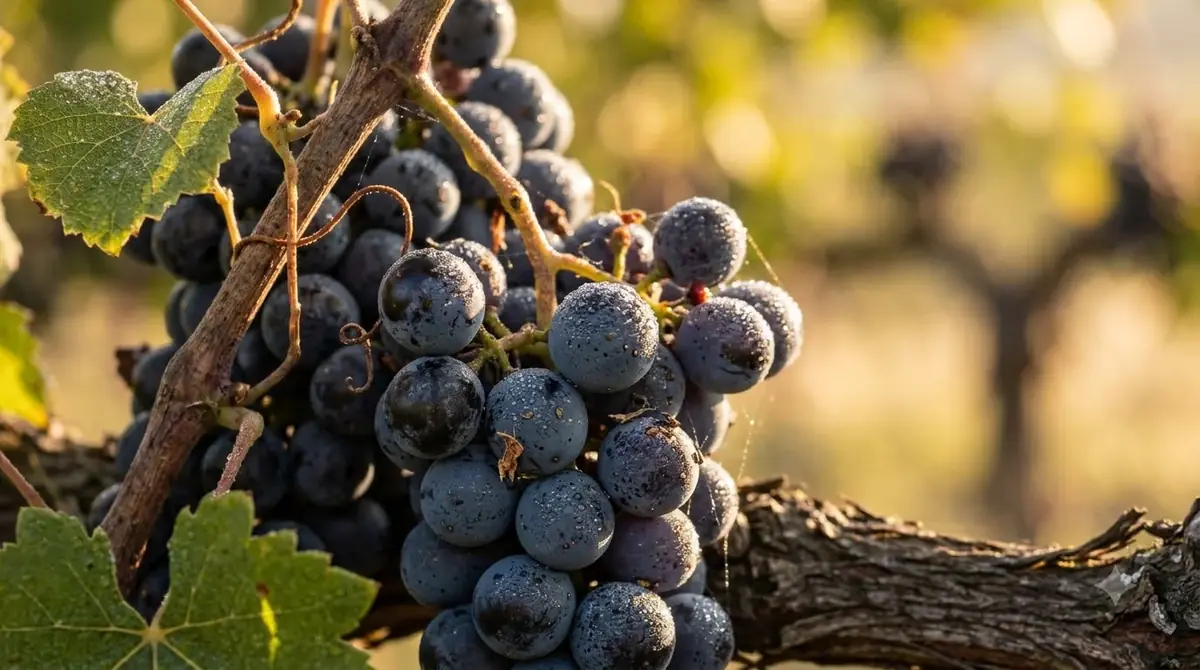
The region’s wines fall into a few broad groups. Cool-climate white wines are often the most distinctive, with crisp acidity and citrus or green-fruit flavors. Lighter red wines appear too, usually with bright red fruit and softer tannins than those from warmer regions. Rosé is popular, and several producers also make sparkling wine.
Wine Folly’s guide to cool-climate Cabernet Franc notes that cooler-climate wines show lighter, brighter red fruit and slightly lower tannins than their warmer-climate counterparts. That description fits many reds made near the Atlantic, and it helps explain why North Fork reds often feel lighter on the palate than a typical bottle from California or Argentina.
| Wine type | Typical character | Good starting point |
|---|---|---|
| Crisp white | Bright acidity, citrus, green fruit | Seafood and salads |
| Light red | Red fruit, soft tannins, savory notes | Roast chicken and grilled vegetables |
| Rosé | Fresh berry and citrus, dry finish | Warm-weather meals and charcuterie |
| Sparkling | Lively bubbles and clean acidity | Oysters and fried foods |
Producers on the peninsula often describe their work as a balance between the site and the season. Soil, exposure to the water, and the weather each year all affect the grapes before any winemaking begins. Because the region is small, winemakers can adjust their approach from one vintage to the next, which is why two releases from the same estate can taste quite different.
How to Serve North Fork Wine
Serving temperature has a big effect on how these wines taste. Whites usually show best when they are chilled but not ice-cold, which lets the aromas come through. Lighter reds often benefit from a short stay in the refrigerator before serving, especially in warm rooms, because overly warm wine can taste flabby and sweet with alcohol.
For reds, pour a moderate amount into a medium-sized glass so the aromas can gather. Decanting is rarely necessary for young, light-bodied bottles, but it can help a richer, older red open up. Sparkling wine should be served cold and poured into a flute or a tulip-shaped glass.
Food Pairing Ideas
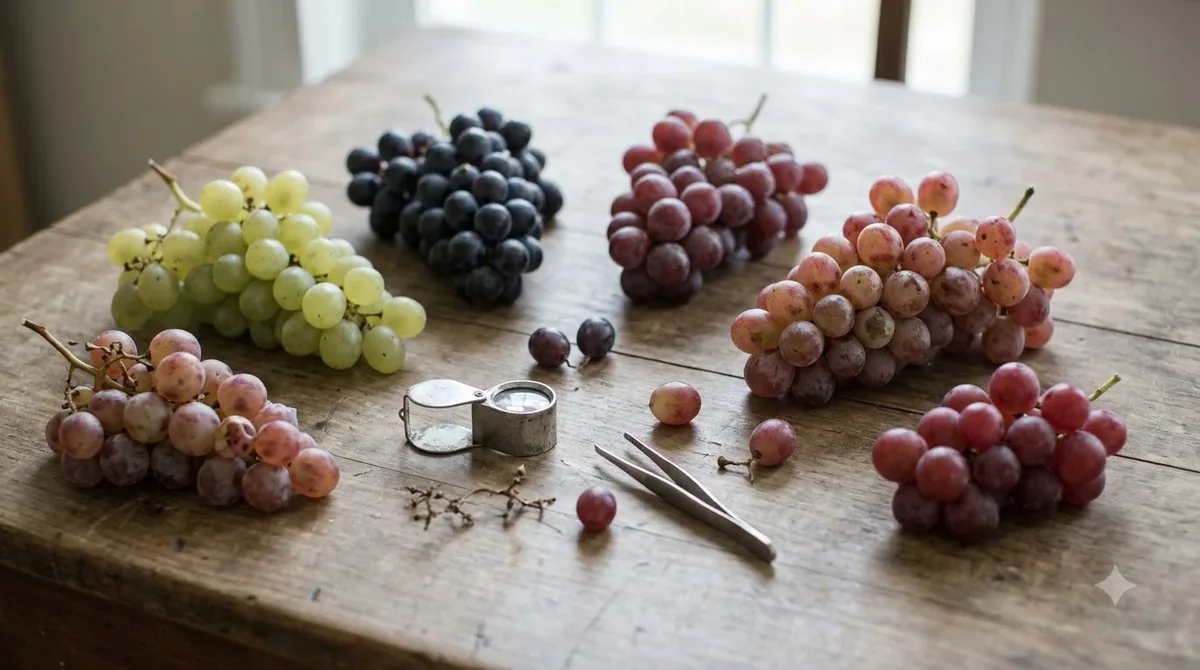
The region’s acidity makes its wines flexible at the table. Crisp whites pair naturally with shellfish, fish, and fresh salads, and many people reach for them with summer meals built around local produce. Light reds are useful with roasted poultry, mushrooms, and tomato-based dishes, since their moderate tannins do not overwhelm delicate flavors.
Plan the order of a meal around the wines. Serving the lightest bottle first and moving toward heavier reds keeps each glass easy to taste, and it avoids a light white tasting thin after a bold red. Many hosts also pour a small glass of rosé or sparkling wine as guests arrive, since those styles suit appetizers and conversation.
Rosé is an easy choice for casual meals, from grilled vegetables to cured meats. Sparkling wine works with a wide range of dishes, including salty snacks and fried foods, because its bubbles and acidity cut through richness.
Cheese is another useful pairing route. Fresh, soft cheeses tend to suit crisp whites and rosé, while aged cheeses with moderate salt can work with a lighter red. Test a few combinations at home, since the best match often depends on how sharp or fruity the particular bottle is.
How to Buy North Fork Wine
Many North Fork wines are sold at the wineries themselves, which is why buying from a tasting room can be the easiest way to find the full range of a producer’s releases. Some wineries also ship within their state rules, and retailers in New York may carry a selection of local bottles. Check the producer’s own site for current availability, since small-production wines can sell out quickly.
When you read a label, look at the vintage year, the grape or blend, and the producer’s description. Those details tell you more about the style than the region name alone. If you are new to the area, a mixed case or a set of half-bottles is a practical way to compare several styles.
Keep notes on what you enjoy. Writing down the grape or blend, the vintage, and two or three words about the flavor helps you find the next bottle faster. Over time, those notes show whether you prefer the brighter whites, the lighter reds, or the sparkling style, and that knowledge is useful wherever the bottle comes from.
Tip: Ask the tasting-room staff which wines reflect a particular vintage. Cool-season years can produce brighter whites, while warmer seasons may yield riper reds, so the vintage often explains more about the glass than the label does.
Frequently Asked Questions
What is North Fork wine?
North Fork wine is made from grapes grown on the North Fork of Long Island, New York. The region’s cool coastal climate and its AVA, established in 1985, give its wines a recognizable style that leans toward freshness and acidity.
What grapes are used for North Fork wine?
Producers make crisp white wines, lighter reds, rosé, and some sparkling wine. The exact grape list depends on each winery, so the tasting-room menu or the bottle label is the most reliable guide.
How should I serve North Fork red wine?
Serve lighter reds slightly cool rather than warm, and pour them into a medium glass. Richer, older reds may benefit from decanting, but young, light-bodied bottles usually do not need it.
Is North Fork wine similar to wine from other regions?
It shares some traits with other cool-climate regions, such as higher acidity and lighter body. Each producer’s winemaking gives the final wine its own personality, so tasting a few styles is the best way to decide whether the region suits your palate.
Storage matters too. Most lighter whites, rosé, and young reds are meant to be enjoyed within a few years of release, while sturdier reds can improve with proper cellaring. Keep bottles away from heat and direct sunlight, and store them on their sides if they have corks, so the cork stays moist.
North Fork wine rewards curiosity. Start with a crisp white or a light red, note the vintage and the producer, and compare a few bottles side by side. For a fuller picture of the peninsula’s vineyards and tasting rooms, see North Fork vineyards, and for context on other American regions, the Wine Regions section is a good next stop.
More in Wine Regions
 Willcox Wine Trail: Discover Arizona’s High-Elevation Wine CountryUpdated Nov 20, 2026
 Yakima Valley Wine Region: Find the Best Styles to TryUpdated Nov 20, 2026
 Vosne Romanee Wine Tasting: Identify Aromas and Choose Better PairingsUpdated Nov 20, 2026
 Yakima Valley Wine Festival: Find the Best Seasonal Wine EventsUpdated Nov 20, 2026
 Wales Vineyards: Discover Cool-Climate Wines and Where to VisitUpdated Nov 20, 2026
 Yountville Wine Festival: Discover Napa Wines and Local FoodUpdated Nov 20, 2026