

We may earn a commission when you buy through links on this page, at no extra cost to you. Learn more.
Arneis wine is a dry white from Piedmont in northwestern Italy, made from the Arneis grape. It is medium-bodied, with flavors of peach, yellow apple and almond, a slightly waxy texture and moderate acidity. Most of the world’s Arneis vines grow in the Roero hills, and the Roero DOCG has the largest number of Arneis plantings of any zone, according to Wine Folly.
Arneis is a good pick for drinkers who like a fuller white than Pinot Grigio but want something fresher and less heavy than a buttery Chardonnay. This guide covers what the wine tastes like, where it comes from, how to serve it and which dishes match it best.
What Arneis Wine Is
Arneis is a white grape native to Piedmont, the same region known for Barolo and Barbaresco. Wine Folly, in its Arneis grape guide, traces written references to the grape back to the 15th century and notes that it is also known as Bianchetta and Nebbiolo Bianco.
Traditionally, Arneis was made as a dry wine, even though its aromatic profile can make some drinkers expect sweetness. Today most producers make it as a single-variety wine, but in the past it was often blended with Nebbiolo to soften that grape’s tannins.
The wine nearly disappeared by the 1970s. Wine Folly reports that the vines are hard to grow and that the juice oxidizes easily without careful temperature control, so many growers switched to other varieties. A small group of producers, including Alfredo Currado of Vietti and Bruno Giacosa, helped bring it back as a standalone wine. Wine Folly also notes that the wine has been nicknamed “White Barolo” and described as the “comeback kid of Piemonte.”
Flavor Profile and Aromas
Arneis tastes fruity and soft without feeling heavy. According to Wine Folly, the main flavors are peach, yellow apple, honey, raw almond and nutmeg, and the aromas include pear, apricot, white flowers, chamomile and almond.
On the palate the wine is usually medium-bodied with a rounded, somewhat waxy mouthfeel. That texture is why Wine Folly compares it with Pinot Gris. Acidity is moderate rather than sharp, so the finish feels smooth instead of tart. Because the wine has no tannin, it does not dry out the mouth the way a red does.
The wine’s aroma is one of its most recognizable features. Pear and apricot come up first, with white flowers and chamomile giving a light, floral lift. The almond note on the nose often shows up again on the finish, which makes Arneis a useful bridge between fruity whites and nuttier, more textured styles.
| Trait | What to expect |
|---|---|
| Style | Dry white |
| Body | Medium |
| Alcohol | About 11.5% to 13.5% ABV |
| Acidity | Moderate |
| Tannin | None |
| Main flavors | Peach, yellow apple, honey, almond |
Tip: If you want the classic style, look for a bottle labeled Roero Arneis, since that name points to the grape’s home hills. Bottles from Australia and New Zealand are a much smaller share of the world’s plantings.
Where Arneis Grows
Arneis is a Piedmont grape at heart, and the Roero hills are its best-known home. The Roero DOCG is the zone most people mean when they say Roero Arneis.
Wine Folly cites a 2021 University of Adelaide figure of about 2,913 acres (1,179 hectares) planted worldwide. Of that, about 2,718 acres (1,108 hectares) are in Italy, 91 acres (37 hectares) in Australia and 82 acres (33 hectares) in New Zealand. Italy holds the large majority, which is why most bottles on shop shelves come from Piedmont.
How to Serve Arneis Wine
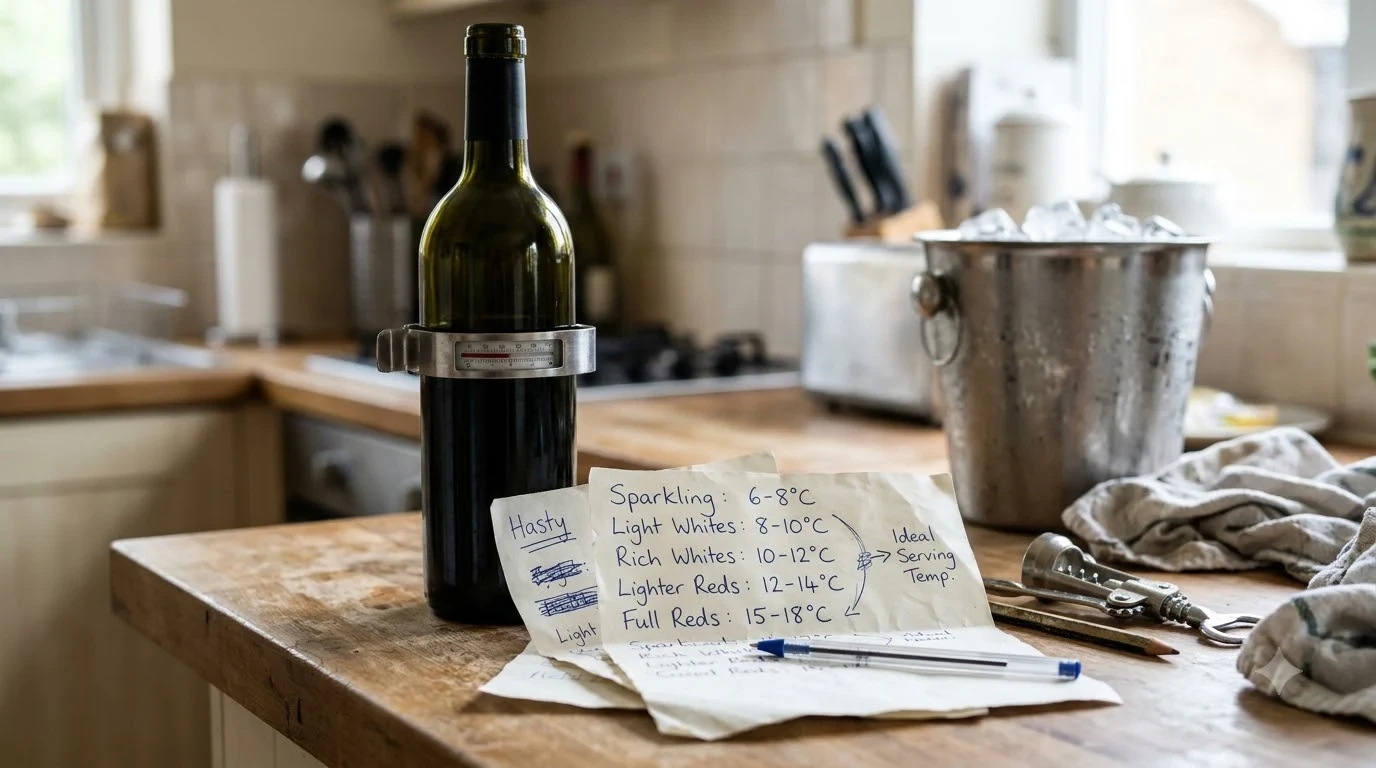
Serving temperature matters more for Arneis than many people expect. Wine Folly recommends serving it at 45 to 55 °F (7 to 12 °C) in a standard white wine glass, which keeps the wine fresh without muting its fruit.
Decanting is not needed. Wine Folly suggests drinking most bottles within a few years of purchase, with a cellaring window of about 0 to 3 years. Arneis is made to be enjoyed young, so there is little reason to hold a bottle for a long time.
Keep an opened bottle in the fridge with the cork or stopper back in place. Drink it within a day or two, since the fresh fruit fades as the wine sits.
- Check the bottle a few hours before serving and move it to the fridge if it is warmer than 55 °F.
- Pour into a standard white wine glass, filling it about one-third of the way.
- Let it sit for a few minutes as it warms slightly toward the 45 to 55 °F range.
Food Pairings for Arneis
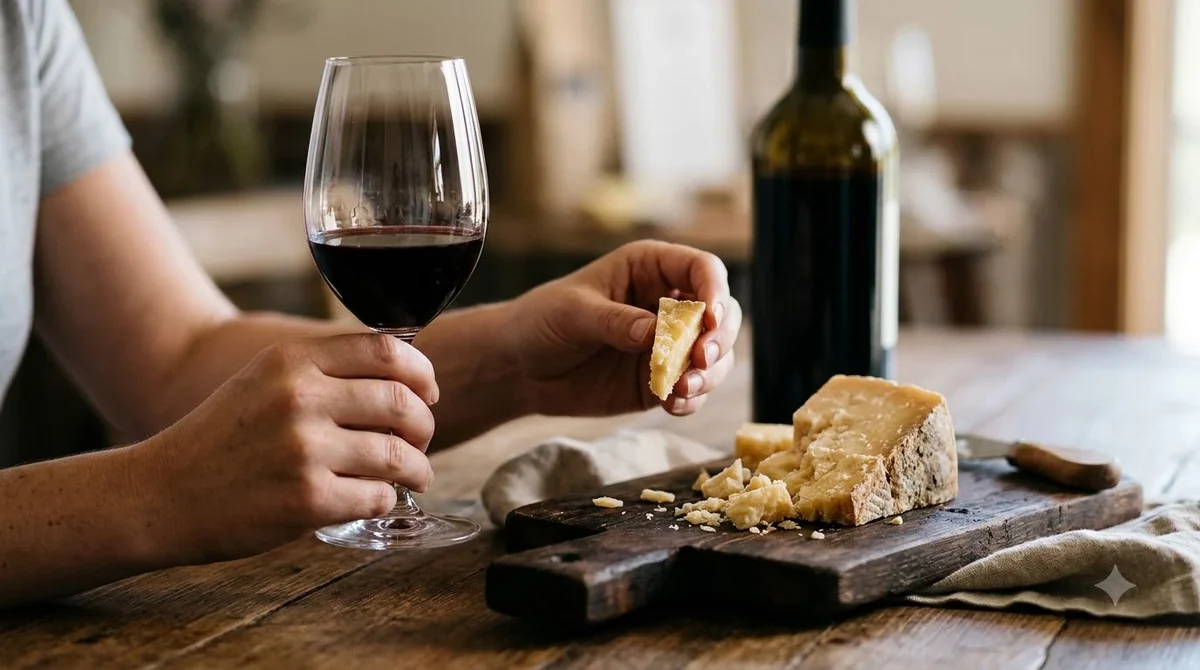
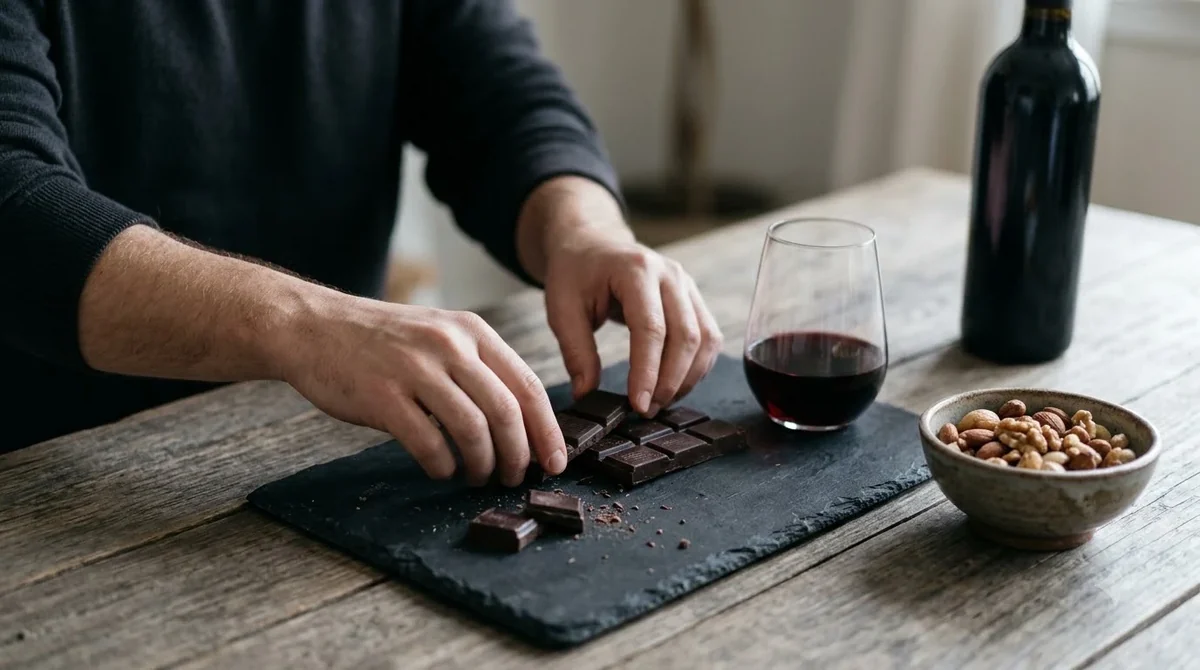
Arneis works best with light proteins and with dishes built on fruit, nuts, citrus or herbs. Its acidity is gentle, so it suits food that is not very oily or sharp.
Wine Folly suggests seared scallops with a citrus butter sauce and toasted almonds, and roast chicken stuffed with pear and thyme, served with creamy risotto. The page also pairs the wine with a frittata. For a simple match at home, try a plate of fresh goat cheese with pear slices, or grilled white fish with lemon and herbs.
If you are building a wider list of whites, our guide to wine by type groups the main styles together. For another Italian white with an unusual character, see our pecorino grape guide.
How to Choose an Arneis Bottle
Choosing an Arneis is easier once you know what the label should tell you. Start with the origin. A bottle from the Roero zone usually reflects the classic style of the grape, while a bottle from another part of Piedmont or from a different country may show a slightly different profile. Check the producer’s name as well, since the grape is made by many small estates, and a family winery will often describe its approach to the vineyard on its website.
Look at the vintage too. Because Wine Folly suggests drinking Arneis within a few years, a recent vintage is the safer choice for a bottle you plan to open soon. If you are buying for a dinner, ask a shop staff member which bottles arrived most recently. Arneis is not a wine that improves with long storage, so freshness matters more than age.
- Choose a bottle labeled with the Roero name if you want the classic style.
- Pick the most recent vintage on the shelf for the freshest fruit.
- Read the back label for the producer’s description of the wine’s texture and aromas.
Frequently Asked Questions
Is arneis wine sweet or dry?
Arneis is traditionally made as a dry wine. Its fruit and honey aromas can make it seem slightly sweet to some drinkers, but the style is dry.
What does arneis wine taste like?
Most bottles show peach, yellow apple, honey and almond, with a rounded, slightly waxy texture and moderate acidity. It has no tannin, so it feels smooth rather than dry in the mouth.
How long can you keep arneis wine?
Wine Folly suggests a cellaring window of about 0 to 3 years, so arneis is best enjoyed within a few years of the vintage. Keep the bottle cool and out of direct light while you wait.
What food goes best with arneis?
Seafood, roast chicken, pear-based dishes and light cheeses are all good matches. Choose dishes with citrus, herbs or toasted nuts, which pick up the wine’s fruit and almond notes.
Arneis is an easy step beyond the usual whites on a restaurant list. Start with a bottle labeled Roero Arneis, serve it cool in a white wine glass and pair it with something simple, like roast chicken or scallops. You will get a clear sense of how its texture and fruit work at the table.
More in Wine Types & Grapes
 Zinfandel Sugar Content: Dry Red vs. White Zinfandel GramsUpdated Nov 21, 2026
 Best Zinfandel Substitute Options for Sipping and CookingUpdated Nov 21, 2026
 Zweigelt Food Pairing: Best Dishes, Cheeses, and Serving TipsUpdated Nov 21, 2026
 Zinfandel Tannins Explained: How Structure Shapes Every BottleUpdated Nov 21, 2026
 Zinfandel Sweetness Level: Dry Red vs. Sweet White Zin ExplainedUpdated Nov 21, 2026
 Xinomavro Food Pairing: Best Dishes, Styles, and Serving TipsUpdated Nov 21, 2026