

We may earn a commission when you buy through links on this page, at no extra cost to you. Learn more.
Touriga nacional grape is the red variety from Portugal that gives port its depth, and it now also shows up in dry reds. It has thick skins, tiny berries, and high tannin, so the wines it makes are dark, aromatic, and built to age. Its best-known home is the Douro Valley, with the Dão region also growing more of it for table wine.
If you have seen touriga nacional on a Portuguese label or a port list and wondered what to expect, this guide covers the grape itself: where it grows, how it tastes, the styles it goes into, and which foods suit it. The information comes from the sources linked below, so you can check the details yourself.
What touriga nacional grape is
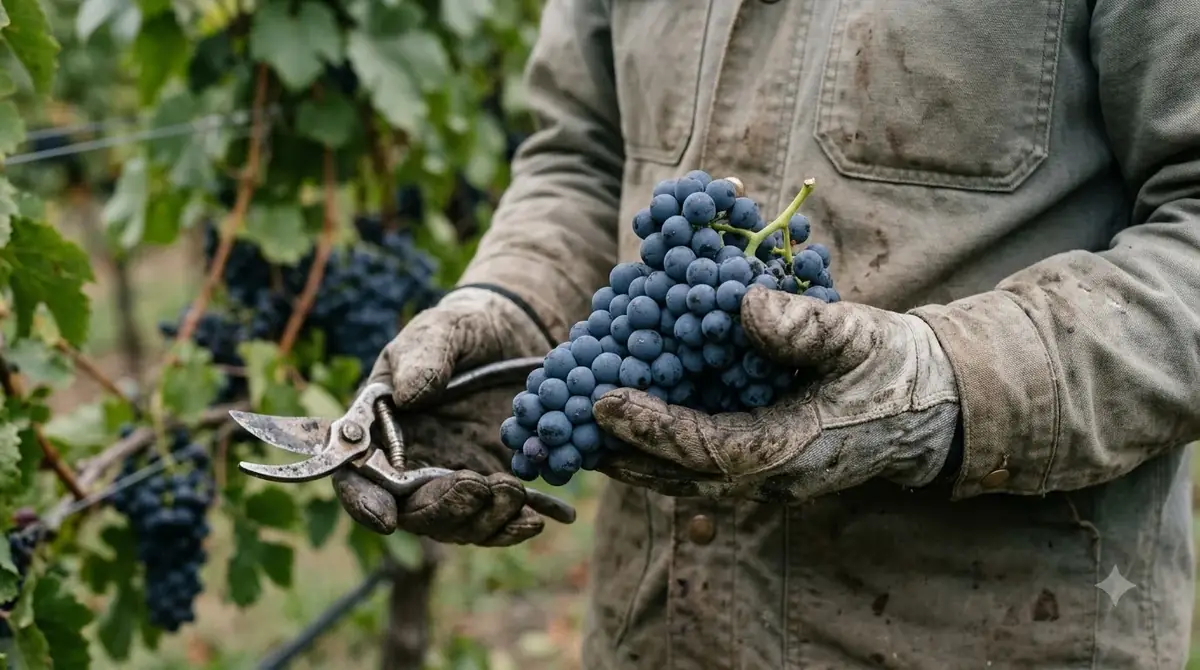
Touriga nacional is a red wine grape native to Portugal. Reviewers often describe it as one of the country’s finest varieties, and it was originally valued for its role in port. Most of the grape’s character comes from its small berries, which have a high ratio of skin to juice. That ratio pulls more color, tannin, and aroma into the wine.
Because the grape is so concentrated, winemakers usually use it as one part of a blend. In port, it is one of the key components of the best examples. In dry reds, it is either the main variety or a backbone for a blend.
Flavor profile and structure
Touriga nacional is known for dark fruit and floral lift. Tasting notes commonly include blueberry, violet, plum, and mint, with a mineral note that some tasters compare to wet slate. The wine tends to be full-bodied, with high tannin and medium-high acidity. That mix keeps it structured even when the fruit is ripe.
Texture is the second thing drinkers notice. The wine feels dense on the palate, and the medium-high acidity keeps that density from turning heavy. That balance is why touriga nacional often reads as fresh even when its fruit is deep and dark.
The tannins are the first thing most drinkers notice. They are firm and grippy in young wines, which is why many producers give the grape time in barrel or bottle before release. As the wine ages, the tannin softens and the fruit takes on more savory, earthy tones.
Where touriga nacional grows
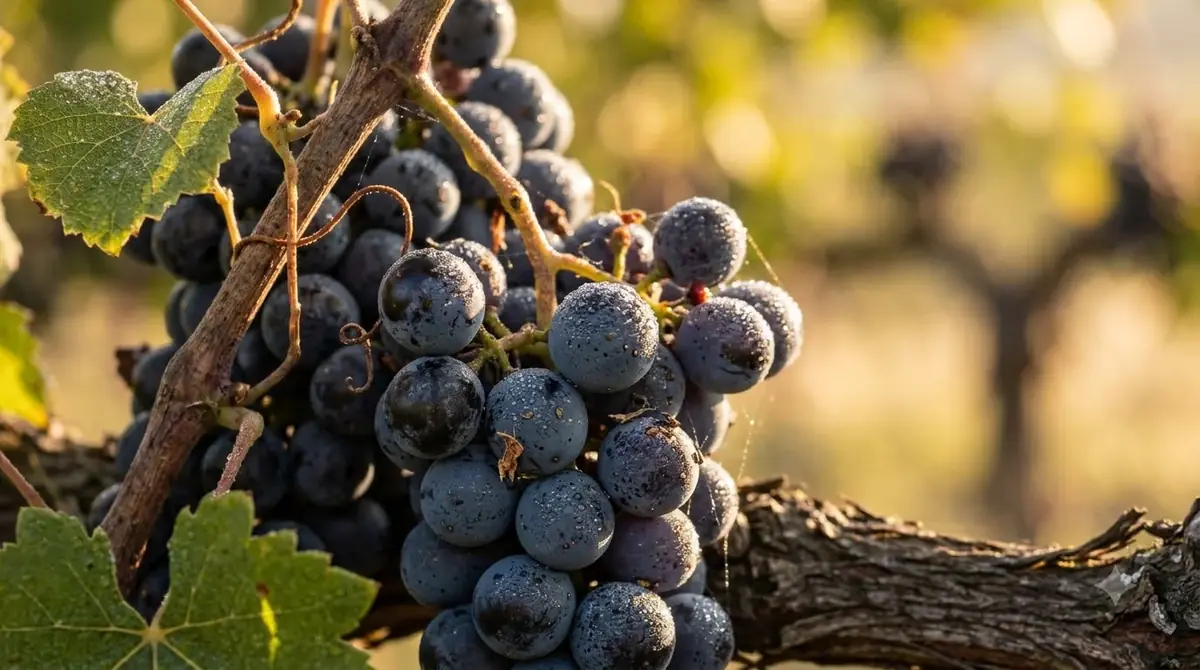
The grape grows in several parts of northern and central Portugal, but two regions define it. The Douro Valley is the most important. Its vineyards sit on steep schist slopes in a hot climate, and the grape is a small share of total Douro production even though it plays a major role in the blends for the best ports. The Dão region is the second key area, and winemakers there are using more touriga nacional for table wines alongside the Douro.
In the late 1990s, Portugal had about 2,760 hectares planted with the variety, which shows how much of the country’s red wine identity rests on a relatively small acreage.
Wine styles you will see on the label
Touriga nacional appears in three main styles. The first is port, a fortified wine where the grape adds color, structure, and length. The second is single-varietal red table wine, usually from the Douro or Dão, where the grape is the main voice. The third is the red blend, where it sits alongside other Portuguese grapes to add depth and aroma.
Port is the style most people associate with the grape, and it is made by adding a spirit to the fermenting wine so that some of the sugar remains. The grape’s tannin and concentration help the finished port hold up to that sweetness over time. Dry touriga nacional, by contrast, relies on fruit and structure alone, so the grape’s natural acidity and tannin show more clearly.
When you buy a dry touriga nacional, check whether the label names the variety. A single-varietal bottle tells you more about the grape, while a blend shows you how the winemaker balanced it against other reds.
| Aspect | What to expect |
|---|---|
| Main regions | Douro Valley and Dão, Portugal |
| Typical flavors | Blueberry, violet, plum, mint, wet slate |
| Tannin and acidity | High tannin, medium-high acidity |
| Body | Full |
| Common styles | Port, single-varietal red, red blend |
How to choose a touriga nacional bottle
Choosing a touriga nacional depends on what you want from the glass. If you like dark, aromatic reds with a firm backbone, a single-varietal dry red from the Douro is the most direct way to taste the grape. Look for the words “touriga nacional” on the front label rather than only on the back, because a single-varietal bottle shows the grape’s character without other varieties softening it.
If you prefer a softer red for weeknight dinners, a blend may suit you better. Portuguese blends pair touriga nacional with other local grapes, and the result is often easier to drink young. Port is a different choice altogether. Its sweetness and higher alcohol make it a dessert or after-dinner wine, and tawny and ruby styles show the grape in very different ways.
Age also matters. Young touriga nacional is firm and fruit-forward, and it benefits from a little air or a few years in the bottle. Older bottles tend to show more earthy, savory notes, but that depends on the producer and the vintage, so check the producer’s notes before you buy.
How to serve and pair touriga nacional
Because the wines are tannic and full, they work best with food that has fat and protein to balance the grip. A thick-cut steak finished with compound butter or a blue cheese is a classic match, since the richness softens the tannin and the cheese echoes the wine’s aromatics. Lamb, roasted game, and braised beef also pair well with dry touriga nacional.
For port, the usual advice is to match sweetness with dessert. A dark chocolate dessert or a nutty cheese suits a tawny or ruby style. For dry reds, give the bottle some air before pouring, especially if it is young and tight.
Tip: If a young touriga nacional tastes closed, decant it for an hour or open it early. The tannin usually relaxes and the fruit comes forward.
Frequently Asked Questions
Is touriga nacional the same as port?
No. Touriga nacional is a grape. Port is a fortified wine that can be made from touriga nacional and other Portuguese varieties. Dry red wines can also be made from the grape without fortification.
What does touriga nacional taste like?
Tasting notes often include blueberry, violet, plum, and mint, with a mineral, wet-slate note. It is full-bodied with high tannin and medium-high acidity.
Where is touriga nacional grown?
The Douro Valley and the Dão region in Portugal are the main places. The Douro is known for steep schist vineyards and for supplying the best port blends.
What food goes well with touriga nacional?
Fatty, protein-rich dishes such as a thick steak, lamb, or roasted game balance its firm tannin. Blue cheese is a good match for the wine’s aromatic character.
Touriga nacional is also a good grape to explore if you already enjoy bold reds from other regions and want something with a clear regional identity. Its tannin and dark fruit will feel familiar to anyone who likes structured Cabernet-style wines, while its violet and mineral notes give it a character that is distinctly Portuguese.
Touriga nacional is one of the grapes that makes Portuguese red wine distinctive. Start with a single-varietal dry red from the Douro or Dão if you want to taste the grape on its own, then try a port to see how the same variety behaves when fortified. You can read more about the variety on the assyrtiko grape page, or browse the Wine by Type guides to compare other styles.
For background on the grape’s history and regions, see the Wine Folly touriga nacional profile and the Wikipedia entry on Touriga Nacional.
More in Wine Types & Grapes
 Zinfandel Sugar Content: Dry Red vs. White Zinfandel GramsUpdated Nov 21, 2026
 Best Zinfandel Substitute Options for Sipping and CookingUpdated Nov 21, 2026
 Zweigelt Food Pairing: Best Dishes, Cheeses, and Serving TipsUpdated Nov 21, 2026
 Zinfandel Tannins Explained: How Structure Shapes Every BottleUpdated Nov 21, 2026
 Zinfandel Sweetness Level: Dry Red vs. Sweet White Zin ExplainedUpdated Nov 21, 2026
 Xinomavro Food Pairing: Best Dishes, Styles, and Serving TipsUpdated Nov 21, 2026