

We may earn a commission when you buy through links on this page, at no extra cost to you. Learn more.
Sancerre wine is a crisp, dry white from the Sauvignon Blanc grape, made in a hillside appellation in the eastern Loire Valley of France. Classic bottles are bone dry and aromatic, with flavors of gooseberry, grapefruit and white peach. The appellation also makes smaller amounts of Pinot Noir red and rosé, but the white is the wine most people mean when they ask for Sancerre.
Sancerre is one of the best-known names in French white wine, and it appears on many restaurant lists in the United States. It is also easy to misunderstand. The name refers to a place and a set of rules, not to a single grape or house style. This guide explains what Sancerre wine tastes like, how the region shapes it, how to serve it and how to choose a bottle.
What Sancerre wine tastes like
Sancerre white is highly aromatic and very dry. Typical aromas include gooseberry, grapefruit zest, lime, green herbs and white peach, and many people also notice a flinty or chalky note that gives the wine its mineral character. Acidity is high, so the wine feels bright and clean on the palate even when the body is medium.
Wine writers often describe classic Sancerre blanc as bone dry and intensely fruity. Compared with other Sauvignon Blancs, Sancerre usually shows a fuller body and more pronounced aroma, while still keeping the crisp finish that the grape is known for.
Wine Folly describes Loire Sauvignon Blanc as having high, racy acidity, a medium-light body and no tannins, with typical flavors of gooseberry, honeydew, grapefruit, white peach and passion fruit. The flint-rich silex soils add a smoky, gunflint quality to the best examples, which is why the mineral note stands out so clearly. The Wine Folly Sauvignon Blanc guide explains the grape’s profile in more detail.
Where Sancerre comes from
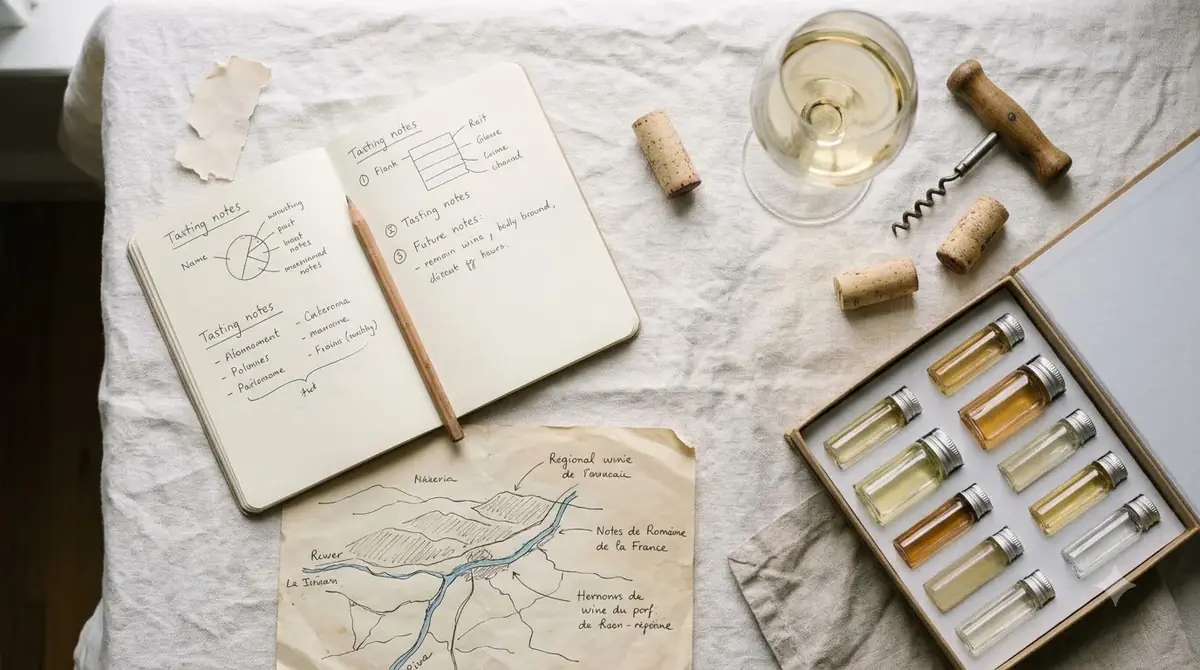
Sancerre is a hilltop area in the Cher department of the Centre-Val de Loire region, overlooking the Loire River. The appellation covers 14 communes, and the white wine received its AOC status in 1936. Red wine from the same area was recognized in 1959, and the boundaries were most recently revised in 1998.
Soils are the main reason the wines differ from one vineyard to another. The region has zones of flint, known locally as silex, around the town of Sancerre, along with limestone and gravel nearer the river and clay and limestone in the western reaches. Some areas near Chavignol have Kimmeridgian marl. Growers and critics often link the flinty style to the silex soils, though the exact effect varies by vineyard and vintage.
Before the late nineteenth century the area was better known for Pinot Noir reds. After phylloxera destroyed many vineyards, growers replanted with Sauvignon Blanc, and that change set the course for the modern appellation. For a broader view of the grape families, the wine types guide places Sauvignon Blanc alongside other white varieties.
| Color | Main grape | Share of output (approx.) | What to expect |
|---|---|---|---|
| White | Sauvignon Blanc | Most of the appellation | Dry, aromatic, gooseberry and citrus |
| Red | Pinot Noir | About one-fifth | Light to medium, red fruit, earthy notes |
| Rosé | Pinot Noir | Under one percent | Dry and pale, with red berry fruit |
How to serve Sancerre
Serve Sancerre white well chilled, but not as cold as a sparkling wine. Chilling it lightly keeps the aromas expressive, and Wine Folly gives 45 to 55°F (7 to 12°C) as the general serving range for Sauvignon Blanc. Pour it into a standard white wine glass so the aromas gather near the rim. Most bottles are meant to be drunk young, within a few years of the vintage, although the top flinty examples from the town of Sancerre are often said to have the longest aging potential in the region.
The red and rosé styles are usually served cool rather than cold. A light chill brings out the fruit in Pinot Noir without making it taste thin.
Food pairings for Sancerre
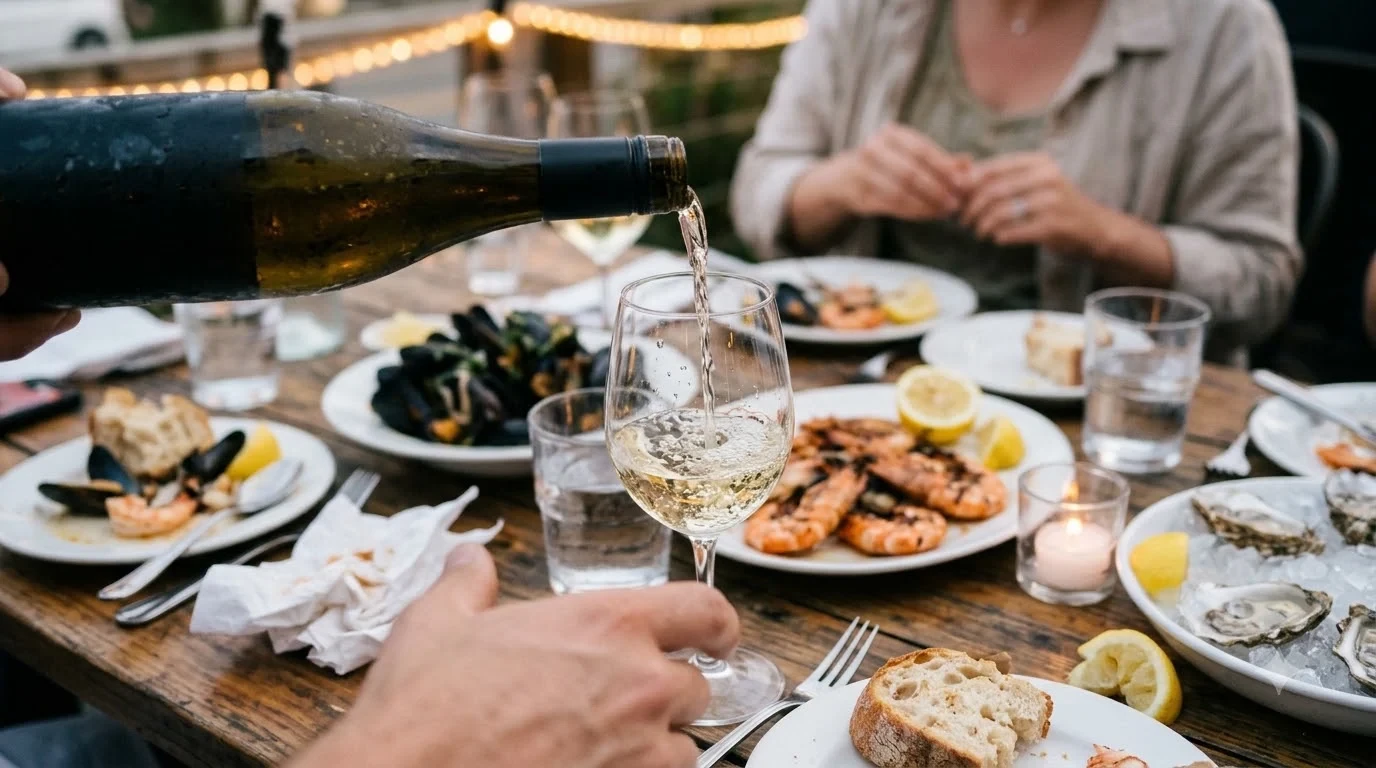
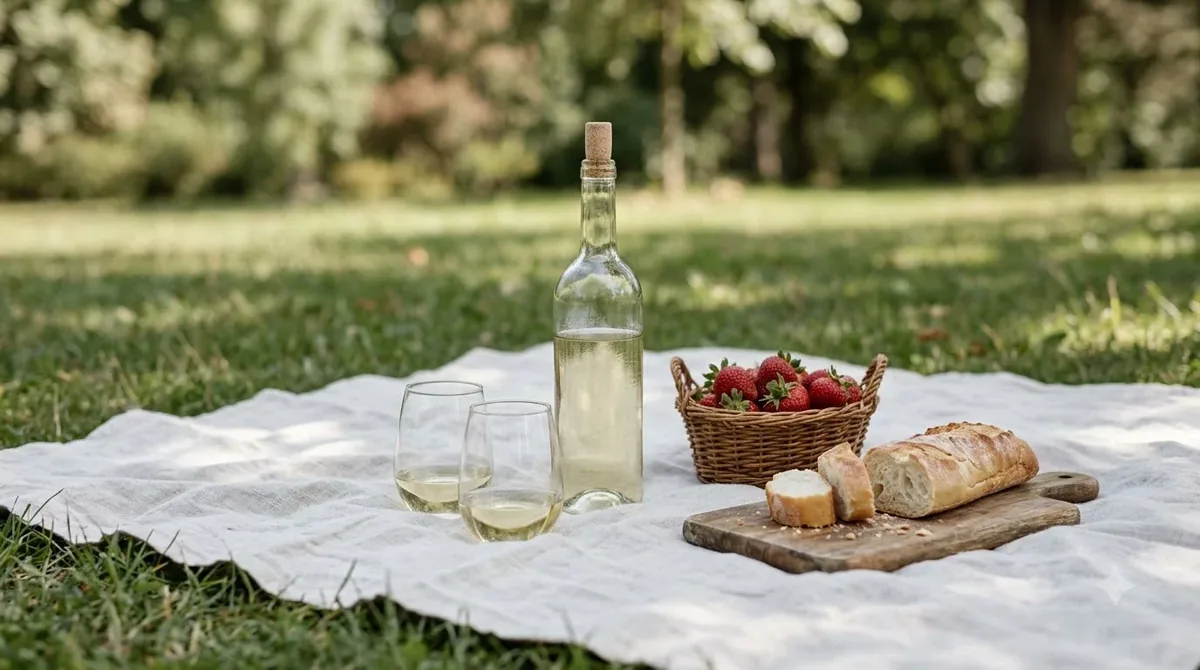
Sancerre is a classic partner for goat cheese, especially fresh, tangy styles from the same region. The acidity cuts through the richness of the cheese, and the citrus and herbal notes match the flavor. It also pairs well with oysters, shellfish, grilled fish and dishes with fresh herbs such as dill, chives or tarragon.
The wine works with lighter poultry and vegetable dishes too, especially those with asparagus or green beans. Because it is dry and not heavily oaked, Sancerre rarely overwhelms delicate food. Heavy red meat is a poor match for the white, but the Pinot Noir reds can handle roast chicken or salmon.
Tip: If a bottle tastes thin or sharp, let it warm for a few minutes in the glass. The fruit and body usually become easier to read.
How to choose a bottle
Start by checking the label for the appellation name and the vintage. A recent vintage will show the bright fruit most clearly. If you prefer a fuller style, look for producers who make wine from the town’s flinty soils, since many wine writers note a more mineral character in those examples. If you want a lighter, easy-drinking glass, a simpler bottle from the wider appellation often delivers good value.
If you enjoy the style but want something sweeter and less dry, the moscato wine guide covers a different kind of white. For a bolder contrast, the cabernet sauvignon wine page shows how a full red differs in weight and flavor.
For a reference on the appellation’s history and grapes, the encyclopedia entry on Sancerre wine gives the official dates and vineyard figures.
Sancerre compared with other Loire whites
Sancerre is often compared with Pouilly-Fumé, a neighboring appellation on the opposite bank of the Loire that also makes Sauvignon Blanc. Both wines show high acidity and a clear fruit core. Many tasters find Sancerre a little rounder and more aromatic, while Pouilly-Fumé can feel leaner and more smoky. Differences in soil and producer style make the line between them blurry, so tasting side by side is the best test.
Muscadet, from the Atlantic end of the Loire, is another white that shares the same bright acidity. It is usually lighter and more saline, and it suits simple seafood. Vouvray, made from Chenin Blanc, can be dry, off-dry or sweet, which gives it a broader range than Sancerre. Knowing these neighbors helps when a restaurant list does not carry the bottle you want.
When you buy a Loire white, look at the appellation name first. A Sancerre bottle will say so clearly on the label, and that name is a reliable signal of the grape and the style. The producer’s name then tells you more about how the wine was made, from fermentation to how long it rested before release.
Frequently Asked Questions
Is Sancerre a grape or a region?
Sancerre is a place and an appellation. The white is made from Sauvignon Blanc, and the appellation also covers Pinot Noir red and rosé from the same area.
Is Sancerre wine sweet?
No. Classic Sancerre white is bone dry. Its fruit flavors can taste ripe, but the wine has no sweetness and high acidity.
What is the difference between Sancerre and other Sauvignon Blanc?
Sancerre often shows a fuller body, more pronounced aromas and a flinty note from its soils. Sauvignon Blanc from other regions can be lighter and more herbal.
How long should I keep Sancerre?
Most bottles are best within a few years of the vintage. Top flinty examples from the town can age longer, but a typical everyday bottle is ready to drink on release.
Sancerre wine rewards a simple approach: pick a recent vintage, serve it cool and match it with fresh goat cheese, shellfish or herbs. Once you know its gooseberry and flint character, it becomes easy to spot in any wine list.
More in Wine Types & Grapes
 Zinfandel Sugar Content: Dry Red vs. White Zinfandel GramsUpdated Nov 21, 2026
 Best Zinfandel Substitute Options for Sipping and CookingUpdated Nov 21, 2026
 Zweigelt Food Pairing: Best Dishes, Cheeses, and Serving TipsUpdated Nov 21, 2026
 Zinfandel Tannins Explained: How Structure Shapes Every BottleUpdated Nov 21, 2026
 Zinfandel Sweetness Level: Dry Red vs. Sweet White Zin ExplainedUpdated Nov 21, 2026
 Xinomavro Food Pairing: Best Dishes, Styles, and Serving TipsUpdated Nov 21, 2026