

We may earn a commission when you buy through links on this page, at no extra cost to you. Learn more.
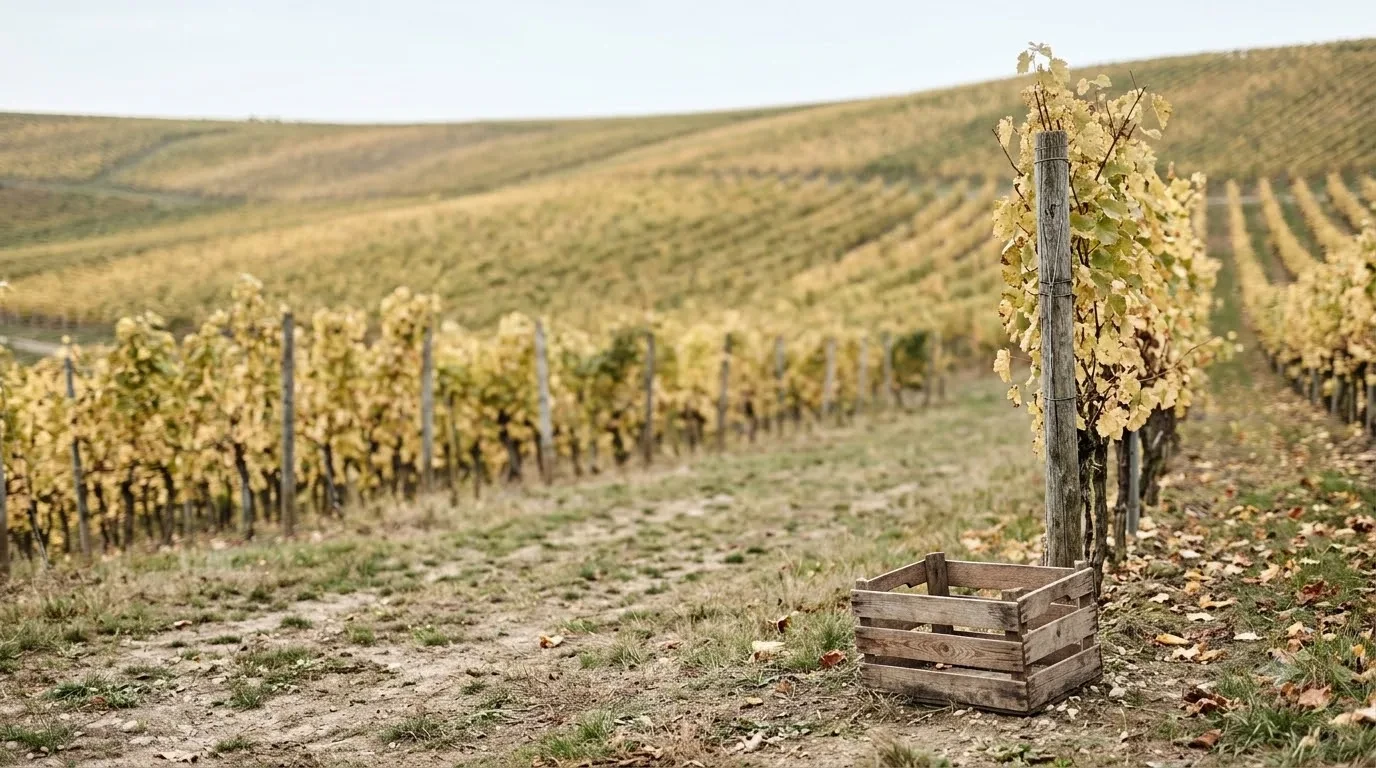
Barolo wineries are the estates that make Barolo DOCG, the Nebbiolo red from the Langhe hills of Piedmont in northern Italy. The zone covers 11 communes around the town of Alba, and most of the production comes from a small group of villages. Visitors and buyers tend to focus on the cellars in La Morra, Barolo, Serralunga d’Alba and Monforte d’Alba, where the wines differ noticeably from one valley to the next.
This guide explains where Barolo wineries are located, how the two main valleys shape the wines, what to look for when choosing a producer, and how to plan a visit. It is meant for wine lovers who want more than a shelf label and for travelers who want to understand the region before they arrive.
What Barolo DOCG is and where the wineries sit
Barolo is a DOCG red wine made from Nebbiolo, and DOCG rules require the wine to be made from 100 percent of that grape. According to the Wikipedia entry on Barolo, the zone lies a little over 11 kilometers southwest of Alba, in the province of Cuneo. The rules also require at least 36 months of aging after harvest, with at least 18 of those in wood.
The wineries are spread across hillside villages rather than gathered in one town. Barolo, Castiglione Falletto and Serralunga d’Alba are named in full in the zone, and parts of several other communes are included. Because the appellation is compact, a single day can take you through several villages and very different landscapes, which is part of its appeal for visitors.
If you want to understand how this region compares with other classic wine areas, the Wine Regions hub gives an overview of the major appellations and the styles they produce.
The two main valleys and the styles they produce
The zone is often described in terms of two valleys. The Central Valley, which includes Barolo and La Morra, tends to produce wines that are more perfumed and can be approachable at an earlier age. The Serralunga Valley to the east is known for more austere wines that need longer aging. Sources describe the difference as a matter of both elevation and soil, with the western communes generally associated with lighter styles and the eastern ones with bolder, more structured bottles.
Most of the zone’s production comes from a core of five communes: Barolo, La Morra, Castiglione Falletto, Serralunga d’Alba and Monforte d’Alba. Barolo and Castiglione Falletto are often described as the heart of the zone. When you visit a winery, ask which valley its vineyards sit in, because that single detail explains a lot about how the wine will taste.
The soils are part of the story. Descriptions of the region point to limestone-rich ground in the lighter communes and to sandstone in the bolder ones. You do not need to memorize the geology, but a producer who can explain how its vineyards differ will usually give you a clearer sense of the house style.
How many wineries there are and who makes the wine
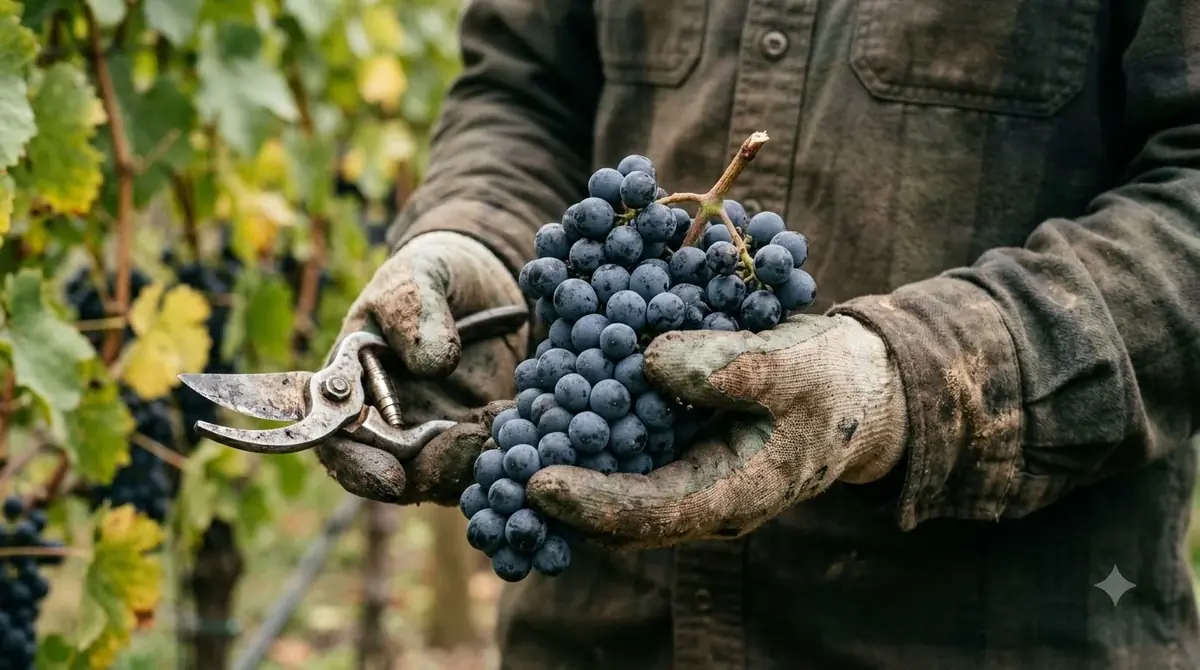
There is no single official count of producers in the zone that is easy to find online, so figures vary by source. One regional guide estimates roughly 600 wineries, and a producer-focused source notes that La Morra alone has dozens of wineries located within the village. Many of these are small family estates that sell most of their wine directly, alongside larger houses that buy grapes from many vineyards. VinePair’s Barolo guide calls the appellation one of the most significant in the world and names Fontanafredda as an iconic producer, which is a useful starting point if you want to compare estates.
The range is wide. Some producers focus on a single vineyard and bottle it separately, while others blend fruit from several sites into a broader Barolo. Neither approach is automatically better. Single-vineyard bottlings show the character of one place, and blends can offer a more consistent style from year to year.
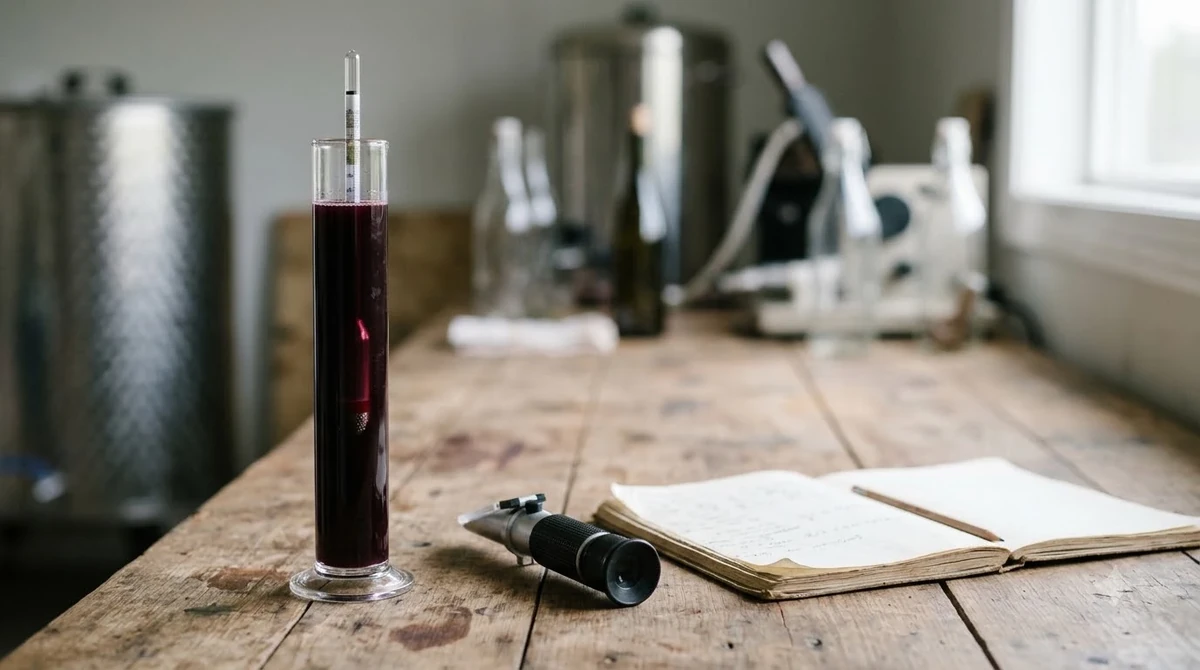
Small estates often work differently from the larger houses. A family winery may farm a modest set of vineyards, make wine in modest volumes and sell most bottles through its own cellar door or to a short list of loyal buyers. Larger houses have more vineyards, broader distribution and a more predictable house style. Both can make excellent wine, so the useful question is what kind of bottle you want, not which size of estate is better.
Producers also differ in how they handle wood and time. Some use large traditional botti, while others use smaller barrels or a mix of sizes. Ask what the cellar does and why. The answer tells you whether the house is aiming for a classic, long-aging profile or a more fruit-forward expression of the same grape.
Vineyards to ask about when you visit or shop
The zone has no official cru classification, but many vineyards are widely cited as important sites. Examples often mentioned in regional literature include Cannubi, Sarmassa, Brunate, Cerequio, Rocche, Monprivato, Lazzarito, Vigna Rionda, Bussia and Ginestra. Each one carries its own reputation, and producers often use the vineyard name on the label as a signal of origin.
When you talk with a winemaker, asking which vineyards supply their Barolo is a good way to start. It shows how the house thinks about the zone and gives you a practical way to compare bottles. Look for clear answers about the valley, the soil and the aging regime rather than vague claims about tradition.
Barolo is traditionally served with rich, savory food. Braised meats, aged cheeses and dishes built on mushrooms or truffles are classic partners, and the tannins in a young bottle need food to feel balanced. If you are tasting at the estate, ask the staff what they would serve with the wine, since many producers have a favorite pairing for each bottling.
Planning a visit to the Barolo wineries
Most estates work by appointment, especially the smaller family wineries, so reserve a time before you travel. Plan your route around the villages you want to see, because the hills are steep and driving between them takes longer than the map suggests. A realistic plan is two or three cellars in a day, with time for lunch and a walk through the vineyards.
Ask the tasting staff what they recommend for your palate. Some visitors want a young Barolo to compare with an older bottle, while others prefer to start with a lighter style and move toward the austere ones. Many estates also sell wine by the bottle, so you can bring home what you enjoyed most. If you are shipping, check local rules before you buy.
How to choose a Barolo producer when you shop
When you choose a bottle, start with the producer’s name and then look at the vineyard and vintage. A producer whose label names its valley or vineyard is giving you more information than one that uses only the appellation. Vintage matters too, because weather varies from year to year and that changes the balance of fruit and tannin.
For a more approachable entry point, look at Barolo labeled with a village or a lighter-style producer. For a more intense, long-aging wine, look at bottlings from the Serralunga side. The same logic applies in other classic regions too, where one grape can produce a wide range of styles depending on the site, as the Sancerre wineries guide describes for the Loire.
Frequently Asked Questions
Where are most Barolo wineries located?
Most are in the Langhe hills of Piedmont, around the villages of La Morra, Barolo, Serralunga d’Alba, Monforte d’Alba and Castiglione Falletto. The zone sits southwest of Alba, in the province of Cuneo.
Do I need an appointment to visit a Barolo winery?
Usually yes, especially for small family estates. Booking ahead ensures someone can take you through the cellar and the tasting, and it helps you plan a realistic route between villages.
What is the difference between Central Valley and Serralunga Barolo?
Central Valley wines, from areas such as Barolo and La Morra, are generally described as more perfumed and earlier drinking. Serralunga wines are often more austere and need longer aging before they show their best.
Is Barolo the same as Barbaresco?
No. Both are Nebbiolo wines from Piedmont, but they come from different zones and have different rules. Barolo has a longer minimum aging requirement and a wider range of villages and styles.
Barolo wineries reward a slow approach. Pick a few villages, ask about valleys and vineyards, and taste across both sides of the zone if you can. Whether you are planning a trip or choosing a bottle to take home, the producer and its vineyards will tell you more about the wine than the name on the label alone.
More in Wine Regions
 Willcox Wine Trail: Discover Arizona’s High-Elevation Wine CountryUpdated Nov 20, 2026
 Yakima Valley Wine Region: Find the Best Styles to TryUpdated Nov 20, 2026
 Vosne Romanee Wine Tasting: Identify Aromas and Choose Better PairingsUpdated Nov 20, 2026
 Yakima Valley Wine Festival: Find the Best Seasonal Wine EventsUpdated Nov 20, 2026
 Wales Vineyards: Discover Cool-Climate Wines and Where to VisitUpdated Nov 20, 2026
 Yountville Wine Festival: Discover Napa Wines and Local FoodUpdated Nov 20, 2026