


We may earn a commission when you buy through links on this page, at no extra cost to you. Learn more.
What is mead? Mead is an alcoholic drink made by fermenting honey with water, and it is one of the oldest fermented drinks people know. Honey supplies most of the sugar, so the taste follows the honey rather than grapes or grain. Mead can be dry and crisp, sweet and rich, or strong enough to sip slowly after a meal.
Mead is often described as the drink that sits between wine and beer, but it does not fit neatly into either group. It has its own history, its own style names, and its own way of tasting. This guide explains how mead is made, the main styles you will see on a label, how it compares with grape wine, and how to serve it at home.
How mead is made
Mead needs only a few ingredients: honey, water, yeast, and time. The maker mixes honey with water, adds yeast, and lets the yeast consume the sugars and produce alcohol. Brewing guides commonly start from a ratio near one part honey to four parts water, with lighter, easier-drinking versions using more water. The result depends on how much honey goes in and how the fermentation is managed.
Fermentation is not instant. Depending on the recipe and the yeast, a mead can take weeks to finish, and many makers let it rest for additional months before bottling so the flavors blend and the harsher edges soften. Some producers age their meads in oak, which adds vanilla and toasty notes, while others keep the drink clean and unoaked to let the honey lead. Age and oak treatment are both worth noting on the label, since they change the mouthfeel as much as the flavor.
The yeast strain matters as much as the honey. Some strains ferment nearly every available sugar, which produces a dry mead, while others leave residual sweetness behind. Some producers stop fermentation early on purpose to keep the drink sweet, and others let it finish fully dry. Because of this, two meads made with the same honey can taste very different on the palate.
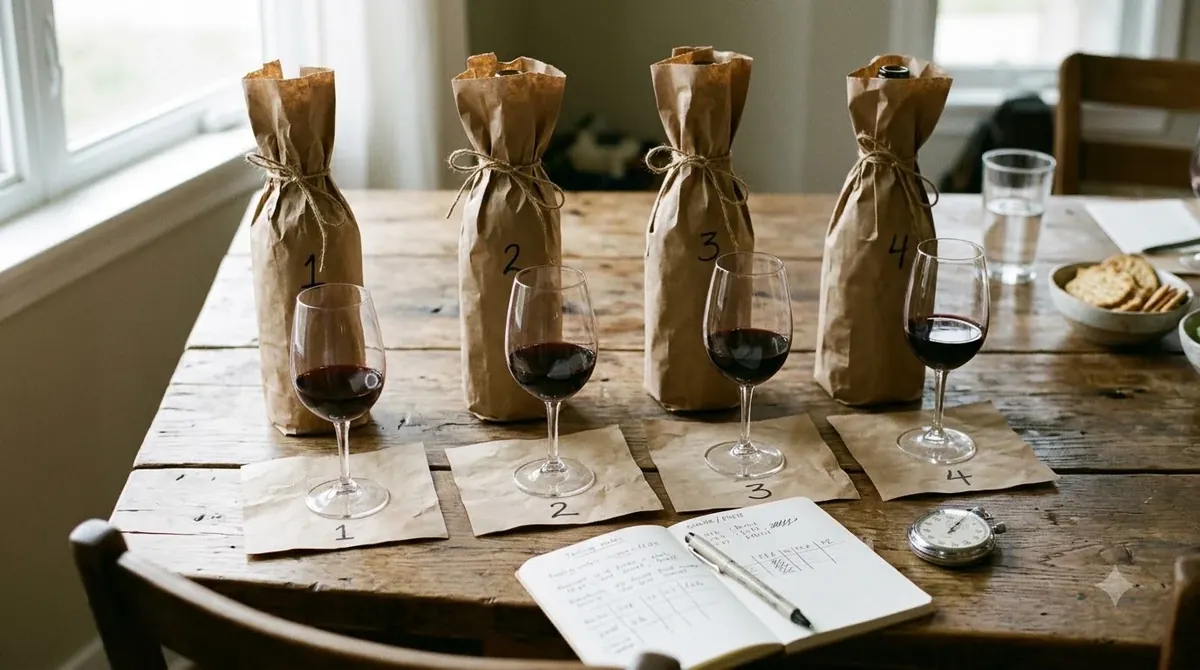
Mead styles you will see on a label
Mead is a broad category, and brewers use specific names to describe what they added. The Wikipedia entry on mead lists several recognized styles, and knowing them makes shopping easier. Each one signals a different kind of drink. VinePair’s mead guide adds that melomel, a blend of honey and fruit, is the main style of modern craft mead, and that it can taste as intense as a fruit wine.
| Style | What it means |
|---|---|
| Traditional (show mead) | Made only with honey, water, and yeast |
| Metheglin | Mead with spices or herbs |
| Melomel | Mead with fruit |
| Pyment | Mead made with grapes |
| Braggot | A blend of malt and honey, sometimes with hops |
| Bochet | Mead made with caramelized honey |
| Sack mead | A strong, honey-rich style, generally at or above 14% ABV |
Braggot deserves a closer look because it sits at the border between mead and beer. Brewers blend malt with honey, and some add hops for bitterness. The result is often rich and bready, with honey adding a lift that plain malt beer rarely has. Many drinkers who avoid sweet wines find braggot a good middle ground.
Strength is the other thing to check. According to Wikipedia, the alcohol content of mead ranges from about 3.5% ABV to more than 20%. A light, session-style mead and a sack mead can both be called mead, so the strength listed on the label is the most useful number when you are comparing bottles.
What mead tastes like
Honey brings floral, perfumed, and sometimes earthy flavors, and the variety of honey shapes much of the character. Light meads can taste crisp and clean, with a delicate honey aroma. Heavier meads feel rounder and more syrupy. Added fruit pushes the profile toward berries, apple, or citrus, and added spice gives a warm, herbal finish. A braggot, made with malt, can taste closer to a rich ale than to a grape wine.
Mead lacks the grape skin tannins that give red wine its dry structure, so it usually feels softer in the mouth. A dry cabernet sauvignon will grip your gums in a way mead rarely does. If you already enjoy sweet white wines, a moscato offers a closer point of reference, though the honey aroma gives mead a different signature that is easy to recognize once you have tried a few.
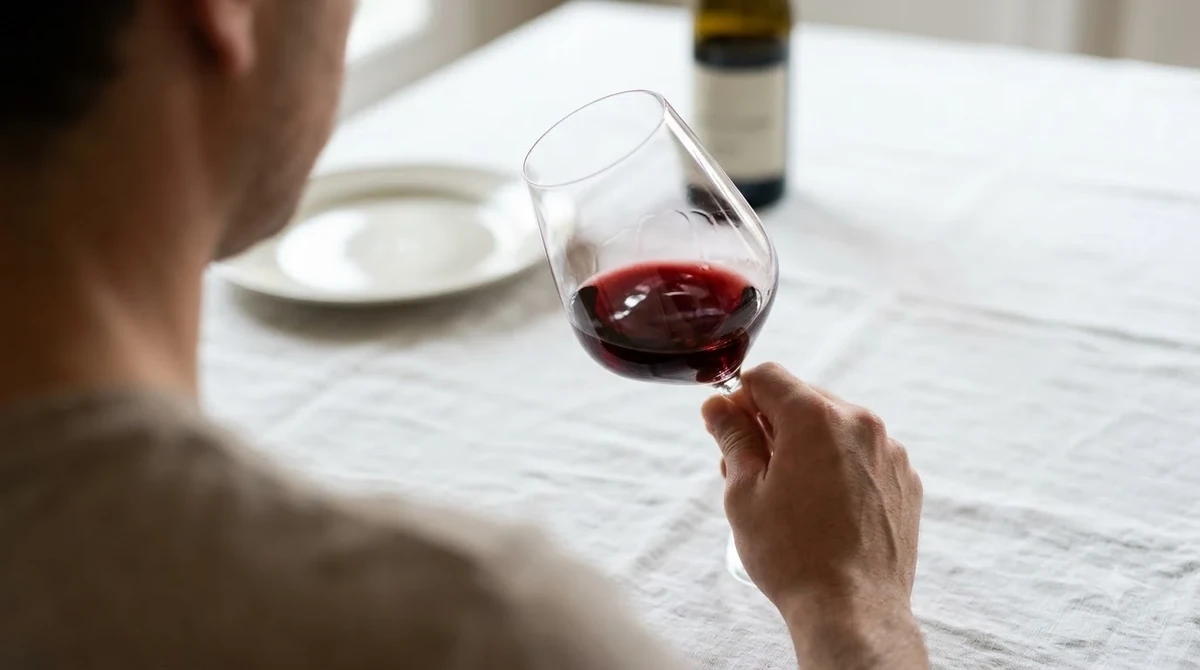
How to serve mead
Most meads are best served chilled. Cooler temperatures keep the aroma bright and help sweeter bottles feel balanced rather than cloying. A standard white wine glass lets the nose develop and is a practical choice at home. Some traditional and spiced styles are also served warm in colder months, and that choice is usually a matter of taste and tradition rather than a rule.
Pair mead the way you would pair a wine with similar sweetness and body. Lighter, drier meads suit fresh goat cheese, salads with citrus dressing, and grilled chicken. Sweeter or spiced meads go well with fruit desserts, aged cheeses, and roasted nuts. Strong sack meads are usually enjoyed alone, served in small pours after a meal.
Tip: Decant a sediment-heavy or unfiltered mead gently, or pour slowly from the bottle, so the yeast and honey particles stay in the bottle rather than in your glass.
How to choose a bottle of mead
Start with the label. The style name tells you what was added, and the strength tells you how heavy the drink will feel. If the label says traditional, expect a clean, honey-forward profile. If it says melomel or metheglin, expect fruit or spice to take center stage. A bottle marked sack or listing a high ABV is better for slow sipping than for a casual glass.
When you are shopping, ask the staff which meads are dry and which are sweet, because the word mead covers both. Many shops group the bottles by sweetness or by style, and that grouping is a useful shortcut. Reading the back label for the producer’s description of the honey source is also worth the time, since it often explains what the honey contributes.
Price and age statements tell you less with mead than they do with wine. Many small producers release a new batch each season, and the honey harvest changes the flavor from one year to the next, so the batch date can matter as much as the bottling date. If the producer names the floral source of the honey, such as clover, orange blossom or wildflower, that detail usually shows up in the glass as a clear aroma note. Buy one bottle of a style you like, then compare a second from a different maker to learn how much the process changes the result.
Frequently Asked Questions
Is mead the same as honey wine?
In most cases, yes. Honey wine is often used as a synonym for mead, and both names describe a drink fermented from honey and water. Some honey-based drinks from other cultures do not fit the mead definition, so check the label for style and ingredients.
Is mead sweet?
It can be either. Sweetness depends on the honey-to-water ratio and on how fully the yeast ferments the sugar. Dry meads are common, and so are sweeter bottles, so read the description or ask the seller before you buy.
How strong is mead?
Strength varies widely. According to the Wikipedia entry on mead, the alcohol content runs from about 3.5% ABV to more than 20%. The label should list the exact figure for each bottle.
Is mead the same as beer or wine?
No. Mead is made mainly from honey, while wine is made mainly from grapes and beer is made from malted grain. Mead can be flavored with fruit, spice, or grain, which is why its styles vary so much.
Mead is a rewarding category for anyone who wants something beyond the usual grape bottle. Try a light, dry style first to learn the honey character, then move toward fruit or spiced versions. For a wider view of the drinks sold under the wine name, the Wine by Type guide places mead next to grape-based styles, and the mead wine page covers the category in more detail.
More in Wine Types & Grapes
 Zinfandel Sugar Content: Dry Red vs. White Zinfandel GramsUpdated Nov 21, 2026
 Best Zinfandel Substitute Options for Sipping and CookingUpdated Nov 21, 2026
 Zweigelt Food Pairing: Best Dishes, Cheeses, and Serving TipsUpdated Nov 21, 2026
 Zinfandel Tannins Explained: How Structure Shapes Every BottleUpdated Nov 21, 2026
 Zinfandel Sweetness Level: Dry Red vs. Sweet White Zin ExplainedUpdated Nov 21, 2026
 Xinomavro Food Pairing: Best Dishes, Styles, and Serving TipsUpdated Nov 21, 2026