


We may earn a commission when you buy through links on this page, at no extra cost to you. Learn more.
What is sake? It is a Japanese alcoholic drink made from fermented rice, water, a mold called kōji and yeast. It is often called Japanese rice wine, but it is brewed more like beer, with rice starch converted to sugar and then to alcohol in the same vessel. Most sake lands between about 15 and 20 percent alcohol by volume, and it can be served chilled, at room temperature or warmed.
Sake sits in an unusual place on many drink menus. It is not wine and not beer, yet it shares features with both. If you have wondered what sake actually is, how it is made, and why there are so many bottle labels, this guide walks through the basics in plain terms.
What sake is made from
The Wikipedia overview of sake lists the same core ingredients. Sake has four main ingredients: rice, water, kōji-kin and sake yeast. Kōji-kin is a mold, usually Aspergillus oryzae, that is grown on steamed rice. It is the key to sake production, because it breaks down the rice starch into sugar, which the yeast then turns into alcohol.
The rice used for sake is not the same as table rice. For readers asking what is sake in terms of ingredients, this is the single biggest difference from everyday food rice. Sake rice grains are larger and have a starchy core that brewers prize. Before brewing, the outer layers are polished away, and the amount removed is one of the most important factors in the finished drink.
Water matters too. Brewers often choose their locations based on the mineral content of local water, since it affects how the yeast behaves and how the final sake tastes.
The Japan Sake and Shochu Makers Association, in its guide to what sake is, makes the same point from the producer side: sake is made from rice, water and koji, and it is “brewed, not distilled.” The association also notes that sake is less acidic than wine and has more umami, and that it can be enjoyed across a range of temperatures. That is why the way you serve it matters as much as the bottle you choose.
How sake is brewed
Sake brewing works differently from both wine and beer. In wine, the grape sugar turns directly into alcohol. In beer, grain starch is converted to sugar in one step and fermented in another. Sake uses a process called multiple parallel fermentation, in which starch becomes sugar and sugar becomes alcohol in the same tank at the same time.
The process is usually carried out in three stages, with rice, kōji and water added in batches so the yeast can build up gradually. Once fermentation finishes, the mash is pressed to separate the liquid from the solids, called lees. The liquid is then filtered and usually pasteurized before aging in cold storage.
Some styles are left unfiltered or unpasteurized, which gives a cloudier, livelier drink. Others are filtered and diluted with water before bottling, which lowers the strength and produces a cleaner, lighter taste. Undiluted sake can be stronger than most bottles, roughly in the high teens by volume, and the diluted version is what most people buy.
| Stage | What happens | Why it matters |
|---|---|---|
| Rice polishing | Outer layers of the grain are removed | Less polishing usually gives a richer, fuller sake; more polishing usually gives a lighter, more floral one |
| Kōji making | Mold grows on steamed rice | Converts starch into fermentable sugar |
| Fermentation | Yeast turns sugar into alcohol in batches | Builds the alcohol and much of the aroma |
| Pressing and filtering | Liquid is separated from lees | Sets clarity and texture |
Types and grades of sake
Sake is sorted into categories that tell you how the rice was milled and whether a little brewer’s distilled alcohol was added. The two broad groups are ordinary sake, often called futsū-shu, and premium special-designation sake. Premium sake is the category most people see on export labels.
Several names describe premium styles. Alcohol strength across these grades is covered in more detail in the sake alcohol content guide. Junmai sake is made with rice, water, kōji and yeast only, with no added alcohol. Ginjō and daiginjō sakes come from rice polished much more heavily, and they tend to be fragrant and delicate. Labels may also use terms such as nigori for cloudy sake, namazake for unpasteurized sake, genshu for undiluted sake and koshu for aged sake.
When you read a label, the grade words are the most useful clue. A junmai or ginjō label tells you more about the style than the brand name does, and the bottle’s own tasting note usually fills in the rest.

How to serve sake
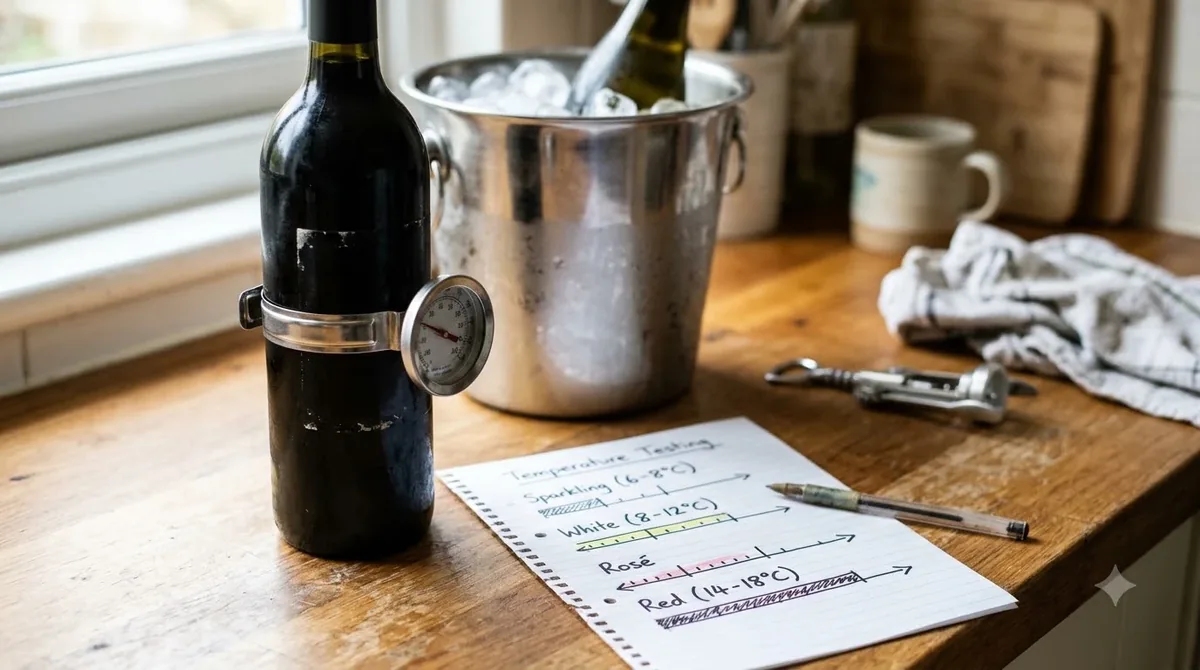
Sake is served in several temperatures, and the right choice depends on the style. Light, fragrant premium sake is usually served chilled, around 10 degrees Celsius. Richer, earthier or older styles can be served at room temperature or gently warmed, often to around 50 degrees Celsius, which softens the aromas and brings out savory notes.
Small cups are traditional, but any small wine glass works well for smelling and sipping. Chilled sake is best poured straight from the bottle into a cool glass. Warm sake is usually poured into small ceramic cups. Keep bottles refrigerated after opening, and drink them within a few days for the best flavor.
Drink responsibly. Sake is strong enough to affect you quickly, and it is easy to underestimate the alcohol in a delicate bottle. Sip slowly and have water alongside.
Food pairing with sake
Sake is one of the most food-friendly drinks around. Its savory character and clean finish pair well with sushi and sashimi, grilled fish, tempura and simmered dishes. Light, fragrant sake suits delicate seafood, while fuller, richer styles stand up to grilled meat and hearty broths.
Because sake is brewed from rice, it also pairs with a surprising range of dishes outside Japan. Mild cheeses, roasted chicken and fresh vegetables can all work, depending on the style. If you are new to sake, a dry junmai bottle is a versatile place to start.
Sake’s sweetness and aroma also vary a lot, and the guide to what sake tastes like walks through those differences. If you already drink wine, it helps to think of sake as a bridge. Compare it with a light white or a dry red and notice how the texture and acidity change from glass to glass. The wine types guide is useful for seeing how these categories fit alongside wine.
Frequently Asked Questions
Is sake a wine or a beer?
Sake is neither exactly. It is often called rice wine because of its strength and its place on the table, but it is brewed more like beer, with starch converted to sugar and fermented in the same process.
How strong is sake?
Most sake sold in shops is in the range of about 15 to 20 percent alcohol by volume, though the exact figure depends on the style and producer. Check the bottle label for the stated strength.
Should sake be served hot?
Not always. Many premium sakes are best chilled, and warming is usually reserved for richer or older styles. The best serving temperature depends on the bottle, so the label or producer notes are a good guide.
What is the difference between junmai and ginjō sake?
Junmai means the sake contains no added brewer’s alcohol, while ginjō refers to rice that has been polished more heavily. Ginjō styles are typically lighter and more fragrant, and the two terms can overlap on a single bottle.
Sake is a drink worth exploring slowly, with a few bottles and a little curiosity about the grades. Start with a chilled junmai or ginjō to learn the basic character, then try a warmed or aged style to see how the drink changes. Pairing it with simple Japanese dishes is a good way to taste the difference.
More in Wine Types & Grapes
 Zinfandel Sugar Content: Dry Red vs. White Zinfandel GramsUpdated Nov 21, 2026
 Best Zinfandel Substitute Options for Sipping and CookingUpdated Nov 21, 2026
 Zweigelt Food Pairing: Best Dishes, Cheeses, and Serving TipsUpdated Nov 21, 2026
 Zinfandel Tannins Explained: How Structure Shapes Every BottleUpdated Nov 21, 2026
 Zinfandel Sweetness Level: Dry Red vs. Sweet White Zin ExplainedUpdated Nov 21, 2026
 Xinomavro Food Pairing: Best Dishes, Styles, and Serving TipsUpdated Nov 21, 2026