

We may earn a commission when you buy through links on this page, at no extra cost to you. Learn more.
Livermore wine is the wine produced in the Livermore Valley, a warm, inland American Viticultural Area east of San Francisco Bay. The valley is known for Petite Sirah and a range of Bordeaux, Rhone and Italian varieties, and its historic producers include Wente, Concannon and Cresta Blanca. Because the region is compact and has a long winemaking history, its wines often show a clear sense of place and a strong tradition.
This guide explains what Livermore wine tastes like, which styles to look for, how to serve and pair it, and how to choose a bottle. It focuses on the wine itself, so you can know what to order or buy before you visit the valley or pick up a bottle at home.
What Makes Livermore Wine Distinct
Because the valley is inland and has a warm growing season, its grapes tend to ripen fully, which can give the wines riper fruit than cooler coastal appellations produce. Growers manage that warmth through canopy care, irrigation and harvest timing, and the results vary from one vineyard to the next.
Livermore’s identity comes from its setting.
The valley is in Alameda County, in the Tri-Valley area of the Bay Area, and it is an inland appellation. Wikipedia describes the AVA as centered on the city of Livermore, and its vineyards have been planted for well over a century.
That history gives many Livermore wines a sense of continuity. Producers have worked with the same landscape for generations, and bottles from long-established estates often reflect how the valley’s growers have adapted over time.
Styles and Grapes You Will Find
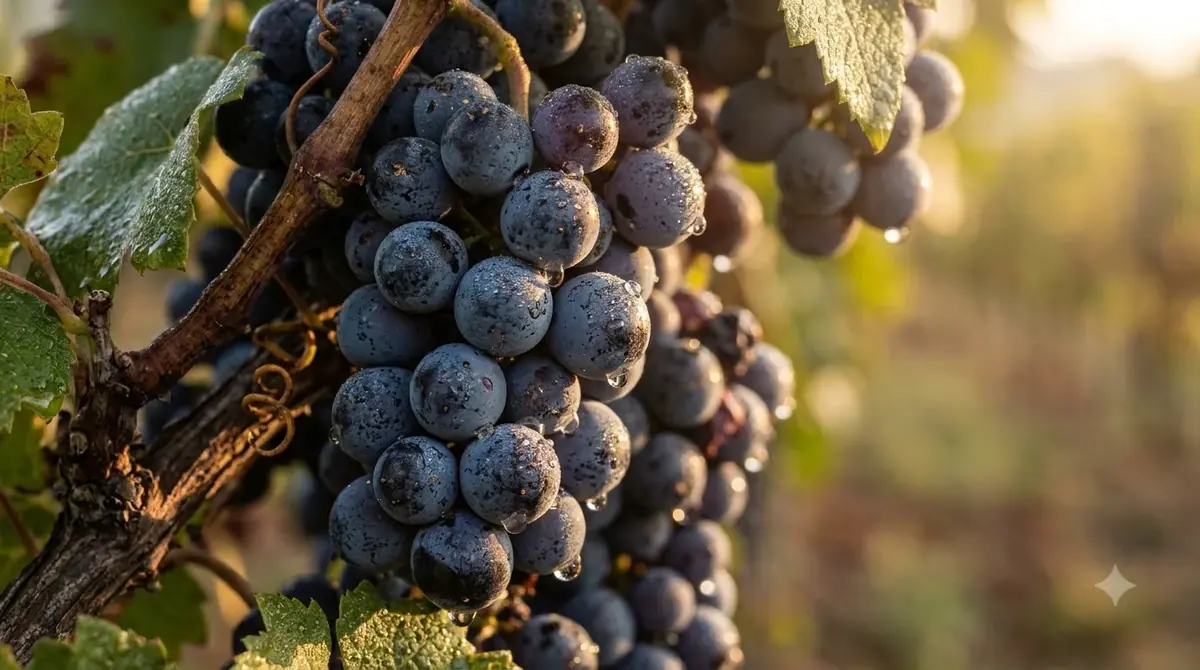
Petite Sirah is the variety most people associate with the valley. Wikipedia names it as the best-known historic red, and it typically produces deep color, firm structure and dark fruit. Cabernet Sauvignon and Merlot make structured reds, often in blends, while Sangiovese and Rhone varieties add spice and brightness.
On the white side, Semillon and Sauvignon blanc are among the grapes named in the sources, and Chardonnay is also grown in the valley. Many wineries also produce rose and sparkling styles, which are good options when you want something lighter.
| Style | Common grapes | What it usually tastes like |
|---|---|---|
| Bold red | Petite Sirah | Dark fruit, deep color, firm tannins |
| Bordeaux-style red | Cabernet Sauvignon, Merlot, Cabernet Franc | Structured, with black fruit and savory notes |
| Spicy red | Rhone varieties, Sangiovese | Bright acidity, spice and red fruit |
| Fresh white | Semillon, Sauvignon blanc, Chardonnay | Citrus, stone fruit and clean finish |
How Livermore Wine Is Made Today
Wente’s website highlights certified sustainable wines and describes the winery as family-owned and women-led. Those commitments show how many producers in the valley now talk about their work: sustainability, careful vineyard management and a focus on the character of the site.
Labels can also tell you something about the wine’s approach. Terms such as sustainable, estate-grown or single-vineyard describe how the grapes were farmed or where they came from, and they are worth reading alongside the grape and vintage.
Modern producers also keep experimenting with grapes that are new to the valley.
Wikipedia reports that many wineries are planting Cabernet Franc, Chardonnay and other Bordeaux varieties, so a bottle from a newer producer can taste quite different from a traditional red.
Tasting Livermore Wine Side by Side
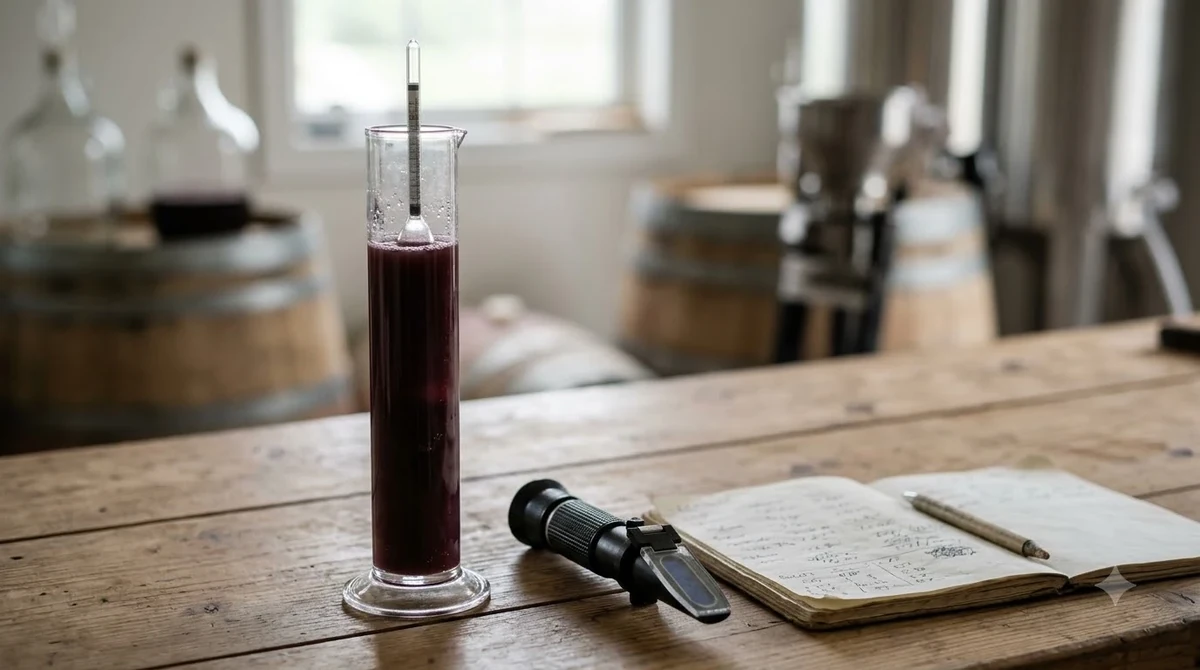
One of the simplest ways to learn the valley is to taste two wines made from the same grape by different producers. Pour a Petite Sirah from a long-established estate next to one from a newer winery, and note the differences in color, fruit and texture. Most drinkers find that the producer’s winemaking choices matter as much as the grape.
Another useful comparison is vintage. A warm year can give riper fruit and softer tannins, while a cooler year often brings more acidity and a leaner structure. Keeping notes on the bottles you try makes it easier to see patterns over time and to choose your next purchase with confidence.
How to Serve Livermore Wine
Serve reds with firm structure, such as Petite Sirah and Cabernet blends, slightly below room temperature so the fruit stays fresh and the tannins feel balanced. Lighter reds like Sangiovese benefit from a slightly cooler serving, while whites and roses should be chilled but not icy.
A young, structured red may open up after 30 to 60 minutes in a decanter. Older bottles usually need less time and are best poured gently. A standard glass with a generous bowl suits almost every style from the valley.
Tip: If you are not sure which bottle to open, start with a white or rose, then move to a red as the meal progresses. That order keeps the palate fresh and makes the reds easier to appreciate.
Food Pairing for Livermore Wine
Bold reds such as Petite Sirah go well with grilled steak, barbecue ribs and roasted lamb. Their tannins soften against fatty meat, and the wine’s dark fruit complements smoky flavors.
For a relaxed dinner, a Sangiovese or Rhone-style red can carry a pizza or a plate of grilled vegetables without feeling heavy. Sparkling and rose styles, where available, are a flexible choice for appetizers, cheese boards and lighter summer meals.
Spicy reds fit tomato dishes, grilled sausages and roast chicken.
Fresh whites work with seafood, salads with citrus dressings and soft cheeses. Matching the weight of the wine to the weight of the dish is a reliable starting point for any bottle from the valley.
How to Choose a Livermore Bottle
The most celebrated bottle is not always the best match for your meal, so let the food and the occasion guide the choice. Read the producer’s description, check the grape and choose a style that fits the occasion.
Start with the grape on the label.
A bottle that names Petite Sirah, Cabernet Sauvignon or Semillon tells you more about the glass than a generic brand name. Next, check the vintage, since weather and harvest conditions can change a wine’s structure from one year to the next.
If you want to learn the valley’s style, try two or three producers with a similar grape side by side. Tasting a Petite Sirah from a historic estate next to one from a newer winery shows how much the producer’s approach matters. Staff at tasting rooms are also a helpful source of advice.
Frequently Asked Questions
What is Livermore wine best known for?
Livermore is best known for Petite Sirah, which Wikipedia names as the valley’s best-known historic red. The valley also produces Cabernet Sauvignon, Merlot and a range of white varieties.
Is Livermore wine the same as wine from Napa or Sonoma?
No. Livermore is a separate appellation with its own climate, soils and history. Some grapes are shared with other California regions, but the wines often show a distinct local character.
Which Livermore wine should I try first?
A Petite Sirah is a good choice if you enjoy bold reds, while a Semillon or Sauvignon blanc suits those who prefer fresh whites. Choose a producer with a tasting room so you can compare styles before buying.
Do Livermore wineries make sparkling or rose wine?
Many producers offer rose and other lighter styles, and the range varies by winery. Check each producer’s current list, since selections change by vintage and season.
Livermore wine is a good way to discover California’s older winemaking traditions. To see the vineyards themselves, read the guide to Livermore vineyards. For comparisons with other regions, the Italy wine guide and the Sancerre wineries page show how different places shape flavor, and the wine regions section covers the wider picture.
More in Wine Regions
 Willcox Wine Trail: Discover Arizona’s High-Elevation Wine CountryUpdated Nov 20, 2026
 Yakima Valley Wine Region: Find the Best Styles to TryUpdated Nov 20, 2026
 Vosne Romanee Wine Tasting: Identify Aromas and Choose Better PairingsUpdated Nov 20, 2026
 Yakima Valley Wine Festival: Find the Best Seasonal Wine EventsUpdated Nov 20, 2026
 Wales Vineyards: Discover Cool-Climate Wines and Where to VisitUpdated Nov 20, 2026
 Yountville Wine Festival: Discover Napa Wines and Local FoodUpdated Nov 20, 2026