

We may earn a commission when you buy through links on this page, at no extra cost to you. Learn more.
Pedro Ximenez sherry wine is a very sweet, syrupy fortified wine made from the Pedro Ximénez grape in Jerez, southern Spain. The grapes are often sun-dried to concentrate their sugars, and the finished wine is dark, rich and full bodied, with flavors of toffee, fig and walnut. It is usually served in small pours as a dessert wine, and it is the sweetest style in the sherry family.
This guide explains what Pedro Ximenez, usually called PX, is, how it differs from the dry sherries most people know, and how to serve and pair it. If you have seen a bottle labeled PX on a shop shelf and wondered whether it is a sherry you should drink with dinner or with dessert, the answer is clear: it belongs with the sweet end of the menu.
What Pedro Ximenez sherry is
Pedro Ximénez is an Andalusian white grape, and it is the basis of some of the sweetest fortified wines made in the world. The wine is produced in Jerez, the region that gives sherry its name, and the Consejo Regulador lists the denomination as Jerez-Xérès-Sherry. Because sherry is a protected name, a bottle that says PX on the label has to come from the sherry region and follow its production rules.
The defining step is drying. According to the Wine Folly Pedro Ximénez guide, the grapes are often sun-dried before pressing, which concentrates their sugars. The resulting must is rich and sweet, and the wine that comes from it keeps that sweetness through aging. That is the main reason PX tastes so different from the dry styles made from Palomino grapes.
Flavor, body and sweetness
PX is very sweet, with a full, syrupy body, no tannins and medium-low acidity. The flavors are typically toffee, fig, walnut and lemon, with coffee notes that show up in older bottles. The overall effect is closer to a liqueur or a dessert sauce than to a table wine, which is why it is poured in small amounts. Many drinkers describe the finish as lingering, with the sweetness fading slowly into roasted nut and coffee notes rather than stopping abruptly.
The alcohol is lower than most fortified wines. The Wine Folly guide gives an ABV under 10 percent, which makes PX easier to pour in a small glass than a dry sherry at 15 percent or more. Its texture is thick and velvety, so a little goes a long way on the palate.
| Trait | Pedro Ximenez sherry |
|---|---|
| Style | Naturally sweet, fortified |
| Grape | Pedro Ximénez |
| Body | Full, syrupy |
| Tannins | None |
| Alcohol | Under 10% ABV |
| Serving temperature | 55 to 60°F (12 to 15°C) |
| Cellaring | Can age 10 years or more |

How PX differs from other sherries
Most sherries are dry. Fino and Manzanilla are pale, delicate and bone dry, Amontillado is nutty and dry with a richer finish, and Oloroso is dark and dry with more body. The sherry producers’ own grouping puts Pedro Ximénez in a separate category, as a naturally sweet sherry, alongside Moscatel. That is why a dry fino and a PX can come from the same region and still feel like completely different wines.
If you are learning the sherry family, it helps to start with the dry styles and work toward PX. A fino sherry wine shows the crisp, saline side of the category, and the broader sherry wine guide explains how the styles connect. PX is the opposite end of that range, and tasting one after the other makes the difference clear.
How to serve Pedro Ximenez sherry
PX is served cool in a dessert glass, around 55 to 60°F (12 to 15°C). Pour small amounts, since the wine is rich enough that a full glass can feel overwhelming. Decanting is not needed, because the wine is already smooth and the sugar does not benefit from air the way tannic reds do.
Keep the bottle sealed between uses, as the wine keeps well when it is stored upright and protected from heat. Older bottles develop more depth over time, and many PX sherries are meant to be enjoyed slowly over several evenings rather than finished in one sitting.
Glassware matters more than it might seem. A small dessert glass or a tulip-shaped sherry glass concentrates the aromas of toffee and dried fig without making the pour look meagre. Pour about a third of the glass, swirl gently, and take a moment to smell before tasting, because the first sip can feel intensely sweet and the aromas open up as the wine warms slightly in the hand.
Pairing PX with food
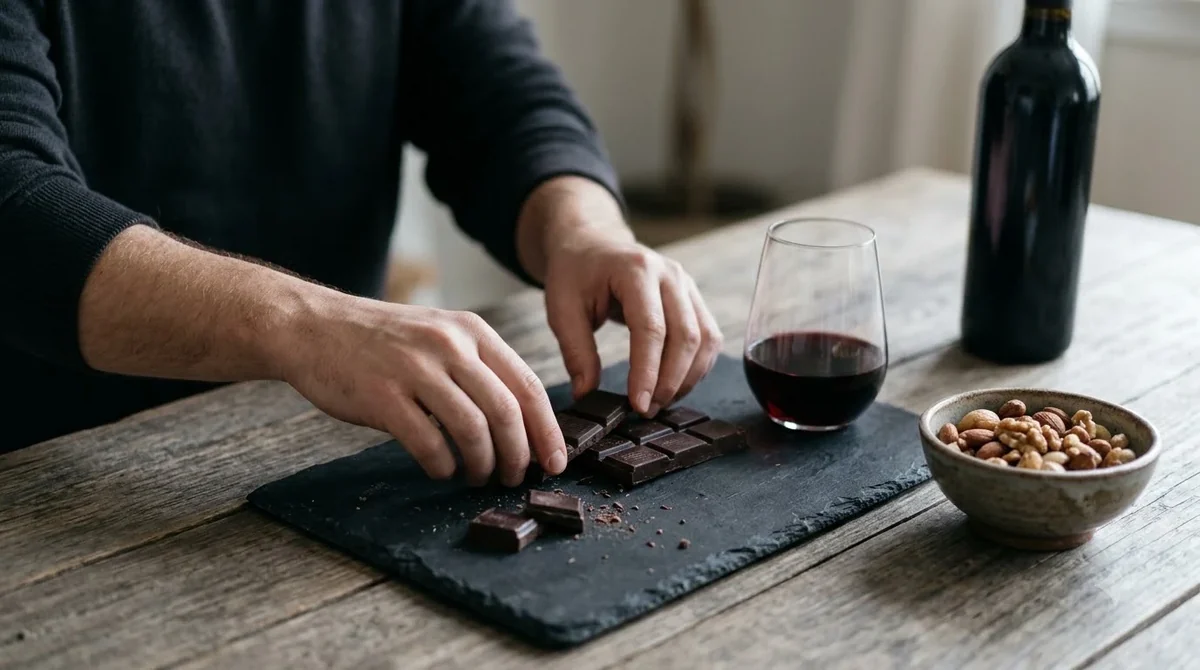
PX pairs best with desserts and rich, creamy foods. Vanilla ice cream, fresh fruit salad and dark chocolate all match its toffee and fig character. Wine Folly suggests drizzling it over fruit or treating it the way you would pancake syrup, which is a good starting point for everyday use.
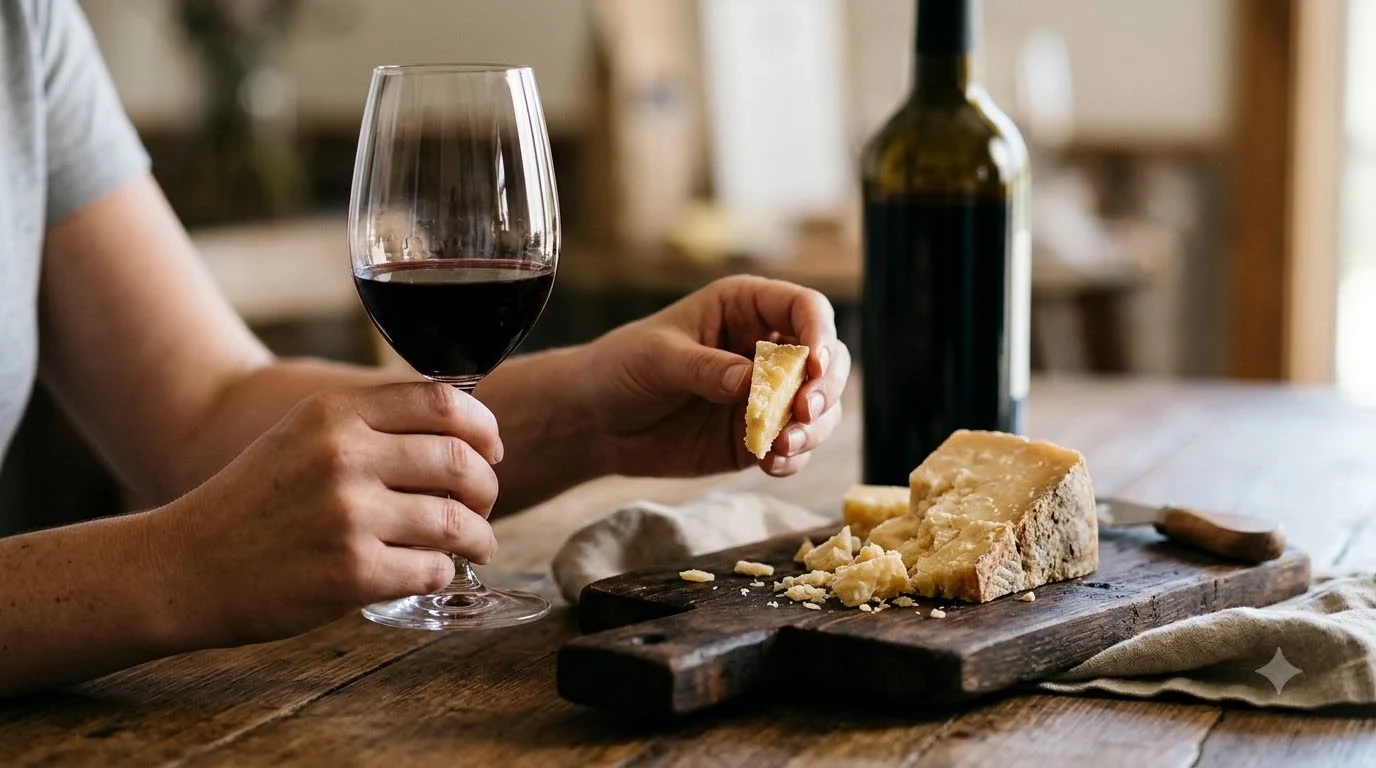
It also works with strong cheeses. Sweet sherries are often served with gooey or creamy cheeses, where the sugar and acidity balance the salt and fat. Try a small pour with a blue cheese or a soft cheese on a board, and taste how the wine lifts each bite. Keep it away from very spicy dishes, since the sweetness can clash with heat.
Cooking with Pedro Ximenez
PX is useful in the kitchen as well as in the glass. A spoonful added to a pan sauce for pork or duck gives a dark, sweet depth, and it can be reduced into a syrup to spoon over ice cream or roast fruit. Because it is so sweet, add it in small amounts and taste as you go, since the flavor concentrates quickly as the liquid reduces. A good rule is to reduce a small splash with a little stock or butter, then judge the balance before adding any more. Salt helps here: a pinch in a PX glaze makes the toffee notes stand out rather than making the dish taste only sugary.
For more ideas on using sherry in savory and sweet recipes, see our cooking with sherry guide. It explains which styles work best in different dishes, and why a dry sherry and a sweet PX are rarely interchangeable.
Frequently Asked Questions
Is Pedro Ximenez sherry sweet?
Yes. It is one of the sweetest sherry styles, with a thick, syrupy body and flavors of fig, toffee and walnut. It is served as a dessert wine in small pours.
What is the difference between PX and cream sherry?
Both are sweet, but PX is made from the Pedro Ximénez grape and is typically sweeter and darker. Cream sherry is a blend, often built on a dry base that is sweetened, so the two can taste quite different.
How long does an open bottle of PX last?
Recork it tightly and keep it cool and out of direct light. Sweet fortified wines keep longer than table wines once opened, so it can be enjoyed over several weeks, though it will slowly lose its brightest notes.
Can I drink Pedro Ximenez sherry with dinner?
It is better suited to dessert or to a cheese course than to a savory main. Its sweetness can overwhelm most meat dishes, so a dry sherry such as fino or amontillado is the safer choice before dinner.
Pedro Ximenez sherry wine is a rich, sweet wine that rewards small pours and patient tasting. Keep it for dessert, a cheese course or a spoonful in the kitchen, and you will find it one of the most distinctive wines in the sherry family.
More in Wine Types & Grapes
 Zinfandel Sugar Content: Dry Red vs. White Zinfandel GramsUpdated Nov 21, 2026
 Best Zinfandel Substitute Options for Sipping and CookingUpdated Nov 21, 2026
 Zweigelt Food Pairing: Best Dishes, Cheeses, and Serving TipsUpdated Nov 21, 2026
 Zinfandel Tannins Explained: How Structure Shapes Every BottleUpdated Nov 21, 2026
 Zinfandel Sweetness Level: Dry Red vs. Sweet White Zin ExplainedUpdated Nov 21, 2026
 Xinomavro Food Pairing: Best Dishes, Styles, and Serving TipsUpdated Nov 21, 2026