


We may earn a commission when you buy through links on this page, at no extra cost to you. Learn more.
The muscadine grape is a native American grape, Vitis rotundifolia, that grows wild and in cultivation across the southeastern United States. It is a different species from the European grapes used for most famous wines, and it grows in small, loose clusters with thick skins. Muscadine is best known for sweet wines, juice, jelly, and eating fresh, and its tolerance of pests makes it easier to grow than many other grapes.
If you have seen muscadine wine in a Southern shop or read about Scuppernong on a bottle label, this guide explains what the grape is, how it differs from the bunch grapes used in most wine, where it grows, how it is used, and how to think about muscadine wines when you shop.
What Muscadine Grape Is
Muscadine belongs to its own subgenus, Muscadinia, which sets it apart from the Vitis vinifera grapes that supply most of the world’s classic wines. Botanists name it Vitis rotundifolia, and the name describes its round leaves. Wild muscadine vines have been part of the landscape of the American Southeast for a very long time, and early settlers and Native communities gathered the fruit well before commercial vineyards existed.
The grape is native from Delaware down to the Gulf of Mexico and west into Texas, Oklahoma, Kansas, and Missouri. Commercial production is concentrated in the U.S. Southeast, where the long, warm growing season suits the vines. Because muscadine is so closely tied to that region, many people think of it as an American grape first and a wine grape second.
How Muscadine Differs From Bunch Grapes
Most wine grapes grow in tight bunches, but muscadines form small, loose clusters of about 3 to 40 berries that grow from the current year’s shoots. Each berry is round, with a thick, tough skin and up to five seeds. The skin is one reason muscadines hold up well to pests and weather, and it also contributes to the grape’s strong aroma and deep color in red types.
The vines also differ in structure. Their bark does not shed in the way many European vines do, and the tendrils are unbranched. Many vines are dioecious, meaning male and female flowers appear on separate plants, although self-fertile cultivars are now widely grown. These traits matter to growers, because the vines need different planting and pollination planning than a standard bunch-grape vineyard.
| Feature | Muscadine | Typical bunch wine grape |
|---|---|---|
| Species | Vitis rotundifolia | Vitis vinifera (most often) |
| Cluster | Small, loose, 3 to 40 berries | Large, tight bunch |
| Skin | Thick and tough | Thinner |
| Native range | Southeastern and south-central U.S. | Europe and Asia origin |
| Pest tolerance | High; often grown without routine spraying | Usually needs active management |
Flavor and Wine Styles
Muscadine flavor is bold and distinctly fruity. Many people describe it as musky or floral, and the aroma can be strong enough to recognize in a glass across the room. The wine is usually sweet, and that sweetness is partly a winemaking choice: producers often add sugar during the process, so the finished bottle reads as a dessert wine. Some drier muscadine wines exist, but the sweet style is the one most people know.
Colors range from pale gold in the green-skinned types to deep red and purple in the darker varieties. Bronze or golden muscadines are often used for white or blush wines, while darker ones give a richer color and a stronger grape character. Because muscadine acidity is often lower than that of European grapes, the sweetness and fruit tend to stand out more on the palate.
Scuppernong and Other Varieties
The earliest named muscadine variety is Scuppernong, which was found growing wild in northeastern North Carolina in 1810. Over time the name became a general term for muscadine grapes in many parts of the South, so you may see Scuppernong on a label even when the wine is made from a blend or another cultivar. Breeders have since released many named varieties with different colors, sizes, and ripening times.
Other cultivars that appear in grower and extension literature include Carlos, Polyanna, Fry, Welder, and Granny Val. Some growers also work with bunch-muscadine hybrids, which try to combine the disease tolerance of muscadine with the cluster form of bunch grapes. When you see a varietal name on a bottle or juice, it usually tells you the color and the level of sweetness you can expect.
Growing and Processing Muscadine
Muscadine is noticeably resilient. According to a grape growing guide on Growables, the vines tolerate most insect and disease pests, and home growers can often produce fruit without a regular spray program. Common issues include angular leaf spot, black rot, ripe rot, and powdery mildew, but the grape is much less demanding than many European varieties in the same climate.
For winemaking and juice, growers look for fruit with at least 14 degrees Brix and a good sugar-to-acid balance. Red-skinned types need color that stays stable through processing, which is an important factor for red wine and juice. The same extension source notes that muscadine is also used for jelly and that the seeds can be pressed for oil, which shows how completely the fruit gets used in the Southeast.
Tip: Muscadine juice and wine often taste sweeter than their grape count suggests. If you want a drier result at home, look for a label that says dry or try a blend that balances the sugar with a tart grape.
Food and Serving Ideas
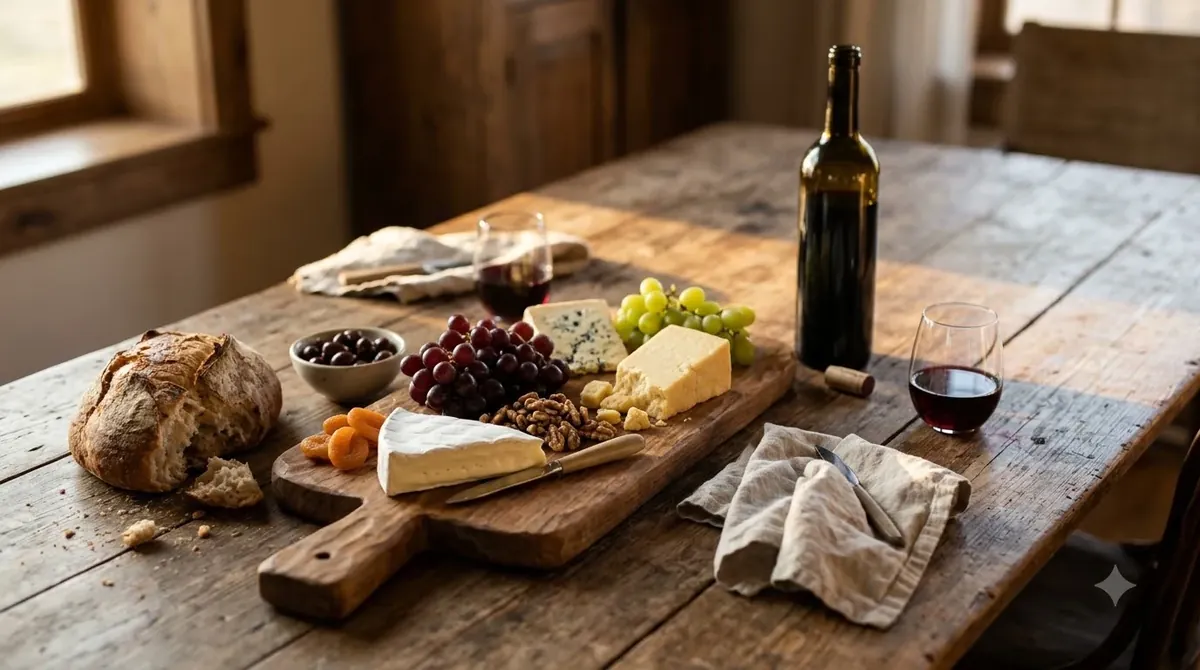
Sweet muscadine wine is at home with desserts. Pecan pie, pound cake, and fruit crisps are classic Southern partners, and a glass of sweet muscadine alongside a cheese plate with mild cheddar or pimento cheese is a natural match. Chill sweet muscadine before serving to keep the flavor crisp rather than heavy, and pour it in a small white wine or dessert glass.
Drier muscadine wines can handle more savory food, such as roasted chicken, grilled pork, or fresh salads with berries. The key is to match the sweetness of the wine with the sweetness of the dish, so that neither overwhelms the other. Muscadine juice is also a good non-alcoholic option for the same meals.
How to Choose a Muscadine Wine
Start by reading the label for the sweetness level and the cultivar. A bottle labeled sweet or dessert will taste like the classic Southern style, while a dry or semi-dry bottle will show more of the grape and less sugar. Check whether the wine is made from a single variety or a blend, because that changes both the color and the flavor.
If you are buying muscadine for the first time, a small bottle or a sampler lets you compare styles before you commit. Muscadine wine is often sold at farm stores, regional wineries, and specialty shops in the South, and these places can often describe how the wine was made. Compare the choice with other grapes such as pinot noir grape, chardonnay grape, or malbec grape to see how far muscadine sits from the European styles most people know. For a wider view, the wine by type section groups grapes by style and region.
Frequently Asked Questions
Is muscadine a true grape?
Muscadine is a true grape in the genus Vitis, but it belongs to a different subgenus from the European wine grapes. That difference explains its thick skin, loose clusters, and strong pest tolerance.
What does muscadine wine taste like?
Most muscadine wine is sweet, with bold fruit and a musky or floral aroma. Dry versions exist, but the classic style is a dessert wine that tastes clearly of the grape.
Where does muscadine grow?
Muscadine is native to the southeastern and south-central United States, from Delaware to the Gulf of Mexico and west into Texas and Oklahoma. Most commercial production is in the Southeast.
Is Scuppernong the same as muscadine?
Scuppernong was the first named muscadine variety, and its name is now often used for muscadine grapes in general. A bottle labeled Scuppernong is a muscadine wine, though the exact blend can vary by producer.
Muscadine is a distinctly American grape with a long history in Southern kitchens and wineries. If you enjoy sweet, fruit-forward wines, a bottle of muscadine is a good place to start, and you can then compare it with the European grapes on the shelf.
More in Wine Types & Grapes
 What Does Mourvèdre Taste Like? Flavor Profile, Regions, and PairingsUpdated Nov 20, 2026
 What Does Marsanne Taste Like? Flavors, Styles, and Food PairingsUpdated Nov 20, 2026
 What Does Malvasia Taste Like? Styles, Flavors, and Food PairingsUpdated Nov 20, 2026
 What Does Grenache Blanc Taste Like? Flavor Profile, Styles, and PairingsUpdated Nov 20, 2026
 What Does Garnacha Taste Like? Key Flavors, Styles, and Pairing TipsUpdated Nov 20, 2026
 What Does Fruit Wine Taste Like? A Complete Flavor and Style BreakdownUpdated Nov 20, 2026