

We may earn a commission when you buy through links on this page, at no extra cost to you. Learn more.
What does sake taste like? Usually dry, clean and savory, with floral or fruity notes that depend on the style. VinePair’s sake guide says to expect a dry wine, although strong floral aromas can make it seem slightly sweet. Some bottles show a gentle umami, a savory depth that sits on the palate, and many have a clean, light finish. The taste changes a lot from a light junmai to a rich daiginjo, so the style matters as much as the brand.
This guide answers the question most people ask after a first sip: what does sake actually taste like, and how do you tell one bottle from another? The sections below cover the main flavors, the styles that shape them, the textures you will notice and how to serve sake so its taste comes through.
The basic taste of sake
Sake is a Japanese drink made from rice, and it is brewed more like beer than like grape wine. The result is a clear, usually dry beverage that feels smooth rather than tannic. There is no tannin to grip the mouth, so the first impression is one of softness and clean texture rather than structure or bite.
According to VinePair’s sake guide, the wine is expected to be dry. Strong floral aromas can create a sensation of sweetness, which is one reason first-time drinkers often think a bottle is sweeter than it really is. The dryness is the baseline, and the aromas are what add the impression of fruit or sugar on top.
Flavor notes you are likely to notice
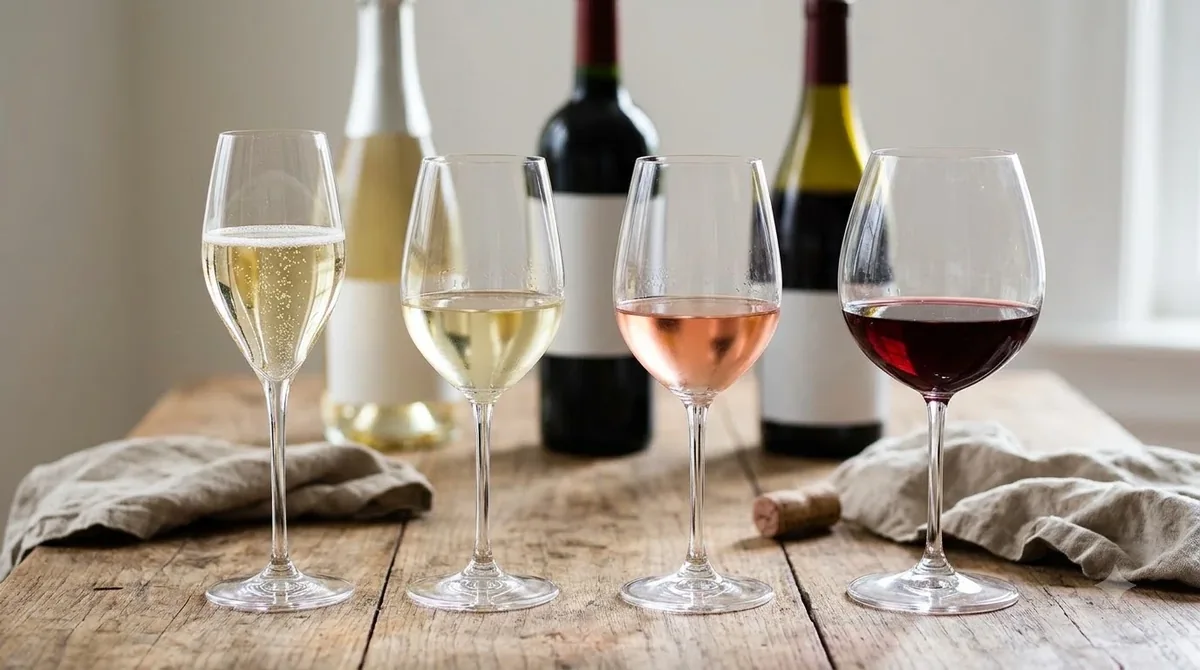
The most common notes are rice, fresh fruit, flowers and a savory finish. A light sake often shows a soft, clean character, while a fuller one can show deeper rice flavor, a hint of richness and a longer aftertaste. Many drinkers describe the best bottles as balanced, with no single flavor dominating the glass.
Umami is the taste that surprises most people. VinePair’s tasting notes mention umami on the palate in several bottles, and one note describes a bottle with umami alongside a boost of acidity. A warmed sake can show even more umami, which is why the serving temperature is worth paying attention to.
Texture is the other half of the answer. Sake can feel silky and soft, or it can feel sharper and slightly drying, depending on the bottle and the temperature. A smooth, round sake tends to coat the mouth gently, while a drier one leaves a cleaner finish that makes the next sip feel fresh. Paying attention to texture alongside aroma helps you describe what you are drinking.
Acidity keeps sake lively. Some bottles are bone dry and slightly astringent, while others come across as soft, floral and very light. Those contrasts are the range you will see across the category, and they are the reason sake is so hard to describe with a single word.
| Sake style | What it tastes like | Rice left after polishing |
|---|---|---|
| Junmai | Strong rice flavor, light and refreshing | About 70 percent |
| Ginjo | Flowery and fruity, more aromatic | About 60 percent |
| Daiginjo | Richer flavor and aroma, with complexity | About 50 percent |
How the style changes the taste
The style is the main signal on the bottle, and it is set by how much of the rice grain is polished away before brewing. Junmai, ginjo and daiginjo are defined by the share of the grain that remains, and less rice left usually means more refined and aromatic flavors. VinePair gives approximate figures of about 70, 60 and 50 percent for these three styles.
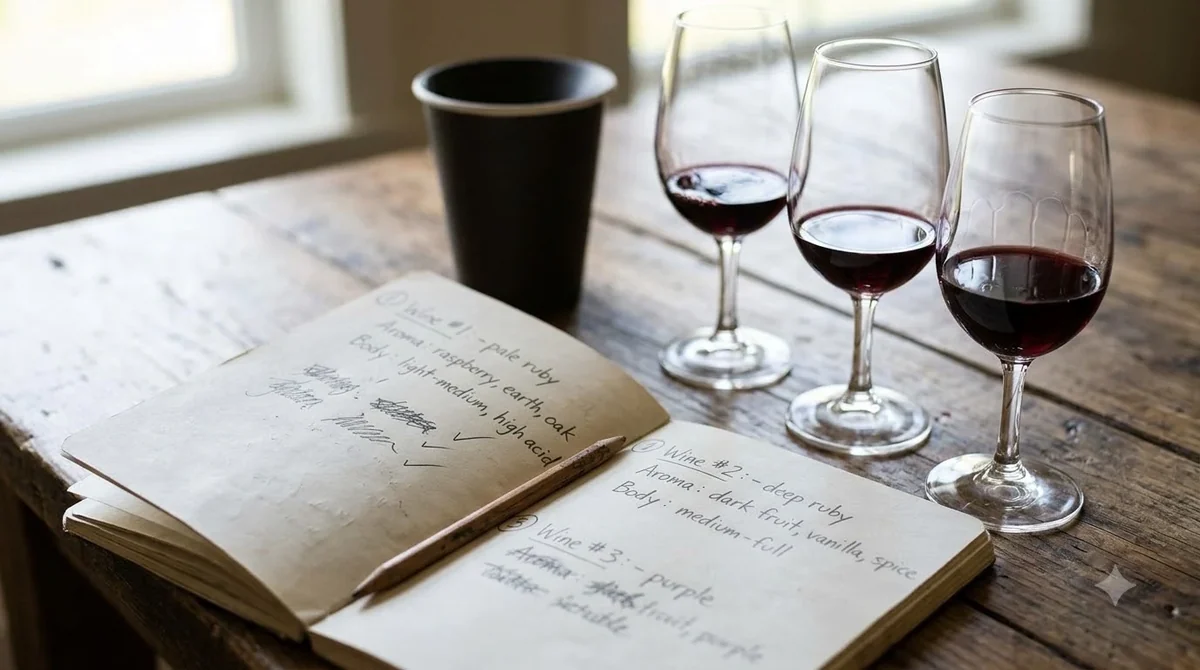
A junmai sake is the most grounded of the three, and it shows the taste of the rice itself. Ginjo is lighter in its structure and more perfumed, with fruit and flower aromas that stand out. Daiginjo is the most refined, with a fuller, more complex taste that rewards slow sipping. Many shoppers start with a ginjo because it offers a clear aroma without feeling heavy.
Honjozo sake is a separate category, and VinePair notes that it has brewer’s alcohol added, which can make it a touch higher in strength than the others. It is worth checking the label if you want to know how a specific bottle was made.
How temperature changes the taste
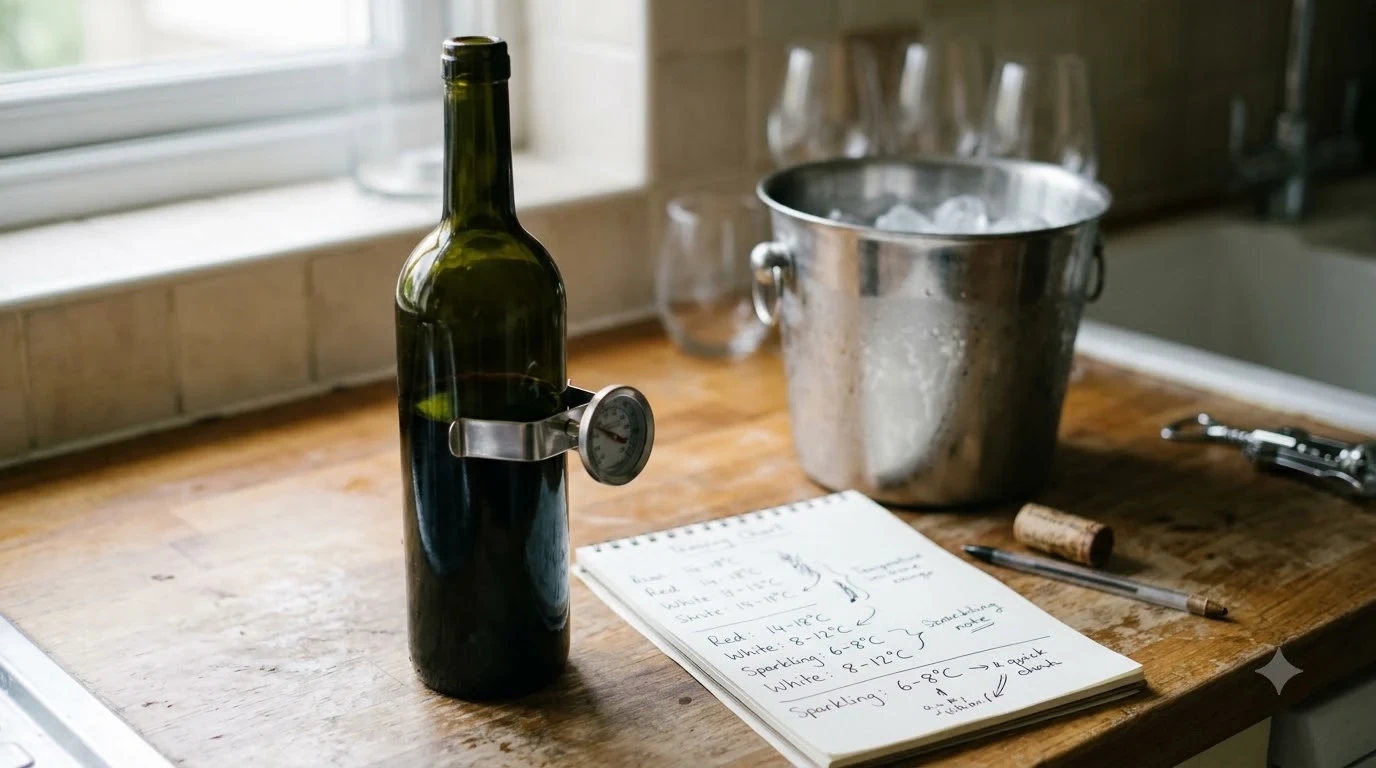
Temperature is one of the biggest factors in how sake tastes, and the same bottle can taste noticeably different from one serving to the next. VinePair reports that experts generally prefer sake at room temperature rather than straight from the fridge. A cold bottle can make the aromas quieter and the texture feel thinner, so letting it warm a little often reveals more of the flavor.
If you do warm sake, the same guide suggests about 110 degrees Fahrenheit, without boiling. Overheating drains the aroma and flavor, so gentle warming is better than a hot pot. The article also notes that hot sake is best reserved for cheaper bottles, which tells you something about how the style is judged.
Tip: Taste a sake at room temperature first, then try a few sips slightly warmer. The change in aroma and umami can be a quick way to learn what you like.
How strong sake is and what it means for taste
Sake is a moderately strong drink, and VinePair implies that most sake sits around 15 percent alcohol by volume. One bottle is described as slightly lower in alcohol than most, which is a useful reminder that strength varies. Alcohol carries flavor as well as warmth, so a bottle with a little more of it can feel fuller and more aromatic in the mouth.
The label is the best place to check strength for a particular bottle. Because the category is so varied, two sakes can look similar on the shelf and taste quite different, and the number on the label will help you compare them. If you want to read more about the strength figures, the sake alcohol content guide covers the numbers in more detail.
Frequently Asked Questions
Does sake taste sweet?
Usually no. VinePair says to expect sake to be dry, although strong floral aromas can create a sense of sweetness. Some styles, such as a fruity ginjo, may seem softer, but the baseline is a dry, clean taste.
Is sake like wine or beer?
Sake is brewed from rice, so it is closer to beer in how it is made, but it is often served and judged like a wine. It is smooth and dry rather than tannic, and its flavor depends heavily on the style and the serving temperature.
What does umami taste like in sake?
Umami is a savory depth that sits on the palate and often lingers after the sip. VinePair notes that some sakes show umami on the palate, and that a warmed sake can show more of it, alongside a soft acidity.
Which sake is best for a beginner?
A ginjo is a common first choice because its flowery and fruity aroma is easy to notice without feeling heavy. Try a junmai if you want a more grounded rice flavor, and a daiginjo if you are ready for something richer and more complex.
Sake tastes like a clean, dry rice drink with a range of flavors, from light floral notes to deeper savory richness. Start with a style that suits your taste, serve it at a temperature that brings out the aroma, and compare a few bottles to see how the flavor shifts. For the basics of what the drink is, the what is sake guide is a good next step, and the cabernet sauvignon wine page offers a contrasting taste for comparison.
More in Wine Types & Grapes
 Zinfandel Sugar Content: Dry Red vs. White Zinfandel GramsUpdated Nov 21, 2026
 Best Zinfandel Substitute Options for Sipping and CookingUpdated Nov 21, 2026
 Zweigelt Food Pairing: Best Dishes, Cheeses, and Serving TipsUpdated Nov 21, 2026
 Zinfandel Tannins Explained: How Structure Shapes Every BottleUpdated Nov 21, 2026
 Zinfandel Sweetness Level: Dry Red vs. Sweet White Zin ExplainedUpdated Nov 21, 2026
 Xinomavro Food Pairing: Best Dishes, Styles, and Serving TipsUpdated Nov 21, 2026