

We may earn a commission when you buy through links on this page, at no extra cost to you. Learn more.
Spring Mountain Vineyards is a historic Napa Valley estate on the slopes of Spring Mountain, near St. Helena, known for Cabernet Sauvignon and Chardonnay. The property brings together several 19th-century estates and covers about 845 acres, climbing from the valley floor to ridgetops around 1,700 feet. Its story connects the early days of Napa Valley winemaking with a modern estate that still focuses on mountain-grown fruit.
This guide explains the estate’s history, its mountain setting, the wines it is known for, and how to plan a visit. It is written for wine lovers who want to understand what makes a mountain vineyard different from one on the valley floor.
A Brief History of the Estate
According to the estate’s own story page, three estates were founded on Spring Mountain within about a dozen years, between 1872 and 1884. They were La Perla, Chevalier, and Miravalle. The page does not name a single founder for the group, which reflects how many early Napa Valley properties were built by several owners over time.
La Perla is credited with planting the first Cabernet Sauvignon vines on Spring Mountain, an early sign of the variety’s future in the area. Chevalier built a gravity-flow winery, a design that moved wine by gravity rather than pumps, which was an advanced approach for its era. Those early choices helped set the direction for the mountain’s vineyards.
The estates later came together in the 1990s, when the neighboring properties were joined to form Spring Mountain Vineyards. Today the estate is a single property that stretches from the town of St. Helena up to the ridgetops, and its historic buildings and vineyards are central to its identity.
The Mountain Setting
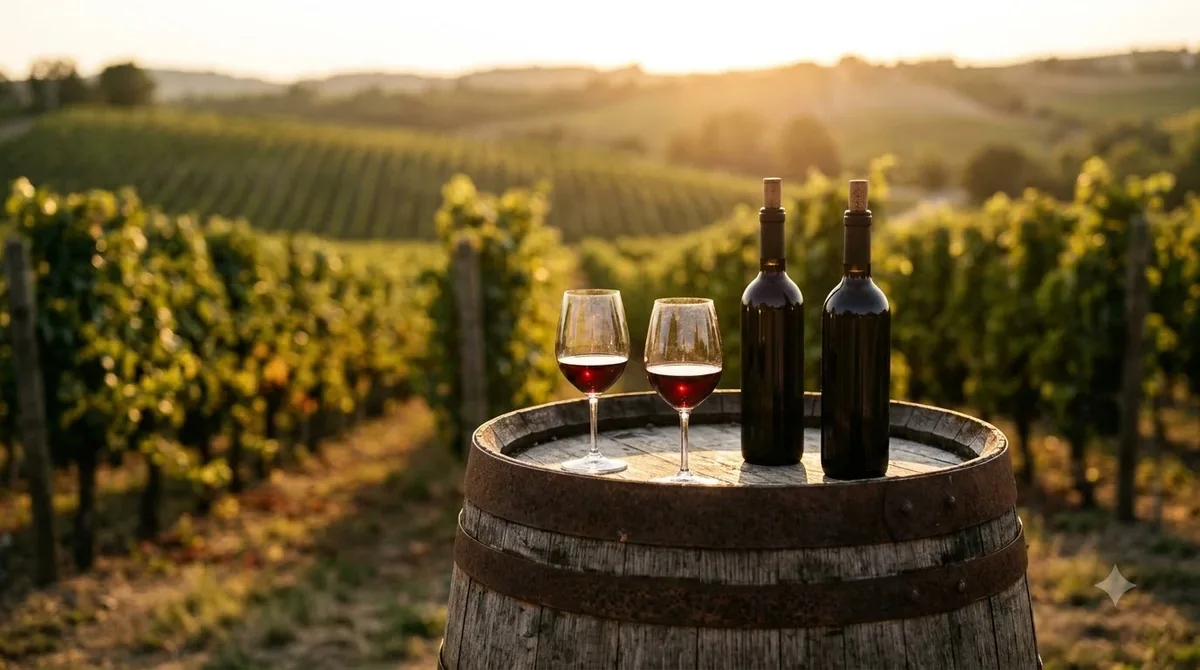
Spring Mountain sits on the western side of the Napa Valley, and its vineyards climb well above the valley floor. The estate reaches La Perla’s ridgetops at about 1,700 feet, and the property covers 845 acres from the town of St. Helena up to those higher slopes. Vineyards at this elevation experience a different climate from the flatter land below, which is one reason mountain estates have a distinct reputation.
Mountain sites often have thinner, rockier soils and more variation in temperature between day and night. Those conditions can concentrate flavor and give wines firmer structure. Growers also have to manage steep slopes, which makes farming more demanding but can produce small, carefully tended lots.
| Feature | What the estate states |
|---|---|
| Founded on Spring Mountain | Three estates between 1872 and 1884: La Perla, Chevalier, Miravalle |
| Property size | About 845 acres, from St. Helena to the ridgetops |
| Highest vineyard point | About 1,700 feet at La Perla’s ridgetops |
| Varieties noted on the story page | Cabernet Sauvignon and Chardonnay |
Mountain estates also differ in how their days and seasons unfold. Fog and wind patterns can shift from the valley floor, and the slope can warm faster in the morning sun. Winegrowers on a mountain must plan picking around these local patterns, and the timing of each block can vary across the property. That careful, block-by-block approach is part of what visitors can learn from a tour.
The Wines and Their Reputation
The estate’s most recognized wines are built around Cabernet Sauvignon, the grape that early vineyards on the mountain helped establish. Mountain Cabernet is often known for firm tannins, structured fruit, and a concentrated character that rewards aging. Those are general traits of the style, and the estate’s own tasting materials describe its wines in more detail.
Chardonnay also carries a notable place in the estate’s history. The story page records that Spring Mountain Chardonnay placed fourth in the 1976 Judgment of Paris, the tasting that drew international attention to Napa Valley wines. That result is a reminder that the valley’s reputation was built on several wines and several producers, not one bottle alone.
What to Expect When You Visit
The estate’s website lists sections for reservations, its story, its terroir, its winemaking approach, wines, events, and membership, so visitors can plan ahead. Because the property sits on a mountain road, arriving with a clear plan is helpful. Reservations are the best way to secure a tasting time, especially during the busy spring and fall seasons in Napa Valley.
Plan your day with the drive in mind. Napa Valley roads can be busy, and a mountain approach adds curves that take more time than a flat route. Leave room in your schedule for arrival, check-in, and a short walk, and avoid planning a tight itinerary of several tastings in a row.
A visit here is a good chance to compare mountain fruit with valley-floor fruit. If you have tasted Cabernet from the valley floor, a mountain Cabernet can show a different balance of tannin, acidity, and fruit. Ask your host to explain how the vineyard’s elevation and soils influence the wine you are tasting.
Tip: Contact the estate before you go to confirm reservation rules, tasting formats, and how to reach the property. Details can change, and the estate’s concierge team is the best source for current information.
Many visitors also ask about the estate’s approach to Chardonnay, since the 1976 result is still part of its story. A visit can include a comparison of Cabernet and Chardonnay from the same property, which helps show how one estate handles two very different grapes. Ask the host which lots come from the highest blocks and how the team decides when to pick, because those details reveal the choices behind each bottle.
How to Enjoy a Mountain Cabernet at Home
Mountain Cabernet usually benefits from some time to open up. Decanting for 30 minutes to an hour can soften the tannins and let the fruit and oak settle. Serve the wine at around 60 to 68 degrees Fahrenheit (15 to 20 degrees Celsius), which keeps the alcohol from feeling heavy. A universal wine glass with a generous bowl will show its structure well. If you open a bottle the day before, keep it sealed and store it in a cool place, then pour it a little early so the aromas can wake up.
Pair structured reds with foods that have some richness and fat. Grilled steak, roasted lamb, and aged cheeses are classic matches. A mushroom dish with thyme can also work, because the earthy notes complement the wine’s savory edge without overwhelming it.
Frequently Asked Questions
Where is Spring Mountain Vineyards located?
The estate’s website lists its address as 2805 Spring Mountain Road in St. Helena, California, in the Napa Valley. It describes itself as a historic Napa Valley winery.
What grapes are Spring Mountain Vineyards known for?
The estate’s story page highlights Cabernet Sauvignon and Chardonnay. Cabernet has a long history on the mountain, and Chardonnay was honored in the 1976 Judgment of Paris.
How big is the estate?
The estate covers about 845 acres, running from the town of St. Helena up to ridgetops at about 1,700 feet. It combines several historic properties that were joined in the 1990s.
Do I need a reservation to visit?
Reservations are the recommended way to visit. The estate’s website has a reservations section, and contacting the concierge team before a trip is the best way to confirm current options.
Spring Mountain Vineyards offers a clear view of how a historic Napa estate and a mountain vineyard fit together. Read the estate’s story, then plan a visit or open a bottle at home to taste the difference elevation can make. If you are building a list of American vineyard guides, our wine regions overview and the Fredericksburg vineyards guide make useful companions.
More in Wine Regions
 Willcox Wine Trail: Discover Arizona’s High-Elevation Wine CountryUpdated Nov 20, 2026
 Yakima Valley Wine Region: Find the Best Styles to TryUpdated Nov 20, 2026
 Vosne Romanee Wine Tasting: Identify Aromas and Choose Better PairingsUpdated Nov 20, 2026
 Yakima Valley Wine Festival: Find the Best Seasonal Wine EventsUpdated Nov 20, 2026
 Wales Vineyards: Discover Cool-Climate Wines and Where to VisitUpdated Nov 20, 2026
 Yountville Wine Festival: Discover Napa Wines and Local FoodUpdated Nov 20, 2026