
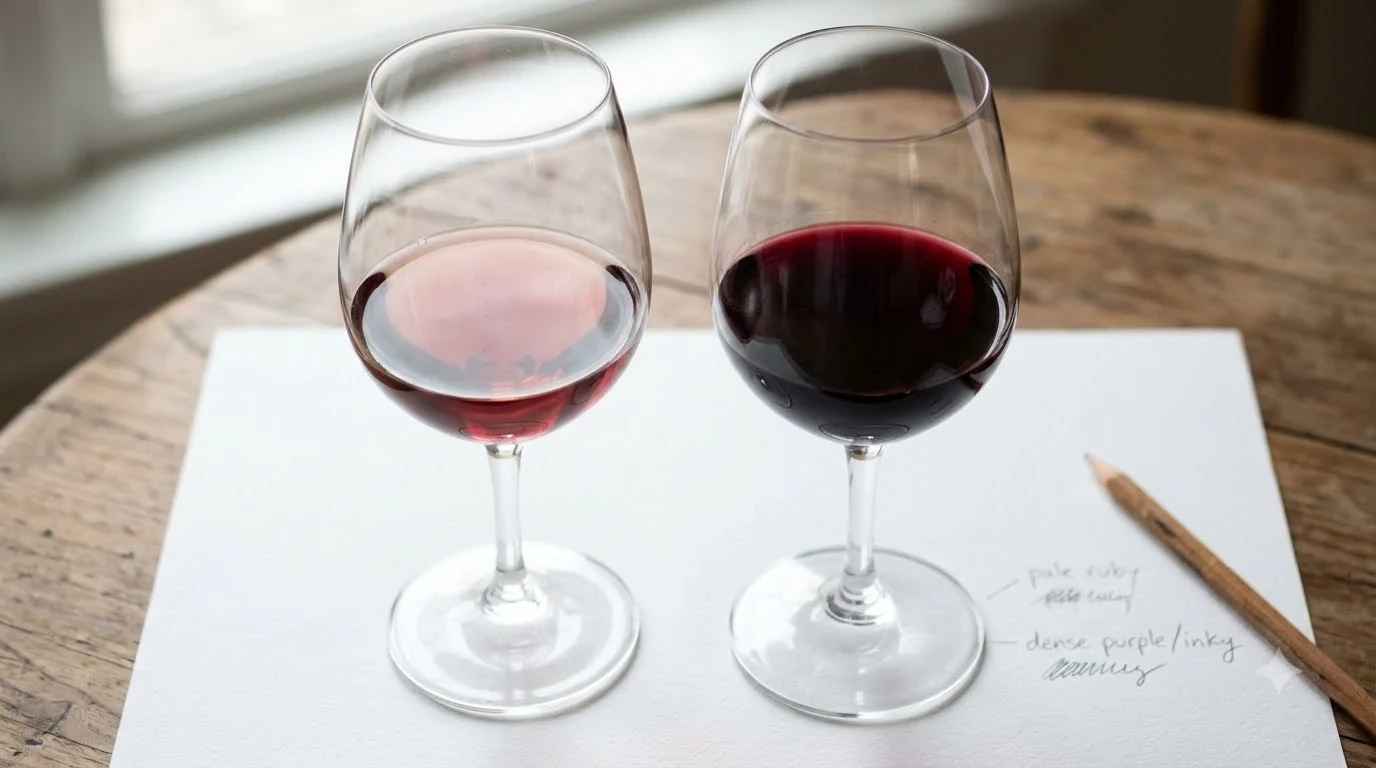

We may earn a commission when you buy through links on this page, at no extra cost to you. Learn more.
Pinot noir sangria is a chilled red wine cocktail made by steeping sliced fresh fruit, citrus juice, a sweetener, and a splash of brandy or orange liqueur in a 750-milliliter bottle of light-to-medium-bodied Pinot Noir. Because Pinot Noir naturally features bright acidity, low tannins, and red-berry aromas, it yields a crisp, balanced pitcher drink without requiring heavy sugar to mask bitterness. Chilling the mixture for at least 30 minutes to four hours allows the fruit and wine flavors to marry before serving over ice.
While traditional Spanish sangria relies on domestic reds like Garnacha or Tempranillo, swapping in Pinot Noir creates a lighter, remarkably aromatic variation suited to warm-weather gatherings and casual dinners alike. Understanding how this delicate grape interacts with macerated fruit, spirits, and carbonation helps you assemble a pitcher that tastes bright and nuanced rather than syrupy.
What Makes Pinot Noir Ideal for Sangria
Pinot Noir works exceptionally well in sangria because its thin grape skins produce a wine with low astringency, brisk natural acidity, and forward notes of cherry and raspberry. Unlike heavily tannic reds that turn harsh or bitter when chilled, Pinot Noir stays silky and refreshing at cold serving temperatures.
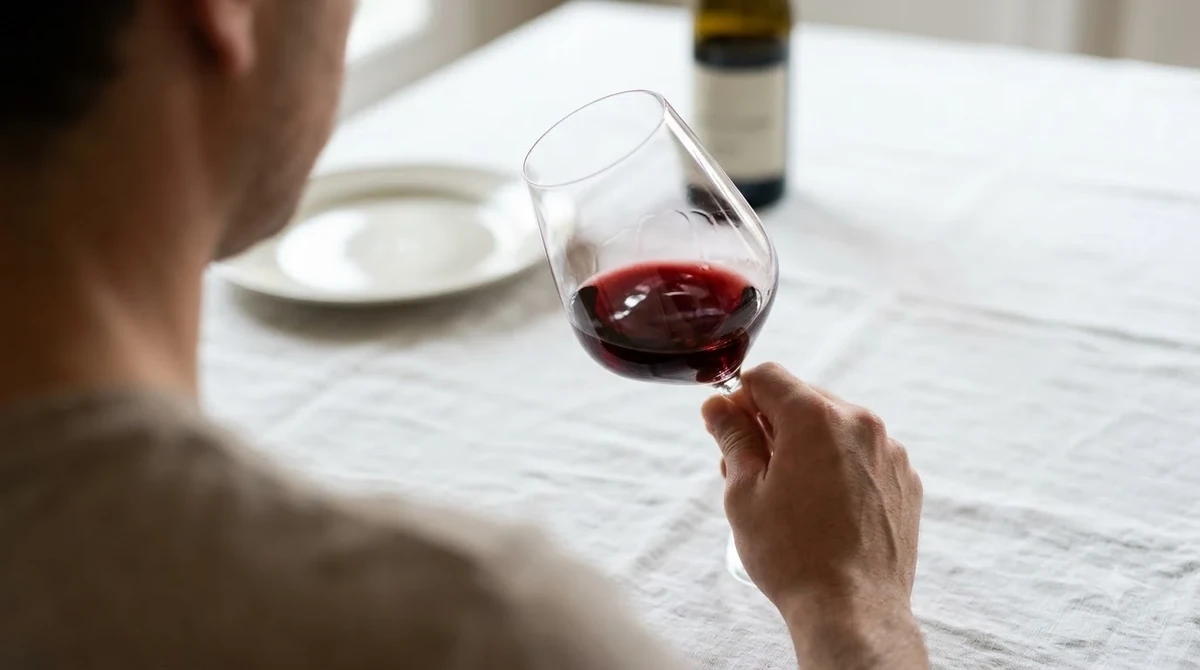
According to Wine Folly’s guide to Pinot Noir, the grape typically finishes dry with light-to-medium body, moderate alcohol around 12% to 14% ABV, and medium-high acidity. Those structural traits solve the biggest problem home bartenders face when mixing red wine punches: tannin clash. High-tannin grapes such as Cabernet Sauvignon or Petite Sirah bind with proteins and citrus acids when served cold, forcing you to dump extra sugar into the pitcher just to round off the astringent finish.
Furthermore, Pinot Noir’s signature ester profile brings built-in layers of red cherry, cranberry, hibiscus, and subtle baking spice like clove. Those existing aromatics echo classic sangria garnishes rather than fighting them. If you are tracking nutrition or comparing different red styles in Wine by Type, a dry bottle also keeps baseline sugar low before you add fruit or simple syrup—a helpful detail if you monitor pinot noir carbs.
Core Ingredients and Proportions
A balanced batch of pinot noir sangria built around one standard 750-milliliter bottle requires five functional elements: the base wine, fresh citrus juice, a fortifying spirit, a controlled sweetener, and firm seasonal fruit. Keeping these ratios measured prevents the fruit juices from drowning out the character of the wine.
| Ingredient Category | Standard Amount (1 Batch) | Recommended Options | Role in the Pitcher |
|---|---|---|---|
| Base Red Wine | 1 bottle (750 ml) | Dry, fruit-forward Pinot Noir | Provides structure, acidity, and red-berry aromatics |
| Fortifying Spirit | 1/4 to 1/2 cup | Brandy, Triple Sec, or Cointreau | Adds depth, warmth, and citrus or oak complexity |
| Fresh Juice | 1/2 to 1 cup | Fresh orange juice or ruby red grapefruit juice | Bridges the wine and solid fruit with bright acidity |
| Sweetener | 2 to 4 tablespoons | Agave nectar, honey, simple syrup, or cane sugar | Softens tart citrus without making the drink syrupy |
| Fresh Sliced Fruit | 2 to 3 cups total | Oranges, apples, peaches, strawberries, raspberries | Infuses natural sweetness, color, and edible garnish |
| Sparkling Topper | 1 to 3 cups (optional) | Club soda, sparkling water, or dry Prosecco | Lifts the texture with crisp effervescence at serving |
Fruit selection plays a major structural role in how clean your finished pitcher looks and tastes. Firm fruits such as Honeycrisp or Granny Smith apples, navel oranges, and slightly underripe peaches hold their shape during hours of soaking and absorb the spiced wine without turning mushy. Delicate berries like raspberries and sliced strawberries release vivid color and jammy sweetness quickly, though adding them closer to serving time preserves their texture.
Sweetener choice also affects texture because granulated sugar takes longer to dissolve in cold liquid than liquid sweeteners. Agave nectar, simple syrup, or warm honey stir effortlessly into chilled wine, letting you taste and adjust sweetness in small increments rather than discovering undissolved grit at the bottom of the pitcher.
Step-by-Step Preparation Method
Making pinot noir sangria takes roughly ten minutes of active prep, followed by a mandatory rest in the refrigerator so the liquids and fruit can infuse. Following the proper assembly order ensures even dissolution of sweeteners and prevents carbonation loss.
- Wash and slice the fruit: Thinly slice one medium orange into wheels or half-moons, core and dice one crisp apple into bite-sized cubes, and slice one ripe peach or hull one cup of fresh strawberries. Remove visible citrus seeds so they do not impart bitterness as the batch steeps.
- Combine the fruit, spirit, and sweetener first: Place the cut fruit into the bottom of a large glass pitcher, then pour in 1/4 to 1/2 cup of brandy or orange liqueur alongside 2 to 4 tablespoons of agave nectar or simple syrup. Stir gently with a long wooden spoon for 30 seconds to coat the fruit and dissolve the sweetener.
- Add the juice and Pinot Noir: Pour in 1/2 to 1 cup of freshly squeezed orange juice followed by the entire 750-milliliter bottle of Pinot Noir. Stir smoothly from the bottom up until all liquids are integrated without bruising the fruit.
- Chill to infuse: Cover the pitcher tightly and refrigerate for at least 30 minutes, though two to four hours—or overnight—produces deeper fruit integration. Do not add ice cubes or sparkling water to the main pitcher during this stage, as both will dilute the base prematurely.
- Serve over ice with optional fizz: Fill stemless wine glasses or rocks glasses with fresh ice, ladle in the chilled sangria along with several pieces of wine-soaked fruit, and top each glass with a splash of chilled club soda or dry sparkling wine just before serving.
According to Wine Folly’s sangria testing, preparing the base ahead of time while holding back ice and carbonated toppers until the final pour keeps the wine flavor vibrant from the first glass to the last. If you prefer a drier profile, start with just two tablespoons of sweetener and rely on ripe seasonal stone fruit to round out the palate.
Tip: Keep ice out of the storage pitcher and add it only to individual glasses so melting cubes never water down leftovers.
How to Choose the Right Pinot Noir Bottle
Selecting a bottle for sangria is all about matching fruit generosity and crisp acidity while avoiding heavy oak or delicate, age-worthy complexity. A youthful, fruit-driven Pinot Noir delivers the best flavor payoff once mixed with citrus and liqueur.
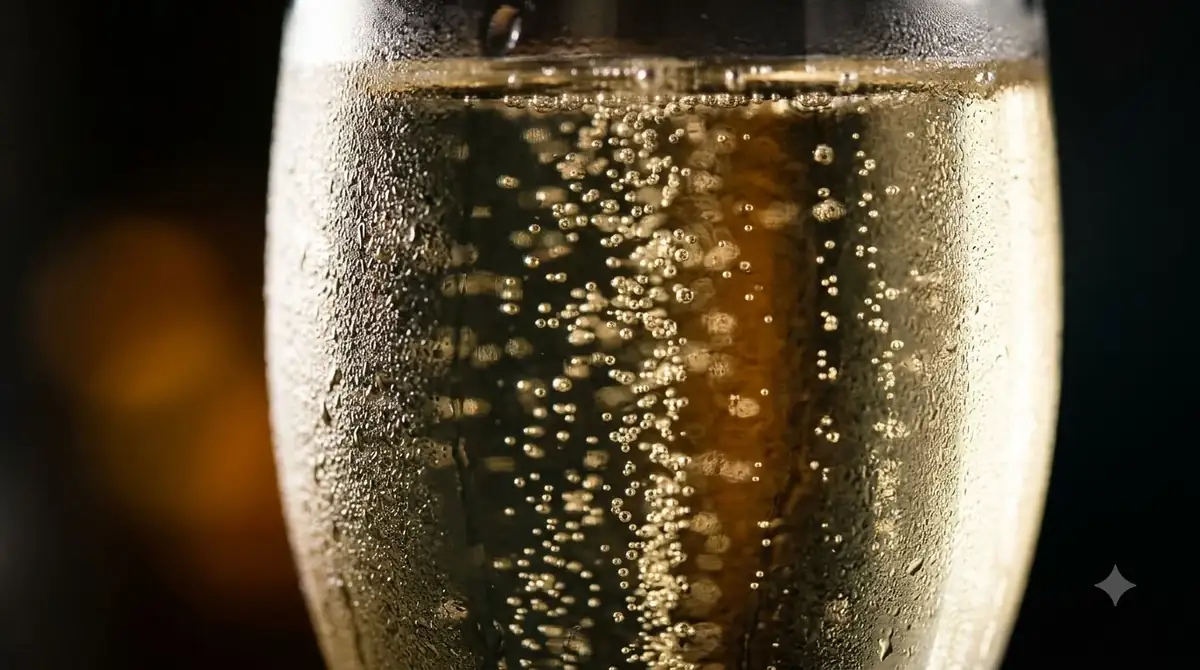
Look for young bottles from cool-to-moderate growing regions—if you have ever explored where is pinot noir from, regions like Oregon’s Willamette Valley, California’s Sonoma Coast, Chile’s Casablanca Valley, or New Zealand’s Marlborough are known for vibrant red fruit and lively acidity. New World styles often showcase plush cherry and raspberry notes that stand up well to orange liqueur and orchard fruit, whereas older, earthy Burgundy bottles lose their subtle tertiary nuances once citrus juice enters the pitcher.
Avoid bottles labeled with heavy new-oak aging or high-alcohol warmth, as toasted vanilla and excessive oak tannins can taste woody and disjointed when chilled over ice. Checking the back label for an ABV between 12.5% and 13.8% usually points toward a balanced, medium-bodied style that refreshes rather than weighs down the palate.
Seasonal Variations to Customize Your Pitcher
Because Pinot Noir bridges red-berry freshness and subtle spice, it adapts easily to different seasons simply by rotating the fruit, liqueur, and aromatics. Keeping the one-bottle base ratio constant lets you swap flavor profiles without risking an unbalanced batch.
For a summer berry and stone-fruit batch, pair the Pinot Noir with sliced white peaches, blackberries, and raspberries, using Cointreau as your liqueur and finishing each glass with dry Prosecco. In autumn and winter, pivot toward orchard flavors by combining crisp Honeycrisp apples, sliced Bosc pears, fresh cranberries, and two whole cinnamon sticks with brandy and a touch of pure maple syrup, substituting fresh apple cider for half of the orange juice.
Herbal infusions offer another easy way to add complexity without extra sugar. Tucking one or two sprigs of fresh rosemary, basil, or mint into the pitcher during the final hour of chilling introduces a savory aromatic lift that complements Pinot Noir’s natural floral and forest-floor undertones.
Food Pairings That Work With Pinot Noir Sangria
The combination of bright wine acidity, citrus sweetness, and chill makes pinot noir sangria remarkably versatile at the table, especially alongside salty, smoky, or mildly spiced dishes. Because the drink contains residual sweetness from fruit and liqueur, pairing it with savory or rich foods keeps both the plate and the glass in balance.
Classic Spanish tapas remain natural companions: garlic shrimp, patatas bravas, chorizo skewers, and salty Marcona almonds all play off the sangria’s crisp citrus edge. Grilled meats—including herb-marinated pork tenderloin, Cedar-plank salmon, and smash burgers—also pair smoothly because Pinot Noir’s low tannins never clash with char or umami.
Cheese boards are another reliable match, particularly when you combine firm sheep’s milk cheeses like aged Manchego with creamy brie or tangy goat cheese. For deeper guidance on matching cheeses to the base grape itself, explore our guide to pairing pinot noir with cheese before building your next grazing platter.
Frequently Asked Questions
Can you make pinot noir sangria the night before a party?
Yes, making pinot noir sangria up to 24 hours in advance improves its flavor by giving the sliced fruit and spices time to infuse the wine. Store the mixture covered in the refrigerator without ice or sparkling water, and add soft berries or bubbly toppers right before serving so everything stays crisp.
Should you use an expensive bottle of Pinot Noir for sangria?
No, an everyday, fruit-forward bottle of Pinot Noir is ideal because fresh citrus juice, liqueur, and sweeteners mask the subtle complexities of high-end cellar wines. Look for a clean, dry bottle with bright red-cherry character rather than spending extra on single-vineyard or heavily oaked releases.
What is the best liquor to mix into pinot noir sangria?
Spanish brandy and orange liqueurs like Triple Sec, Cointreau, or Grand Marnier are the most reliable choices. Brandy adds warm, oaky depth that rounds out the red fruit, while orange liqueur amplifies the fresh citrus notes and keeps the profile bright.
How long do leftovers of pinot noir sangria last in the fridge?
Leftover sangria keeps well in a sealed pitcher or mason jar in the refrigerator for two to three days, provided it was not diluted with melting ice. Strain out any softening citrus rinds or mushy fruit after the first day so the pith does not turn the remaining liquid bitter.
With its silky texture, low tannins, and natural red-berry aromatics, Pinot Noir turns classic sangria into a lighter, endlessly adaptable pitcher drink for any season. Master the basic balance of dry wine, fresh citrus, a splash of spirit, and ripe fruit, and you can tailor every batch to match your menu and guest list.
More in Wine Types & Grapes
 Zinfandel Sugar Content: Dry Red vs. White Zinfandel GramsUpdated Nov 21, 2026
 Best Zinfandel Substitute Options for Sipping and CookingUpdated Nov 21, 2026
 Zweigelt Food Pairing: Best Dishes, Cheeses, and Serving TipsUpdated Nov 21, 2026
 Zinfandel Tannins Explained: How Structure Shapes Every BottleUpdated Nov 21, 2026
 Zinfandel Sweetness Level: Dry Red vs. Sweet White Zin ExplainedUpdated Nov 21, 2026
 Xinomavro Food Pairing: Best Dishes, Styles, and Serving TipsUpdated Nov 21, 2026