

We may earn a commission when you buy through links on this page, at no extra cost to you. Learn more.
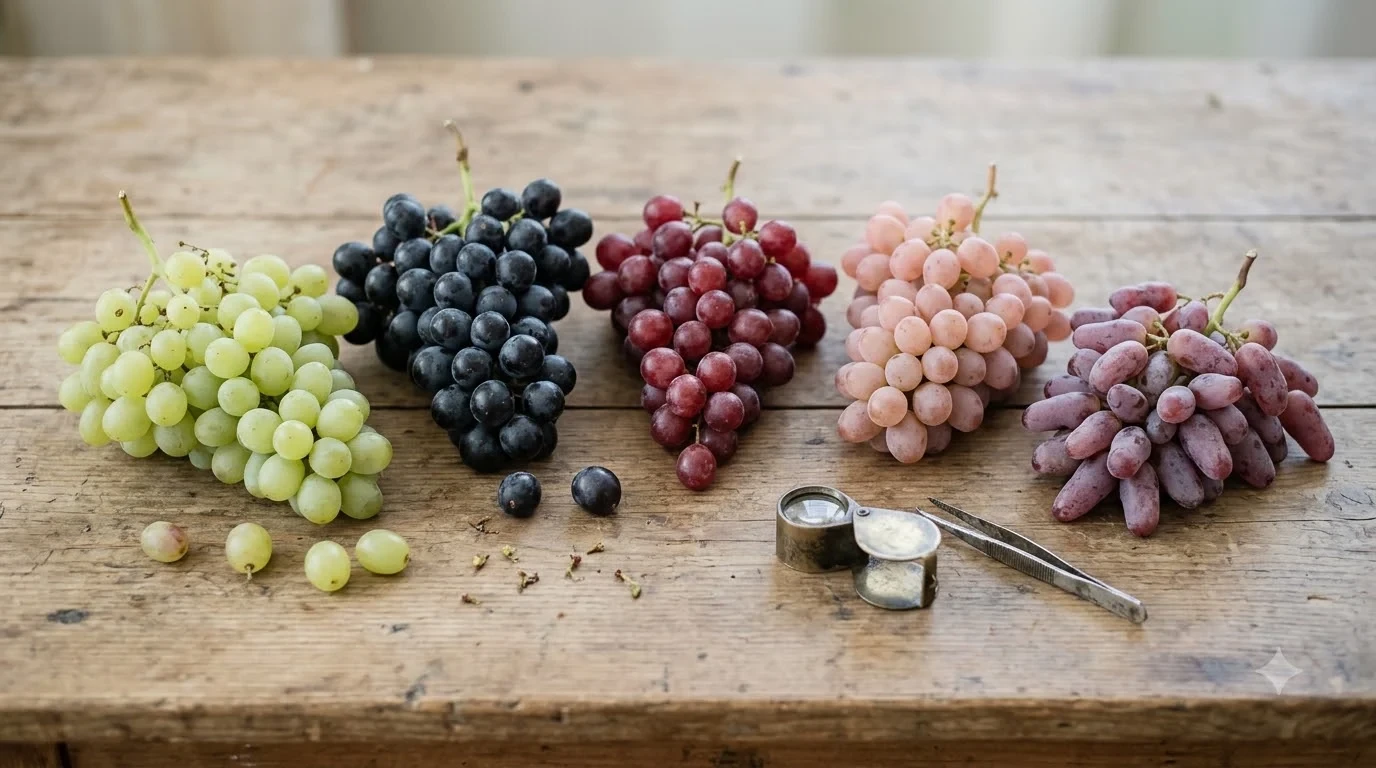
Japan wine is wine made in Japan, mostly from domestic grapes such as Koshu and Muscat Bailey A. Grape growing in the country dates back to 718 AD, but modern domestic winemaking only became commercial after the Meiji Restoration. Japanese wine is still a small share of what the country drinks, and most of the wine sold there is imported, which is why the label matters when you shop.
This guide explains where Japanese wine is made, which grapes give it its character, how the industry developed, and what to look for on a bottle. If you have only seen a few Japanese labels, the sections below will show you how much variety the country offers.
Where Japanese Wine Is Made
Most domestic wine comes from a handful of prefectures. The Wikipedia entry on Japanese wine reports that Yamanashi leads with 31 percent of wine made from domestic grapes, followed by Nagano at 23 percent and Hokkaido at 17 percent.
Yamanashi’s Koshu Valley is the heart of the industry. The same summary notes that the valley holds 70 of the prefecture’s roughly 80 wineries. Other producing areas include Yamagata, Niigata, Shiga, Tochigi, Kyoto, Osaka, Hyogo and Miyazaki, so Japanese wine is far from a single-region story.
The Grapes Behind Japanese Wine
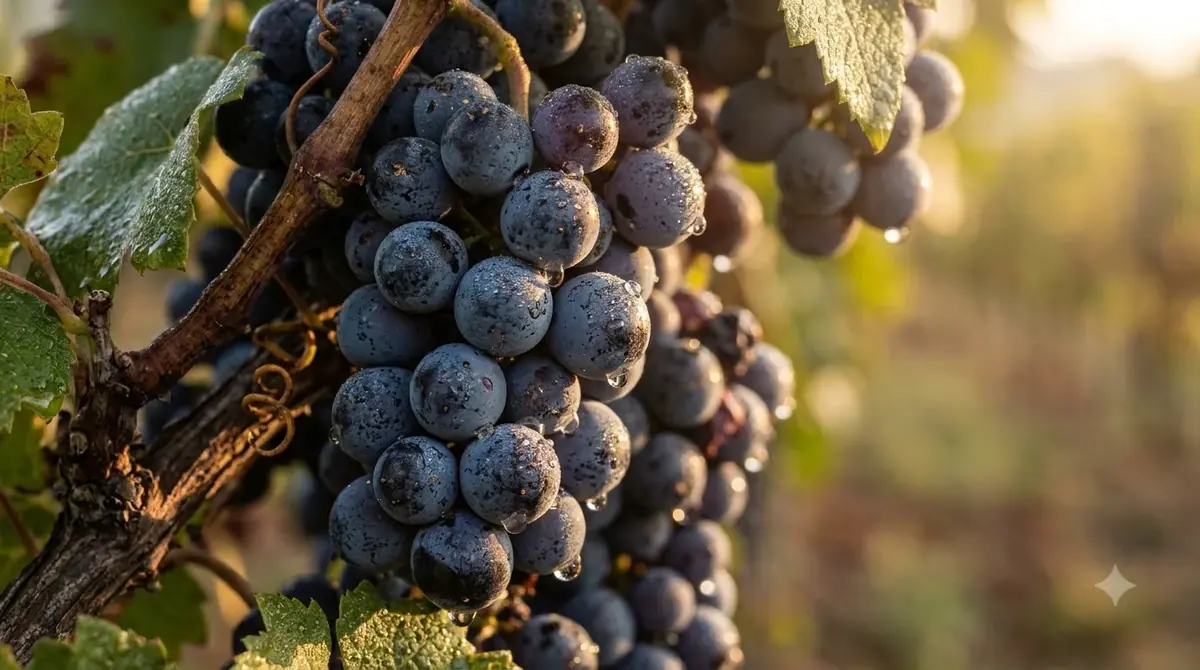
Two grapes come up again and again when people describe Japanese wine. The first is Koshu, a white variety considered indigenous to Japan, with a long history in the country. Koshu wines are typically pale straw in color, with citrus and peach notes and a clean, delicate, fresh taste.
The second is Muscat Bailey A, a red hybrid developed by Zenbei Kawakami in Niigata. It has a very grape-juice-like flavor and has long been used in sweet amakuchi wines. Drier and barrel-aged versions now exist too, and some blends are styled after Bordeaux or Burgundy.
| Grape | Color | Typical character |
|---|---|---|
| Koshu | White | Citrus, peach, fresh and delicate |
| Muscat Bailey A | Red | Juicy, grape-forward, often sweeter styles |
A Short History of Japanese Winemaking
The Wikipedia summary traces grape growing in Japan to 718 AD in Katsunuma, Yamanashi. Wine consumption became documented in the 16th century, when Portuguese Jesuit missionaries arrived in the country.
Commercial domestic production began after the Meiji Restoration. The first serious attempt was made in Kofu in 1875, but phylloxera destroyed the early European-variety project in 1884. For much of the 20th century, sweet, fortified and medicinal wines dominated the market. Suntory’s Akadama port wine was a major early seller.
The shift from sweet wines to drier styles is one of the main changes in the country’s history. As producers gained experience with local grapes and modern equipment, they began to make wines that many drinkers today find more balanced.
Quality and output grew through the 1970s and 1980s, and consumption kept rising in the 1990s and 2000s. Wikipedia estimates that by the end of the 20th century about 15 million people in Japan drank wine regularly.
Styles You Will Find on the Shelf
Sweet amakuchi wines have long been the mainstay of Japanese production, and many people’s first experience of the country’s wine is one of these. Drier, barrel-aged and blended styles are increasingly common, and they show a different side of local grapes.
Serving is simple. Whites are best chilled lightly, while sweet amakuchi wines are often enjoyed on their own or with dessert. Red Muscat Bailey A styles can be served slightly cool, which keeps their fruit lively. A plain stemmed glass is all you need for most bottles from the country.
Japanese wines are often made in small batches, and some producers focus on a single site. That approach makes the local character of each vineyard easier to taste, especially with Koshu.
How to Read a Japanese Wine Label
Japan requires disclosure when a bottle contains imported bulk wine or grape concentrate, and most mass-market products use some imported material. The National Tax Agency, which handles liquor administration and taxation in Japan, publishes information on its liquor rules.
According to Wikipedia’s summary of Japanese wine, wines made entirely from domestic grapes command a price premium, so the front label alone may not tell you where the grapes came from.
Read the back label as well as the front. It often lists the grape variety, the producing area and whether the wine contains imported material. Those details help you compare bottles that look similar on the shelf.
Look for the words that describe the grape source and the grape variety. A bottle that names Koshu or Muscat Bailey A and identifies a prefecture usually gives you more reliable information than one with only a brand name.
Tip: If you want to compare Japanese wine with Old World styles, pour a Koshu next to a crisp white from elsewhere and notice how the acidity and fruit differ.
Visiting Japanese Wineries
Because the Koshu Valley holds most of Yamanashi’s wineries, it is the easiest place to start a visit. Many producers in the area welcome guests for tastings, and the region’s towns make it simple to see several wineries in a single day.
Wineries farther north, in Nagano and Hokkaido, offer a different experience. Cooler conditions and different soils give their wines a distinct character, so a trip that covers more than one prefecture shows how much variety the country holds. Check each winery’s opening hours before you travel, since small producers often keep limited schedules.
Food Pairing Ideas
Koshu’s clean, delicate style suits Japanese food well. Light seafood, sashimi, vegetable tempura and simple grilled fish all let the wine’s freshness show without overpowering the dish.
Grilled yakitori, teriyaki dishes and salty snacks can also work well with a Koshu or a lightly sweet red, because the wine’s acidity or fruit balances the seasoning. Trying a few combinations at home is an easy way to learn your own preferences.
Muscat Bailey A pairs better with sweeter, richer dishes or with grilled and savory foods that balance its fruitiness. Chilled, lightly sweet wines also fit spicy dishes better than heavy, tannic reds.
Frequently Asked Questions
What is the most famous grape in Japanese wine?
Koshu is the best-known white variety and is considered indigenous to Japan. Muscat Bailey A is the most widely discussed red hybrid, and it is often used in sweeter wines.
Which regions make the most Japanese wine?
Yamanashi leads with about 31 percent of domestic-grape wine, followed by Nagano and Hokkaido. The Koshu Valley in Yamanashi holds most of the prefecture’s wineries.
Is all wine sold in Japan made in Japan?
No. Wikipedia reports that about two-thirds of the wine bought in Japan was imported in 2017. Domestic-grape wine was only a small share of consumption.
How should I serve Japanese white wine?
Chill it lightly so the aromas show. Koshu in particular is best served fresh rather than very cold, which lets the citrus and peach notes come through.
Japanese wine also suits people who enjoy comparing how a single country’s grapes change from one region to the next. A bottle from Yamanashi may taste quite different from one made farther north, and that variety is part of the appeal. Pairing wines with food from the same culture often makes the match feel natural, so a light Koshu with seafood is a good first experiment for most drinkers.
Japanese wine is worth exploring for anyone who enjoys discovering something new. To compare styles from other countries, the Italy wine guide and the Sancerre wineries page offer useful contrasts, and the wine regions section explains how place shapes flavor around the world.
More in Wine Regions
 Willcox Wine Trail: Discover Arizona’s High-Elevation Wine CountryUpdated Nov 20, 2026
 Yakima Valley Wine Region: Find the Best Styles to TryUpdated Nov 20, 2026
 Vosne Romanee Wine Tasting: Identify Aromas and Choose Better PairingsUpdated Nov 20, 2026
 Yakima Valley Wine Festival: Find the Best Seasonal Wine EventsUpdated Nov 20, 2026
 Wales Vineyards: Discover Cool-Climate Wines and Where to VisitUpdated Nov 20, 2026
 Yountville Wine Festival: Discover Napa Wines and Local FoodUpdated Nov 20, 2026