

We may earn a commission when you buy through links on this page, at no extra cost to you. Learn more.
What is Super Tuscan wine? It is a premium red from Tuscany, Italy, usually blended from Sangiovese with Cabernet or Merlot, made outside the region’s traditional wine rules. The name grew out of winemakers who broke with local appellation laws in the decades after the 1960s. Today it describes a wide range of bottles, and many of them carry a simple regional label on the back.
This guide explains where the term came from, which grapes show up in these wines, and how they compare with Chianti Classico. It also covers how they taste, what to serve them with, and how to buy and store a bottle. If you shop for Italian reds in the United States, you will see this name on wine lists and shelves often.
What Is Super Tuscan Wine?
Super Tuscan is an informal term for high-quality wines from Tuscany that do not fit the region’s classic appellation rules. The wines are often made from international grape varieties or blends the law did not allow at the time.
Most Super Tuscans are red, although some are white. Wine writers at Decanter’s overview of SuperTuscan wines point to Tignanello, Sassicaia and Ornellaia as well-known examples. Those names are often used to explain the category to new buyers.
The important point is that the name describes a style and a history, not a single legal category. A bottle can be labeled as a regional table wine, and it can still be among the most respected wines in Italy. That gap between the label and the reputation is why many people find the term confusing at first.
How Super Tuscans Started in Tuscany
The movement began when producers in the 1960s started experimenting with grapes from Bordeaux. Cabernet Sauvignon, Cabernet Franc and Merlot were the varieties that drew the most interest from ambitious winemakers in the region.

Sassicaia is usually considered the first Super Tuscan. According to Decanter’s background on the category, Marchese Mario Incisa della Rochetta made the wine for private use from 1948, using Cabernet vines planted in Bolgheri on the coast. The first commercial release was the 1968 vintage, but strict local law forced it to be labeled as table wine.
Those rules also shaped the Chianti recipe in ways many producers disliked. Chianti had to include certain lower quality varieties, and the blend required at least 10 percent white grapes. Winemakers who wanted to make serious red wine felt boxed in by that requirement.
Antinori’s 1971 Tignanello became one of the most influential examples. It blended Sangiovese with Cabernet Sauvignon and was declassified to table wine despite its quality. As more wines like this succeeded, critics and drinkers began grouping them under one name. The term became shorthand for experimental, high-quality Tuscan wine.
The movement later gained formal recognition. The IGT classification was created in 1992 to recognize these outsider wines, and the Decanter report on the Historical Super Tuscans association describes how sixteen founding members formed a group in Florence. Those founders all made at least one acclaimed wine within the Chianti Classico area before 1994.
Common Grapes in Super Tuscan Blends
Super Tuscans are defined more by freedom than by one fixed recipe. Producers can combine Sangiovese with international varieties, or they can make a wine from a single non-Italian grape. The mix depends on the estate, the vineyard and the winemaker’s goals.
Sangiovese remains the heart of Tuscan red wine, and it still appears in many Super Tuscan blends. If you want to learn more about the grape, our chianti grape guide explains how it is used in the region’s best-known wine. Its acidity and savory character give structure to many of these bottles.
Cabernet Sauvignon is one of the most common partners. Decanter notes that Tignanello has been blended with Cabernet Sauvignon since 1975, and that is a good example of how producers changed their wines over time. Cabernet Franc and Merlot appear too, and some estates bottle Merlot on its own.
Single-variety Super Tuscans also exist. Decanter describes Castello di Ama’s L’Apparita as a 100 percent Merlot from Gaiole in Chianti, and it calls the 1985 release Tuscany’s first. Wines like this show that the category is not limited to a single blend formula.
Super Tuscan vs. Chianti Classico
Super Tuscan and Chianti Classico are both Tuscan reds, but they follow different rules. Chianti Classico is a protected appellation with requirements for grapes and production. Super Tuscans are defined by what they break from, which gives producers more freedom in the blend.
| Feature | Super Tuscan | Chianti Classico |
|---|---|---|
| Legal status | Can be IGT, DOC or DOCG, depending on the wine | Protected DOCG appellation |
| Typical grapes | Sangiovese plus Cabernet, Merlot or other varieties | Sangiovese-based blend under the rules |
| White grapes | Not a defining rule for the category | Banned since 2006, according to Decanter |
| How the name works | An informal term for a style of wine | A specific place and set of rules |
| Label to check | The producer name and the IGT or DOC designation | The Chianti Classico name and the seal on the neck |
Chianti Classico has moved closer to the Super Tuscan philosophy over time. Decanter reports that the region finally banned white grapes from its blend in 2006, after years of quality-focused debate. That change shows how the two styles influenced each other rather than simply competing.
When you compare the two on a shelf, look at the label first. A Chianti Classico label tells you the region and the rules, while a Super Tuscan label often tells you the producer and the wine’s place of origin. Both can be excellent, so the choice comes down to the style you enjoy.
How Super Tuscans Taste and What to Pair Them With
Most Super Tuscans are full-bodied reds with firm structure and ripe fruit. The exact taste depends on the grapes and the oak, but many buyers describe dark berry flavors, savory notes and a long finish. Some bottles are more restrained, while others feel rich and generous.
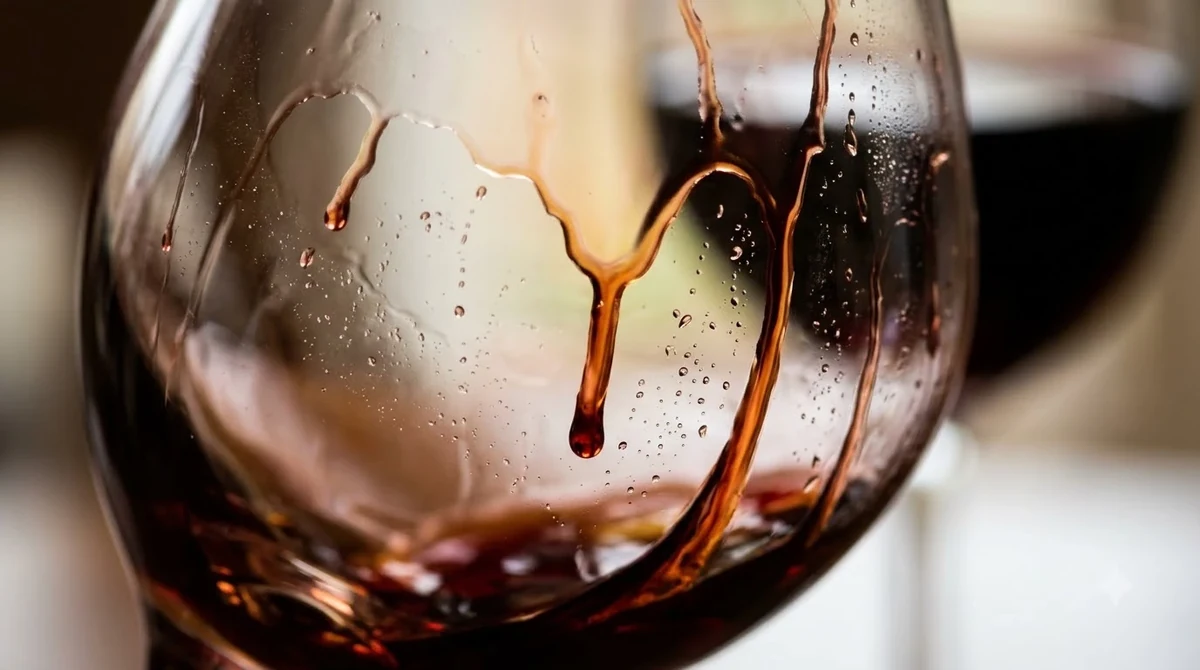
Cabernet Sauvignon and Merlot often add depth, body and tannin to the wine. Producers who use French barrique aging add vanilla, toast and spice notes, according to Decanter’s history of the movement. Sangiovese contributes bright acidity and a savory edge that keeps the wine lively with food.
These wines pair well with grilled or roasted meats, especially beef, lamb and game birds. Tomato-based dishes, aged hard cheeses and mushroom recipes also work well. The tannin and structure help cut through rich sauces, so match the wine’s intensity to the strength of the dish.
For a simple starting point, try a Super Tuscan with a classic Tuscan meal such as a bistecca style steak or a plate of pasta with a meat sauce. You can explore other red styles in our Wine by Type hub. Enjoy these wines with food and in moderation, as with any wine.
How to Buy and Store Super Tuscan Wine
Buying a Super Tuscan is easier when you know what to read on the label. Look for the producer name, the vintage year and the IGT or DOC designation. The wine’s name often matters more than the region name printed on the front.
Many Super Tuscans are built to age, and some of the most famous bottles are sold as ready for long cellaring. Check the producer’s website or the importer’s technical sheet for drinking recommendations. Those sources usually explain when a wine is likely to be at its best.
Store bottles in a cool, dark place with steady temperatures and little vibration. Keep them lying on their side if they have natural corks, so the cork stays moist. Once opened, a red wine should be recorked and kept cool, and most reds are best finished within a few days.
Tip: Ask a wine shop staff member to show you two or three Super Tuscans from different producers. Comparing styles side by side helps you find the blend you enjoy most.
Frequently Asked Questions
Is Super Tuscan wine always red?
Most Super Tuscans are red, but the category can include some white wines too. Decanter notes that these wines are made from non-indigenous varieties or blends not allowed under Tuscan appellation law. Check the label to confirm the color and grapes.
Why are they called Super Tuscans?
The name was used to describe high-quality Tuscan wines that punched above their local classification. Many were declassified to table wine, even though critics and drinkers rated them highly. The term grew into a shorthand for experimental, premium Tuscan wine.
Is Super Tuscan the same as Chianti Classico?
No. Chianti Classico is a protected appellation with specific grape and production rules. Super Tuscan is an informal style term, and the wines may use different grapes or follow different legal categories.
What should I look for when buying one?
Start with the producer name, the vintage and the IGT or DOC designation on the label. Then check the producer’s website or the importer’s sheet for grape information and drinking advice. Those details will tell you more than the name alone.
Super Tuscan wine is a good example of how rules and creativity shape a region’s reputation. Once you know the history, the labels become much easier to read. Explore Sangiovese-based wines and other Tuscan styles to see how the category fits into Italy’s wider wine scene.
More in Wine Types & Grapes
 Zinfandel Sugar Content: Dry Red vs. White Zinfandel GramsUpdated Nov 21, 2026
 Best Zinfandel Substitute Options for Sipping and CookingUpdated Nov 21, 2026
 Zweigelt Food Pairing: Best Dishes, Cheeses, and Serving TipsUpdated Nov 21, 2026
 Zinfandel Tannins Explained: How Structure Shapes Every BottleUpdated Nov 21, 2026
 Zinfandel Sweetness Level: Dry Red vs. Sweet White Zin ExplainedUpdated Nov 21, 2026
 Xinomavro Food Pairing: Best Dishes, Styles, and Serving TipsUpdated Nov 21, 2026