

We may earn a commission when you buy through links on this page, at no extra cost to you. Learn more.
Seneca Lake wine comes from one of the largest of the Finger Lakes in upstate New York, and it is known best for crisp Riesling, aromatic whites, and cool-climate reds such as Cabernet Franc. The lake is deep and long, and its water holds heat into the fall, which slows ripening and helps the grapes keep their acidity. That combination shapes most of the wines made along its shores.
This guide explains where Seneca Lake sits on the map, how its climate and soils affect the grapes, which styles to look for on a label, and how to serve and pair these wines at home. It is written for shoppers and new wine drinkers who want a clear picture before they open a bottle or plan a visit.
Where Seneca Lake sits in New York wine country
Seneca Lake is one of the long, narrow glacial lakes that give the Finger Lakes region its name. According to Wikipedia, Seneca Lake is the largest of the Finger Lakes, and the surrounding land has a designated American Viticultural Area that the wine industry uses for labeling. The lakeshore towns, vineyards on the slopes, and small producers spread along the water form the core of what most people mean when they say “Seneca Lake wine.”
The region sits well north of the wine areas most Americans learn about first, which surprises many buyers. Its wineries are a comfortable drive from the Northeast cities, so they are a common weekend trip for people in New York and nearby states. The New York Wine & Grape Foundation, based in Penn Yan, publishes regional wine information for the state. For a wider look at where American wine is made, the Wine Regions guide places Seneca Lake next to other growing areas.

Climate, soils and the lake effect
The lake does most of the work. Deep water stores summer warmth and releases it slowly, so vineyards near the shore see a longer, milder growing season than inland sites at the same latitude. Cold winters remain a real challenge, and growers choose varieties and training systems that survive them. Spring frost is managed with careful site selection, and the lake’s moderating effect is what makes late-ripening grapes possible in the first place.
Soils on the hillsides are mostly shale and glacial deposits left behind by retreating ice. They drain well, which helps vines avoid waterlogged roots. Slopes that face the water catch sun, and cold air drains down toward the lake, which keeps the upper vineyards from freezing as often as the valley floor. Growers describe these microclimates in detail, and a single road can cross several of them.
The practical result is a wine style driven by cool nights and bright acidity. Wines from this area tend to taste lean and fresh in cool vintages and rounder in warm ones. Vintage matters more here than in some warmer regions, so a label from a strong year is worth checking.
Grapes and wine styles to look for
Riesling is the signature white of the region, and it takes many forms: dry, off-dry, and sweet ice wine. Other aromatic whites such as Gewürztraminer and Chardonnay also appear on local lists. On the red side, Cabernet Franc and Pinot Noir do well in the cooler sites, and blends built around these varieties show up in tasting rooms as house wines.
Each style has its own profile, and knowing the basics makes shopping easier. The table below gives a quick guide to the most common wines you will see on a Seneca Lake label.
| Wine | Typical profile | Serve at | Good with |
|---|---|---|---|
| Dry Riesling | Crisp, citrus and stone fruit, high acidity | Well chilled | Pork, shellfish, spicy Asian dishes |
| Off-dry Riesling | Soft sweetness balanced by acid, peach and honey notes | Well chilled | Spicy food, ham, fruit desserts |
| Ice wine | Concentrated, very sweet, honeyed and bright | Chilled, in small pours | Blue cheese, fruit tarts, plain cheesecake |
| Cabernet Franc | Herbal, red berry, savory, medium body | Slightly cool | Roast chicken, tomato dishes, grilled sausage |
| Pinot Noir | Light to medium, cherry and earth, silky texture | Slightly cool | Salmon, mushrooms, roast duck |
Tip: If a Riesling label says “dry,” expect a crisp, tart wine. If it says “semi-dry” or “off-dry,” expect a little sweetness that works well with spicy food.
Serving and pairing Seneca Lake wine at home
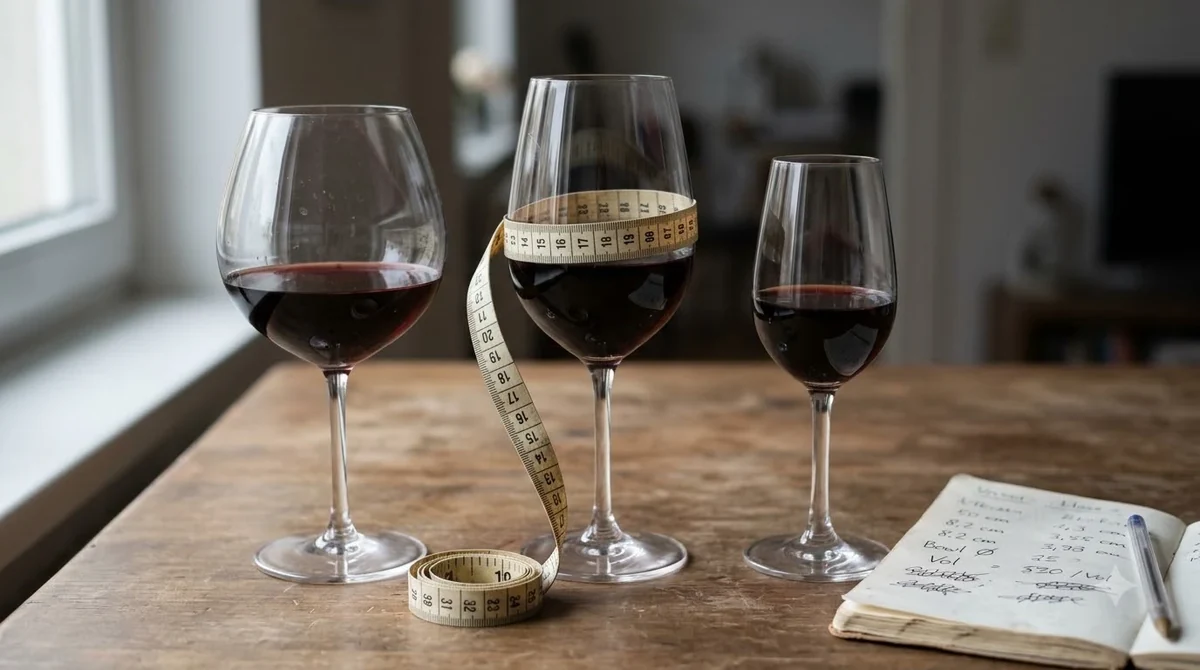
Most of these wines are easier to enjoy than their reputation suggests. White wines show best when chilled but not ice cold, because very cold temperatures mute aroma. Reds from the cooler sites benefit from a short stay in the fridge before pouring. A white glass with a narrow bowl helps concentrate aroma in Riesling, and a wider red glass lets Pinot Noir open up.
Pairing starts with acidity. Riesling’s bright acid cuts through rich or salty foods, which is why it works with pork, duck, and spicy cuisine. Cabernet Franc’s herbal edge pairs with tomato sauces and grilled meats. Save the sweetest styles for dessert or a cheese course rather than a full meal.
Visiting the wine trail
Many visitors plan a trip around the lake’s tasting rooms. The lakeshore has a long string of wineries, and a day on the road is easier with a map and a few tasting appointments already booked on busy weekends. Many tasting rooms waive or reduce the tasting fee when you buy a bottle. Ask the staff which wines are made in small batches, because those are often sold only at the winery.
Plan to spread visits across a few days if you want to compare styles. The seneca lake wine trail guide covers wineries by town and is a good starting point for building a route. Pick one or two wineries that focus on Riesling and one that makes reds, so you can taste the difference between the region’s main styles.
How Seneca Lake compares with Niagara wines
New York has several wine regions, and the Finger Lakes and the Niagara area are often compared. Niagara sits closer to Lake Ontario and is known for a different mix of grapes and sweeter styles. Seneca Lake is better known for dry and off-dry Riesling and cool-climate reds. Both regions reward curious drinkers, and a tasting from each gives a clear sense of how location changes the glass.
If you want to see how the other region presents itself, the Niagara-on-the-Lake vineyards page and the Niagara-on-the-Lake wine guide explain its main producers and styles. Comparing the two side by side is a useful exercise for new buyers.
Frequently Asked Questions
Is Seneca Lake wine mostly white or red?
Seneca Lake is best known for white wine, especially Riesling in dry, off-dry, and sweet styles. Red wines such as Cabernet Franc and Pinot Noir are also made, mainly from the cooler sites near the water.
What does the lake do for the grapes?
The deep lake stores heat during the warm months and releases it slowly, which gives nearby vineyards a longer, milder season. It also slows ripening, which helps grapes keep the acidity that makes these wines fresh.
Which Seneca Lake wine should a beginner try first?
A dry Riesling is a good starting point because it is crisp, easy to pair with food, and shows the regional character clearly. An off-dry Riesling is a softer option for people who prefer a little sweetness.
Can I buy Seneca Lake wine outside New York?
Availability depends on the winery and on state shipping rules. Many producers ship within their home state, and some sell through retailers in other states. Check each winery’s website for current options before you order.
Seneca Lake wine rewards a little curiosity. Start with a dry Riesling, try a Cabernet Franc alongside a simple dinner, and compare the two at home. Once you know what the lake does to the grapes, every bottle from its shores tells you a little more about where it was made.
More in Wine Regions
 Willcox Wine Trail: Discover Arizona’s High-Elevation Wine CountryUpdated Nov 20, 2026
 Yakima Valley Wine Region: Find the Best Styles to TryUpdated Nov 20, 2026
 Vosne Romanee Wine Tasting: Identify Aromas and Choose Better PairingsUpdated Nov 20, 2026
 Yakima Valley Wine Festival: Find the Best Seasonal Wine EventsUpdated Nov 20, 2026
 Wales Vineyards: Discover Cool-Climate Wines and Where to VisitUpdated Nov 20, 2026
 Yountville Wine Festival: Discover Napa Wines and Local FoodUpdated Nov 20, 2026