

We may earn a commission when you buy through links on this page, at no extra cost to you. Learn more.
Barbaresco wine is a red wine made from Nebbiolo in a small corner of Piedmont, in northwest Italy. The DOCG covers three communes, Barbaresco, Treiso and Neive, plus a sliver of Alba’s territory, and the wine must be aged for at least two years before release. Most bottles are elegant and perfumed, with rose and cherry aromas and firm, fine-grained tannins that soften with time.
This guide explains where Barbaresco comes from, how the wine is made and aged, what it tastes like, and how to serve and buy it. If you have already seen the name next to Barolo on a shelf, the sections below will help you understand how the two differ.
Where Barbaresco Is Made
Barbaresco is produced in the Langhe hills immediately east of the town of Alba, in the Piedmont region of northwest Italy. According to the Wikipedia summary of the appellation, the DOCG covers the communes of Barbaresco, Treiso and Neive, along with the area of San Rocco Seno d’Elvio, which now belongs to Alba.
The vineyards sit on steep slopes with calcareous marl soils. Those soils and the local climate influence how the wine develops, and producers often describe differences between individual crus and villages as a key part of their identity.
The small size of the zone matters too. Because the appellation is compact, a single village can produce wines that taste noticeably different from one another, and many visitors find that tasting across the three communes is the quickest way to understand the district. The hilltop towns also make the area appealing for a slow, scenic trip through the Langhe.
The Nebbiolo Grape Behind the Wine
Barbaresco is made entirely from Nebbiolo, a late-ripening variety that is demanding to grow. It buds early and ripens late, so growers need sites that get enough sun for the grapes to mature without losing acidity.
Nebbiolo is known for pale color compared with many other reds, high acidity and strong tannins. Winefolly’s Nebbiolo grape profile describes its main aromas as cherry, rose, leather, anise and clay pot, and notes that the tannins are intense enough to call for rich food.
Barbaresco and Barolo share the same grape. The main difference comes from their zones and style: Barbaresco is usually described as a little more approachable at a young age, while Barolo is often considered more structured and long-lived.
How Barbaresco Is Aged
The rules for Barbaresco are set by the DOCG. Under the appellation summary on Wikipedia, the wine must be aged for at least two years before release, including at least nine months in wooden barrels. A Riserva must age for at least four years.
Minimum alcohol is 12.5 percent. Those rules make the wine ready to drink sooner than many people expect, but serious bottles often reward patience for a decade or more.
| Category | Minimum aging before release | What it usually means |
|---|---|---|
| Barbaresco DOCG | 2 years, including at least 9 months in wood | Fresh fruit and floral lift, approachable earlier |
| Barbaresco Riserva | 4 years | More structure and depth, often for longer cellaring |
What Barbaresco Tastes Like
A young Barbaresco usually shows roses or violets on the nose, with red cherry and wild strawberry flavors and a firm, dry finish. With age, the fruit gives way to notes of dried cherry, tar, truffle, fennel and licorice, and the tannins soften into a silky texture.
Vintage conditions shape the profile as well. Cooler years tend to produce brighter, more tightly wound wines, while warmer seasons can bring riper fruit and softer structure. Tasting two vintages of the same producer side by side is one of the clearest ways to see how weather changes the glass.
The wine’s acidity keeps it lively on the palate, which helps it pair with a wide range of dishes. The tannins are the element that most often surprises first-time drinkers. They are grippy rather than chalky in good examples, and they settle as the wine opens in the glass.
How to Serve Barbaresco
Winefolly gives a serving range of 55 to 60 degrees Fahrenheit (12 to 15 Celsius) for Nebbiolo generally, which is a good starting point for Barbaresco too. Serving it slightly cooler than room temperature keeps the fruit fresh and the tannins from feeling heavy.
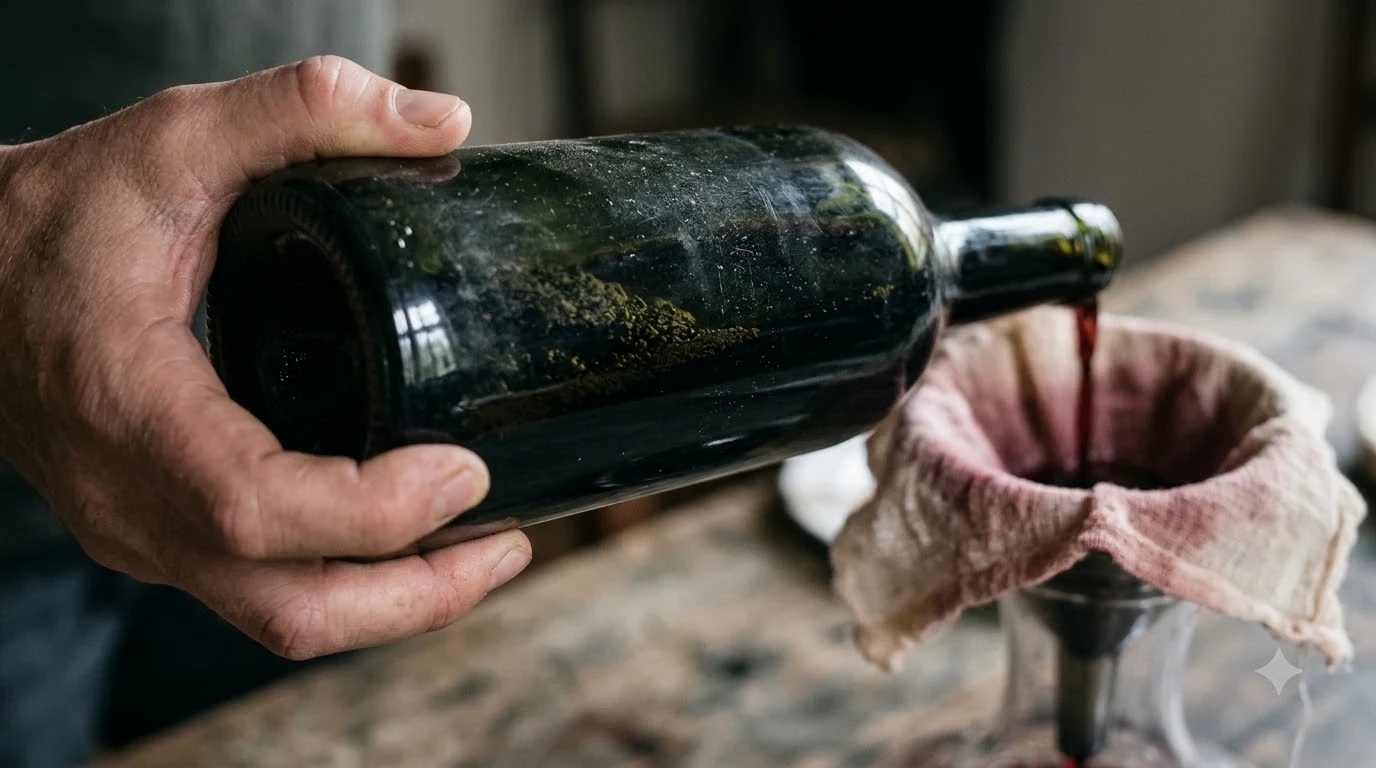
A tall, narrow glass with a fairly wide bowl gives the aromas room to open. Young bottles often benefit from decanting for an hour or two, especially if they are not yet showing their full range of aromas. Older bottles usually need only a gentle pour, since heavy aeration can fade delicate notes quickly.
Tip: If a young Barbaresco tastes closed or very tannic, give it time in the glass or decant it before deciding that the bottle is not ready.
Food Pairing Ideas
Winefolly suggests pairing Nebbiolo with dishes that have enough fat to soften its tannins, such as creamy sauces and aged cheeses. Truffle risotto and butternut squash ravioli are the classic examples given for the grape, and both suit a Barbaresco well.
Roast beef, braised veal and mushroom dishes also work well, because their savory flavors echo the wine’s earthy notes. Harder aged cheeses such as Parmigiano-Reggiano are a natural match for a mature bottle.
How to Choose a Bottle
Start by checking whether the label says Barbaresco DOCG or Barbaresco Riserva. The Riserva will usually cost more and need more cellar time, so it suits buyers who plan to keep wine for several years. A standard Barbaresco is a better everyday choice for dinner.
Style is the other factor. Some producers in the zone are described as traditional, with longer time in large casks and firmer tannins, while others are described as modern, with more time in smaller barrels and a softer, fruit-forward profile. Neither style is better by default, so the right choice depends on whether you want a wine to drink now or to keep.
If the shop staff or the label is unclear, ask which vintage is on the shelf and how the producer describes its wine. A clear answer usually tells you a lot about what you will find in the glass.
Look for the producer’s name, the vintage and whether the bottle names a single vineyard or cru. Producers in the zone vary a lot in style, so it helps to read about a house before buying. The official Piedmont wine consortium and the producers’ own websites are useful places to start.
Frequently Asked Questions
Is Barbaresco the same as Barolo?
No. Both are made from Nebbiolo in Piedmont, but they come from different zones with their own rules. Barbaresco is generally considered somewhat more approachable when young, while Barolo is often described as more structured and long-lived.
How long should I age a Barbaresco?
Many bottles are ready to drink a few years after the vintage is released, and better examples often develop for a decade or more. Riserva bottles are generally made for longer cellaring.
Should Barbaresco be decanted?
Young bottles often benefit from an hour or two in a decanter, which helps the aromas open and softens the tannins. Older, more delicate bottles usually need only a short rest after opening.
What food goes best with Barbaresco?
Rich dishes with fat, such as truffle risotto, braised meats and aged cheeses, pair well because they balance the wine’s firm tannins. Mushroom dishes are also a good match for its earthy notes.
Barbaresco rewards curious drinkers who take the time to learn its zone and style. If you want to explore more Italian reds, the Italy wine guide covers other regions, and the wine regions section explains how place shapes flavor across the world.
More in Wine Regions
 Willcox Wine Trail: Discover Arizona’s High-Elevation Wine CountryUpdated Nov 20, 2026
 Yakima Valley Wine Region: Find the Best Styles to TryUpdated Nov 20, 2026
 Vosne Romanee Wine Tasting: Identify Aromas and Choose Better PairingsUpdated Nov 20, 2026
 Yakima Valley Wine Festival: Find the Best Seasonal Wine EventsUpdated Nov 20, 2026
 Wales Vineyards: Discover Cool-Climate Wines and Where to VisitUpdated Nov 20, 2026
 Yountville Wine Festival: Discover Napa Wines and Local FoodUpdated Nov 20, 2026