


We may earn a commission when you buy through links on this page, at no extra cost to you. Learn more.
What does moscato taste like? It tastes sweet, floral and fruity, with aromas of orange blossom and ripe peach and a soft, low-acid finish. The sweetness comes from leftover sugar and from the strong perfume of the grape itself. Most people notice the aroma first and the sugar second.
This guide explains the moscato flavor profile for beginners. You will learn which aromas show up most often, why the wine seems sweeter than many others, and how to judge whether a bottle is well made or simply sugary.
What Moscato Tastes Like
Moscato is less a single wine than a family of aromatic wines made from related grape varieties. The flavor shifts with the grape, the region and the style. Most bottles are light to medium in body, with a soft texture and very little of the drying grip you feel in red wine.
The aroma is where moscato stands apart. According to a study of fortified Moscato wines, Moscato grapes contain a large number of free and glycosylated monoterpenoids, which give the finished wines a very aromatic character. In plain terms, the grapes carry a strong perfume that survives fermentation.
Many drinkers describe the first sip as sweet, bright and smooth. Because the acidity is often low, the sweetness feels round rather than sharp. A good bottle still has enough freshness to keep the glass from tasting heavy or syrupy.
Common Flavors in Moscato
Moscato flavors fall into a few clear groups. Floral notes usually lead the aroma, fruit comes next, and a grapey, spicy muscat note ties them together. The table below sorts the most common descriptors by what you may notice and where the aroma comes from.
| Aroma group | What you may notice | Where it comes from |
|---|---|---|
| Floral | Orange blossom, rose petal, honeysuckle | Monoterpene aromas such as linalool and geraniol, which researchers identify as key varietal aromas |
| Fruity | Peach, apricot, pear, ripe citrus | Fermentation esters, including ethyl hexanoate, ethyl octanoate and ethyl decanoate |
| Grapey and spicy | Fresh muscat grape, light spice | The character of the Muscat grape variety itself |
| Sweet finish | Honey-like or candied sweetness | Residual sugar left in the wine after fermentation |
According to a Brazilian study of white wines from hybrid grapes, esters were the dominant volatile class in the wines tested. The same research linked ethyl octanoate, ethyl decanoate and ethyl hexanoate to fruity and floral character. For you, that means the fruit and flower notes in a glass come partly from fermentation, not only from the grape.
Not every bottle shows every note. Younger, fresher moscato tends to lean on citrus and peach, while sweeter, fuller styles can taste more of honey and dried fruit. Treat these groups as a checklist for your nose rather than a strict rule.
Why Moscato Tastes Sweet
Moscato usually tastes sweet because the winemaker leaves sugar in the wine or stops fermentation before all the sugar becomes alcohol. Sweetness is a production choice, not a flaw in the grape. Understanding that choice helps you predict how a bottle will taste before you open it.
Fermentation turns grape sugar into alcohol. When a producer halts fermentation early, some sugar remains. In the Italian study of fortified Moscato wines, the producers stopped fermentation when residual sugar was still around 100 grams per liter, and the researchers describe these wines as mainly sweet. Fortified styles also run stronger, with alcohol typically between 15% and 22% by volume, according to the same paper.
Acidity is the second reason. Acidity is what makes a wine taste crisp and lively. One Brazilian study describes a Moscato Embrapa wine as semidry, typically aromatic and low in acidity. When acid is low, sugar stands out more, so the same sweetness can taste sweeter in moscato than in a crisper white.
Aroma also plays a role. Floral and fruity smells are often read by the brain as sweetness, even when the sugar level is moderate. That is why a glass can smell like candy before it tastes sugary, and why the sweetness can feel more intense than the numbers on a spec sheet suggest.
Moscato Compared With Other Light Wines
Moscato sits at the sweet, aromatic end of light white wines. Compared with drier whites, it feels softer and more perfumed, while sparkling styles often feel livelier on the tongue. Knowing the differences makes it easier to choose the right bottle for your table.
If you already enjoy sparkling wine, what prosecco tastes like is a useful reference point. Many prosecco bottles are dry and crisp, with a fine bubble, so moscato will feel rounder and noticeably sweeter. Some sparkling moscato is only lightly bubbly, which bridges the gap between the two styles.
For a dry, citrusy white, what pinot grigio tastes like offers a clear contrast. Pinot grigio is generally leaner and crisper, with less floral perfume. Moscato feels plush and aromatic by comparison. Neither style is better; they suit different moods and meals.
| Wine | Typical sweetness | Acidity feel | Aroma |
|---|---|---|---|
| Moscato | Lightly sweet to very sweet | Soft and low | Floral and fruity |
| Prosecco | Often dry, though styles vary | Lively | Apple and pear with bubbles |
| Pinot grigio | Usually dry | Crisp | Lemon, pear and light stone fruit |
Place matters too. Moscato d’Asti, from northern Italy, is made from Moscato Bianco, which the Italian study calls the oldest and most valuable Moscato variety in Europe. Moscato from other regions can taste fuller or sweeter because growers and winemakers choose different grapes and styles. Check the label for the region and whether the wine is still, sparkling or fortified.
How to Tell if a Moscato Is Good
A well-made moscato tastes sweet but stays fresh. A weaker bottle can taste flat, heavy or cloying, which is the sticky effect many people dislike. You can often spot the difference within a few sips if you know what to look for.
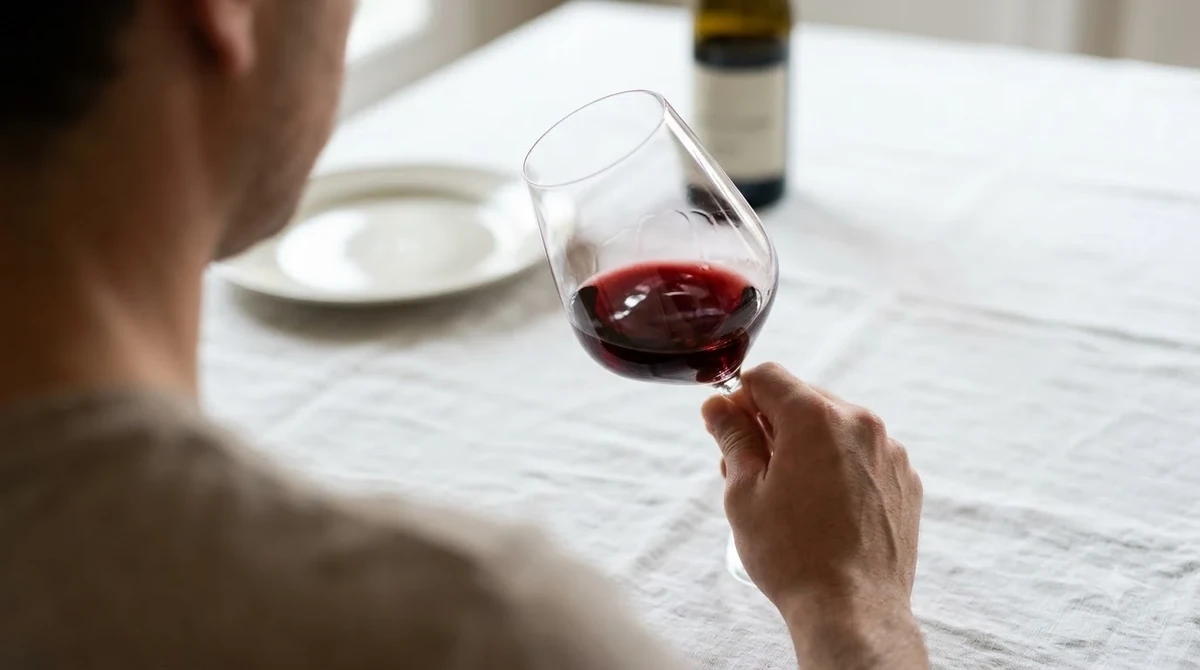
Look for balance first. The sweetness should be softened by enough acidity to keep the finish clean. Aromas should suggest real fruit and flowers rather than candy or artificial sweetness. The finish should feel short and bright, not thick or sticky on the tongue.
- Fresh fruit and flower notes rather than candy
- Enough acidity to balance the sweetness
- A clean, short finish
- A body that feels light rather than syrupy
Check the label and producer materials for style clues. Terms that signal sweetness tell you what to expect, and notes about sparkling or still texture describe the mouthfeel. A producer’s technical sheet, if available, may describe sugar and acidity in plain language. Acidity matters here because a wine with good freshness tends to taste lively rather than heavy.
Tip: Pour a small glass and wait a few seconds before you judge. A good moscato leaves a fresh, fruity aftertaste rather than a coating of sugar.
Serving Moscato and Food Pairings
Serve moscato cold, and keep portions modest. A sensory study of Moscato-type wines served its samples at 10 °C to a trained panel, which is a useful reference point at home. Cool temperature lifts the aroma while keeping the sweetness from feeling heavy.
Moscato pairs well with fruit desserts, such as peach or apricot tarts, and with lightly spiced dishes. Salty snacks, mild soft cheeses and fresh fruit also balance its sweetness. Because the wine is sweet and easy to drink, pace yourself and drink responsibly.
Frequently Asked Questions
Is moscato always sweet?
Most moscato tastes sweet, but styles range from lightly sweet to very sweet. Check the label and producer notes to see where a particular bottle falls before you buy it for a dinner or a dessert course.
Is moscato the same as muscat?
Moscato and Muscat refer to a related family of aromatic grapes. The Italian study notes that Moscato Bianco is the white Muscat and is the most cultivated Moscato variety in Europe. Other Moscato varieties give different aroma balances.
Does moscato taste like grape juice?
Not exactly. Moscato has fermentation aromas, alcohol and a balance of sweetness and acidity that grape juice lacks. Many people describe it as floral and fruity wine rather than juice, especially when the bottle is well made.
What food goes best with moscato?
Fruit desserts, lightly spiced dishes and salty snacks are common matches. The wine’s sweetness works well against salt and spice. Choose a drier moscato if you plan to serve it with a rich main course.
Moscato is easiest to understand as a sweet, aromatic white with soft acidity. Start with a lightly sweet bottle, then compare it with sparkling and dry whites to see how your palate responds. For more basics, browse Wine by Type.
More in Wine Types & Grapes
 Zinfandel Sugar Content: Dry Red vs. White Zinfandel GramsUpdated Nov 21, 2026
 Best Zinfandel Substitute Options for Sipping and CookingUpdated Nov 21, 2026
 Zweigelt Food Pairing: Best Dishes, Cheeses, and Serving TipsUpdated Nov 21, 2026
 Zinfandel Tannins Explained: How Structure Shapes Every BottleUpdated Nov 21, 2026
 Zinfandel Sweetness Level: Dry Red vs. Sweet White Zin ExplainedUpdated Nov 21, 2026
 Xinomavro Food Pairing: Best Dishes, Styles, and Serving TipsUpdated Nov 21, 2026