

We may earn a commission when you buy through links on this page, at no extra cost to you. Learn more.
The calories in port wine average 92 to 103 calories per standard 2-ounce pour, or roughly 140 to 160 calories for a 3-ounce glass. Because port is fortified with neutral grape spirit to around 19 to 22 percent ABV and retains roughly 90 to 130 grams of residual sugar per liter, it is far denser in energy per ounce than dry table wine. However, because traditional servings are two to three ounces rather than five, a single glass often totals fewer calories than a standard pour of full-bodied red wine.
Understanding how alcohol and unfermented grape sugars combine inside a port bottle makes it easy to estimate what goes into your glass. While dry table wines derive nearly all of their energy from ethanol alone, fortified dessert styles carry two distinct sources of calories, and small changes in serving size or style shift the final numbers quickly.
Calories in Port by Serving Size and Style
A standard 2-ounce pour of port contains roughly 92 to 103 calories, while a 3-ounce pour lands closer to 140 to 160 calories depending on the exact sweetness level and alcohol strength. If you pour port into a standard table wine glass at a 5-ounce volume, the total climbs to roughly 230 to 250 calories.
The wide gap between a 2-ounce serving and a 5-ounce serving explains why port has a reputation as a heavy pour. According to Wine Folly, a standard 2-ounce glass of 20 percent ABV port with around 100 grams per liter of residual sugar provides 103 calories. Data compiled by VinePair puts a 2-ounce pour of 19.5 percent ABV Ruby Port at 92 calories, rising to 230 calories if scaled up to a full 5-ounce serving.
Most of those calories come directly from ethanol rather than sugar. Alcohol contributes roughly 7 calories per gram, whereas carbohydrates—including natural grape sugars—contribute 4 calories per gram. In a typical 2-ounce glass of 20 percent ABV port, about two-thirds to nearly three-quarters of the total energy comes from alcohol, with the remaining quarter to one-third supplied by residual sugar and trace carbohydrates. Fat and protein are virtually absent, registering at zero grams and under a tenth of a gram respectively.
| Serving Size or Style | Typical ABV | Residual Sugar | Approx. Calories | Approx. Carbs |
|---|---|---|---|---|
| 2 oz Ruby or Tawny Port (standard pour) | 19.5%–20% | 90–110 g/L | 92–103 kcal | 6–8 g |
| 3 oz Ruby or Tawny Port (generous pour) | 19.5%–20% | 90–110 g/L | 140–160 kcal | 9–12 g |
| 5 oz Port (table wine glass pour) | 19.5%–20% | 90–110 g/L | 230–250 kcal | 15–20 g |
| 2 oz Dry or Extra Dry White Port | 16.5%–20% | Under 65 g/L | 75–90 kcal | 2–4 g |
| 2 oz Lágrima (Very Sweet White Port) | 19%–22% | Over 130 g/L | 105–115 kcal | 8–10 g |
Within the broader family of Wine by Type, port sits near the top of the calorie-per-ounce scale alongside other fortified and late-harvest bottles. Even so, its built-in portion control keeps a single after-dinner glass surprisingly reasonable compared with many other evening drinks.
Why Fortification Increases Calorie Density
Port contains more calories per ounce than regular red or white wine because winemakers interrupt fermentation early by adding high-proof grape brandy. This single cellar step simultaneously boosts the alcohol percentage and locks in unfermented grape sugar.
During standard table wine production, yeast consumes nearly all of the natural glucose and fructose in the grape juice, converting them into alcohol and carbon dioxide until the wine is dry at 12 to 14.5 percent ABV. In Portugal’s Douro Valley, port producers stop that process when roughly half of the natural grape sugars have fermented. They add a neutral grape spirit—known locally as aguardente and regulated at around 77 percent alcohol—at a typical ratio of one part spirit to four parts fermenting wine.
Adding that spirit kills the yeast immediately, leaving the finished wine between 19 and 22 percent ABV while preserving roughly 80 to 130 grams per liter of residual sugar. Because both alcohol and sugar carry caloric energy, stopping fermentation at the halfway point creates a liquid that is roughly twice as calorie-dense per milliliter as a dry table wine. That concentration also drives the rich, velvety texture described in guides to what does port taste like, where ripe berry jam, fig, caramel, and toasted nut notes balance the warming spirit.
How Different Styles of Port Compare
Although most red ports hover around 19 to 22 percent ABV and 90 to 130 grams per liter of sugar, specific styles vary in sweetness and alcohol enough to shift a pour by 15 to 25 calories. Ruby, Tawny, Vintage, and White ports each follow slightly different aging and blending paths.
Ruby, Reserve Ruby, Late Bottled Vintage (LBV), and Vintage ports are aged primarily in large vats or bottles to preserve deep color and fresh dark-fruit character. They generally land right in the middle of the sweetness spectrum at roughly 90 to 110 grams of residual sugar per liter and 19.5 to 20 percent ABV, yielding right around 92 to 103 calories per 2-ounce pour. Aged Tawny ports—such as 10-, 20-, 30-, or 40-year bottlings—spend years in smaller oak casks, where slow evaporation concentrates flavor and acidity, though their finished sugar and alcohol levels stay remarkably close to Ruby styles at around 100 to 130 grams per liter.
White port offers the widest calorie range in the category because regulators classify it across multiple sweetness tiers, from Extra Dry (under 40 grams per liter) and Dry (40 to 65 grams per liter) up to Lágrima (over 130 grams per liter). A Light Dry White Port can also be bottled at a minimum of 16.5 percent ABV rather than the usual 19 to 22 percent range. Choosing an Extra Dry or Light Dry White Port trims both alcohol and sugar, bringing a 2-ounce serving down to roughly 75 to 90 calories.
Port vs. Table Wine, Dessert Wine, and Cocktails
Ounce for ounce, port carries roughly twice the calories of dry table wine, yet a typical 2-ounce glass of port contains fewer total calories than a standard 5-ounce glass of Cabernet Sauvignon or Chardonnay. Portion size completely flips the comparison at the table.
A 5-ounce pour of dry red or white wine at 12.5 to 14 percent ABV typically lands between 105 and 125 calories, with only 1 to 4 grams of carbohydrates and less than a gram of sugar. Bold, high-alcohol dry reds at 14.5 to 15 percent ABV reach 122 to 135 calories per 5-ounce glass. Compared against those numbers, a 2-ounce pour of Ruby or Tawny port at 92 to 103 calories actually saves 15 to 30 calories per serving, even though it delivers 6 to 8 grams of carbohydrates instead of 3 grams.
Other sweet wines and mixed drinks tell a similar story. Botrytized dessert wines like Sauternes sit around 14 percent ABV with roughly 150 grams per liter of residual sugar, totaling about 83 calories in a 2-ounce pour or 115 calories in a 3-ounce pour. Meanwhile, mixed wine drinks such as a 6- to 8-ounce glass of calories in sangria can range much higher once fruit juice, simple syrup, and liqueurs are stirred in. Even when port itself is used as a base for a port cocktail—such as a White Port and Tonic—adding regular tonic water introduces extra sugar that pushes the drink past 150 calories unless you use diet tonic or club soda.
| Drink Comparison | Standard Serving | Typical ABV | Approx. Calories | Approx. Carbs |
|---|---|---|---|---|
| Ruby or Tawny Port | 2 oz | 19.5%–20% | 92–103 kcal | 6–8 g |
| Sauternes (Dessert Wine) | 2 oz | 13.5%–14% | 83–90 kcal | 7–8 g |
| Dry White Wine (Pinot Grigio) | 5 oz | 12.5%–13% | 105–120 kcal | 3 g |
| Dry Red Wine (Cabernet Sauvignon) | 5 oz | 13.5%–14.5% | 120–125 kcal | 3–4 g |
| Moscato d’Asti (Sweet Sparkling) | 5 oz | 5%–5.5% | 120–153 kcal | 16–19 g |
Practical Ways to Manage Portions When Pouring Port
Because port is concentrated in both alcohol and sugar, the simplest way to keep calories in check is to serve it in traditional glassware and treat it as a slow-sipping pour rather than a table wine. Small adjustments to how you pour and chill the bottle make a noticeable difference.
Traditional port glasses hold only 3 to 4 ounces total, which naturally encourages a 2-ounce pour while leaving headspace to swirl and concentrate the aromas. If you only have standard 12- to 16-ounce wine glasses on hand, it is easy to eyeball a 4- or 5-ounce pour without realizing you have doubled the intended serving. Using a simple jigger or small cordial glass keeps a single glass right around 95 to 100 calories and delivers roughly the same amount of pure alcohol as a 3.5- to 4-ounce glass of table wine.
Tip: Measure a 2-ounce pour into your favorite glass with water once so you can see exactly where that line sits—in a standard wine glass, 2 ounces looks like just a shallow splash at the bottom of the bowl.
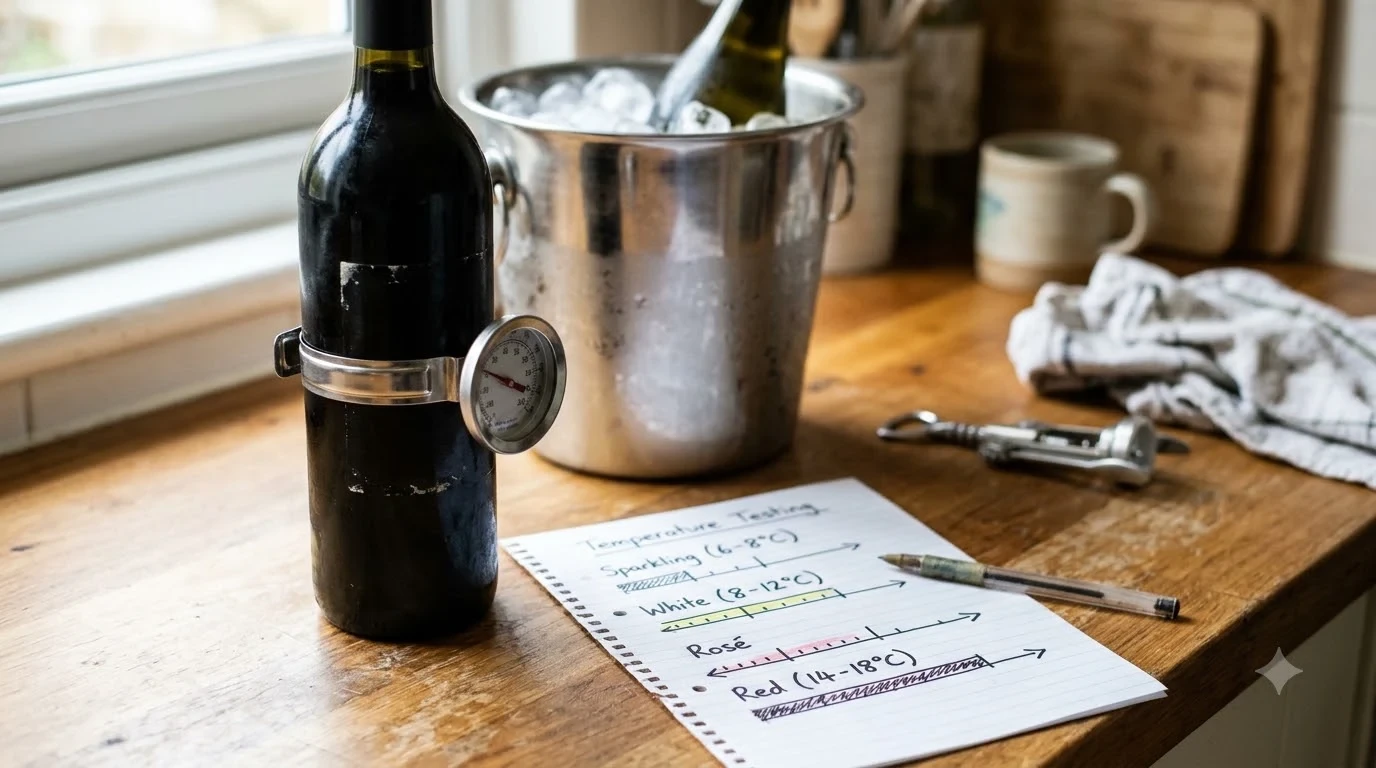
Serving port at the proper cellar temperature also slows down your pace naturally. Reviewers at major wine publications consistently recommend serving Ruby and Vintage styles slightly cool at 60 to 65 degrees Fahrenheit, Aged Tawnies lightly chilled at 54 to 60 degrees, and White or Rosé ports well chilled at 43 to 50 degrees. When port is served too warm, the 20 percent alcohol feels harsh; when properly chilled, the acidity and complex fruit or nutty notes shine in tiny sips.
Frequently Asked Questions
How many calories are in a 2 oz glass of port wine?
A standard 2-ounce pour of Ruby or Tawny port contains roughly 92 to 103 calories. Roughly two-thirds of those calories come from its 19.5 to 20 percent alcohol content, while the remaining third comes from 6 to 8 grams of natural residual sugar.
Does Tawny Port have fewer calories than Ruby Port?
Tawny Port and Ruby Port have nearly identical calorie counts, averaging 92 to 103 calories per 2-ounce serving. Both styles are fortified to 19.5 to 20 percent ABV and retain roughly 90 to 130 grams per liter of residual sugar, though barrel aging gives Tawny Port a drier-tasting nutty profile.
How many carbs and grams of sugar are in port?
A 2-ounce serving of standard sweet port contains about 6 to 8 grams of carbohydrates, almost all of which come from unfermented grape sugar. Dry and Extra Dry White Ports contain less residual sugar, dropping closer to 2 to 4 grams of carbs per 2-ounce pour.
Is port higher in calories than regular red wine?
Per ounce, port has roughly twice the calories of dry red wine because of its higher alcohol and sugar levels. However, because port is served in 2-ounce glasses rather than 5-ounce glasses, one standard serving of port actually has about 15 to 30 fewer calories than a standard glass of Cabernet Sauvignon.
Tracking the calories in port comes down to watching your pour size more than avoiding a particular bottle. Stick to a classic 2-ounce serving in a small glass, and you can enjoy the rich warmth of Douro fortified wine for roughly 100 calories.
More in Wine Types & Grapes
 Zinfandel Sugar Content: Dry Red vs. White Zinfandel GramsUpdated Nov 21, 2026
 Best Zinfandel Substitute Options for Sipping and CookingUpdated Nov 21, 2026
 Zweigelt Food Pairing: Best Dishes, Cheeses, and Serving TipsUpdated Nov 21, 2026
 Zinfandel Tannins Explained: How Structure Shapes Every BottleUpdated Nov 21, 2026
 Zinfandel Sweetness Level: Dry Red vs. Sweet White Zin ExplainedUpdated Nov 21, 2026
 Xinomavro Food Pairing: Best Dishes, Styles, and Serving TipsUpdated Nov 21, 2026