

We may earn a commission when you buy through links on this page, at no extra cost to you. Learn more.
Valle de Guadalupe wine comes from a Mediterranean-climate valley in Baja California, Mexico, about two hours south of San Diego. The region produces a large share of Mexico’s wine and has grown into a major tasting destination. This guide explains the climate, the main grapes, the leading wineries, and how US visitors can plan a trip and find these bottles at home.
If you have only heard about Mexican wine in passing, the Guadalupe Valley is a good place to start. The valley combines rolling vineyards, granite boulders and a food scene built around Baja Med cooking. The sections below cover the facts that matter most, the grapes that define the region, and practical notes for planning a visit.
What Is Valle de Guadalupe Wine?
Valle de Guadalupe wine is the output of an agricultural valley in the Ensenada Municipality of Baja California. Estimates of its share of national production vary, so it helps to know the sources behind the numbers.
According to the Wikipedia entry on the Valle de Guadalupe, the valley produces an estimated 70 percent of Mexico’s wine. A travel feature from another source puts the figure closer to 90 percent, so treat either number as an estimate rather than a fixed statistic. Both agree that the valley is the country’s leading wine region.
The valley has changed quickly over the past two decades. Wikipedia reports that the number of wineries grew from 6 in 1999 to 25 in 2005. By 2023, the same source counts about 150 wineries, along with dozens of hotels, boutiques and taco stands. If you know the older Mexican wine producers, expect a far larger and more varied scene today.
Many visitors compare the valley with California’s better-known regions. If you want a reference point, the Valle de Guadalupe wine country guide explains how the valley fits into the wider Baja scene.
Climate, Soil, and Geography
The valley’s climate and soil give winegrowers a Mediterranean pattern with cool, rainy winters and dry, warm summers. Ocean breezes soften the heat, which helps grapes ripen without losing their acidity.
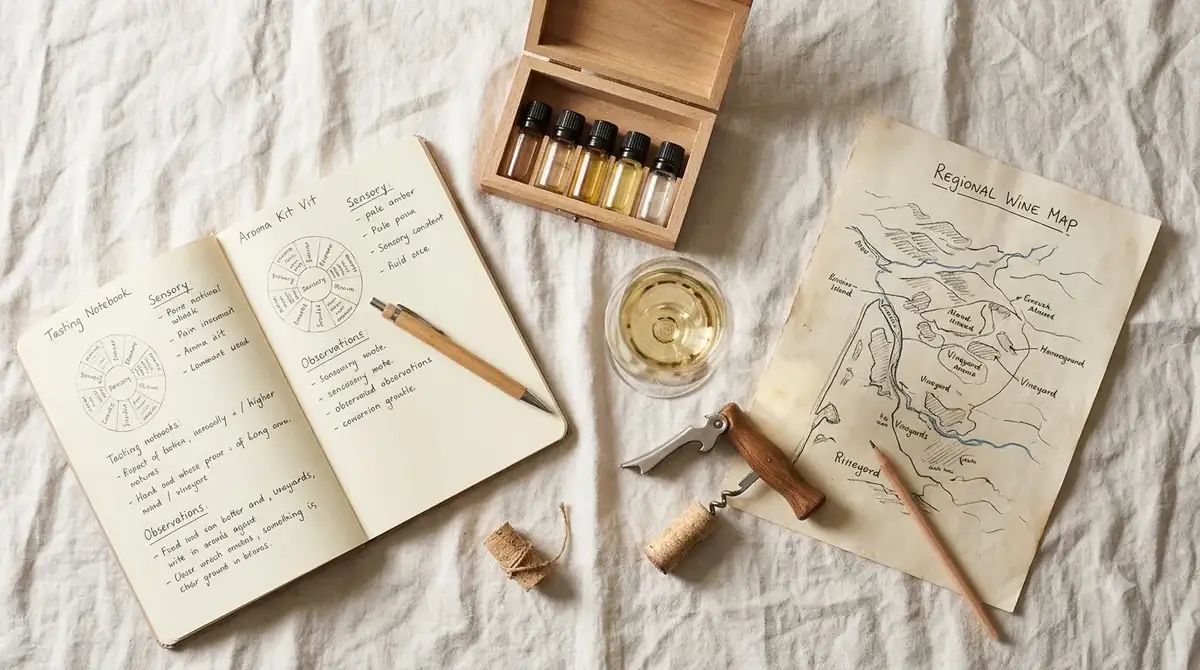
The valley sits roughly 15 miles inland from the Pacific, according to Explore’s travel coverage. It is ringed by granite hills, and the valley floor is fairly flat. Wikipedia gives its average elevation as about 344 meters, or 1,129 feet, above sea level.
Temperatures are moderated by the sea. Wikipedia gives average figures of about 5 °C (41 °F) in winter and 30 °C (86 °F) in summer. These averages hide wide swings between day and night, which many growers say adds to the complexity of the fruit.
The soil is sandy but fertile on the valley floor. The Guadalupe River usually runs underground and shows on the surface only after heavy rain. Because growers and towns rely on groundwater, water supply is a real concern. FWT Magazine notes that managing tourism around water scarcity is one of the valley’s ongoing challenges.
Key Grape Varieties Grown in the Valley
The valley grows a wide range of grapes, from Bordeaux-style reds to Italian and Spanish varieties. Winemakers often describe the mix as something for every palate, and the table below groups the main varieties named in sources.
| Grape group | Varieties named in sources | What the sources say |
|---|---|---|
| Bordeaux-style reds | Cabernet Sauvignon, Cabernet Franc, Merlot | Red Bordeaux varietals are described as the most typical plantings |
| Rhône and Loire style | Syrah, Grenache, Viognier, Chenin Blanc | Grown alongside Bordeaux varieties, with a range of styles |
| Spanish varieties | Tempranillo, Carignan | Tempranillo is named among the mild-climate grapes; Carignan is a featured red at some wineries |
| Italian varieties | Nebbiolo, Sangiovese, Montepulciano | Nebbiolo appears on several producers’ lists |
| White varieties | Sauvignon Blanc, Chardonnay, Palomino | Sauvignon Blanc is widely planted; Palomino is grown at a few family estates |
Wikipedia notes that the mild climate lets vintners grow a broad mix, from Malbec and Sauvignon Blanc to Tempranillo. That breadth is unusual for a single Mexican region. Growers also work with older Spanish and Italian varieties that suit the warm, dry summers.
Harvest timing matters for the grapes you will taste. Explore names August as the harvest season, which makes late summer a popular time to visit. Check with individual wineries before you go, since bottling and tasting schedules change from year to year.
Notable Wineries and Tasting Rooms
The valley has more than 150 wineries, so a short list helps. The producers below are named in the sources, and each offers a different style of visit, from family estates to architectural showpieces.
Bodegas de Santo Tomás is described as the oldest winery in Baja California and the second oldest in Mexico. Visitors can tour the historic cellars and eat at its on-site restaurant, which overlooks the vineyards. Its entry-level Mision series is a common starting point for first-time tasters.
Monte Xanic has a legacy of more than three decades and is known for fine wine in the valley. Its lakeside patios and terrace suit a long, unhurried afternoon. Adobe Guadalupe, an hacienda-style estate open for more than 25 years, offers Rhône and Bordeaux style blends and has lodging on site.
Several smaller producers stand out for their settings. Vena Cava’s winery buildings have roofs made partly from discarded wooden boats. Las Nubes sits at one of the highest elevations in the valley, and its restaurant pairs well with a late lunch. JC Bravo is a family-owned estate where visitors can bring a picnic. Finca La Carrodilla is described as the first certified organic vineyard in the valley.
Clos de Tres Cantos is known for pyramid-shaped structures built from local and recycled materials. Hours for tasting rooms and restaurants are seasonal, and some close on certain weekdays. Check each winery’s website before you plan a route.
Wine Styles and Food Pairing
Valley wines often show a salty, full-bodied character, according to FWT Magazine, which ties this to the region’s ancient marine past. Matching them with food depends on tannin, spice and acidity more than on color alone.
The same magazine advises caution with tannic, high-alcohol reds such as Cabernet Franc, Tempranillo and Nebbiolo when you eat very hot peppers. The heat can exaggerate the wine’s bite. Beef or pork tacos and carne asada usually pair more comfortably with those reds.
For spicy dishes, the magazine suggests sweeter or off-dry wines, lower in alcohol, such as Grenache or Pinot Noir. Crisp whites with a little sweetness, such as rosé or Riesling, also work well. For seafood, ceviche and oysters, a Sauvignon Blanc with medium-high acidity is a common choice, according to the Food, Wine and Travel article on Baja tastings.
Tip: Many tasting rooms have staff who will suggest pairings. Ask them to match a bottle to the dishes you plan to order, especially if you are unsure about spice.
Visiting and Buying Valle de Guadalupe Wine in the US
Most US visitors reach the valley from San Diego or Tijuana, and the drive takes roughly two hours. Plan your route around the season, reserve dinner in advance, and keep the pace relaxed.
Explore notes that the valley sits about 90 miles south of San Diego. You can fly into San Diego or into Tijuana International Airport and drive from there. FWT Magazine describes the approach on Highway 3, which runs through high desert country into the valley and onward toward Ensenada.
A common itinerary starts with one winery visit in the late morning, followed by lunch. Add one or two tastings in the afternoon, then rest at your hotel or rental before dinner. FWT suggests dinner peak hours of about 7 to 8 p.m., and reservations are recommended on weekends.
Plan for the high season, which FWT dates from April through October, or time your trip for the August harvest. Winery hours change with the season. Mexican wines are sold in some US shops and restaurants, but availability varies by city. For shipping or import questions, check with the specific winery or retailer, and review the rules that apply in your state.
Frequently Asked Questions
Where is Valle de Guadalupe located?
Valle de Guadalupe is in the Ensenada Municipality of Baja California, Mexico. It lies inland from the Pacific coast and is reached from San Diego or Tijuana by car. Its location gives it a Mediterranean climate that suits winegrowing.
What grapes grow in the Valle de Guadalupe?
The valley grows Bordeaux varieties such as Cabernet Sauvignon and Merlot, along with Rhône and Spanish grapes like Syrah, Grenache and Tempranillo. Italian varieties such as Nebbiolo and Sangiovese are also common. White wines include Sauvignon Blanc and Chenin Blanc.
Is Valle de Guadalupe a good day trip from San Diego?
Many visitors make it a day trip, although the drive is about two hours each way. Sources suggest a weekend stay gives you more time to visit several wineries and enjoy dinner. Plan ahead and consider a designated driver or a tour.
Can I buy Valle de Guadalupe wine in the United States?
Some US shops and restaurants carry Mexican wines, but selection varies widely by location. The most reliable option is to buy directly at the winery during your visit. For shipping rules, check with the winery or retailer and your state’s regulations.
A trip to the Guadalupe Valley rewards planning, from choosing the season to booking dinner. Start with two or three wineries that match your interests, then add a food stop or two. For more on how this region compares with others, browse the Wine Regions guides and build your own shortlist.
More in Wine Regions
 Willcox Wine Trail: Discover Arizona’s High-Elevation Wine CountryUpdated Nov 20, 2026
 Yakima Valley Wine Region: Find the Best Styles to TryUpdated Nov 20, 2026
 Vosne Romanee Wine Tasting: Identify Aromas and Choose Better PairingsUpdated Nov 20, 2026
 Yakima Valley Wine Festival: Find the Best Seasonal Wine EventsUpdated Nov 20, 2026
 Wales Vineyards: Discover Cool-Climate Wines and Where to VisitUpdated Nov 20, 2026
 Yountville Wine Festival: Discover Napa Wines and Local FoodUpdated Nov 20, 2026