

We may earn a commission when you buy through links on this page, at no extra cost to you. Learn more.
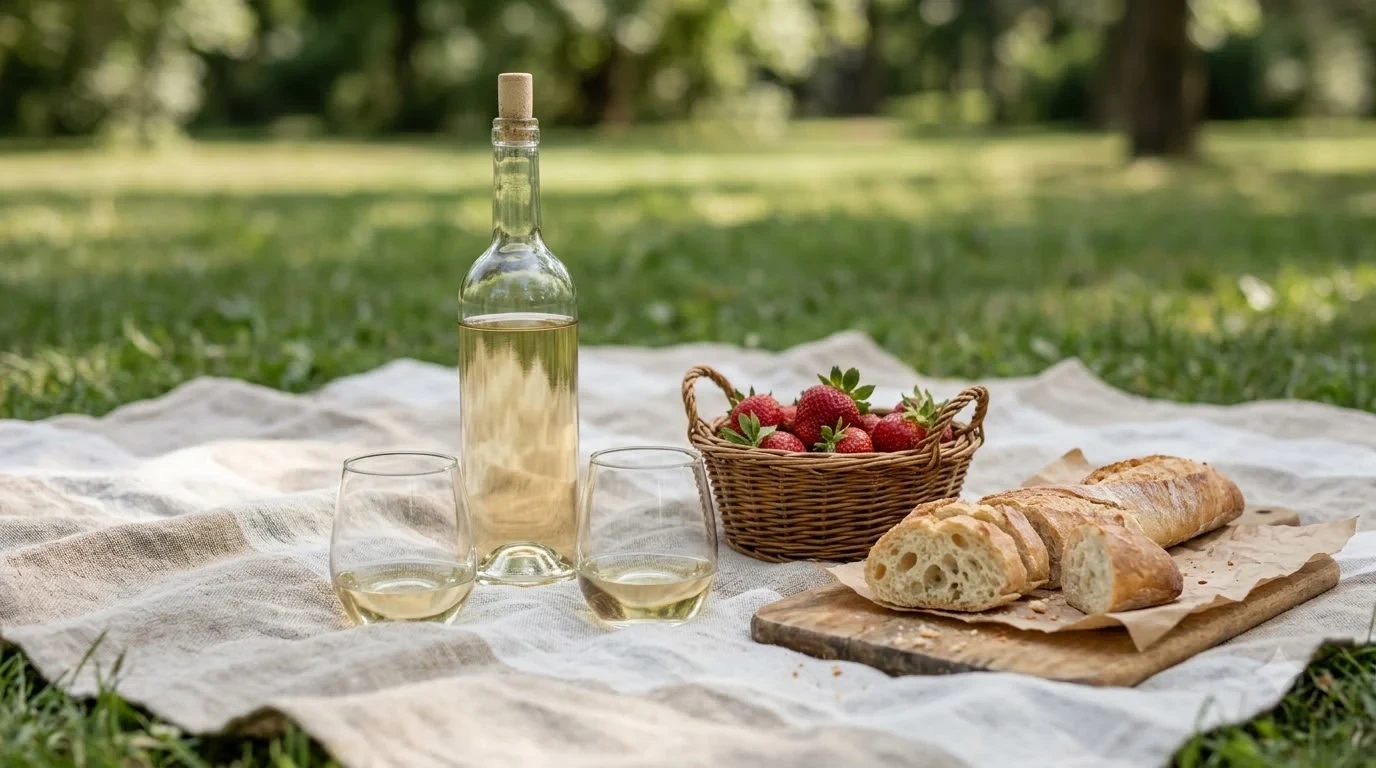
Rias Baixas wine is a white wine from the Galicia region in northwest Spain, made mostly from the Albariño grape. The Denominación de Origen was established in 1988 and covers vineyards in the province of Pontevedra and the south of the province of A Coruña. Most bottles are crisp, aromatic and meant to be drunk young.
This guide explains where Rias Baixas is, why Albariño dominates, how the five subzones differ, and what to look for when you shop. It is written for American buyers who see these whites on restaurant lists and in wine shops and want to choose with more confidence.
What Is Rias Baixas Wine?
Rias Baixas is a protected wine region, not a single grape or a single style. The name refers to the wines produced under the official designation, which sets rules on where grapes are grown and which varieties may be used. According to the region’s Wikipedia entry, the designation covers wines from the province of Pontevedra and part of the province of Corunna in Galicia.
The region is best known for white wine. Reference material on the designation notes that the wines are renowned for their fragrant, fruity character, and that producers range from large modern cooperatives to small family-scale estates called adegas. That mix means you will find everything from everyday bottles to more carefully made, single-estate wines under the same regional label.
For most American drinkers, the practical takeaway is simple. A Rias Baixas label tells you the wine comes from a defined Galician zone and follows the Consejo Regulador rules. It does not, by itself, tell you the level of sweetness, oak use or price, so read the back label and the producer’s notes too.
Where Rias Baixas Is Located
Rias Baixas sits on Spain’s Atlantic side, in the northwest corner of the country. The region takes its name from the estuary inlets along the coast, which are a separate geographic term, so do not confuse the two when you read about the area. The vineyards lie inland from those inlets and along the valleys of several rivers.
The region is divided into five subzones, four in Pontevedra and one in the south of A Coruña. The city of Pontevedra hosts the Regulatory Council, which is based at the historic Pazo de Mugartegui in the old town. Visitors who want to understand the wines often start with the wine museum and tasting information kept at the council headquarters.
The climate here is strongly influenced by the ocean. Sources describe Atlantic conditions with wet winters, sea fog and generally mild temperatures. Rainfall is high compared with much of Spain, which is one reason the vines are trained in an unusual way, discussed below.
Albariño: The Signature Grape
Albariño is the variety that defines Rias Baixas. Albariño represents over 90% of all vines planted in the region, according to the Regulatory Council information summarized by Wikipedia. Over 90% of the wines produced are white, and most of those are made from this grape.
The variety has a long local history. Historical accounts credit Cistercian monks at the Monastery of Armenteira with introducing Albariño to the area around the 12th century. Its adoption in the region is therefore very old, even though the modern success of the wines is more recent.
The Regulatory Council authorizes twelve grape varieties in total, six white and six red. Other white varieties include Loureira blanca, Treixadura, Caiño blanca, Torrontés and Godello. The red varieties include Caiño tinto, Espadeiro, Loureira Tinta, Sousón, Mencía and Brancellao. Blends are possible, but a bottle labeled Albariño should be mostly that grape, so check the front label and the back label for the variety statement.
Albariño is usually bright and aromatic, with citrus and stone fruit notes and a saline edge that many drinkers connect with the coast. Because the grape ripens with good acidity, it keeps freshness even in a warm year. That balance is why it works so well with seafood.
Subzones and Soil of Rias Baixas
The subzones matter because soil and climate change from one to the next. Each one has its own terrain and a different mix of rock and alluvial deposits. Reading the subzone name on a label can give you a quick clue to what the wine will taste like.
| Subzone | Location and terrain | Soil described in sources |
|---|---|---|
| Val do Salnés | Lower reaches of the Umia river, centered on Cambados, with low rolling hills | Generally rocky and alluvial |
| O Rosal | Along the Portuguese border in the Miño river basin, with vineyards on terraces | Alluvial |
| Condado do Tea | West of the region, along the Miño valley, with more abrupt small valleys | Granite and slate based |
| Soutomaior | Just south of the city of Pontevedra | Light and sandy, covered with granite |
| Ribera de Ulla | North of Pontevedra, added to the designation in 2000 | Mainly alluvial |
Granite appears in several subzones, especially Condado do Tea and Soutomaior, which helps explain why many people describe Rias Baixas as a granite-rich region. Soil is only one factor, though. Altitude, sun exposure, sea influence and the farmer’s choices also shape the final wine, so the soil name should be read as a starting point rather than a guarantee.
The vines are often trained on granite posts, called parrales, with wires strung between them. This system lifts the canopy off the ground, which helps protect the vines from humidity and lets more sun reach the fruit in summer. You may see these posts in photos of the vineyards, and they are a visible sign of the local method. For a closer look at how the region is set up, the Rías Baixas DO profile from Foods and Wines from Spain gives an overview of the producers and the climate figures for Pontevedra.
Weather is a real challenge. Sources note that strong winds can damage vineyards on the exposed coastal side, and that frost, hail and summer heat can also cause problems. Producers respond with careful site selection and management, which is part of why quality can vary between estates.
Rias Baixas Wine Styles and Flavor Profile
Most Rias Baixas wine is white, fresh and made to be enjoyed within a few years of release. The typical profile is aromatic, with fruit and floral notes, lively acidity and a clean finish. Some producers age their wines longer on the lees, which can add texture and a rounder mouthfeel.
Red wines exist, but they are a small share of production. Sources report that white wines make up more than 90% of what the region produces. If you are looking for a red from Galicia, you may also want to check the Ribeiro and Monterrei regions, which are separate designations with their own rules.
The table below gives a simple way to think about what you will find on a shelf. These are general tendencies, not fixed rules, so use the producer’s description when it is available.
| Style you may see | What to expect | Good first choice when |
|---|---|---|
| Fresh, unoaked Albariño | Citrus, green apple, bright acidity, light body | You want an easy, everyday white |
| Lees-aged Albariño | Fuller texture, creamy edge, more depth | You want a white that handles richer food |
| Blended white | Mix of Albariño with other local whites, often softer aromatics | You enjoy trying something less familiar |
| Rare red from the region | Lighter red with fresh fruit and savory notes | You want a red with lower tannin |
When you taste, look for the balance between fruit and acid. A good Rias Baixas should feel refreshing rather than flat or heavy. If a bottle tastes thick and sugary, it may be a style you do not enjoy, and that is a fine reason to try another producer next time.
Food Pairing with Rias Baixas Wines
Rias Baixas whites are among the most food-friendly wines in Spain. Their acidity and salinity cut through oil and brighten delicate seafood. For many American diners, that makes them an easy choice for a dinner that starts with shellfish or a simple grilled fish.
Classic matches include shellfish such as mussels, scallops and clams, along with grilled white fish and octopus. Galician cooking also uses a lot of paprika and olive oil, and the wine’s freshness helps balance those flavors. Try a chilled glass with a plate of seafood tapas to see how the acidity works with salt and oil.
The wine also suits lighter poultry dishes, fresh goat cheese and salads with citrus vinaigrette. Avoid very heavy, butter-rich sauces unless the wine has some lees aging, since a crisp, unoaked bottle can taste sharp next to them. When in doubt, match weight with weight: lighter dish, lighter wine.
How to Buy and Store Rias Baixas Wine
Most Rias Baixas wines are meant to be drunk young, so buy with the vintage in mind. Check the label for the year and look for recent releases if you want the freshest fruit. Older bottles can be interesting, but only buy them when the producer or retailer has a clear reason to hold them.
Shops and restaurants in the United States carry a range of producers, from large brands to small estates. Ask a retailer which subzone the wine comes from and whether it is a lees-aged or unoaked style. Their answer will help you match the bottle to the food you plan to serve.
Store the bottles in a cool, dark place away from heat and light. Once opened, a white wine should be kept in the refrigerator and used within a few days, since freshness fades quickly. Serve whites well chilled, and let the glass warm slightly as it sits.
Tip: Ask for the subzone and grape variety on the label. Those two details tell you more about the bottle than a general region name alone.
Frequently Asked Questions
Is Rias Baixas wine mostly white?
Yes. Sources state that over 90% of the wines produced in the region are white, and most of those are made from Albariño. Red wines are made in small quantities, so they are less common on American shelves.
What grape makes Rias Baixas wine?
The signature grape is Albariño, which accounts for over 90% of planted vines in the designation. The region authorizes several other white and red varieties, but Albariño sets the character of most bottles.
Where is the Rias Baixas region in Spain?
The region is in Galicia, in northwest Spain, across the province of Pontevedra and part of the province of Corunna. It has five subzones and an Atlantic climate with wet winters and sea fog.
How should I store an opened bottle?
Re-cork the bottle and keep it refrigerated. Fresh whites lose their aroma over a few days, so drink the wine soon after opening. Check the producer’s guidance if the bottle is older or has a different style.
Rias Baixas is a strong starting point for anyone exploring Spanish white wine. For background on the wider area, read the guide to Rias Baixas wineries, then compare other regions in the Wine Regions section. Taste a few styles side by side to find the one you like best.
More in Wine Regions
 Willcox Wine Trail: Discover Arizona’s High-Elevation Wine CountryUpdated Nov 20, 2026
 Yakima Valley Wine Region: Find the Best Styles to TryUpdated Nov 20, 2026
 Vosne Romanee Wine Tasting: Identify Aromas and Choose Better PairingsUpdated Nov 20, 2026
 Yakima Valley Wine Festival: Find the Best Seasonal Wine EventsUpdated Nov 20, 2026
 Wales Vineyards: Discover Cool-Climate Wines and Where to VisitUpdated Nov 20, 2026
 Yountville Wine Festival: Discover Napa Wines and Local FoodUpdated Nov 20, 2026