

We may earn a commission when you buy through links on this page, at no extra cost to you. Learn more.
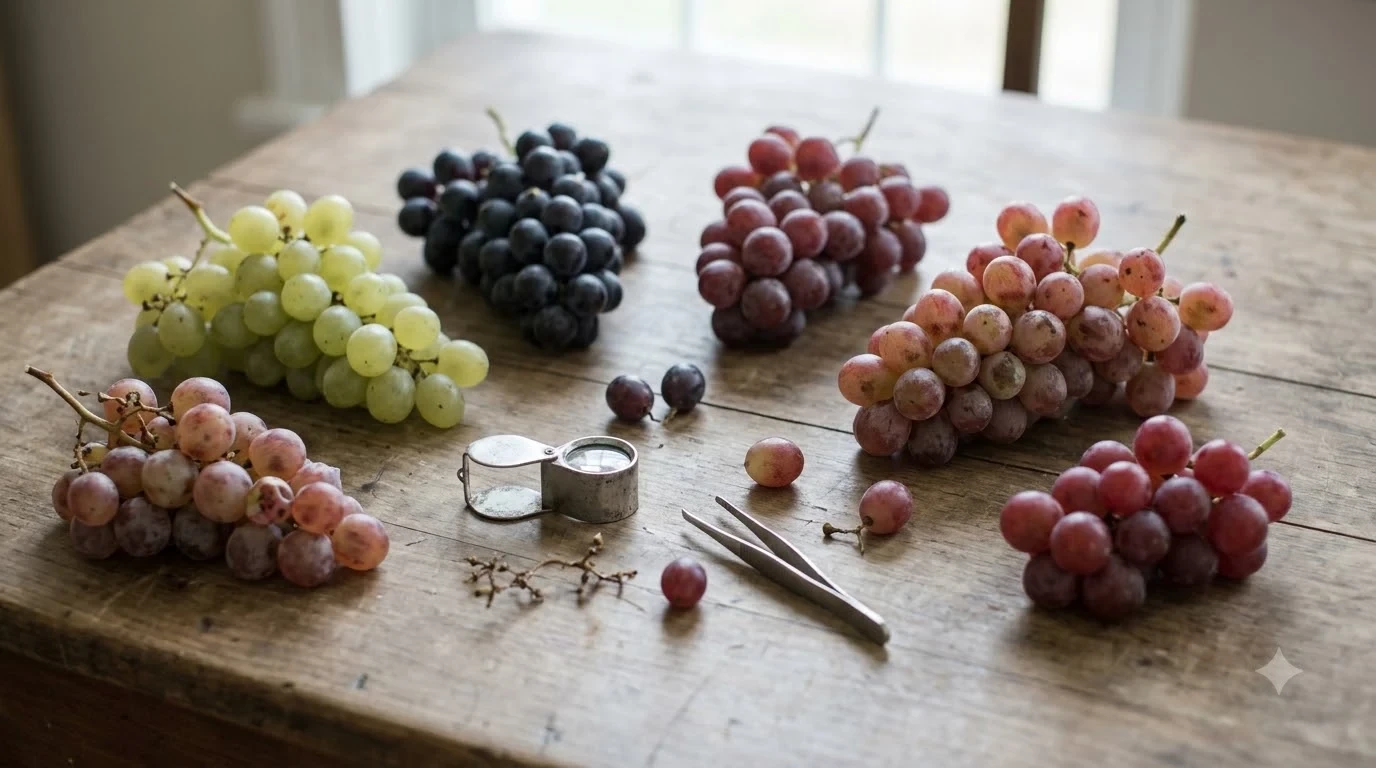
Garnacha grape is the Spanish name for Grenache, one of the most widely planted red grapes in the world, and it makes generous, medium-bodied wines with red berry, plum and spice flavors. The same grape travels under other names: it is Grenache in France and Australia and Cannonau on Sardinia. Its wines run from fresh, fruit-forward rosés to full, warm reds that suit hearty meals.
If you have seen “garnacha” on a Spanish label and wondered how it relates to the Grenache sold in France or California, this guide answers that question. It explains where the grape comes from, what its wines taste like, where it grows, how to serve it, and what to eat with it. It also places garnacha within the broader wine types shoppers usually compare.
What the Garnacha Grape Is and Where It Comes From
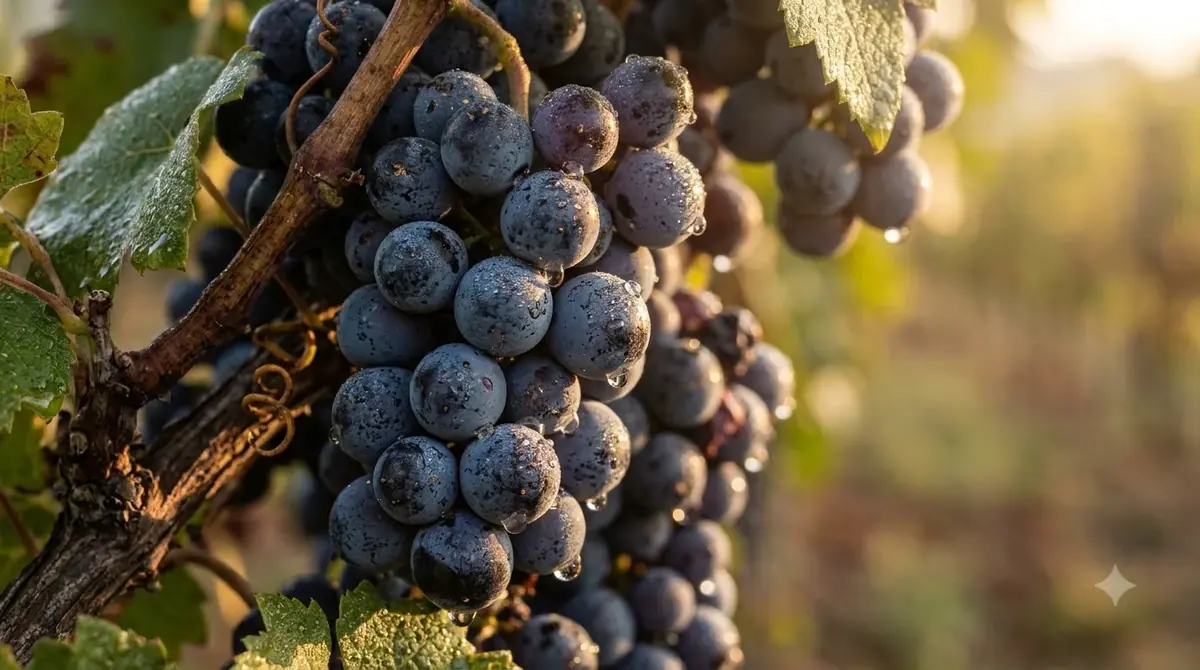
Garnacha is a dark-skinned grape whose roots are in northeastern Spain, where it has been grown for a long time. Wine Folly notes that the French have championed it in the Southern Rhône Valley, but the grape’s origins lie in Spain, which is why the Spanish name is still the one used on most bottles from that country. Garnacha is a warm-climate grape. It ripens well under dry, sunny conditions and produces a high level of natural sugar, which is one reason it spread across hot wine regions around the world.
Because the grape goes by several names, a wine drinker may buy garnacha without realizing they have been drinking Grenache for years. The name on the label usually tells you which country the producer is trying to highlight, but the grape inside is the same family. The Wine Folly Grenache guide covers the grape under its international name and is a useful starting point if you want to read more about the vine itself.
Knowing the synonyms also helps when you compare prices or ratings. A producer may list a wine as Grenache in one market and garnacha in another, so a shopper who searches only one name can miss bottles that are almost identical in style. Keeping the grape’s family name in mind makes shopping across countries much easier.
Flavor Profile and Body
Garnacha wines tend to be generous and fruity rather than sharp or austere. Wine Folly lists typical flavors of stewed strawberry, grilled plum, leather, dried herbs and blood orange. Those notes give the wine a ripe, juicy feel on the front of the palate and a warm, savory finish. Compared with a lighter red such as pinot noir, garnacha usually shows more body and more obvious fruit, although a well-made bottle can still feel fresh.
The structure is moderate. Wine Folly describes garnacha as dry, with medium-full body, medium tannins and medium acidity. The table below summarizes the main traits from that source.
| Trait | Typical garnacha |
|---|---|
| Body | Medium-full |
| Tannins | Medium |
| Acidity | Medium |
| Typical flavors | Stewed strawberry, grilled plum, leather, dried herbs, blood orange |
| Alcohol | Often higher than many table reds; Wine Folly lists it as over 15% ABV |
Where Garnacha Grows
Garnacha is planted across the Spanish interior, especially in the region of Aragon, where old vineyards produce some of the most respected bottles. Catalonia’s Priorat zone is another well-known home for concentrated versions. In France, the grape is a key partner in the blends of the Southern Rhône, including Châteauneuf-du-Pape. On the Italian island of Sardinia, the grape is called Cannonau and has a long local history. Outside Europe, the grape is grown in warm districts of Australia and California, where winemakers often work with its fruit-forward character.
Garnacha Styles You Will See
Garnacha appears in several forms, and the style you choose will change the experience. Rosé is one of the most common. Wine Folly describes garnacha rosés as ruby-hued, with the same fruit that defines the red wines but a lighter structure. Red garnacha can be bright and youthful, or it can be aged and more savory. Many producers also blend garnacha with other grapes, and the Southern Rhône tradition uses it alongside Syrah and Mourvèdre in Châteauneuf-du-Pape.
When a label says “old vine” or “vieilles vignes,” it usually means the grapes come from older plants. Those vines often produce lower yields and more concentrated fruit, which can make the wine taste deeper. The phrase is not a legal promise of quality, so the producer’s reputation still matters.
How to Serve Garnacha
Serving temperature has a large effect on garnacha. Wine Folly suggests serving it between 15 and 20 °C, which is 60 to 68 °F. At that range the fruit stays lively and the alcohol feels balanced. A bottle that is too warm can taste heavy and sweet, while a bottle that is too cold can hide the fruit. Pull the bottle from the fridge or cellar about 15 minutes before you pour if it has been stored cold.
Wine Folly also suggests decanting garnacha for about 30 minutes before serving, which gives the wine time to open up. Use a universal glass with a fairly wide bowl so the aromas can gather. Some bottles, especially well-structured reds from older vines, can be cellared for ten years or more, so a young bottle may be worth waiting on if it is meant to age.
Food Pairing With Garnacha
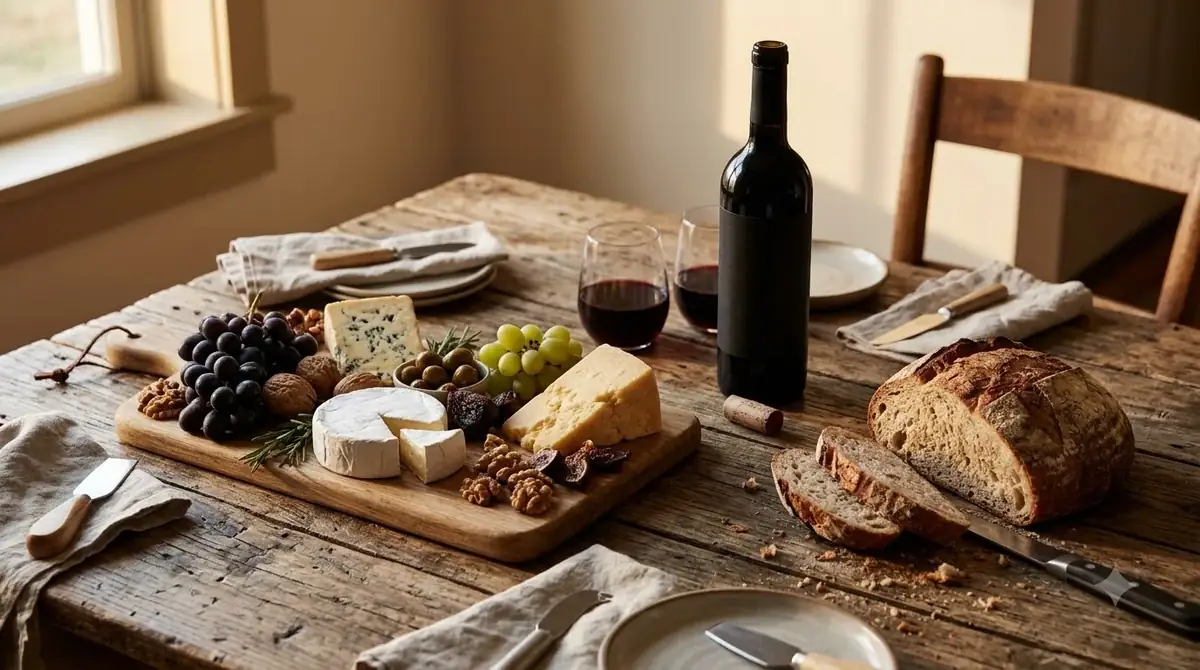
Garnacha pairs well with food that has depth and some smoke. Wine Folly suggests roasted meats and vegetables seasoned with Asian five-spice or cumin. Grilled lamb, roast chicken with paprika, tomato-based dishes and paella are all natural partners in the Spanish tradition. The wine’s fruit balances savory and spiced flavors without overwhelming them.
Rosé garnacha is a flexible choice for lighter meals. It works with grilled vegetables, charcuterie, and seafood dishes with some tomato or garlic. Because the wine is dry and fruit-driven, it can fill the gap between a white and a red without feeling heavy.
How to Choose a Garnacha Bottle
Start with the label. A Spanish wine labeled garnacha is usually from Spain, while a French, Australian or Californian bottle is more likely to say Grenache. A Sardinian bottle may say Cannonau. Next, decide what style you want. A rosé is the lightest and most refreshing choice. A young red is fruitier and easier to drink with simple meals. An older-vine or aged red will have more depth and will reward a longer meal.
Tip: If you are unsure, pick a garnacha rosé or a young red from a warm region and serve it slightly cool. It is a forgiving grape that shows its best when it is paired with food.
Frequently Asked Questions
What does garnacha grape taste like?
Garnacha usually tastes of ripe red fruit, such as stewed strawberry and grilled plum, with notes of dried herbs and leather. The wine is dry, medium-full in body and fairly soft in tannins.
Is garnacha the same as Grenache?
Yes. Garnacha is the Spanish name for the Grenache grape. The grape is called Cannonau on Sardinia, and the name on the bottle often depends on the country where the wine was made.
Is garnacha a sweet wine?
Most garnacha is dry. Its fruit can taste rich and ripe, which some drinkers mistake for sweetness, but the wine itself is usually not sweet unless the label says otherwise.
What food goes well with garnacha?
Roasted meats, grilled lamb, tomato-based dishes and paella all suit garnacha. Rosé versions also pair well with grilled vegetables and charcuterie.
Garnacha is a grape worth knowing because it gives you a warm, fruit-forward red or a fresh rosé from the same family. If you usually drink white, a rosé can be an easy first step, and if you are used to lighter reds, a bottle of Spanish garnacha can show you a fuller style. For more on the grapes behind your favorite bottles, see the chardonnay grape guide or the overview of wine by type.
More in Wine Types & Grapes
 Zinfandel Sugar Content: Dry Red vs. White Zinfandel GramsUpdated Nov 21, 2026
 Best Zinfandel Substitute Options for Sipping and CookingUpdated Nov 21, 2026
 Zweigelt Food Pairing: Best Dishes, Cheeses, and Serving TipsUpdated Nov 21, 2026
 Zinfandel Tannins Explained: How Structure Shapes Every BottleUpdated Nov 21, 2026
 Zinfandel Sweetness Level: Dry Red vs. Sweet White Zin ExplainedUpdated Nov 21, 2026
 Xinomavro Food Pairing: Best Dishes, Styles, and Serving TipsUpdated Nov 21, 2026