

We may earn a commission when you buy through links on this page, at no extra cost to you. Learn more.
Valpolicella wine is a family of red wines from the Verona area of Veneto in northern Italy, made mostly from Corvina, Rondinella, and Molinara. The range runs from light, fragrant everyday reds to concentrated Ripasso, sweet Recioto, and the powerful dried-grape Amarone. Most bottles are fresh and easy to drink, while the top styles reward food and a little patience.
This guide explains what Valpolicella wine tastes like, how the main styles differ, where the grapes grow, and how to serve and pair each one. If you have seen the name on an Italian wine list and wondered which bottle to order, the sections below walk through the choices.
What Valpolicella Is
Valpolicella is a designated wine zone in the province of Verona, in the Veneto region of Italy. It sits east of Lake Garda and north of the Adige river. The area received its DOC status in 1968, according to the Wine Folly Valpolicella guide and the Valpolicella DOC entry on Wikipedia, and the boundaries later covered both the historic hills and the surrounding plains. The traditional heart is the Classico zone in the Monti Lessini hills northwest of Verona.
The wines are red, and the rules require red grapes. The classic blend is built around Corvina Veronese, with Rondinella and Molinara in supporting roles. Molinara was removed from the mandatory blend in 2003, which gave producers more room to adjust their wines. Other permitted varieties include Corvinone, Rossignola, Negrara, Barbera, and Sangiovese.
Corvina is the grape most people associate with the region. Wine Folly calls it the darling grape of the blend, and notes that it is known for cherry and chocolate flavors. That combination of fruit and a little dark sweetness runs through the whole family, from the simplest bottle to the richest.
The Main Styles of Valpolicella
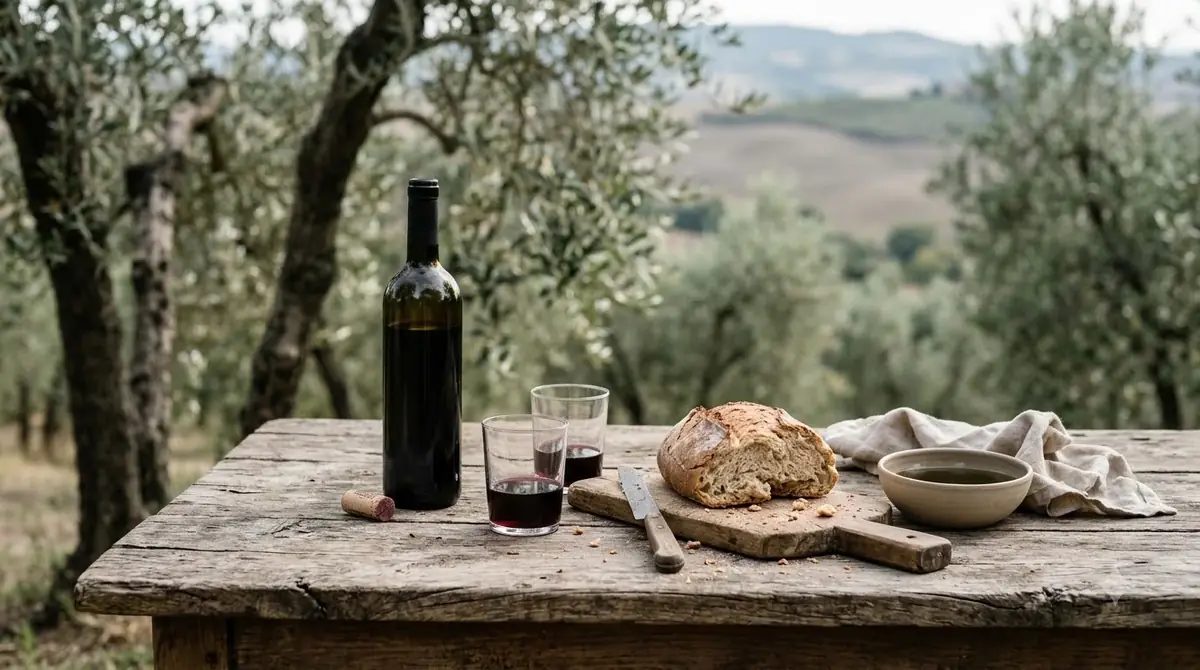
The base wine is simply called Valpolicella. It is light, fragrant, and often made in a fresh, early-drinking style, with alcohol typically in the range of 11.5 to 13.5 percent. Wine Folly describes it as dry, with medium body, low tannins, and high acidity. Many people drink it young and slightly chilled.
Valpolicella Classico is made entirely from grapes grown in the original zone, which many buyers see as a step up in quality. Valpolicella Superiore is aged at least one year in wood and must reach at least 12 percent alcohol. It is a more structured wine, with more depth than the base bottle.
Ripasso is one of the most interesting styles. It is made by fermenting the wine again over the leftover grape skins, or pomace, from Amarone or Recioto production. That second pass adds body, tannin, and color, so a Ripasso often feels like a bridge between the everyday red and the big wines of the region.
| Style | What to expect | Good food match |
|---|---|---|
| Valpolicella | Light, fresh, cherry-forward, low tannin | Burgers, roast chicken, pizza |
| Valpolicella Superiore | Aged in wood, at least 12 percent alcohol | Pasta with meat sauce, grilled dishes |
| Ripasso | Fuller, more tannin, extra body from pomace | Braised meats, mushrooms, aged cheese |
| Amarone | Dry, concentrated, 15 to 16 percent alcohol | Steak, game, rich stews |
| Recioto | Sweet red with high residual sugar | Dark chocolate, dried fruit desserts |
How Amarone Is Made
Amarone della Valpolicella is the most famous wine of the zone, and its method explains much of the style. The grapes are harvested last, then dried for three to four months in well-ventilated drying rooms. During that time, more than a third of their water evaporates, which concentrates the sugar, flavor, and tannin. The process is called appassimento.
Producers actively avoid botrytis, the noble rot that concentrates grapes in some other regions, because the goal is a dry wine with intense dried-fruit character. The wine reaches 15 to 16 percent alcohol, which gives it weight and warmth on the palate.
Premium Amarones are often aged for at least five years, usually in large oak barrels. Quotas limit how many plains-grown grapes can be used for Amarone, which helps keep the style focused on the hill vineyards. For a buyer, the age on the label and the producer’s reputation matter more than any single number.
Where the Grapes Grow
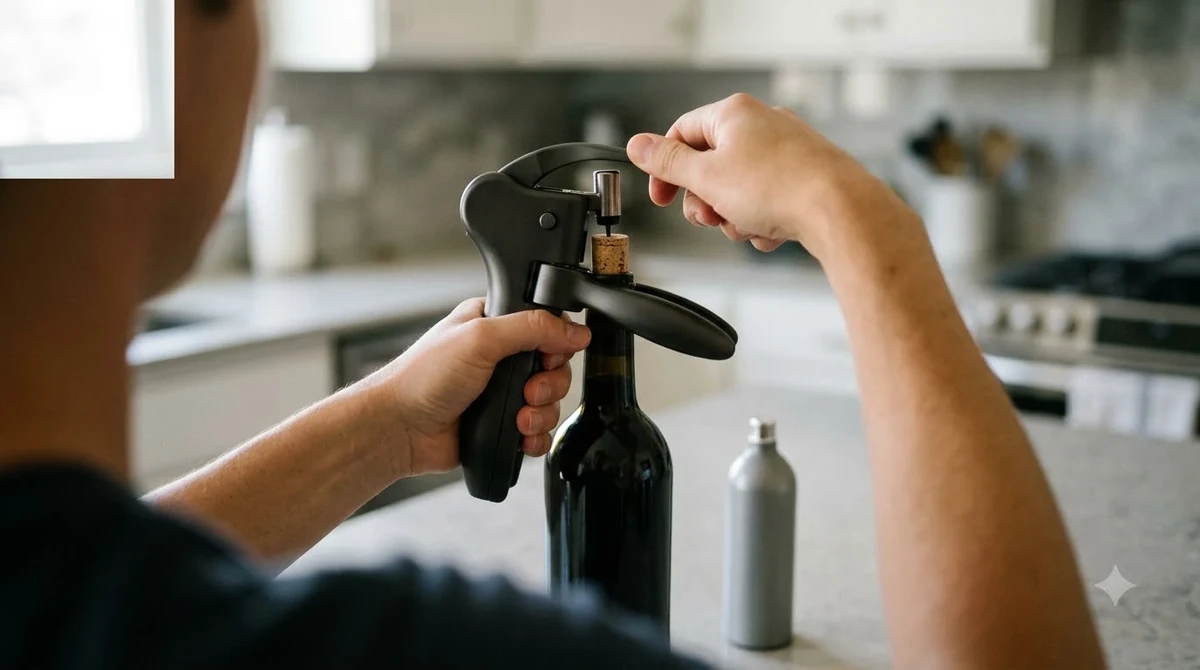
The Valpolicella zone covers a large area. The page on the DOC gives about 7,844 hectares of planted vineyards, and the altitude of the Classico vineyards runs from about 150 to 460 meters. The growing season is warm, with a mean temperature of about 23.6 degrees Celsius, which helps the grapes ripen fully.
Because the zone spans both hills and plains, the wines can vary. Hillside sites tend to give brighter acidity and more aromatic character, while plains grapes often produce softer, rounder wines. The Classico designation was created to highlight the historic hills, and many buyers look for it when they want a more site-specific bottle.
The region has also been known for its drying tradition. The drying rooms that are used for Amarone and Recioto are part of the local landscape, and the practice links the wines to the area’s agricultural history in a direct way.
How to Serve and Pair Valpolicella Wine
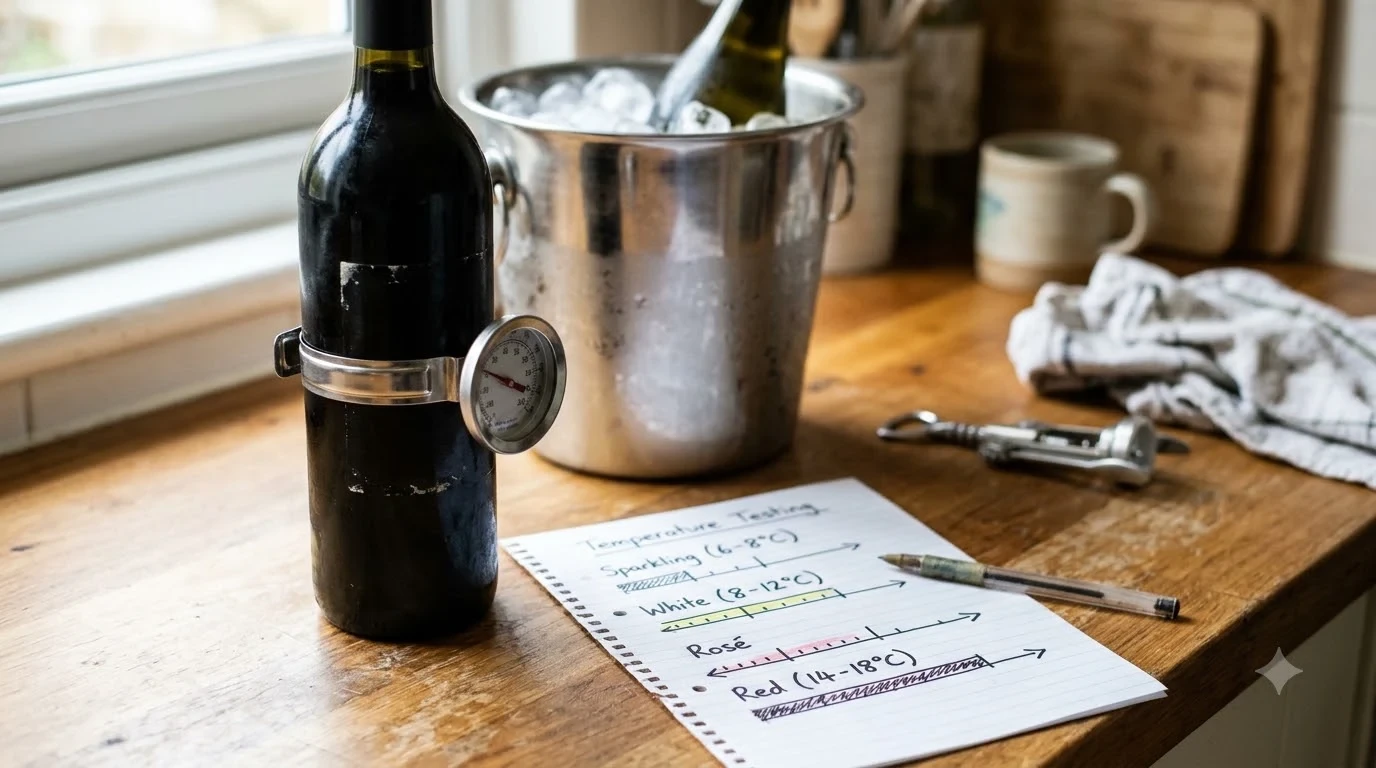
Serving temperature matters more than many people expect. Wine Folly suggests serving Valpolicella at about 55 to 60 degrees Fahrenheit, or 12 to 15 degrees Celsius. That is cooler than many red wines, and it keeps the cherry fruit fresh while the acidity stays lively.
For the richer styles, a short decant helps. The same source suggests decanting for 30 minutes, which softens the structure of a Ripasso or Superiore and lets the aromas open. A universal glass is a good choice for most bottles in this family, since it balances aroma and room for the wine to breathe.
Pairings should follow the style. Simple Valpolicella suits burgers, roast chicken, and casual pasta. Ripasso and Amarone are a better match for braised meats, steaks, mushrooms, and aged cheeses. A Recioto is best served with dessert rather than with a meal, and it pairs well with dark chocolate and dried-fruit sweets.
Tip: If you are unsure which style to buy, start with a Valpolicella Superiore or a Ripasso. Both show more of the zone’s character than the base wine, and they are easier to match with food than a large Amarone.
How to Choose a Valpolicella Bottle
Read the label carefully. The word Classico tells you the grapes come from the historic zone. Superiore signals extra aging and higher alcohol. Ripasso and Amarone are named on the label, so you will know you are getting a more concentrated style.
Consider the occasion. For a casual dinner, a simple Valpolicella is refreshing and affordable in spirit, and it needs no special handling. For a special meal, a Ripasso or Amarone gives you depth and a longer finish. A Recioto is the right choice when dessert is the main event.
If you already enjoy big reds, you may compare Valpolicella with a cabernet sauvignon wine, since the Ripasso and Amarone styles share some of that structure. If you prefer sweeter wines, the Recioto style may remind you of a moscato wine in its fruit, though it is a red wine and much more intense. For a wider look at grape families, the Wine by Type guide places Valpolicella among other red and white styles, and our muscadine grape guide covers another grape with a distinct profile.
Frequently Asked Questions
What does Valpolicella wine taste like?
The base style is fresh and fragrant, with cherry fruit, light tannin, and high acidity. Richer styles add chocolate, spice, and dried-fruit notes, especially Ripasso and Amarone.
What is the difference between Valpolicella and Amarone?
Valpolicella is usually a light, fresh red, while Amarone is made from grapes that were dried for several months. That drying concentrates the wine, so Amarone is dry, full-bodied, and considerably stronger, at 15 to 16 percent alcohol.
Is Valpolicella a sweet wine?
Most Valpolicella wines are dry. The sweet exception is Recioto, a red dessert wine with high residual sugar, which is a separate style from the everyday bottle.
Should Valpolicella be served chilled?
Lightly chilled is best. Serving at around 12 to 15 degrees Celsius keeps the fruit fresh and the acidity lively, which suits most styles in this family.
Valpolicella wine offers a wide ladder of styles, from the fresh everyday red to the intense, dried-grape Amarone. Start with a Superiore or a Ripasso if you want to taste what the zone can do, and let the style guide your food choices. Drink responsibly, and enjoy a family of wines that has a long history in the hills around Verona.
More in Wine Types & Grapes
 Zinfandel Sugar Content: Dry Red vs. White Zinfandel GramsUpdated Nov 21, 2026
 Best Zinfandel Substitute Options for Sipping and CookingUpdated Nov 21, 2026
 Zweigelt Food Pairing: Best Dishes, Cheeses, and Serving TipsUpdated Nov 21, 2026
 Zinfandel Tannins Explained: How Structure Shapes Every BottleUpdated Nov 21, 2026
 Zinfandel Sweetness Level: Dry Red vs. Sweet White Zin ExplainedUpdated Nov 21, 2026
 Xinomavro Food Pairing: Best Dishes, Styles, and Serving TipsUpdated Nov 21, 2026