

We may earn a commission when you buy through links on this page, at no extra cost to you. Learn more.
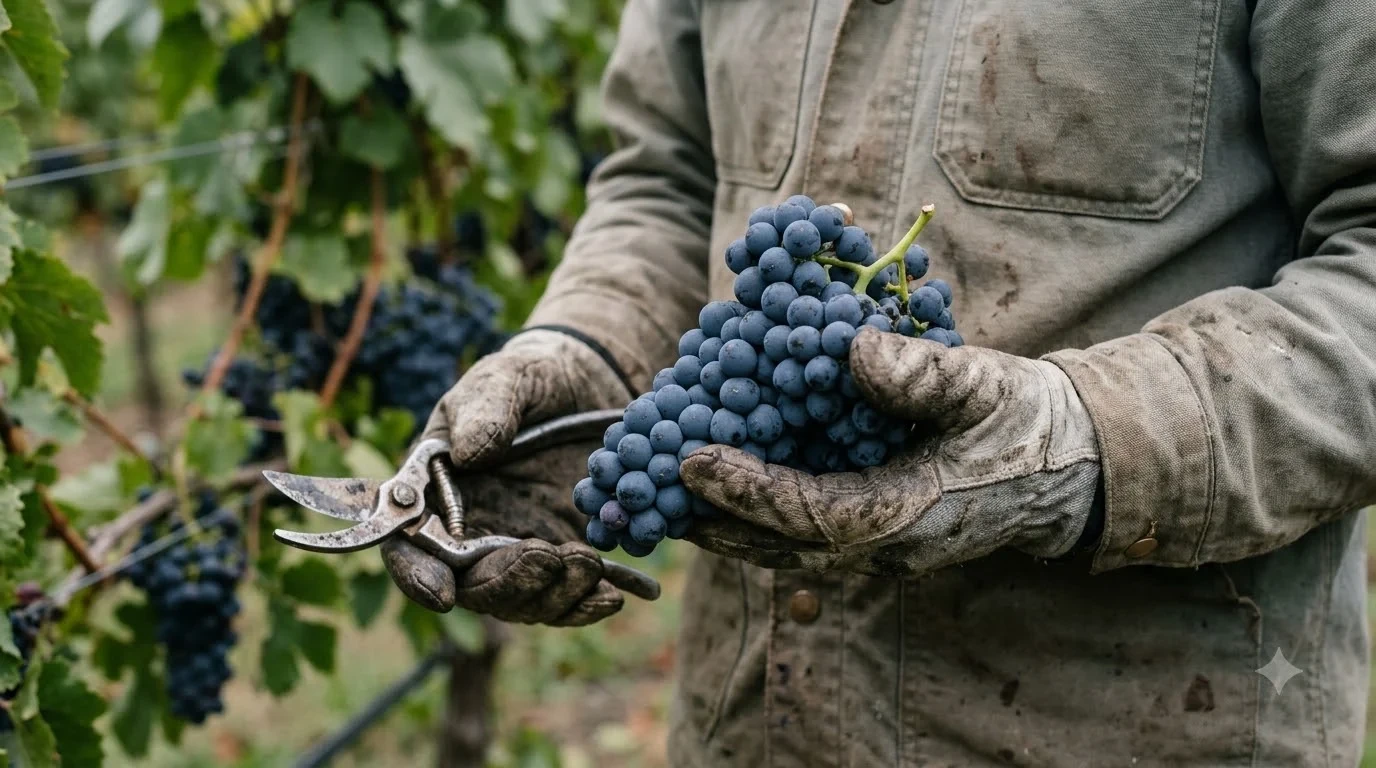
Chateauneuf du Pape wine is a full-bodied red from the southern Rhone Valley in France, and most of it is built around Grenache. The appellation covers about 3,200 hectares around the village of Chateauneuf-du-Pape, between Avignon and Orange. Its wines must reach at least 12.5% alcohol, and many finish between 14% and 15.5%. It is one of France’s best-known reds, and it is still a red that shows a clear sense of place.
This guide explains what makes Chateauneuf du Pape wine distinctive, where it comes from, how it is made, and how to serve and pair it. If you are working through the Rhone reds or comparing big French wines, it helps to know why this appellation stands out.
What Chateauneuf du Pape Is
Chateauneuf du Pape is an appellation in the southern Rhone, located between Avignon and Orange. The area is small, covering slightly more than 3,200 hectares or about 7,900 acres. According to the Wikipedia summary of the appellation, its rules date back to 1923 and became national law on 15 May 1936, when Chateauneuf-du-Pape was among six appellations created that year.
The appellation is often described as the prototype for the French system of protected wine names. The rules set out which grapes can be used, how the vineyards are managed, and what alcohol level the finished wine must reach. That structure is why the wine’s name carries so much weight on a label.
Grapes and Blends
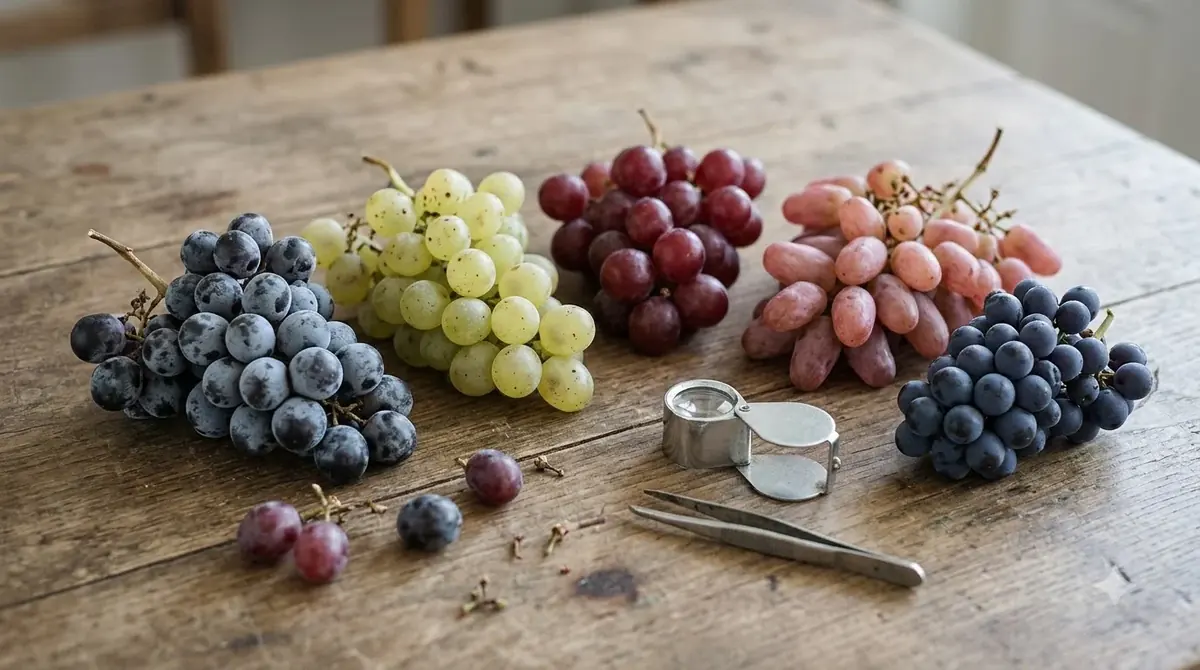
Chateauneuf du Pape is a blend of several red grapes, and the wine is traditionally built around Grenache. The rules once permitted thirteen varieties, and the 2009 regulations list eighteen. None is formally designated principal, but in practice Grenache noir dominates. In 2004 it covered about 72 percent of the vineyard area, followed by Syrah at about 10.5 percent and Mourvedre at about 7 percent.
Grenache gives the wine its ripe fruit and warmth, while Syrah and Mourvedre add structure, color, and spice. Wine Folly’s Grenache grape guide notes that the variety is a champion of the southern Rhone and that its roots are in northeastern Spain, where it is known as Garnacha.
Style and Flavor
Most Chateauneuf du Pape is red, and the wine tends to be earthy, gamey, and full. Typical aromas include tar, leather, and garrigue, the dried herb scent of the Mediterranean hills. Young reds can be firm and tannic, but they soften and gain spice with age.
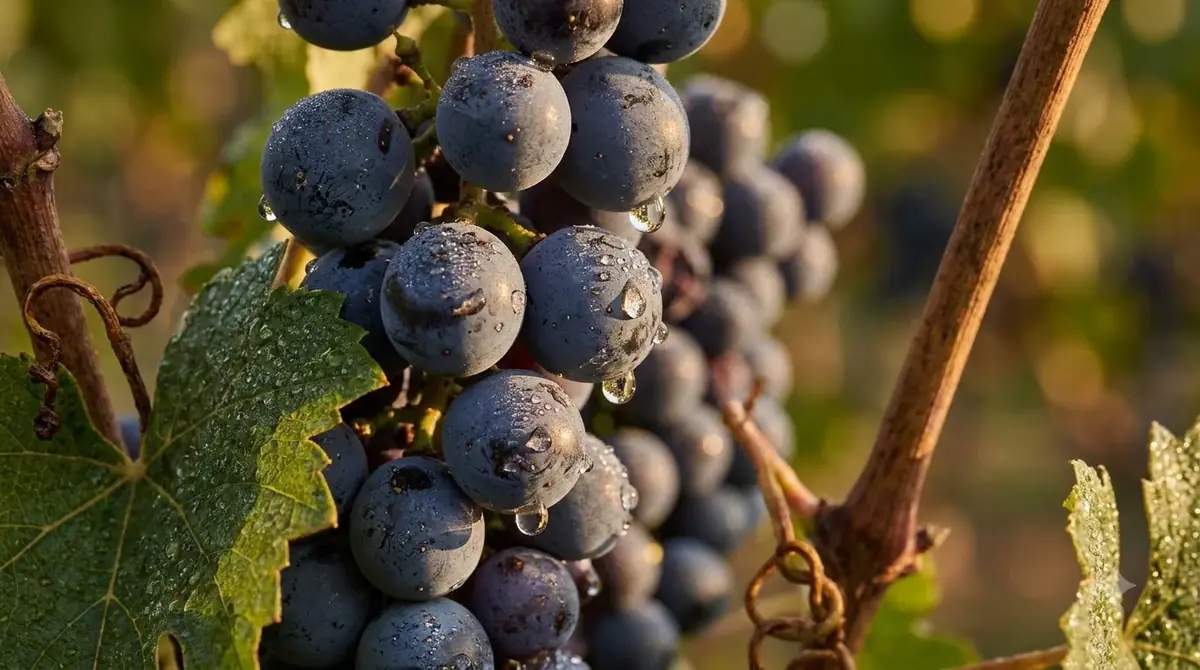
Grenache-led bottles often show stewed strawberry, grilled plum, blood orange, and dried herbs. Mourvedre-heavy wines are firmer and usually need more time in the cellar. White Chateauneuf du Pape is made in a small share of the appellation, roughly 5 percent of production, and some whites can age for seven or eight years.
| Feature | What to expect |
|---|---|
| Area | About 3,200 hectares, around the village of Chateauneuf-du-Pape |
| Main grape | Grenache noir, about 72 percent of vineyards in 2004 |
| Minimum alcohol | 12.5 percent, with no chaptalization |
| Typical alcohol | Often 14 to 15.5 percent |
| Color | Mostly red, with a small share of white |
The Vineyard Landscape
The vineyards sit on a clay soil that is covered in many places by round quartzite stones called galets roules. These stones absorb heat during the day and release it at night, which helps the grapes ripen and keeps moisture in the soil during dry summers. Some estates avoid the stones on south-facing slopes, where the heat can push the grapes past their best.
The landscape is a major reason the wine is so distinctive. The stones, the clay, and the Mediterranean climate all shape the character of the grapes, which is why the appellation is so closely tied to its place.
Because the village sits in a warm corner of France, the grapes ripen fully in most years. That ripeness is part of the appeal, since it gives the wines their concentrated fruit and their generous alcohol. Producers balance that warmth with careful vineyard work, from pruning to picking, so the wine keeps freshness alongside its power.
How to Serve Chateauneuf du Pape
Serving temperature matters with a wine this full. Wine Folly’s Grenache guide suggests serving it at 60 to 68°F (15 to 20°C) and decanting it for about 30 minutes. Because many bottles are built to age, a decant also helps young wines open up and show their fruit.
A large red-wine glass gives the aromas room to develop. Since these wines carry alcohol well, they fit a slow dinner rather than a quick pour, and the best bottles often show more with food than on their own. Let the glass sit for a few minutes after pouring, since the aromas of tar, herbs, and dark fruit tend to open as the wine warms slightly in the glass.
Food Pairing Ideas
Chateauneuf du Pape pairs naturally with rich, savory dishes. Roasted meats, braised beef, and lamb are classic matches, and the wine also suits herb-heavy vegetable dishes that echo its garrigue notes. Wine Folly suggests roasted meats and vegetables seasoned with Asian five-spice and cumin for the Grenache style.
Cheese is another good choice, especially firm, aged styles that can stand up to the wine’s body. For a lighter red to compare with, the cotes du rhone wine guide covers the broader southern Rhone style, while the cabernet sauvignon wine page is a useful reference for a bold red with a different structure.
How to Choose a Bottle
Check the label for the appellation name and the producer. Because the grape blend varies, the bottle’s style depends on the estate’s choices. A Grenache-dominant wine tends to be generous and fruity, while a wine with more Mourvedre or Syrah is firmer and built for a longer cellar life.
- Ready to drink soon: look for a Grenache-led wine from a recent vintage.
- For a longer cellar life: choose a Mourvedre-heavy bottle and give it time.
- For a white: expect a small share of production, and look for a producer known for it.
Frequently Asked Questions
What grapes go into Chateauneuf du Pape wine?
Grenache is the dominant red grape, and Syrah and Mourvedre are the next most important. The rules allow a range of other varieties, and the 2009 regulations list eighteen permitted grapes in total.
Is Chateauneuf du Pape always red?
No, but red is the large majority. Most of the wine is red, and white makes up only a small share of production. The whites are less common and can age well for several years.
How strong is Chateauneuf du Pape?
The minimum alcohol under the rules is 12.5 percent, with no chaptalization allowed. Many bottles finish between 14 and 15.5 percent, so the wine has a warm, full feel.
How long should you keep a Chateauneuf du Pape?
It depends on the style. Grenache-led reds can be enjoyed within several years, while wines with more Mourvedre usually need longer. Wine Folly’s Grenache guide lists cellaring potential of 10 years or more for that grape’s style.
Chateauneuf du Pape wine rewards a clear idea of what you want. Choose a Grenache-led bottle for fruit and warmth, or a firmer blend for the cellar. Serve it at a cool red-wine temperature, give it a good decant, and pair it with rich food. Once you know those basics, the appellation makes a confident choice for any serious red. It is also a good reference point for anyone who wants to understand how a blend can shape the character of a wine far more than a single grape alone.
More in Wine Types & Grapes
 Zinfandel Sugar Content: Dry Red vs. White Zinfandel GramsUpdated Nov 21, 2026
 Best Zinfandel Substitute Options for Sipping and CookingUpdated Nov 21, 2026
 Zweigelt Food Pairing: Best Dishes, Cheeses, and Serving TipsUpdated Nov 21, 2026
 Zinfandel Tannins Explained: How Structure Shapes Every BottleUpdated Nov 21, 2026
 Zinfandel Sweetness Level: Dry Red vs. Sweet White Zin ExplainedUpdated Nov 21, 2026
 Xinomavro Food Pairing: Best Dishes, Styles, and Serving TipsUpdated Nov 21, 2026