

We may earn a commission when you buy through links on this page, at no extra cost to you. Learn more.
The Barbera grape is a red variety from Italy’s Piedmont region that produces wines with high acidity, low tannin, and bright, tart cherry fruit. The wines are typically between 13.5% and 15% ABV and are dry with a medium-full body. Barbera is widely planted, and it is often a more everyday choice than the powerful wines made from Nebbiolo in the same part of Italy.
This guide explains what the Barbera grape is, how its wines taste, how to serve them, and which foods suit them. If you are choosing a red for a weeknight dinner or trying to understand Italian grape names, Barbera is a useful one to know.
What Barbera Is
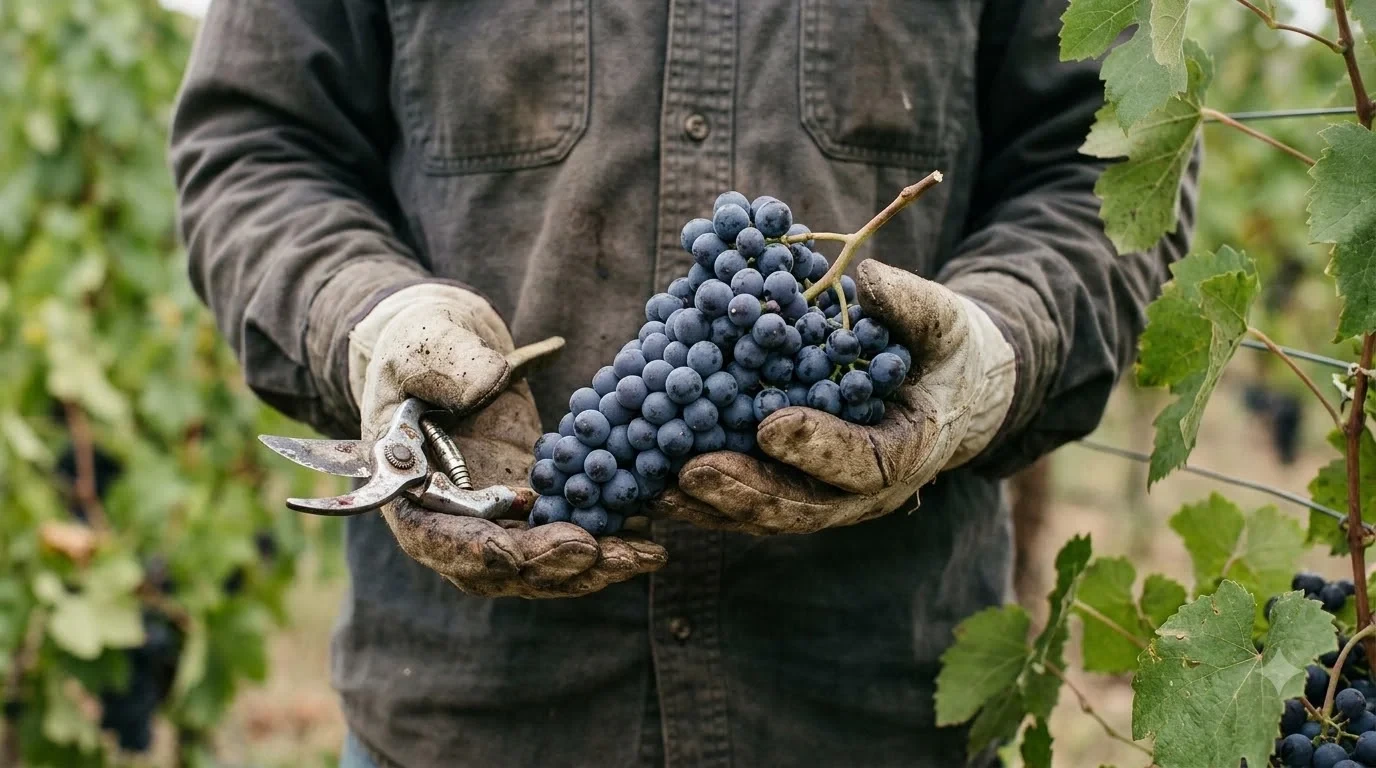
Barbera is a dark-skinned grape with a long history in northwestern Italy. It is most closely associated with Piedmont, where it is grown across many hillside vineyards. Wine Folly’s Barbera grape guide notes that the variety is widely planted around the world, and it is often compared with Barolo, the more famous Piedmont red that is made from Nebbiolo.
Barbera is often treated as the practical side of Piedmont. Its wines are easier to drink young, while its acidity keeps them lively with food. That combination is why many people start with Barbera when they want to explore Italian reds without committing to a large, long-aged bottle.
Flavor and Structure
Barbera is known for acidity more than tannin. Its acidity is high, and its tannins are low, which gives the wine a fresh, juicy feel. The body is medium-full, and the wine is bone-dry, so the fruit stays tart rather than sweet.
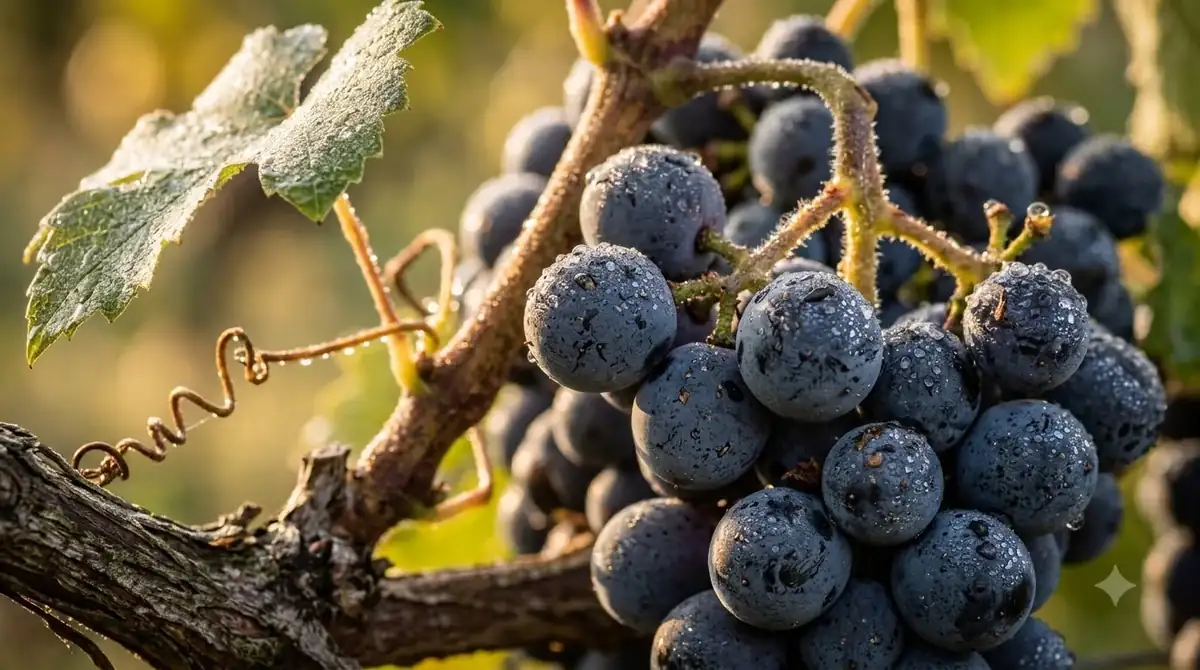
The main flavors are tart cherry, blackberry, and licorice, with dried herbs and black pepper in the background. Many bottles also show a savory edge that makes the fruit feel more serious. Because the tannins are soft, Barbera is less drying than many reds, and it can be enjoyed without a long wait.
| Feature | Typical Barbera |
|---|---|
| Alcohol | 13.5% to 15% ABV |
| Acidity | High |
| Tannin | Low |
| Body | Medium-full |
| Main flavors | Tart cherry, blackberry, licorice, dried herbs, black pepper |
| Cellaring | Around 5 to 10 years for some bottles, according to Wine Folly |
Where Barbera Grows
Piedmont is the heart of Barbera production, and the grape is grown on many hillsides in the region. Different sites give different results, and the grape adapts to a range of soils.
Warmer, sunnier spots tend to yield riper fruit and more body, while cooler sites hold on to more acidity. Producers also vary in how long they age the wine and whether they use oak, so two bottles of Barbera can taste quite different. Reading the producer’s notes on the bottle or on its website helps you judge whether the style is fresh and lively or deeper and more structured.
Because Barbera is planted in many areas, the grape is also used in blends and single-variety wines of varying style. The single-variety bottles are the most common in shops, and they show the grape’s character most clearly.
Outside Italy, Barbera is planted in other wine regions, but most of the character people look for still comes from the Piedmont style. If you are comparing it with other grapes, the Wine by Type guide is a helpful place to see how Barbera fits among the wider family of red wines.
Barbera Styles at a Glance
Barbera appears in several styles, and the differences come down to how the grape is grown, how long the wine rests, and whether oak is involved. The bright, youthful style is the most common and is built around fresh fruit and acidity. A richer style, usually from older vines or longer aging, adds depth, more savory notes, and a firmer structure.
Oak plays a smaller role than it does with many Italian reds, but some producers use barrels to add spice and softness. Whatever the style, the grape’s acidity remains the main feature. That is why Barbera rarely tastes heavy, even when the body feels full.
When you compare bottles, look at the body first, then at the fruit. A brighter bottle suits lighter food, while a deeper bottle matches heartier dishes. Both can come from the same grape, which makes Barbera a good choice for trying side-by-side tastings at home.
How to Serve Barbera
Barbera is best served a little cooler than most reds. Wine Folly suggests a serving temperature of 60 to 68°F (15 to 20°C) and an aroma collector glass that concentrates the scent. A short decant of about 30 minutes can open the wine, especially for a bottle that has been resting.
Because the tannins are soft, you do not need a long decant or a big red-wine glass to enjoy Barbera. A simple pour brings out the bright cherry and herb notes, and the wine stays fresh over a relaxed meal.
Food Pairing with Barbera
Barbera suits dishes of medium intensity. Its acidity cuts through rich sauces, and its fruit complements tomato-based dishes, grilled sausages, and roasted vegetables. Wine Folly notes that pairings can be pushed further with ingredients such as cherries, sage, anise, cinnamon, white pepper, or sumac.
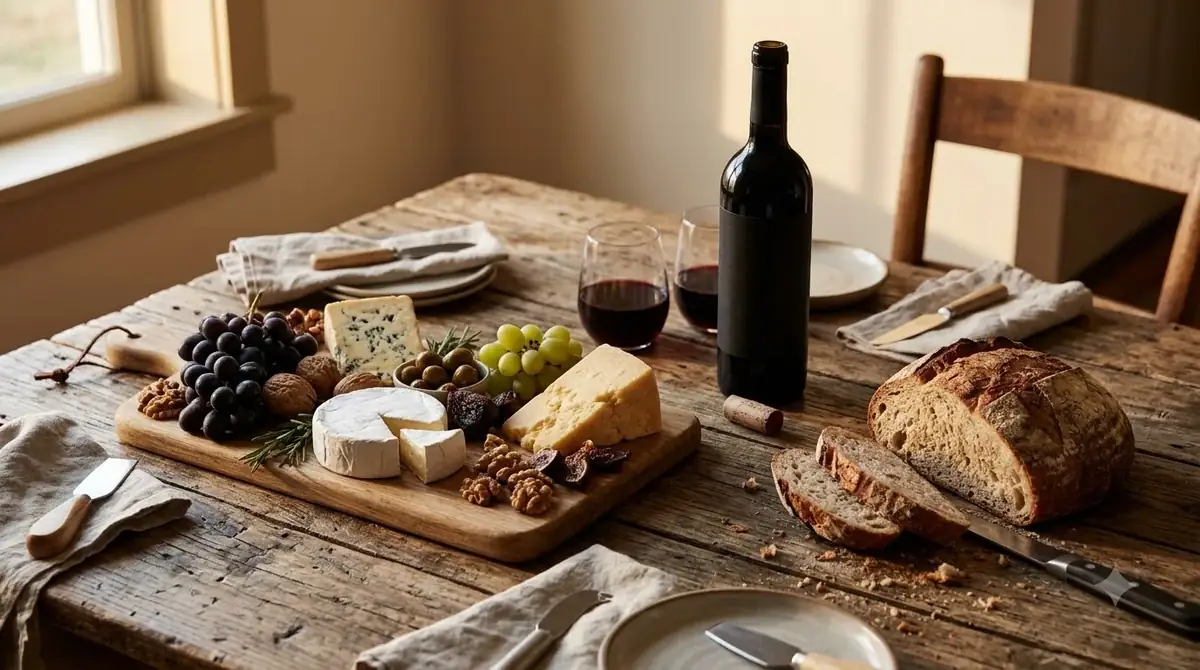
For a simple dinner, try Barbera with pasta in a tomato sauce, a pizza with cured meats, or a roast chicken with herbs. The wine works well because it has enough acid to keep the meal light without losing its fruit.
How to Choose a Barbera
Read the label for the producer and the year. A younger Barbera tends to be brighter and fruitier, while an older bottle has softer edges and more savory notes. If you want a wine that is easy to drink with food, a young bottle is usually the safer choice. If you want more depth, look for a producer with a reputation for aging the wine carefully.
- For a weeknight meal: a young, fruity Barbera with bright acidity.
- For a special dinner: a bottle with more structure and a few years of age.
- For a red that is hard to overpower: Barbera is a good middle ground between light reds and heavier wines.
Frequently Asked Questions
Is Barbera a dry red wine?
Yes. Barbera is bone-dry, which means the wine has little or no residual sugar. Its tart fruit and high acidity make it taste fresh, not sweet, even though the fruit is ripe.
How does Barbera compare with Pinot Noir?
Both are light to medium-bodied reds with bright fruit and good acidity. Barbera usually has less delicate aromas and more tart cherry and herb character, while Pinot Noir is often described as more perfumed. For a closer look at that grape, see the pinot noir grape guide.
What food goes best with Barbera?
Barbera pairs well with medium-intensity dishes such as tomato pasta, pizza, roast poultry, and grilled sausages. Cherries, sage, and black pepper are useful flavor bridges when you cook or plan a meal around the wine.
How long can you keep a Barbera?
Many Barbera wines are meant to be enjoyed young, but Wine Folly notes that some bottles can cellar for 5 to 10 years. The best guide is the producer’s style, since a lighter bottle will fade sooner than a more structured one.
Barbera is a practical and food-friendly red that rewards a simple approach. Pick a bottle that matches your meal, serve it slightly cool, and let the acidity do the work. Once you know its bright cherry character, it becomes an easy red to keep on hand. It also makes a useful reference point for anyone learning how acidity shapes the feel of a red wine, since the grape shows that tannin is not the only structure a red can have.
More in Wine Types & Grapes
 Zinfandel Sugar Content: Dry Red vs. White Zinfandel GramsUpdated Nov 21, 2026
 Best Zinfandel Substitute Options for Sipping and CookingUpdated Nov 21, 2026
 Zweigelt Food Pairing: Best Dishes, Cheeses, and Serving TipsUpdated Nov 21, 2026
 Zinfandel Tannins Explained: How Structure Shapes Every BottleUpdated Nov 21, 2026
 Zinfandel Sweetness Level: Dry Red vs. Sweet White Zin ExplainedUpdated Nov 21, 2026
 Xinomavro Food Pairing: Best Dishes, Styles, and Serving TipsUpdated Nov 21, 2026