

We may earn a commission when you buy through links on this page, at no extra cost to you. Learn more.
Marsala wine is a fortified wine from the area around the city of Marsala in western Sicily, Italy, and it is made in both dry and sweet styles. Its alcohol content usually falls between 15 and 20 percent by volume, and the category on the label tells you how long it was aged. Dry bottles are used mostly in savory cooking, while sweet ones are poured with dessert, which is why the same name can mean two very different wines.
This guide explains what Marsala wine is, how the sugar levels and ageing categories differ, which grapes go into it, and how to choose a bottle for cooking or for sipping. If you have ever been told to add “a splash of Marsala” to a recipe without knowing which one to buy, this page covers that decision.
What Marsala wine is
Marsala is a fortified wine, meaning a base wine has had a neutral spirit added to raise its alcohol level and stop fermentation before all the sugar is gone. It is produced in and around the Sicilian port city of Marsala, and according to the Marsala wine overview it received DOC status in 1969. The European Union later granted it Protected Designation of Origin status, so most countries restrict the name to wine from that area.
The wine’s commercial history is tied to British trade. A Liverpool merchant, John Woodhouse, helped bring it to wider markets after landing in Sicily in 1773. Large-scale production followed in the late 1700s, and the Florio company later became one of the best-known names in the industry. Today Florio and Pellegrino are generally described as the leading producers, though many smaller estates make bottles as well.
Dry, semi-dry and sweet Marsala
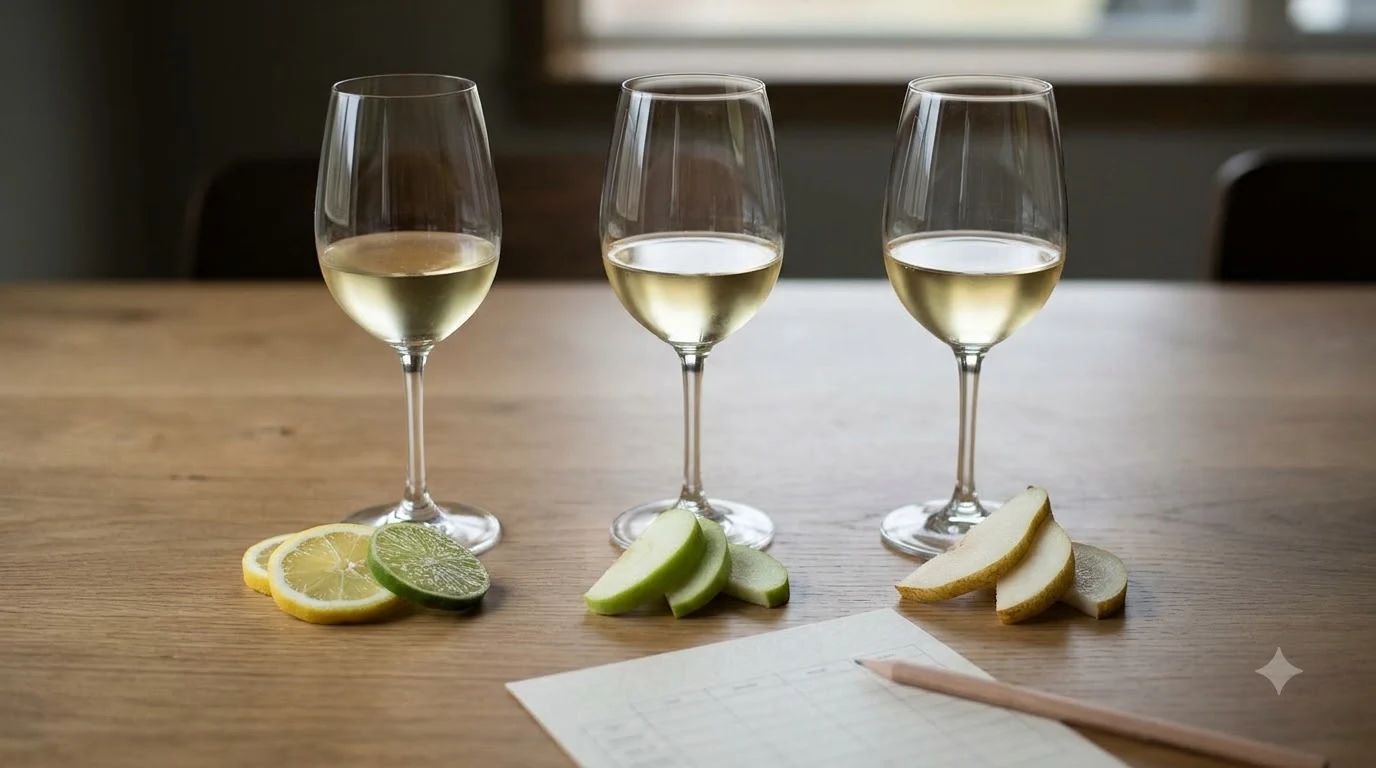
Sugar level is the first thing to check on the label, because it decides how the wine behaves in the kitchen and in the glass. Producers divide Marsala by residual sugar, and the bands are fairly strict. Secco is the driest style, with no more than 40 grams of residual sugar per liter. Semisecco sits in the middle at 41 to 100 grams per liter, and sweet Marsala goes above 100 grams per liter.
Dry Marsala tastes savory, with a salty, nutty edge and a sherry-like depth. That profile is why it works in sauces, where the wine is reduced until its flavor concentrates. Sweet Marsala is rounder and more syrupy, with notes of dried fruit and caramel, and it suits desserts or a small glass after a meal. Semisecco is the in-between choice and can work in either role if you want one bottle for both jobs.
When you are shopping, look for the word “Secco” if you plan to cook with it in savory dishes. If the bottle does not state its style and you only see the word Marsala and a color category, the sugar level is usually a clue to whether it is meant for dessert or dinner.
Ageing categories and color
Beyond sugar, Marsala is grouped by how long it was aged, and the rules are set in law. Fine is the youngest category and must be aged at least one year. Superiore needs at least two years, and Superiore Riserva needs at least four. The oldest groups, Vergine and Soleras, must be aged at least five years, and the Stravecchio and Riserva versions of those names must be aged at least ten years.
Color names are also used on labels. Ambra means amber, Oro means golden, and Rubino means ruby. Ambra and Oro are made from white grapes, while Rubino is made from red grapes. Older bottles tend to be darker and more concentrated, so the color often hints at both the grape and the age.
| Category | Minimum ageing | Common use |
|---|---|---|
| Fine | At least 1 year | Everyday cooking and light sipping |
| Superiore | At least 2 years | Sauces and casual sipping |
| Superiore Riserva | At least 4 years | Sipping with food |
| Vergine or Soleras | At least 5 years | Slow sipping and dessert pairing |
| Stravecchio or Riserva (Vergine/Soleras) | At least 10 years | Sipping on its own |
What Marsala tastes like
Marsala’s flavor comes from a mix of grapes, fortification and ageing. The white styles are made mainly from Grillo, Inzolia, Catarratto and Damaschino. Red styles, which carry the Rubino name, use grapes such as Perricone, Nero d’Avola and Nerello Mascalese. Young Marsala can taste bright and fresh, with citrus and almond notes, while older bottles move toward toasted nuts, dried figs and molasses.
The fortification gives Marsala weight in the mouth and a warmth that dry table wines do not have. At 15 to 20 percent alcohol, a small pour already carries a lot of flavor, so a little goes a long way when you add it to a pan. Good bottles should still taste clean, with the sweetness or savory edge held in balance rather than sticky or harsh.
If you want a simple way to start, pick a young dry Fine for cooking and an aged sweet Superiore for sipping. That pair shows most of the range without asking you to buy a long list of bottles.
How to cook with Marsala
Dry Marsala is most often used to build a pan sauce. The usual method is to cook shallots or onions in butter or oil, add the wine, and let it reduce by about half before adding mushrooms, stock and herbs. The reduction concentrates the wine’s nutty flavor and gives the sauce its characteristic color and depth. Chicken Marsala is the best-known dish built this way, and the same technique shows up in many risottos and braises.
Sweet Marsala belongs in desserts. Zabaione, a warm egg and sugar custard, is traditionally finished with it, and it appears in tiramisu and in shortcakes and fruit dishes. Because the sugar and alcohol both matter in these recipes, use the style the recipe names rather than substituting freely.
If you run out, Madeira is a strong substitute. Wine Folly’s Marsala guide also notes that dry Marsala can stand in for the sweet style, but not the reverse. The same guide says Marsala is made only from Sicilian indigenous grapes and gets much of its color and caramel flavor from cooked grape must, known as mosto cotto.
For more recipe ideas and how the wine behaves in different dishes, read cooking with Marsala.
Tip: Let the wine reduce fully before adding cream or broth. Raw Marsala added to a cold sauce tastes sharp, while a reduced one tastes rounded and savory.
Serving and storing Marsala
Dry Marsala is usually served chilled or at cellar temperature, and it pairs well with aged cheese, roasted nuts and grilled meats. Sweet Marsala is often served a little cooler than room temperature in a small glass after dinner. Neither style needs decanting, though a short rest in the glass helps the aromas open.
Once opened, Marsala keeps better than most wines because of its fortification, but oxygen still flattens the flavor over time. Recork the bottle tightly and store it in a cool place, ideally in the refrigerator for the dry styles. A bottle that has been open for several weeks is usually still fine for cooking, though its fresh character will have faded.
Frequently Asked Questions
Is Marsala wine sweet or dry?
It can be either. Secco is dry, with up to 40 grams of residual sugar per liter. Semisecco is medium, and sweet Marsala contains more than 100 grams per liter. Always check the label for the style before you buy.
What is the difference between Fine and Superiore Marsala?
Fine is aged at least one year and is the most common everyday bottle. Superiore is aged at least two years, which gives it more depth and a slightly richer character. Both are suitable for cooking, and Superiore is often chosen when you want to sip the wine.
Can I use Marsala wine in place of other cooking wines?
Dry Marsala can stand in for other fortified or richly flavored wines in savory sauces, but it will push the dish toward a nutty, slightly sweet profile. For delicate white-wine sauces, a dry white wine may suit better. Use the sweet style only where the recipe calls for sweetness.
How long does Marsala last after opening?
Marsala lasts longer than most table wines because it is fortified, but its flavor fades over time. Keep the bottle tightly corked in a cool place, and refrigerate the dry styles. Replace it when the aromas turn flat or the taste becomes harsh.
Marsala is a versatile bottle once you know which style you have. Start with a dry Fine for the kitchen, and explore Wine by Type when you are ready to compare it with other wines you might already keep at home.
More in Wine Types & Grapes
 Zinfandel Sugar Content: Dry Red vs. White Zinfandel GramsUpdated Nov 21, 2026
 Best Zinfandel Substitute Options for Sipping and CookingUpdated Nov 21, 2026
 Zweigelt Food Pairing: Best Dishes, Cheeses, and Serving TipsUpdated Nov 21, 2026
 Zinfandel Tannins Explained: How Structure Shapes Every BottleUpdated Nov 21, 2026
 Zinfandel Sweetness Level: Dry Red vs. Sweet White Zin ExplainedUpdated Nov 21, 2026
 Xinomavro Food Pairing: Best Dishes, Styles, and Serving TipsUpdated Nov 21, 2026