

We may earn a commission when you buy through links on this page, at no extra cost to you. Learn more.
Super Tuscan wine is a red from Tuscany, Italy, that breaks the traditional rules by blending Sangiovese with international grapes such as Cabernet Sauvignon or Merlot, or by using them alone. The name describes a style rather than a legal category, and most bottles are labeled as regional Tuscan wines. They tend to be full-bodied, oak-aged reds with dark fruit, firm tannin and a polished finish.
This guide explains where Super Tuscans come from, why the style developed, what the wines taste like, and how to serve and pair them. It also covers how to read the label so you know what is in the bottle before you buy it.
Where Super Tuscan Wines Come From
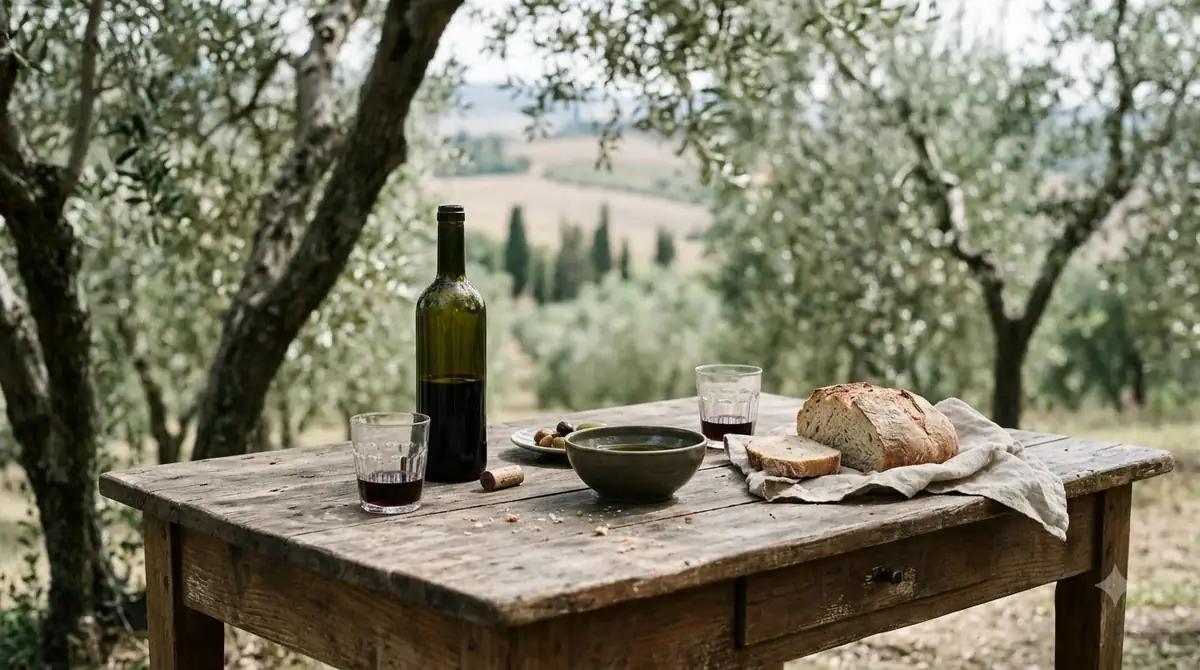
Super Tuscans are made in Tuscany, the central Italian region best known for Chianti and for the Sangiovese grape. The region has a long winemaking history, and the Chianti Classico consortium dates its own origin to 1924 in Radda in Chianti. Its official site describes a production area of about 70,000 hectares spread across the Florence and Siena provinces, with a harvest that runs from September into October depending on the vineyard and altitude.
Super Tuscans sit outside the classic Chianti rules. A producer can make a wine that is mostly Cabernet Sauvignon, Merlot or another grape, or a blend that mixes Sangiovese with those varieties. Because these wines do not follow the traditional formula, they are usually sold under a broader regional label rather than a strict Chianti or Brunello name. That freedom is the reason the style is so varied. A bottle from a famous estate and a bottle from a smaller producer can share the same name yet differ widely in grape mix, oak use and price, so the producer name matters as much as the style.
Why the Style Developed
Super Tuscans grew out of a desire to make better wine from the same land. Some producers wanted to add Bordeaux-style grapes to Sangiovese, while others wanted to experiment with new oak and modern winemaking. The style became widely known in the late twentieth century, and it changed how many people in Italy and abroad thought about Tuscan red wine.
The name is informal. It was used to describe high-quality wines that did not fit the official categories of their time. Today the term still describes a style, and the wines may be labeled as Toscana IGT or as another regional designation. Because the label rules are not uniform, reading the back label and checking the producer’s notes is the best way to learn what is in a particular bottle.
What Super Tuscan Wine Tastes Like
Most Super Tuscans are full-bodied and deeply colored. They usually show dark fruit such as blackberry, black cherry and plum, along with notes of cedar, vanilla, espresso and spice from oak aging. Tannin is typically firm, so the wine can feel structured when young. Acidity is often balanced by the fruit, which helps the wine feel smooth rather than sharp.
Blends that include Sangiovese often show more red cherry, dried herb and savory earthiness, while wines dominated by Cabernet Sauvignon are usually more concentrated and dark. Merlot-led styles tend to feel softer and rounder. This range is why two Super Tuscans from different producers can taste quite different even when they share a region and a style name.
| Style of blend | What it usually tastes like | Best for |
|---|---|---|
| Sangiovese with Cabernet Sauvignon | Cherry, herbs and firm structure with a dark finish | Roasted meats and hearty pasta |
| Merlot-led blend | Plum, soft tannin and a rounder texture | Everyday dinners and grilled food |
| Cabernet-dominant wine | Dark fruit, cedar and a concentrated, firm finish | Steaks and rich, slow-cooked dishes |
Oak plays a large role. New barrels add vanilla, toast and spice, and longer aging can soften the tannin and build complexity. A young Super Tuscan can feel powerful and bold, while a mature bottle often shows more balance. If you prefer a lighter style, look for a shorter aging note on the label or ask the shop for a younger bottling.
How to Serve Super Tuscan Wine
Serve Super Tuscan slightly below room temperature, around the cool side of a comfortable serving range, so the fruit stays fresh and the alcohol does not feel hot. Pour it into a large red wine glass that gives the aromas room to open. Full-bodied bottles often benefit from decanting for an hour or so, especially younger wines with firm tannin.
Once opened, a Super Tuscan keeps its quality for a day or two if you recork it and store it in a cool place. Larger bottles can hold their character a little longer. Because these wines are often expensive, many people prefer to pour a smaller amount and let the wine open over the course of the meal.
Food Pairings for Super Tuscan Wine
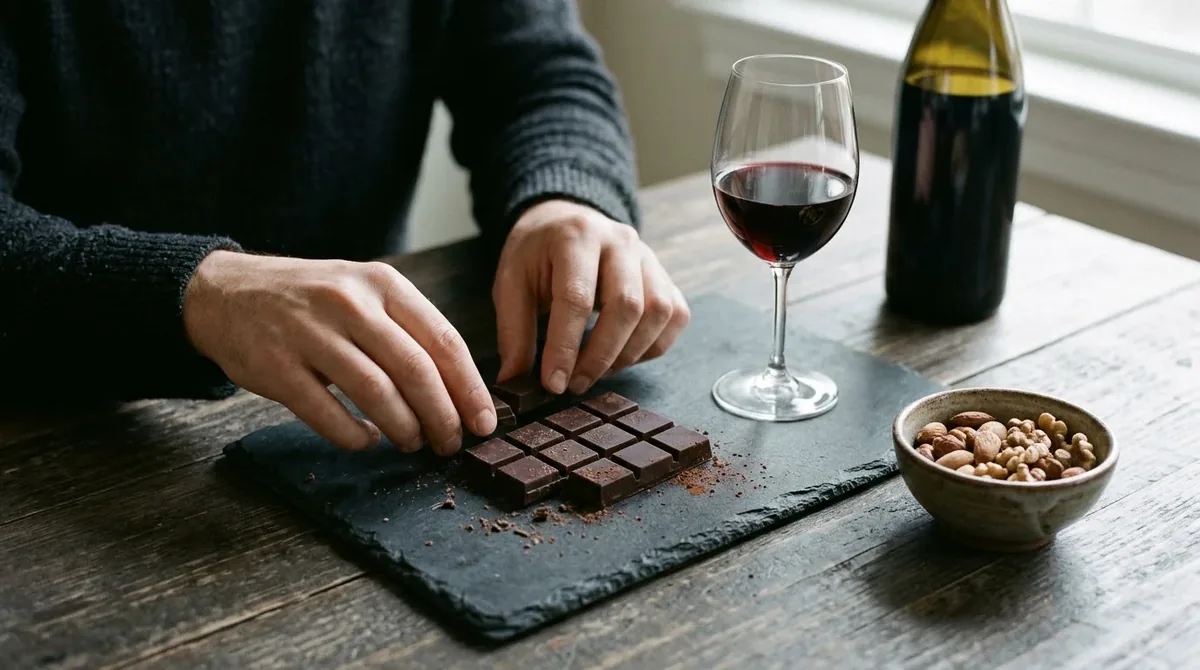
Super Tuscans are built for food. Their structure and dark fruit stand up to grilled steak, roast lamb, braised beef and rich game dishes. The firm tannin cuts through fat, which is why these wines work well with aged cheeses and salty cured meats. A simple plate of grilled meat with rosemary and olive oil is one of the most natural matches.
Pasta with a meat sauce, roasted vegetables with mushrooms, and hearty bean dishes also pair well. Blends with more Sangiovese can handle tomato-based dishes and herbs, while Cabernet-led styles prefer richer meat. Avoid very delicate fish or light salads, which can be overwhelmed by the wine’s weight and tannin.
How to Choose a Super Tuscan Bottle
Start with the label and the producer. Because Super Tuscans do not follow a single rule, the grape list and aging information on the back label are the most useful clues. Check whether the blend is mostly Sangiovese or mostly an international variety, then decide which style you prefer. A Sangiovese-led bottle often suits people who like Chianti, while a Cabernet-led bottle appeals to those who enjoy Bordeaux-style reds.
If you want a bold red that is less tannic and more juicy, a cabernet sauvignon wine from another region may suit you, though it will taste different from a Tuscan blend. For a much lighter, sweeter option, a moscato wine offers a very different experience. To see how Italian reds fit among other styles, the Wine by Type section is a useful place to compare.
Frequently Asked Questions
What makes a wine a Super Tuscan?
A Super Tuscan is a red from Tuscany that blends Sangiovese with international grapes or uses them alone, often with new oak aging. The term describes a style and does not have a single legal definition.
Are Super Tuscans the same as Chianti?
No. Chianti has specific rules on grapes and blends, while Super Tuscans are made outside those rules. Many Super Tuscans are made in the same region, but they may use other grapes or a different label.
How long should a Super Tuscan age?
Aging depends on the producer and the vintage. Many bottles benefit from several years, and young wines can feel firm and bold. Check the producer’s guidance or ask a shop staff member for a bottle that suits your taste.
What food goes best with a Super Tuscan?
Grilled steak, roast lamb, braised beef and aged cheeses are classic matches. Pasta with a meat sauce and hearty bean dishes also work well with the wine’s structure.
Super Tuscan wine offers bold, structured reds from one of Italy’s most celebrated regions. Read the label for the grape blend, serve the wine a little cool, and pair it with grilled meat or hearty dishes. Once you know the style, you can compare different producers to find the blend you like best.
More in Wine Types & Grapes
 Zinfandel Sugar Content: Dry Red vs. White Zinfandel GramsUpdated Nov 21, 2026
 Best Zinfandel Substitute Options for Sipping and CookingUpdated Nov 21, 2026
 Zweigelt Food Pairing: Best Dishes, Cheeses, and Serving TipsUpdated Nov 21, 2026
 Zinfandel Tannins Explained: How Structure Shapes Every BottleUpdated Nov 21, 2026
 Zinfandel Sweetness Level: Dry Red vs. Sweet White Zin ExplainedUpdated Nov 21, 2026
 Xinomavro Food Pairing: Best Dishes, Styles, and Serving TipsUpdated Nov 21, 2026