

We may earn a commission when you buy through links on this page, at no extra cost to you. Learn more.
New Jersey wine comes from a small but long-running wine industry on the East Coast, with roughly 50 licensed wineries and four federally recognized American Viticultural Areas. The state’s wines range from hybrid and European grapes to apple, blueberry and other fruit wines. Most vineyards sit on the fertile, sandy soils of the Coastal Plain in the south, where the maritime climate gives a longer growing season than the cooler northwestern highlands.
New Jersey is often overlooked in wine conversations, yet its vineyards date back to the colonial era and its producers have won real recognition in recent decades. This guide covers the state’s history, its four AVAs, the grapes you are likely to taste, and how to find a good bottle without guessing. The goal is a clear picture of what the state does well, so you can decide what to try first.
A Long History With Some Gaps
Grape growing in New Jersey goes back to the 1700s. Two colonial growers, Edward Antill and William Alexander, were recognized in 1767 by London’s Royal Society of Arts for their work with grapes and wine, though their vineyards did not outlast them by many years. The state’s more lasting winemaking tradition began in the 1800s, when Renault Winery was established in 1864 in Egg Harbor City. Renault is among the oldest continuously operating wineries in the United States, according to the New Jersey wine overview.
Prohibition hit the state hard, and only a few wineries survived. The industry began to rebuild after the Farm Winery Act of 1981, signed by Governor Brendan Byrne, which let small family wineries operate with a minimum of three acres and 1,200 vines. Wineries grew from seven in the early years of the act to fifteen by 1988, according to the same record.
New Jersey also drew attention in 2012 when wines from the state took three of the top four white-wine spots in a blind tasting called the Judgment of Princeton, modeled on the 1976 Paris tasting. Critics questioned how much a single tasting proves, but the result helped put local producers in front of a wider audience.
The Four Wine Regions You Need to Know
New Jersey has four American Viticultural Areas, and each one carries a geographic label that sets rules for what a bottle can say about where its grapes grew. The labels help you compare wines across the state, even though the regions differ in size and climate.
| AVA | Year established | What to know |
|---|---|---|
| Central Delaware Valley | 1984 | No New Jersey wineries are currently located in it |
| Warren Hills | 1988 | Northwestern highlands, cooler and more continental |
| Outer Coastal Plain | 2007 | Sandy, fertile soils and a long growing season; most wineries sit here |
| Cape May Peninsula | 2018 | Southern tip of the state, a coastal setting |
The Outer Coastal Plain is the heart of the industry. Its soils are loamy and fertile, and the maritime climate gives the area a growing season of roughly 190 to 220 days. Northwestern highlands sit in a cooler, humid continental climate, which changes which grapes ripen well. For a wider look at how climate shapes wine across countries, our guide to wine regions explains the same principles in more depth.
Grapes Grown Across the State
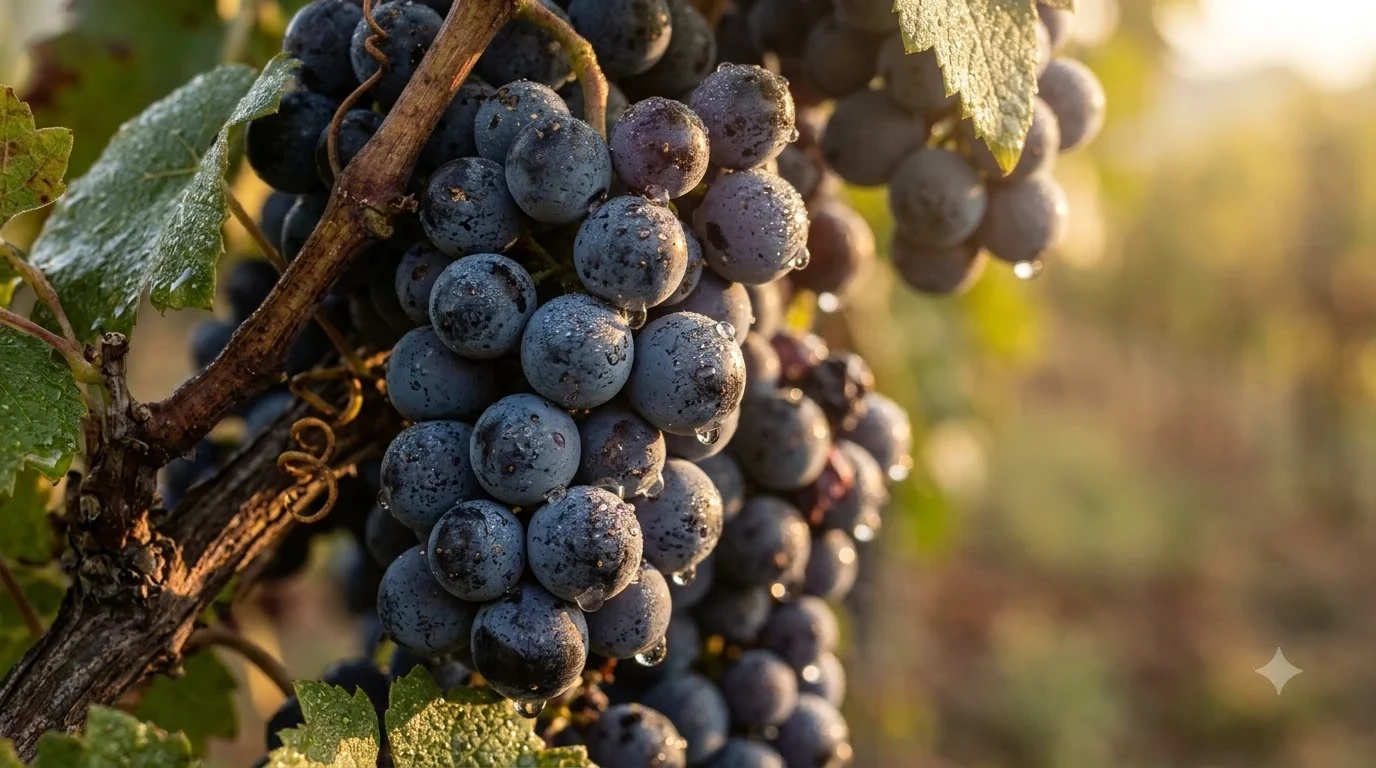
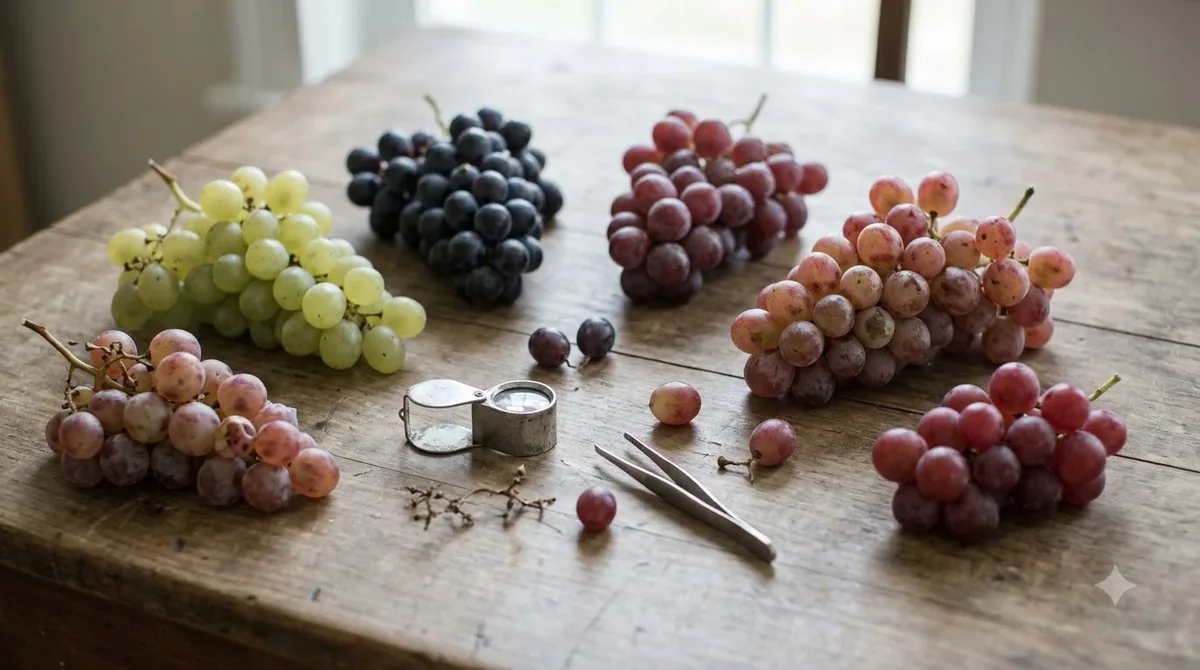
New Jersey grows several types of grapes at once. Vitis vinifera, the European species, sits alongside Vitis labrusca and French hybrids, and the state’s growers have tested more than 90 varieties. That range is one reason the wine list can feel surprising, with reds and whites that taste quite different from the classic European examples.
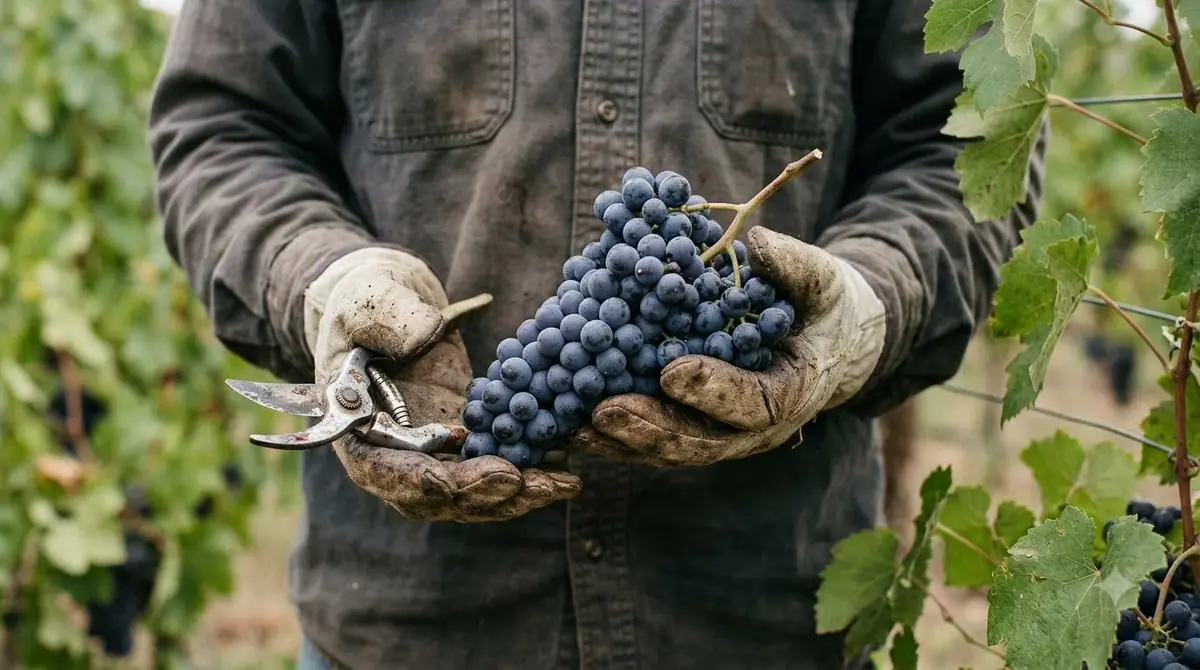
The main red varieties are Cabernet Sauvignon, Cabernet Franc and Chambourcin, the last of which is a French hybrid. The main whites are Chardonnay and Vidal blanc. Historic varieties such as Norton, Concord and Catawba still appear on older labels and in tasting rooms that celebrate local heritage.
Fruit wines are also a major part of the story. Apple, blueberry, raspberry and cranberry wines appear on many tasting lists, and they are often a good first step for visitors who want something distinctly local. The state’s agriculture department runs the Jersey Fresh program to promote local produce, which gives a sense of the farm base behind these bottles.
What Makes New Jersey Wine Different
The state’s climate varies from south to north, and that variation is the main reason its wines differ. The Coastal Plain has longer growing seasons and fertile, loamy soils, while the northwestern highlands are cooler and more continental. Growers in each area choose grapes to suit those conditions, which is why a white from the coast and a red from the hills can taste quite different.
Winemakers also work with a wide range of grapes, so you can find everything from light, crisp whites to firmer reds. Pairing a New Jersey white with local seafood or a New Jersey red with grilled meats is a simple and rewarding way to explore the state’s styles. If you are comparing New Jersey with a cool-climate region abroad, our guide to new zealand wine shows how a similar climate can produce wines with a sharp, lively character.
Visiting New Jersey Wineries
The state has a substantial number of licensed wineries, and many of them run tasting rooms, tours and events. The count changes over time because new wineries open and older ones close, so check a current directory before you plan a route. A handful of producers in the Egg Harbor area have roots going back to the Prohibition era, which makes that region a good place to start a visit.
Tip: Plan a route within one region, such as the Outer Coastal Plain, instead of crossing the state. Shorter drives leave more time for tastings and conversations with the people who make the wine.
Ask each tasting room which grapes they use and whether the wine is made entirely from New Jersey fruit. Some producers blend in grapes from other states or sell fruit wines alongside their grape wines, so the label is the best place to check. Staff are usually glad to explain their process, especially at smaller family wineries.
Frequently Asked Questions
How many wineries does New Jersey have?
One encyclopedia overview cites about 51 licensed wineries, though the number has changed over time. An earlier count of 48 appears for 2014, so the total depends on the date. Check a current directory before you plan a visit.
How many American Viticultural Areas are in New Jersey?
New Jersey has four AVAs: Central Delaware Valley, Warren Hills, Outer Coastal Plain and Cape May Peninsula. Each has a different climate and soil profile, and the labels tell you where the grapes were grown.
What grapes are grown in New Jersey?
The state grows European vinifera grapes, American labrusca varieties and French hybrids, and the state’s growers have tested more than 90 varieties. Common reds include Cabernet Sauvignon, Cabernet Franc and Chambourcin, and common whites include Chardonnay and Vidal blanc.
Are New Jersey fruit wines real wine?
Yes, fruit wines such as apple, blueberry and cranberry are made by fermenting fruit instead of grapes. They are sold as wine and are part of the state’s identity, so check the label to see whether the bottle is grape wine or fruit wine.
New Jersey wine rewards a curious palate. Start with a Coastal Plain white, try a hybrid red from the same region, and then compare a fruit wine with a grape wine from another part of the state. Within a few tastings, you will see how the soils, climate and grape choices come together to shape the state’s character.
More in Wine Regions
 Willcox Wine Trail: Discover Arizona’s High-Elevation Wine CountryUpdated Nov 20, 2026
 Yakima Valley Wine Region: Find the Best Styles to TryUpdated Nov 20, 2026
 Vosne Romanee Wine Tasting: Identify Aromas and Choose Better PairingsUpdated Nov 20, 2026
 Yakima Valley Wine Festival: Find the Best Seasonal Wine EventsUpdated Nov 20, 2026
 Wales Vineyards: Discover Cool-Climate Wines and Where to VisitUpdated Nov 20, 2026
 Yountville Wine Festival: Discover Napa Wines and Local FoodUpdated Nov 20, 2026