

We may earn a commission when you buy through links on this page, at no extra cost to you. Learn more.
White zinfandel wine is a pink, off-dry rosé made from red zinfandel grapes, usually with a light, fruity sweetness. It is not a white wine, despite the name. The style began as a happy accident at a California winery and later became one of the best-selling wines in the United States, and modern versions range from sweet to surprisingly dry.
White zinfandel has a reputation as an easy, sweet pink wine, and many wine drinkers first tried it decades ago. If you are curious about where it came from, how it is made, and whether it is worth buying today, this guide covers the history, the sweetness levels, and the foods that match it.
How White Zinfandel Got Its Start
The story starts with red zinfandel. According to the Halleck Vineyard guide to the wine, winemakers at Sutter Home in California were trying to make a deeper, bolder, and more intense red zinfandel. They drained off some pink juice from the crushed red grapes to concentrate the remaining wine, and the leftover juice became the pink wine that would be sold as White Zinfandel.
The exact date varies by source. Halleck gives 1948 for the first attempts, while other accounts place the commercial launch in the early 1970s. Other accounts place the commercial launch in 1972. Because the sources disagree, treat the year as approximate, though all of them agree that the wine began as a byproduct of making a red.
Why It Tastes Sweet
The sweetness came from a stuck fermentation. Halleck says that in 1975, one batch stopped fermenting before the yeast had used up all of the sugar, which left the wine sweet. Sales rose, other wineries copied the style, and the wine became a common, inexpensive bottle in the 1980s.
The method behind the pink color is the saignée technique, which means bleeding off some juice from red wine. Halleck describes Sutter Home reducing the ratio of juice to skins and bleeding out hundreds of gallons of liquid. The bled juice picked up a pink color, and that juice became the wine. The style is still made this way, but the sweetness today is a choice rather than an accident.
| Style | Sweetness | Typical character |
|---|---|---|
| Classic white zinfandel | Sweet to off-dry | Strawberry, candy, easy drinking |
| Modern white zinfandel | Crisp to dry | Red berry, citrus, fresher acidity |
| Rosé from red zinfandel | Dry to slightly off-dry | Red fruit, herbs, more structure |
Most White Zinfandels sit somewhere on the sweet end of the scale, but the category is wider than many drinkers expect. Halleck notes that the wines range from sweet to surprisingly dry, and that later winemakers in California created drier versions that helped the style recover its reputation.
Is White Zinfandel a Rosé?
Technically, yes. White zinfandel is a rosé, which means it is made from red grapes with limited skin contact, not from white grapes. The label says white only because of the name the winery chose, and that is why many shoppers are surprised to learn the wine is pink.
The style’s commercial success is part of the wine’s story. Sutter Home’s bottling became one of the best-selling wines in the United States, and the category helped many people discover rosé. Some writers credit it with starting the American rosé boom, but other accounts point out that Mateus Rosé was already a very popular imported rosé in the 1970s, so the wine’s influence is part of a longer trend.
If you want a rosé from red zinfandel that is drier and more structured, look for a bottle labeled as a dry rosé rather than white zinfandel. Both styles come from the same grape, but they taste quite different.
The wine’s history also explains why the category is still changing. Halleck describes how the style fell in reputation during the 1980s, when many cheap bottles were sold, and how later California winemakers pushed the style toward drier, more polished versions. That shift is why a current bottle may taste nothing like the sweet pink wine many people remember from years ago. Checking the producer’s description on the label is the quickest way to know what you are buying.
How Sweet White Zinfandel Tastes
The typical glass is pale pink and fruit-forward. The sweetness is easy to notice on the first sip, and the acidity is usually moderate. That combination makes it approachable for people who do not usually drink dry wine, and it is one reason the style sold so well.
Modern versions are more varied. A crisp white zinfandel can show citrus, red berry, and a clean finish, while a drier bottle can have more savory notes and a firmer structure. The best way to find your style is to compare a sweet and a dry bottle side by side.
For a closer look at the grape behind the style, see the zinfandel grape, which explains how red zinfandel differs from the pink wine made from it.
Food Pairings for White Zinfandel
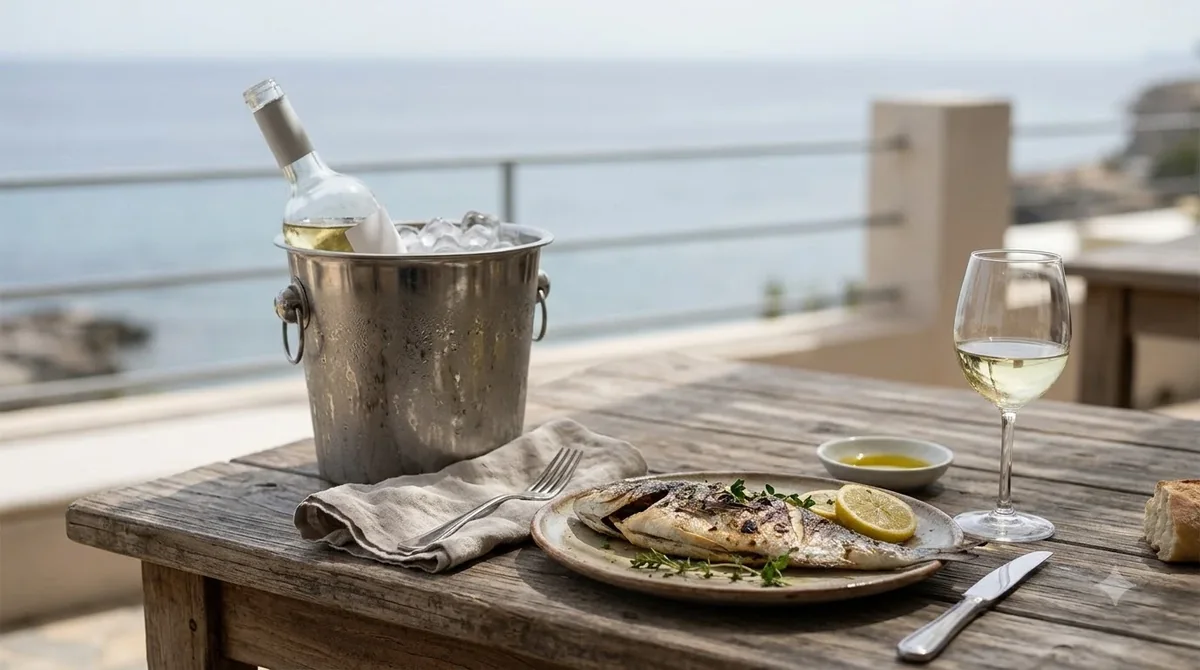
Halleck suggests that sweeter White Zinfandels pair well with smoked meats, soft cheeses, cream-sauce pastas, and finger foods. The sweetness balances salty and rich dishes, which is why the wine works well at casual gatherings and with spicy takeout.
Dry styles suit fresh or roasted vegetables, fish, salads, and crab cakes. Their acidity matches tomatoes and citrus, and a dry rosé can handle blue cheese. Both styles are listed as good matches for Indian food, barbecue pork, lamb, egg dishes, desserts, and Thanksgiving dinner.
A simple rule works well at home. If the dish is sweet, salty, or spicy, a sweeter white zinfandel is a good choice. If the dish is fresh, acidic, or herb-driven, reach for a drier pink.
How to Serve White Zinfandel
Serve white zinfandel chilled, in a glass with a flared rim that lets the aromas reach your nose. Halleck recommends a rosé glass for young wines and a glass with a slight taper for older bottles, and notes that a white wine glass also works well.
The wine is generally meant to be enjoyed young and fresh, so it makes sense to buy what you plan to open within a reasonable time. Once a bottle has been open for a few days, the fresh fruit will fade, but a sweet style can still be pleasant as a simple sipper.
Frequently Asked Questions
Is white zinfandel a white wine?
No. It is a rosé made from red zinfandel grapes. The pink color comes from limited skin contact, and the name refers to the style, not the grape color.
Is white zinfandel sweet?
Most are sweet to off-dry, but the range is wide. Some modern versions are crisp or dry, so check the label or the producer’s description if you want a specific style.
What is the difference between white zinfandel and rosé?
White zinfandel is usually sweet and made in a fruit-forward style, while a dry rosé made from red grapes is typically crisper and more structured. Both are pink wines, but they taste different.
What food goes with white zinfandel?
Sweet styles suit smoked meats, soft cheeses, cream pastas, and spicy dishes. Dry styles pair with vegetables, fish, salads, and tomato or citrus dishes.
White zinfandel has a longer history than its reputation suggests, and it still has a place on the table. Whether you want a sweet pink for a casual gathering or a drier rosé for dinner, knowing the style helps you choose well. For more on the wine families that connect to it, visit our guide to wine by type, and see the white zinfandel grape for the grape-focused view.
More in Wine Types & Grapes
 Zinfandel Sugar Content: Dry Red vs. White Zinfandel GramsUpdated Nov 21, 2026
 Best Zinfandel Substitute Options for Sipping and CookingUpdated Nov 21, 2026
 Zweigelt Food Pairing: Best Dishes, Cheeses, and Serving TipsUpdated Nov 21, 2026
 Zinfandel Tannins Explained: How Structure Shapes Every BottleUpdated Nov 21, 2026
 Zinfandel Sweetness Level: Dry Red vs. Sweet White Zin ExplainedUpdated Nov 21, 2026
 Xinomavro Food Pairing: Best Dishes, Styles, and Serving TipsUpdated Nov 21, 2026