

We may earn a commission when you buy through links on this page, at no extra cost to you. Learn more.
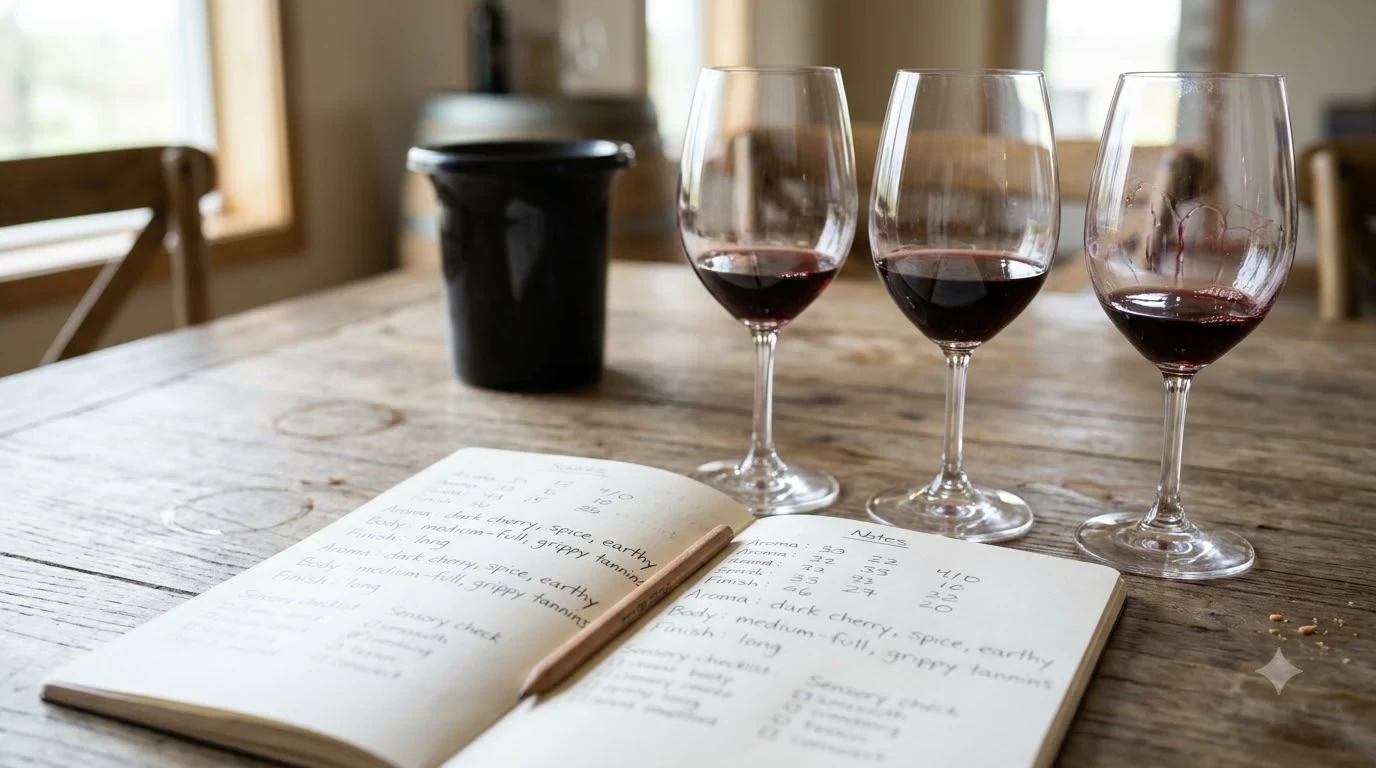
Red wine food pairing works best when you match the wine’s body, tannin and acidity with the weight, fat and seasoning of the dish. Lighter reds with brighter acidity suit lighter meals, while firmer, tannic reds need rich, fatty food to feel smooth. The rules below explain the reasoning, so you can apply them to any bottle on the shelf.
This guide is for home cooks and dinner hosts who want a practical method rather than a memorized list. Instead of only naming bottles, it explains how red wine interacts with food. Once you understand those interactions, you can reason through new combinations with confidence.
What Makes a Red Wine Pair Well with Food
Red wines pair well when their structure works with the food on the plate. Three features matter most: body, tannin and acidity. Body is the sense of weight in the mouth, tannin is the drying grip that comes from grape skins, seeds and oak, and acidity is the fresh, mouth-watering quality that keeps a wine lively.
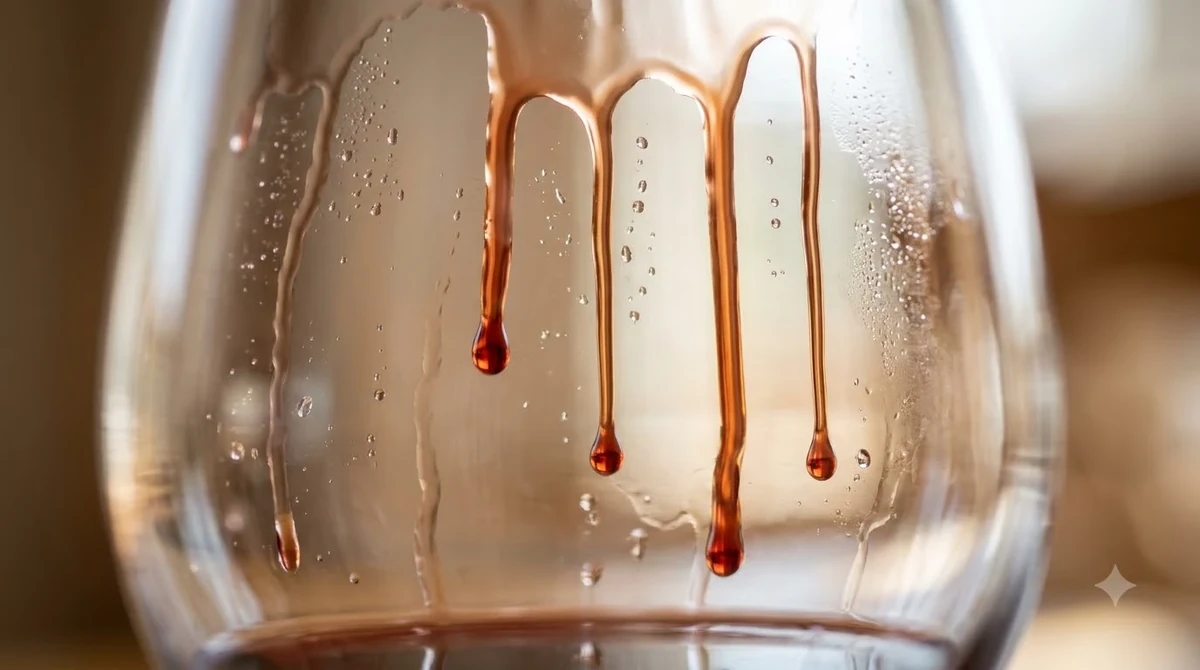
Tannin is the feature most people notice first. According to the Virginia Tech enology group, proteins and fats can bind with tannins, which softens the sense of astringency and bitterness in a wine. That is why a rich steak often tastes smoother with a red than the same wine tastes on its own.
Acidity works in a different way. It refreshes the palate after rich bites, so each sip feels clean rather than heavy. Food influences the wine too. Salt can make tannins feel rougher and can sharpen acidity, so a salty ham or cured sausage can change how a young red tastes.
Pairing approaches also differ in philosophy. Congruent pairing matches similar flavors and textures, such as a silky red with a silky sauce. Contrasting pairing balances opposites, such as a firm red with a fatty dish. Both can work, and many good matches combine a little of each.
Matching Red Wine by Body and Weight
Matching body is the simplest starting point. Light-bodied reds suit lighter dishes, and fuller reds suit heavier ones. The goal is to keep the wine and the food about equal in weight, so neither one hides the other.
Pinot Noir is the classic example of a lighter red. Its brighter acidity and softer tannins suit salmon, roast chicken and many pork dishes. For lamb, the JWU Online beginner guide suggests a lighter red such as Pinot Noir or an Italian Chianti. If you want to learn more about the grape behind one of those styles, the Chianti grape profile is a helpful next step.
Medium and fuller reds need more substance on the plate. Cabernet Sauvignon has a firm structure, and the Cesar Ritz Colleges pairing guide notes that it works with grilled red meats, lamb and aged cheese. Malbec, with its dark fruit and smoky notes, is another option for barbecued meats and sturdier dishes.
Use body as your first filter, then check tannin and acidity before you finalize the choice. A medium-bodied red with good acidity can handle a wider range of dishes than a very heavy wine, which makes it a flexible option for mixed dinner tables.
Full-Bodied Reds and Hearty Dishes
Full-bodied reds with firm tannins work best with rich, fatty foods. Fat coats the mouth and binds with tannins, which tames the drying sensation and lets the wine’s fruit come forward. This is the logic behind pairing a bold red with a ribeye steak, roast duck or prime rib, as the JWU Online guide suggests.
Leaner cuts need fewer tannins. The same JWU guide notes that the leaner the cut, the fewer tannins you want in the wine. A simple grilled chicken or lean roast can suit a medium-bodied red better than a heavy, tannic bottle, because the wine will not overwhelm the meat.
Hearty stews and braises also suit fuller reds because the weight of the sauce matches the weight of the wine. A heavy stew generally works better with a full-bodied red than with a light white, which can feel thin beside it. Look at the sauce as well as the meat, since a tomato-based braise and a cream sauce change the balance.
Spicy food is the main exception. Alcohol can intensify the sensation of heat, and tannin can accentuate the fire in spicy dishes. For that reason, big reds are generally a poor choice with many Mexican, Thai and other chili-heavy meals. A low-alcohol, simple red or a cooler, lighter wine usually works better.
Pairing Red Wine with Cheese and Charcuterie
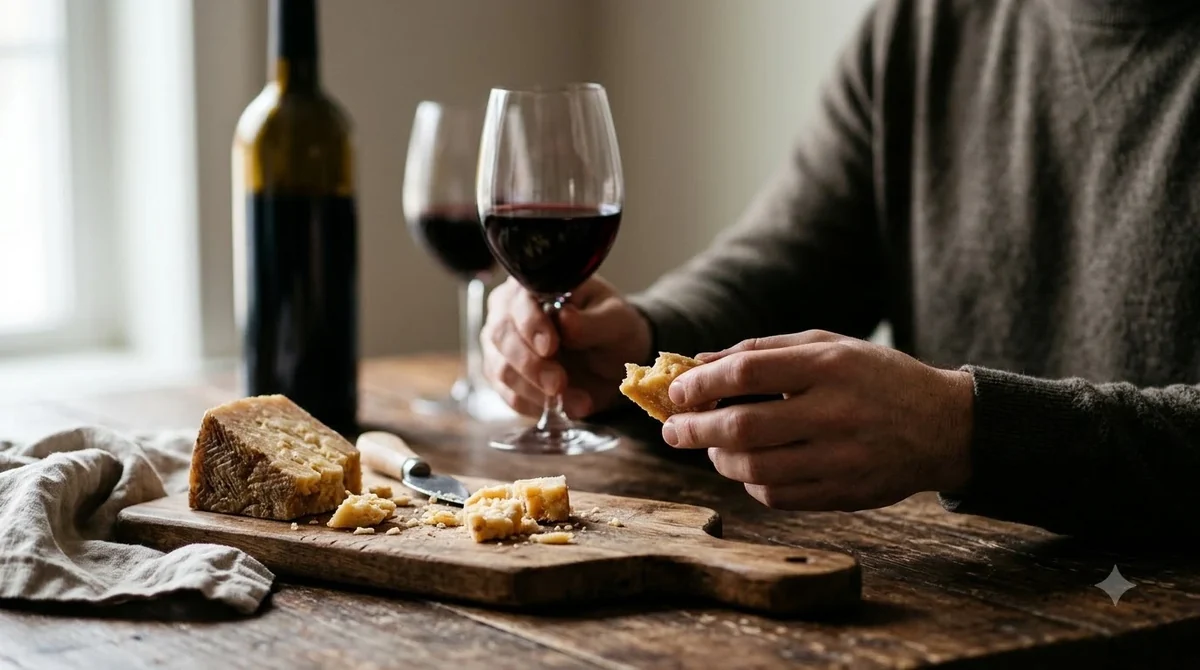
Cheese and cured meat are natural partners for red wine, but the best match depends on age, texture and salt. Richer, aged cheeses call for more structured reds, while softer cheeses often suit lighter styles. Use the intensity of the cheese as your guide.
| Food | Red style that fits | Why it works |
|---|---|---|
| Hard, aged cheddar or asiago | Cabernet Sauvignon or Malbec | Firm structure stands up to aged flavor |
| Mild or soft cheese | Pinot Noir or a red Burgundy | Lighter body and bright acidity |
| Blue cheese | A sweet, fortified red such as port | Sweetness balances sharp, salty flavors |
| Cured ham or bacon | Light, fruity red with soft tannin | Salt can make firm tannin feel harsher |
Charcuterie boards mix salt, fat and acid, which makes a single red hard to pin down. Choose a fruit-forward red with moderate tannin, and avoid a very tannic bottle, since salt tends to magnify tannin. The Virginia Tech wine matching notes explain that salt can make a red taste more astringent, so the saltiest items on the board deserve the most attention.
Cheese plates also reward a range of reds. Pour a lighter red alongside the softer cheeses and a fuller red alongside the aged ones. This keeps each bite and sip in balance as guests move across the board.
Common Red Wine Pairing Mistakes to Avoid
Most pairing problems come from a mismatch in weight or intensity. A bold wine can bury delicate food, and a light wine can disappear beside a rich dish. Watch for these patterns before you open the bottle.
- Serving a full-bodied red with delicate fish, which can overpower the dish.
- Pairing a very tannic red with spicy food, since alcohol and tannin can make the heat feel stronger.
- Choosing a sharp, highly acidic red for mild dishes, which can leave the food tasting flat.
- Matching only by color. The Cesar Ritz guide points out that the old rule of red with meat and white with fish is only a starting point.
Serving temperature also matters. Colder wine tends to taste more acidic and less sweet, so a light red served too cold can taste sharper than the winemaker intended. Let the bottle sit for a short time after it comes out of the fridge or cool storage before you pour.
Tip: When in doubt, match the weight of the dish first, then check tannin against fat and salt. Keep one lighter red and one fuller red on hand for flexible dinners.
Quick Red Wine Pairing Chart
This chart summarizes the rules in simple terms. Use it as a starting point, then adjust for seasoning, sauce and your own taste.
| Dish type | Red body to try | Key feature to match |
|---|---|---|
| Salmon, roast chicken, lighter pork | Light-bodied, such as Pinot Noir | Bright acidity and soft tannin |
| Lamb or lean grilled meats | Light to medium, such as Chianti | Balance of acid and fruit |
| Ribeye, roast duck or prime rib | Full-bodied, such as Cabernet Sauvignon | Fat softens firm tannin |
| Hearty stew or braise | Full-bodied | Weight of the wine matches the sauce |
| Aged hard cheese | Cabernet Sauvignon or Malbec | Structure matches aged flavor |
| Blue cheese | Sweet, fortified red such as port | Sweetness balances sharp cheese |
| Very spicy Mexican or Thai food | Simple, low-tannin red, or another style | Alcohol and tannin can amplify heat |
Frequently Asked Questions
Can you drink red wine with fish?
Yes, but choose a light red. Pinot Noir is often cited as a match for salmon and other delicate fish because its acidity and soft tannin stay in balance. A full-bodied red usually overpowers mild fish, so match the wine’s weight to the dish and the cooking method.
Why does some red wine taste bitter with food?
The bitter and drying feeling comes mainly from tannin. Fat and protein can soften tannin, while salt can make it feel harsher. If a red tastes too sharp with a dish, try a richer food or a red with softer tannin.
Should red wine be served chilled?
Serving temperature changes how acidity and sweetness feel. According to the Virginia Tech notes, colder wine tastes more acidic and less sweet. Many people serve lighter reds slightly cooler than fuller ones, but check the producer’s guidance on the label when you can.
How long can you keep leftover red wine for another meal?
The Cesar Ritz guide says a red can usually be enjoyed for about three to five days after opening when it is stored well. Transfer the wine to a smaller container or use a stopper or vacuum pump to limit air, then refrigerate it. Whites and sparkling wines generally fade faster.
Red wine food pairing becomes much easier once you focus on body, tannin and acidity rather than memorizing lists. Start with the weight of the dish, then check fat, salt and heat. For more background on styles, the Wine by Type section is a useful place to compare red categories side by side.
More in Wine Types & Grapes
 Zinfandel Sugar Content: Dry Red vs. White Zinfandel GramsUpdated Nov 21, 2026
 Best Zinfandel Substitute Options for Sipping and CookingUpdated Nov 21, 2026
 Zweigelt Food Pairing: Best Dishes, Cheeses, and Serving TipsUpdated Nov 21, 2026
 Zinfandel Tannins Explained: How Structure Shapes Every BottleUpdated Nov 21, 2026
 Zinfandel Sweetness Level: Dry Red vs. Sweet White Zin ExplainedUpdated Nov 21, 2026
 Xinomavro Food Pairing: Best Dishes, Styles, and Serving TipsUpdated Nov 21, 2026