

We may earn a commission when you buy through links on this page, at no extra cost to you. Learn more.
Learning how to serve sake comes down to three things: matching the temperature to the style, choosing a suitable cup or glass, and drinking the bottle while it is still fresh. Sake is brewed from rice, so its flavors shift more with temperature than many wines do. Most home drinkers can get good results with a few simple habits and a bottle that is stored properly.
This guide explains what sake is, how the main styles differ, and why serving temperature matters. It also covers the cups and glasses that suit sake, a few etiquette points from Japanese tradition, pairing ideas, and how to keep an open bottle tasting good.
Sake Styles Worth Knowing Before You Pour
Sake is made by fermenting rice that has been polished to remove its outer bran. According to the Wikipedia entry on sake, the brewing process is closer to beer than to wine, because starch is converted into sugar and then fermented into alcohol. Undiluted sake is strong, and the finished bottle usually falls in a range of roughly 15 to 22 percent alcohol by volume, so it is more potent than most table wine.
Style labels on the bottle tell you a lot about how it will taste. Junmai styles are generally made with rice and no added distilled alcohol, and they tend to be fuller and more savory. Ginjo and daiginjo styles use rice polished further, and they usually show lighter fruit and floral aromas. Nigori is a cloudy, unfiltered sake with a softer, creamier texture, and it often tastes sweeter than clear versions.
The table below gives a quick overview. Check the label for the exact style and the rice polishing level, since producers do not always list every detail the same way.
| Style | General character | Serving approach |
|---|---|---|
| Junmai | Full body, savory, rice-forward | Chilled or gently warmed, depending on the brand |
| Ginjo or daiginjo | Light, aromatic, fruity or floral | Well chilled to protect the delicate aromas |
| Nigori | Cloudy, creamy, often a touch sweet | Chilled, and shake the bottle gently before pouring |
| Kimoto or yamahai | Deep, earthy, high acidity | Often enjoyable warm |
Serving Temperature: Chilled, Warm, or Somewhere Between
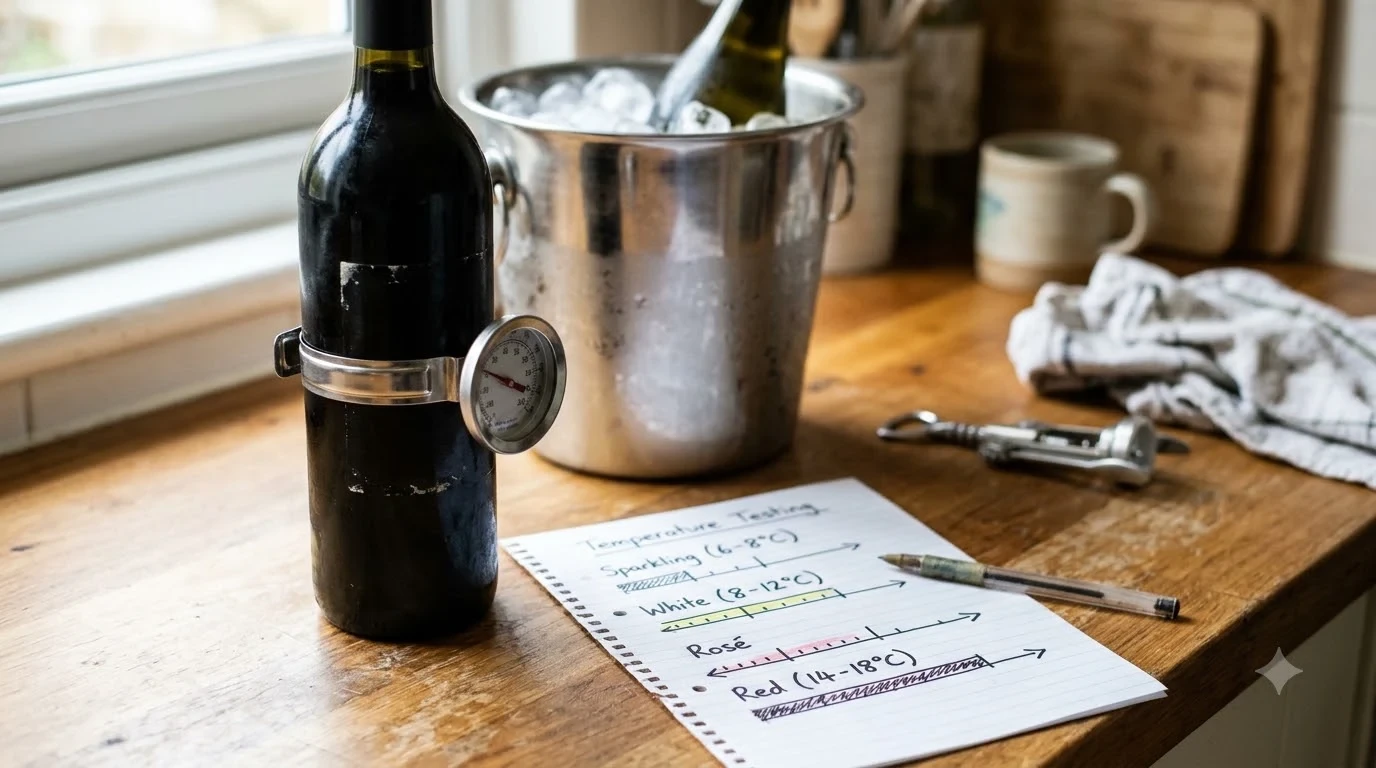
Temperature is the biggest decision you will make when you serve sake. Sake that is too cold can hide its aromas, while sake that is too warm can taste harsh or flat in the wrong way. The right choice depends on the style and on the producer’s intent.
According to the Difford’s Guide article on serving and appreciating sake, most premium sakes with rice milled to less than 60 percent of its original size are best chilled. The same source notes that many fuller junmai styles can be delicious warm, especially those made with kimoto or yamahai methods. Warmth tends to bring out acidity, body and intensity.
Practically, start by reading the label. If the bottle says the brewer recommends a specific serving style, follow that first. If it says nothing, chill a premium or aromatic sake and try a richer junmai at cool room temperature before warming any of it. Warming is traditionally done in a small flask set in hot water, so avoid putting a bottle directly on a stove.
Choosing the Right Glassware and Vessels
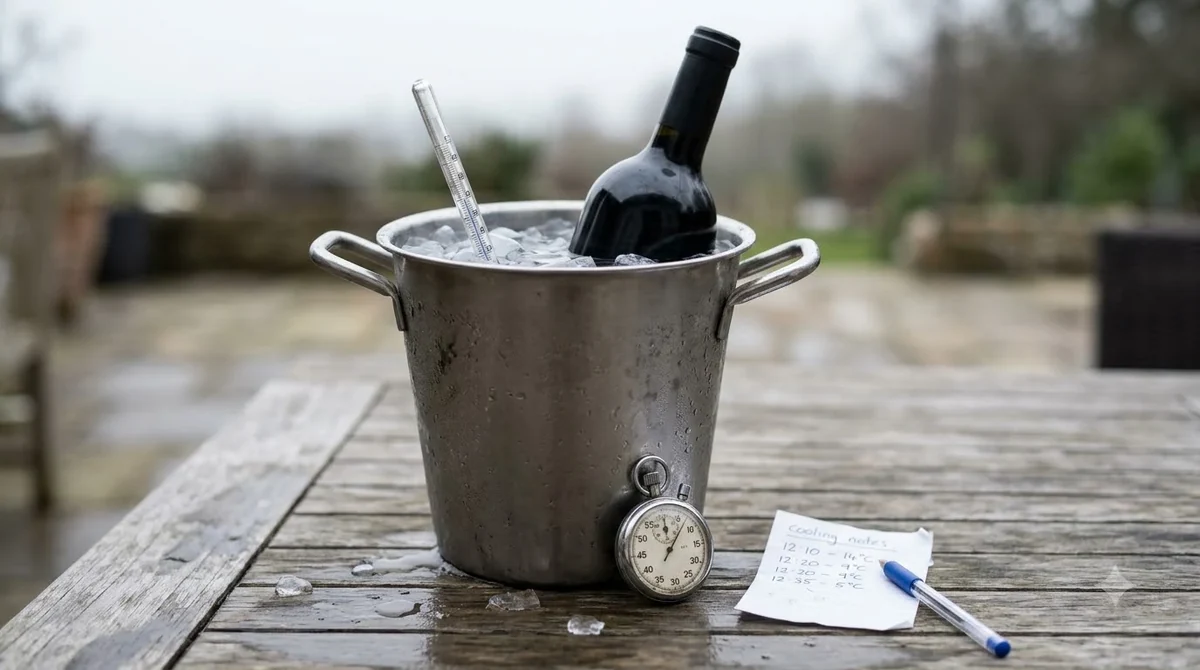
Traditional sake service uses small ceramic or wooden vessels, but a standard wine glass works well for everyday drinking. The shape of the cup changes how the aroma reaches your nose, which matters most with lighter, fragrant styles.
The Wikipedia article on sake sets describes the common pieces: a flask called a tokkuri, small cylindrical cups called ochoko, and wooden masu boxes. It also notes that sake stemware and glass tokkuri are now common for serving chilled sake. In the United States, a shot glass is often used as a stand-in for an ochoko.
For home use, a tulip-shaped white wine glass or a dedicated sake glass is a good choice for chilled ginjo styles. Ceramic cups suit warm junmai and make a nice presentation for guests. Masu are mostly ceremonial now, and some critics say the wood can alter the taste, so use one for show or for a special occasion.
Pouring Sake and Following Basic Etiquette
Opening and pouring sake is simple. Remove the cap or cork, and pour slowly into each cup rather than filling it to the brim in one pour. Sake does not throw sediment in the way some wines do, so decanting is not needed.
Japanese etiquette has a few habits that many hosts still follow. According to the Difford’s guide, you generally should not pour your own sake. Instead, pour for others and lift your cup when someone pours for you. To signal that you have had enough, you can turn your cup over. Japanese hosts are usually forgiving of outsiders, so these customs are a friendly guide rather than strict rules.
One common mistake is serving every style at the same temperature. Another is pouring a delicate ginjo into a heavy, wide bowl that hides the aroma. A third is opening several bottles at once and forgetting that each one begins to change once exposed to air.
Pairing Sake With Food
Sake is traditionally served alongside fish, sushi and salty snacks. The Difford’s guide also notes that different sake styles pair with a wide range of foods in place of wine. Matching intensity is the easiest rule to follow: lighter sake suits delicate dishes, and richer, fuller styles stand up to grilled or savory food.
Good starting points include sashimi, tempura, grilled chicken, and mild cheeses. Nigori often pairs well with spicy foods and desserts with fruit or cream. Warm junmai can be a comfortable match for hot pot dishes and fried foods, especially on a cool evening.
If you are new to pairing, keep it simple. Choose one light sake and one richer sake for the same meal, then taste each with a few bites. You will quickly learn which combinations you enjoy most, and you can use the same approach when you explore wine by type at home.
Storing Sake After Opening
Sake is more delicate than many people expect, and it is sensitive to light and heat. The Difford’s guide advises storing bottles in a cool, dark place. It also suggests drinking sake within about a year of bottling, since the sooner you drink it, the better it tends to taste.
Once opened, sake holds up better than wine, but it still needs care. The same guide says a bottle can be resealed and refrigerated and enjoyed over several days, perhaps one to two weeks. Using a vacuum stopper or an inert gas to block oxygen helps it stay fresh for longer. Either way, keep the bottle in the refrigerator after you open it.
Pasteurized sake does not spoil in the usual sense, but it can turn stale, oxidized, or discolored if kept too long. If the aroma has faded or the color has shifted, treat the bottle as past its best. For more background on how sake is grouped and used, see sake carbs for how much you can expect per serving.
Frequently Asked Questions
Should sake be served hot or cold?
It depends on the style. Premium and aromatic sakes are usually served chilled, while many fuller junmai styles can be enjoyed warm. Check the label, since some brewers state the recommended serving temperature.
Do I need to decant sake before serving?
No. Sake does not throw sediment the way some wines do, so decanting is unnecessary. Simply open the bottle and pour slowly into your cups or glasses.
How long does sake last after opening?
Refrigerated sake can usually be enjoyed for several days, and perhaps one to two weeks. Using a vacuum stopper or inert gas helps it stay fresher for longer. Taste it before serving, and discard it if it smells or tastes stale.
What is the best glass for sake?
A tulip-shaped white wine glass or a dedicated sake glass works well for chilled styles. Ceramic ochoko or cups suit warm sake and traditional settings. The right choice depends on the style and on how you plan to serve it.
Serving sake well is mostly about paying attention to style, temperature and freshness. Start with a chilled ginjo or a warm junmai, and taste how each changes with the food you serve. Once you are comfortable with the basics, you can explore more drinks in the wine by type guides.
More in Wine Types & Grapes
 Zinfandel Sugar Content: Dry Red vs. White Zinfandel GramsUpdated Nov 21, 2026
 Best Zinfandel Substitute Options for Sipping and CookingUpdated Nov 21, 2026
 Zweigelt Food Pairing: Best Dishes, Cheeses, and Serving TipsUpdated Nov 21, 2026
 Zinfandel Tannins Explained: How Structure Shapes Every BottleUpdated Nov 21, 2026
 Zinfandel Sweetness Level: Dry Red vs. Sweet White Zin ExplainedUpdated Nov 21, 2026
 Xinomavro Food Pairing: Best Dishes, Styles, and Serving TipsUpdated Nov 21, 2026