

We may earn a commission when you buy through links on this page, at no extra cost to you. Learn more.
The calories in sangria depend mostly on serving size, the wine base, added sugar, and any liqueur or juice in the pitcher. Published nutrition databases list one medium serving of white wine sangria at about 230 calories, while a smaller pour of a typical sangria comes in closer to 96 calories. That gap is why the number on a label or app can look so different from one glass to the next.
This guide explains where those calories come from, how red, white, cava and sparkling styles compare, and how fruit and sugar change the count. It also covers simple ways to make a lighter pitcher at home and how to pour a moderate portion when you are serving a crowd.
What Makes Up the Calories in Sangria
Sangria is mostly wine, so alcohol and natural sugars from the grapes provide most of the energy. Alcohol supplies calories on its own, and the sugars left in the wine add more. Fruit adds carbohydrates too, and any juice, soda or sweetener adds to the total.
Fat is almost absent in a typical sangria. The nutrition entry for white wine sangria in the EatBetter database lists 0 g of fat and 26.5 g of carbohydrates for one medium serving of 250 g, which shows how the energy is carried mainly by carbs and alcohol rather than fat. Protein is also minimal in the same entry.
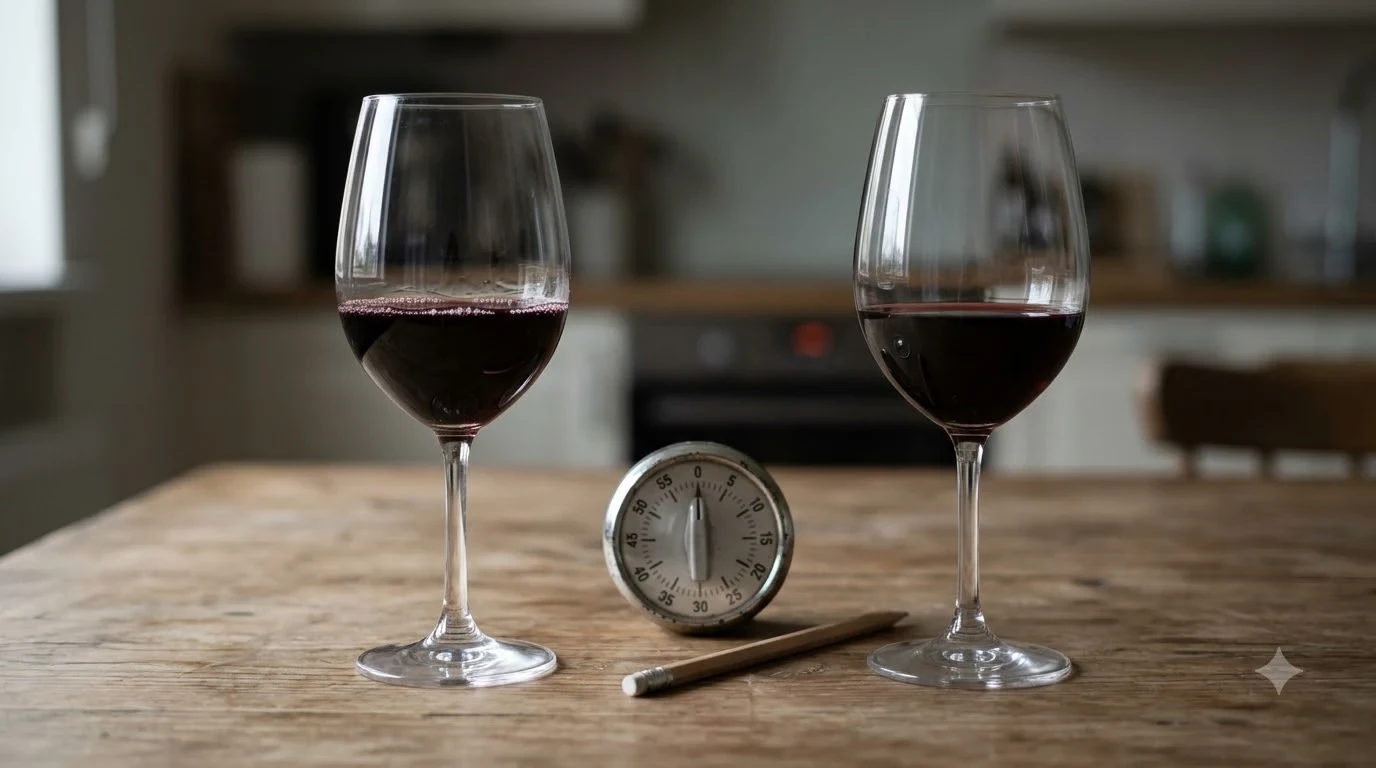
Because the drink is mostly liquid, the weight of the pour matters as much as the recipe. A 250 g serving and a 150 g serving of the same drink can differ by more than 50 percent in calories. When you compare numbers, check the serving size first, then the base ingredients.
Calories by Sangria Type: Red, White, Cava, and Sparkling
Red sangria is the traditional version, and it usually starts with red wine, chopped fruit and sometimes brandy or a flavored liqueur. The Wikipedia entry on sangria notes that the base is typically red wine, and that some recipes add spirits or sparkling water. A liqueur or brandy raises both alcohol and calories, so a red recipe with a splash of spirit can land above a plain version.
White sangria, sometimes called sangria blanca, is a more recent variation. Its calorie count depends on the wine and on how much juice or soda goes in. The SnapCalorie entry for sangria lists about 230 calories for a 240 g cup and 219 calories for a 228 g serving, which suggests that a full cup of a typical pour sits near that higher range.
Cava and other sparkling versions, often called sangria de cava, are made with sparkling wine. The fizz does not add much on its own, but many sparkling recipes also include sugar, juice or liqueur. Check the ingredient list before you assume a lighter total. Sparkling wine that is labeled dry usually leaves less residual sugar than a sweet bottle.
| Sangria style | Usual base | What pushes calories up |
|---|---|---|
| Red sangria | Red wine, chopped fruit | Brandy, flavored liqueur, added sugar |
| White sangria | White wine, citrus, fruit | Juice, sweetened soda, sugar |
| Cava or sparkling sangria | Sparkling wine, fruit | Sweet sparkling wine, liqueur, syrup |
| Store-bought bottled sangria | Wine blend with flavoring | Added sugar and sweeteners, check the label |
Compared with other wine styles, sangria often sits above a plain glass of dry wine. Sangria generally contains more sugar than dry red or white wine because of the fruit, sweeteners and juices. A straight pour of dry wine is usually the lower-calorie choice, while sangria is closer to a wine cocktail.
How Fruit and Added Sugar Change the Count
Fruit is a common reason sangria tastes sweeter than the wine alone. Oranges, apples, peaches and berries release natural sugars as they soak, and those sugars end up in the drink. The Wikipedia entry notes that traditional recipes often use local fruits such as peaches, nectarines, berries and apples, sweetened with sugar and orange juice.
Added sugar is the variable you control most. A spoonful of sugar or a splash of sweet orange juice can add noticeable energy to a pitcher. The SnapCalorie sangria listing shows 17.2 g of sugars in a 240 g cup, which is a useful reminder that sugars make up a large share of the carbohydrate total.
Liqueur and brandy add alcohol and calories in a smaller volume. Both are concentrated, so a small measure changes the taste and the energy count more than you might expect. If a recipe calls for both fruit liqueur and extra sugar, the total can climb quickly, even when the wine itself is modest.
Calories in Common Recipes and Store-Bought Versions
Calorie totals for sangria vary because no two recipes are identical. Home cooks often use different wines, fruit mixes and sweeteners, and bottled versions use their own blends. Published databases tend to estimate a typical pour, so treat any single number as a rough guide rather than an exact count for your pitcher.
Store-bought bottles and pre-mixed cans can carry added sugar and flavorings that do not appear in a homemade recipe. The label on each product is the most reliable source for that specific drink. Look for the serving size, the calorie count per serving and the sugar line, then compare those figures with the portion you actually pour.
Sangria from a restaurant or bar can also differ from a home pitcher. Bars often pour generously and may add a splash of liqueur. If you want a closer estimate, ask what goes into the drink, or check the nutrition page of the restaurant if it publishes one.
Lower-Calorie Ways to Make Sangria at Home
You can lighten a pitcher without losing the fruit-forward taste most people want. Start with a dry wine, since dry styles contain less residual sugar than sweet ones. Use fresh fruit as the main source of sweetness, and let it soak for a few hours so the flavor develops without extra syrup.
- Choose a dry red or white wine rather than a sweet or dessert style.
- Skip or reduce added sugar, and let ripe fruit provide most of the sweetness.
- Use unsweetened sparkling water or plain soda water instead of sweetened sodas.
- Replace some juice with extra fruit slices or a splash of citrus.
- Measure any brandy or liqueur, and add it in a small amount.
Dilution is another easy lever. Adding more ice, or a larger share of sparkling water, lowers the alcohol concentration and the calories per glass without changing the structure of the drink. Serve it cold, and taste as you go so you can stop adding sweeteners once the balance feels right.
If you want a sparkling option, a dry cava base is often a lighter starting point than a sweet white wine. For more background on that style, the guide to cava sangria explains how the sparkling base changes the flavor. A bubbly version also pairs well with a lighter pour, since the fizz makes each glass feel fuller.
How to Serve Sangria in Moderate Portions
Portion control matters more than the recipe for most people. A pitcher holds several servings, and it is easy to refill a glass without noticing how much you have poured. Decide the size of your glass before the party starts, and measure once so you know what a standard pour looks like.
According to the SnapCalorie sangria nutrition page, a standard serving of sangria is often about 4 to 5 ounces, which is smaller than many wine glasses. Using a smaller glass or marking the pitcher can help you keep track. Pair each glass with water and food, and pace your drinks across the evening.
Responsible drinking is the best way to enjoy sangria. Alcohol carries calories on its own, and the total adds up across several glasses. Choose a lighter recipe on nights you plan to drink more, and set a limit before you pour. If you are unsure how much alcohol fits your routine, check guidance from your doctor or the label on the bottle.
Tip: Freeze fruit chunks in a little juice and drop them into the pitcher. They chill the drink without watering it down, and they add flavor without much extra sugar.
Frequently Asked Questions
How many calories are in a glass of sangria?
It depends on the glass size and recipe. SnapCalorie lists about 230 calories for a 240 g cup, while a standard 4 to 5 ounce serving is closer to 96 calories. Check the serving size before you compare numbers.
Is red sangria higher in calories than white sangria?
Not always. Red and white sangria both depend on the wine, fruit, sugar and any spirits in the recipe. A red version with brandy or liqueur can be higher, while a white version with sweet juice can also run high.
What is the lowest-calorie way to make sangria?
Use a dry wine, skip extra sugar, and let fresh fruit provide sweetness. Sparkling water or plain soda water also keeps the drink lighter. Measure any liqueur carefully, since a small amount adds calories.
Does sangria have more sugar than regular wine?
Usually, yes. Fruit, sweeteners and juice add sugar, so sangria often contains more than a dry red or white wine. Check the label on bottled versions, since sugar content varies by brand.
Calories in sangria are easiest to manage when you know the base wine, the sugar and the serving size. For a broader look at the styles, visit Wine by Type, and for lighter fruit flavors, see what does sangria taste like. Small changes to the recipe make a clear difference.
More in Wine Types & Grapes
 Zinfandel Sugar Content: Dry Red vs. White Zinfandel GramsUpdated Nov 21, 2026
 Best Zinfandel Substitute Options for Sipping and CookingUpdated Nov 21, 2026
 Zweigelt Food Pairing: Best Dishes, Cheeses, and Serving TipsUpdated Nov 21, 2026
 Zinfandel Tannins Explained: How Structure Shapes Every BottleUpdated Nov 21, 2026
 Zinfandel Sweetness Level: Dry Red vs. Sweet White Zin ExplainedUpdated Nov 21, 2026
 Xinomavro Food Pairing: Best Dishes, Styles, and Serving TipsUpdated Nov 21, 2026