

We may earn a commission when you buy through links on this page, at no extra cost to you. Learn more.
Napa Valley wine tasting means visiting wineries in person to sample wines that are usually made from grapes grown in the valley itself. Most visitors book ahead, pick a few wineries across different sub-regions, and plan the day around a short driving route. The regional Napa Valley winery map and trip planner are the easiest place to start, and a little planning goes a long way in a valley with many tasting rooms.
Napa Valley is one of the most visited wine destinations in the United States, so the experience can feel crowded if you do not plan. This guide explains what a typical tasting involves, how to choose wineries across the valley, which grapes you are likely to taste, and how to make each visit more rewarding without rushing.
What a Napa Valley Wine Tasting Involves
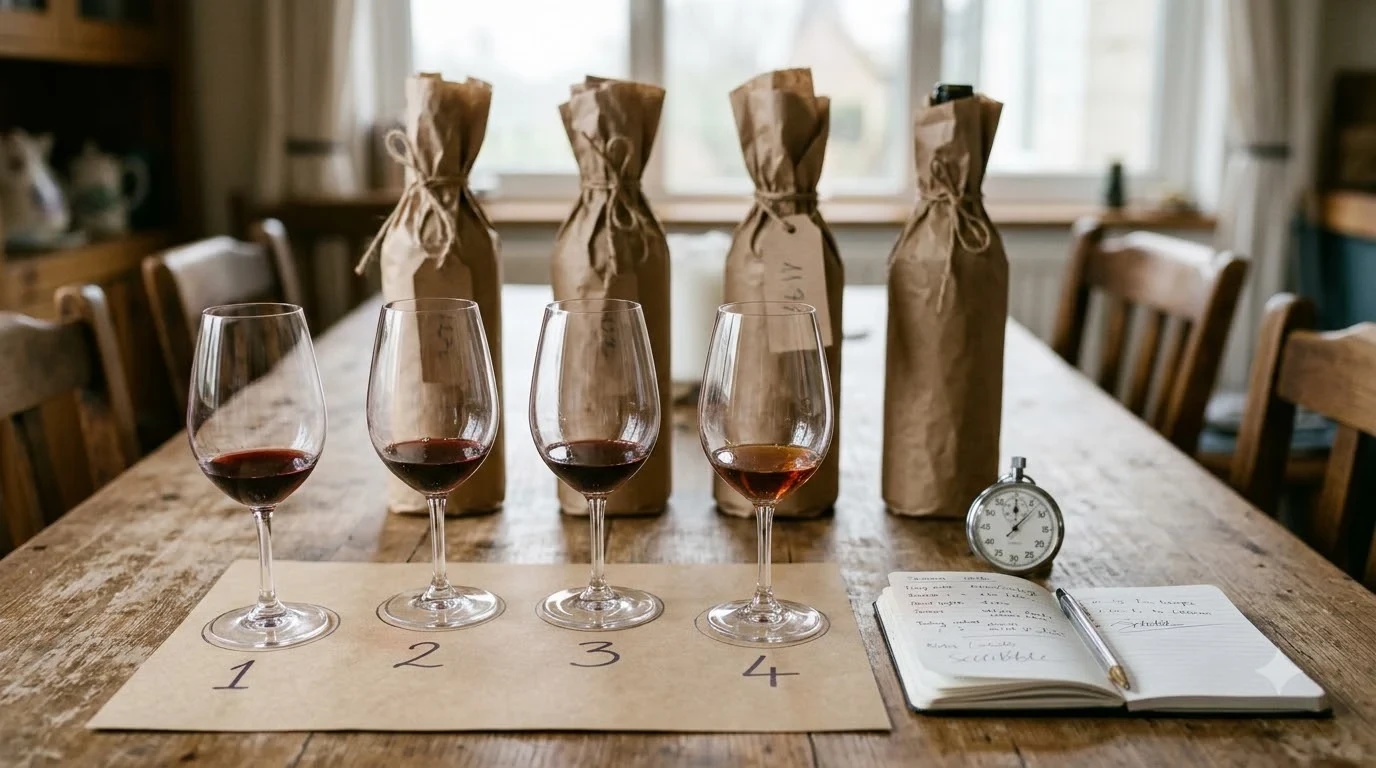
A tasting is a guided sample of several wines, usually poured in small amounts and described by a host who explains the vineyard, the winemaking choices and the flavors to look for. Some wineries offer a standing bar tasting, while others host seated experiences at a table or on a terrace. Both formats let you compare wines side by side, which is the main reason people visit.
The valley’s tasting rooms vary widely. Some are small family operations where the winemaker may pour for you, while others are large estates with gardens, galleries and restaurant service. The regional Napa Valley site describes a wide mix of experiences, including live music nights, festivals and themed itineraries, so it helps to decide what kind of day you want before you choose a winery.
Choosing Where to Go Across the Valley
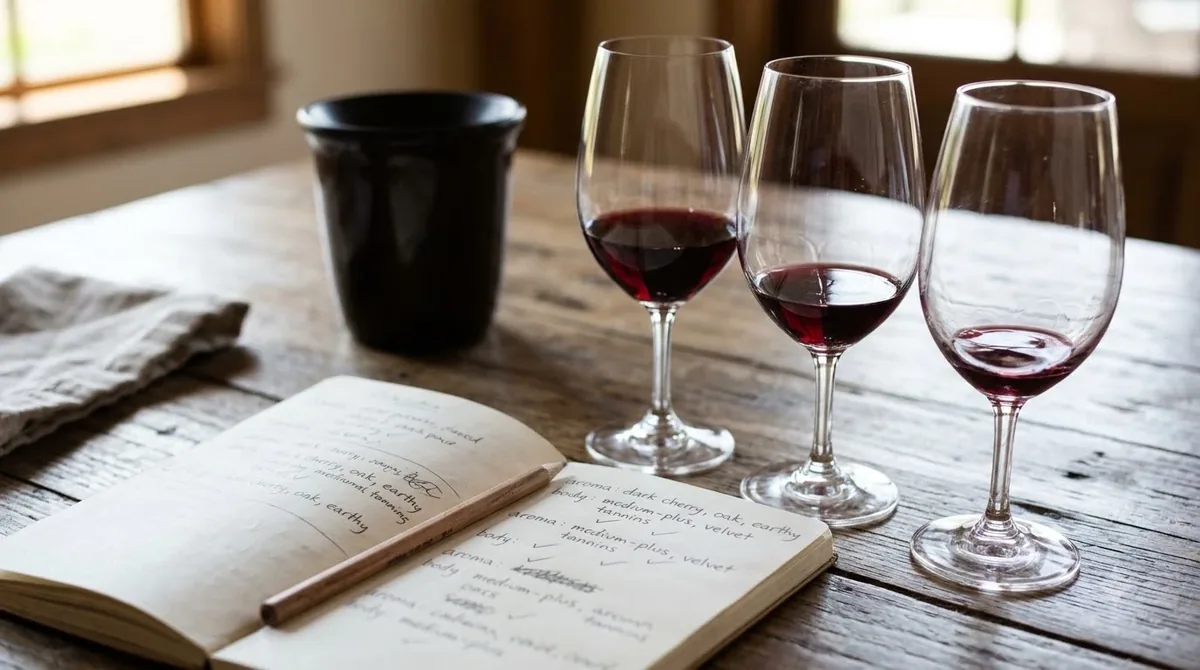
The valley is made up of many nested appellations, which are smaller growing areas with their own microclimates and soils. Visitors often find it easier to group wineries by sub-region rather than by brand, because driving between neighboring areas takes far less time than crossing the valley. A morning in one area and an afternoon in another gives you contrast without a long drive.
Before you pick a list, open a map and mark the wineries that interest you. Look at how far apart they sit and whether they cluster in one area. A short list of four or five wineries in the same part of the valley usually beats a scattered list that forces you onto the highway between every stop.
Some sub-regions are known for a particular style. Cooler areas near the southern end of the valley tend to produce brighter, more structured wines, while warmer northern sites often show riper fruit. Those differences are a useful way to compare wines on the same day, and they make the tasting more educational than a random list of stops.
For more on how wineries are organized and where to find the best-known producers, see our guide to napa valley wineries. Once you have a short list, the Napa Valley Vintners site is a practical place to check current winery information and visiting programs.
Grapes and Styles You Will Taste
Cabernet Sauvignon is the valley’s signature red and shows up on almost every tasting list. Merlot is a softer, plusher option that many visitors enjoy early in the day. The regional Napa Valley site names Cabernet Sauvignon and Merlot alongside a wider group of grapes, including Mondeuse, Albariño, Charbono and Barbera, which shows how varied the valley’s plantings have become.
The region’s own tourism materials say more than three dozen white and red varieties flourish in the valley. That variety is one of the reasons a tasting can go beyond the big reds. Ask your host which whites or lighter reds the winery makes, because some of the most interesting pours are outside the famous cabernet.
If you are comparing styles, use a simple rule: taste lighter wines first, then move to fuller reds. Your palate stays fresher, and the differences in tannin and body are easier to notice. Our wine regions guide explains why climate and soil shape those differences, which makes the tasting easier to follow.
Reservations, Formats and Etiquette
Many Napa tasting rooms take reservations, and some work by appointment only. Booking ahead is the most reliable way to get a seat on a weekend or during the harvest season, when popular rooms fill up quickly. Walk-ins are sometimes possible at bars or smaller wineries, but do not count on them for a full day.
| Format | What it is like | Best for |
|---|---|---|
| Standing bar tasting | Casual pour at a counter, often with a short talk | Quick stops and first-time visitors |
| Seated tasting | Table service with a guided flight and more detail | Learning about specific wines |
| Vineyard or cellar tour | Walk through the vines or barrel room, then taste | Understanding how the wine is made |
| Food pairing experience | Small plates matched to the wines | Longer visits and special occasions |
Etiquette is simple. Arrive on time for your reservation, tell the host about any allergies or dietary limits, and let the staff know if you are visiting for a special occasion. If you are driving, use the spit cup for samples you do not plan to finish, and arrange a designated driver or a car service for the day. Those habits keep the visit pleasant for you and the people pouring.
Planning a Full Day in Napa
Timing shapes the day as much as the route. Many visitors book the first appointment of the morning, when the tasting room is quiet and the host has time to talk through each pour. Afternoon slots are often busier, and a late-day stop can feel rushed if the earlier stops ran long. Building the schedule around a fixed lunch reservation keeps the rest of the day on track.
A realistic day includes three or four tastings, with a meal in the middle and enough time between stops to move without rushing. Pick one or two sub-regions, plan your route on the winery map, and build in a longer lunch rather than a quick snack. Visitors who try to fit six stops often leave with less memory of each wine than they expected.
Themed itineraries can help if you have a specific interest. The regional site suggests routes such as a closer look at one growing area or a visit built around dog-friendly wineries. Checking the wine and event calendar before you go helps you avoid a busy weekend or pick a day with live music. The Taste the Towns guide also highlights dining and lodging options, which is useful for planning a stay of more than one day.
For a second visit or a longer trip, you can compare the valley with other places in the country. Our guide to temecula wine tasting shows how a Southern California wine region handles many of the same visitor questions, from reservations to route planning.
Frequently Asked Questions
Do I need reservations for a Napa Valley wine tasting?
Many wineries recommend or require reservations, especially on weekends and during busy seasons. Some rooms also take walk-ins at the bar. Check each winery’s website before you go, because policies differ between tasting rooms.
How many wineries should I visit in one day?
Three or four tastings is a comfortable pace for most visitors, with a meal in the middle. Fewer stops give you time to talk with hosts and compare wines, while a longer list tends to blur the flavors together.
What grapes should I try in Napa Valley?
Cabernet Sauvignon and Merlot are the most common reds, but the valley grows more than three dozen varieties. Ask your host about other styles, including whites and lighter reds, because they often show a different side of the region.
How should I plan transportation for a tasting day?
Arrange a designated driver, a car service or a tour before you arrive. Keep your route short, use the spit cup for samples you do not finish, and plan a meal between stops so the day stays comfortable.
A good Napa Valley wine tasting rewards planning and curiosity. Choose a sub-region, book ahead, ask questions at each stop and leave room for the unexpected pour. With a clear route and a few well-chosen wineries, the valley becomes far easier to understand than a long list of names.
More in Wine Regions
 Willcox Wine Trail: Discover Arizona’s High-Elevation Wine CountryUpdated Nov 20, 2026
 Yakima Valley Wine Region: Find the Best Styles to TryUpdated Nov 20, 2026
 Vosne Romanee Wine Tasting: Identify Aromas and Choose Better PairingsUpdated Nov 20, 2026
 Yakima Valley Wine Festival: Find the Best Seasonal Wine EventsUpdated Nov 20, 2026
 Wales Vineyards: Discover Cool-Climate Wines and Where to VisitUpdated Nov 20, 2026
 Yountville Wine Festival: Discover Napa Wines and Local FoodUpdated Nov 20, 2026