

We may earn a commission when you buy through links on this page, at no extra cost to you. Learn more.
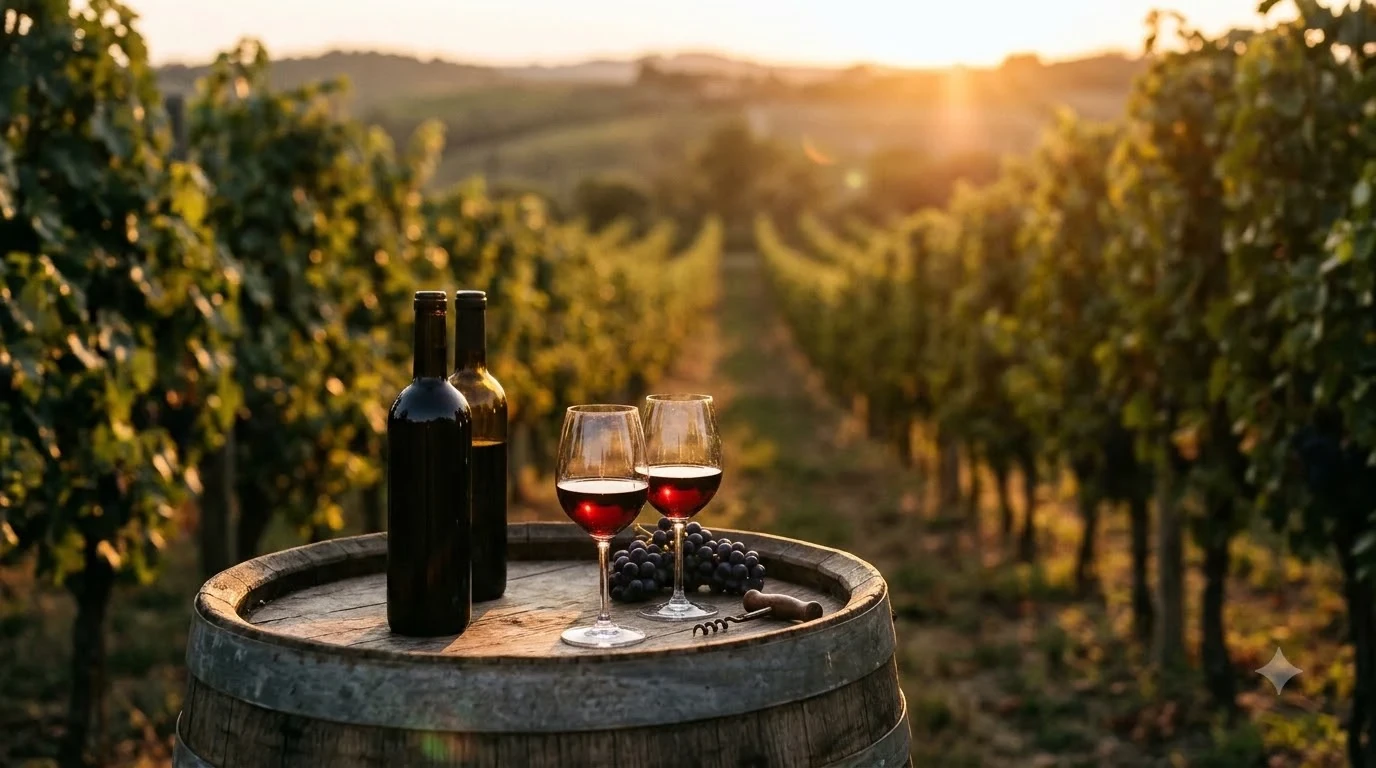
Valle de Guadalupe wine country is Mexico’s most important wine region, a valley in Baja California about 90 minutes south of San Diego. According to Decanter, the valley produces about 80% of Mexico’s wine and is home to more than 150 wineries as of Nov 2026. Its cool Pacific evenings and dry, sunny days give many of its wines a fresher style than the bigger reds people associate with Napa Valley.
This guide explains what makes the valley distinct, which grapes and wine styles to look for, and which wineries and restaurants are worth your time. It also covers how to plan a trip from San Diego or Los Angeles, so you can build a practical itinerary before you go.
What Is Valle de Guadalupe?
Valle de Guadalupe is a valley in the northern part of the Baja California peninsula, close to the Pacific coast. It is the heart of Mexico’s modern wine scene. Winemaking here has roots that reach back to the 17th century, but the fine wine revival is much more recent. Decanter notes that by the late 1990s only a handful of wineries were still in business, and the serious growth began in the early 2000s.
Today the valley feels like a working agricultural area with a growing hospitality scene. You will see tasting rooms, small family estates, olive groves and luxury resorts sitting side by side. Many visitors come for a few days and combine tastings with long lunches, which is one reason the valley is often compared to a European wine route.
Climate, Soil and Terroir
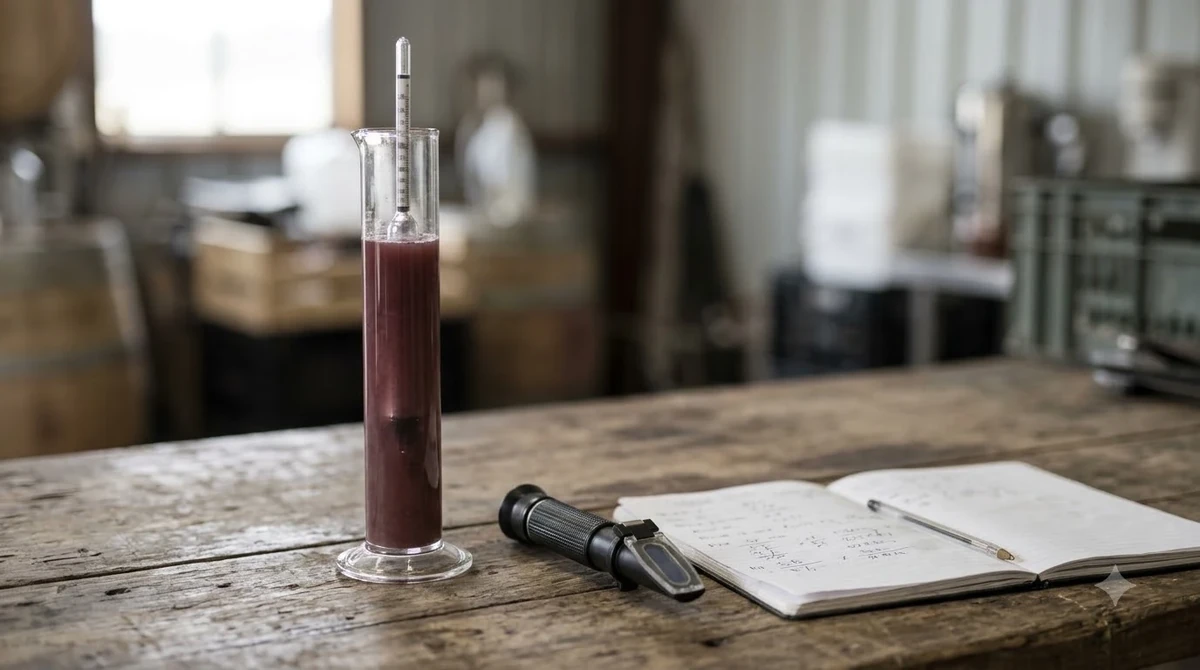
The valley’s climate and soils explain much of its character. Its Mediterranean-style climate brings warm, dry days and cooler nights, though the exact temperatures vary by site and season. Cool air from the Pacific, carried in by the California Current, moderates the heat and helps the grapes keep their acidity.
Soils vary across the region. Sand and loam dominate near the coast, while clay and granite appear closer to the mountains. Decanter describes the terroir as a former seabed, which gives some wines a mineral character and, in certain bottles, a saline note. Vineyards at higher elevations, around 800 meters above sea level in parts of Baja, add further variation.
Compared with Napa and Sonoma, the valley is generally warmer and drier, with less of the deep valley fog that cools those regions. Napa is known for rich, full-bodied reds. Valle de Guadalupe producers often aim for brighter acidity and a lighter finish. The difference is a matter of style and site, so tasting both regions side by side is the best way to see it.
Key Grape Varieties and Wine Styles
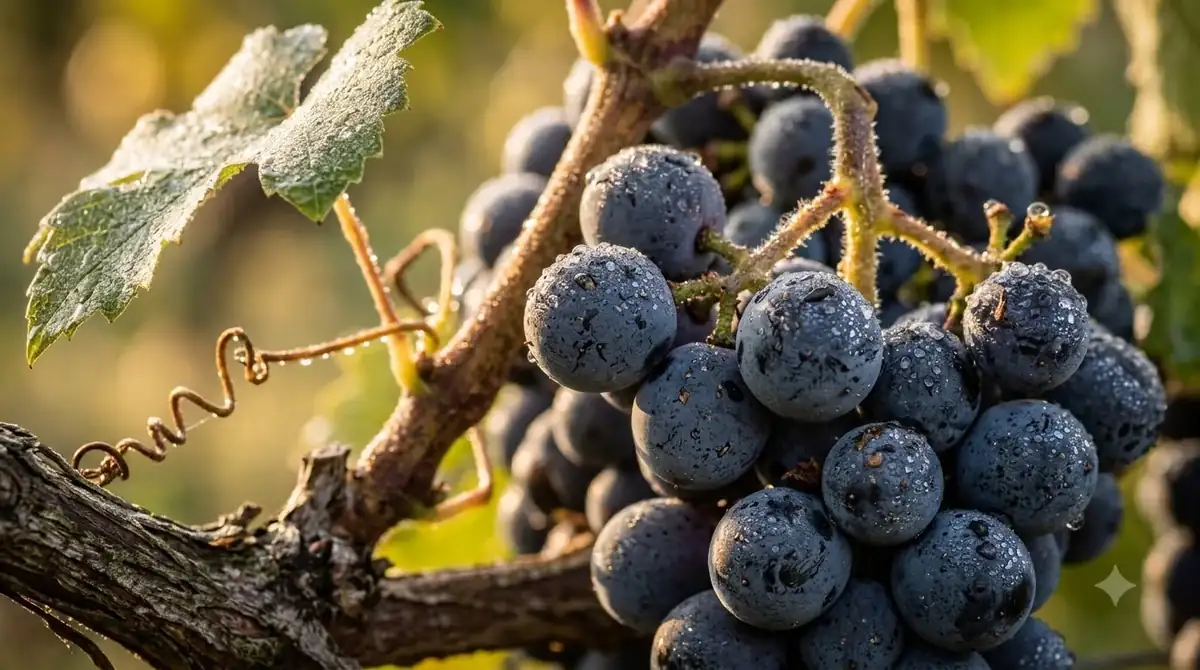
The valley grows many grapes, and winemakers here are not tied to strict European rules. That freedom produces a wide range of wines. Some are bold reds in the style of older Napa Valley or Rioja bottles. Others are fresh, lighter wines, and a developing natural wine scene adds still more experimentation.
| Wine type | Common grapes | What to expect |
|---|---|---|
| Crisp whites | Chenin Blanc, Sauvignon Blanc, Chardonnay | Fresh acidity and citrus or mineral notes |
| Sparkling wines | Chardonnay-based traditional method wines | Dry, fine bubbles suited to seafood |
| Medium-bodied reds | Tempranillo, Grenache, Syrah | Savory, fruit-forward wines that suit grilled food |
| Structured reds | Cabernet Sauvignon, Merlot, Nebbiolo | Firmer tannins and more aging potential |
Chenin Blanc deserves special attention. Old bush vines, some of them gnarled with age, produce some of the valley’s most classic white wines. Decanter describes Chenin Blanc as one of the region’s earliest signature varieties. Tempranillo also performs well here, and it often needs little intervention in the winery to show its character.
Ask about the style before you buy. A bottle labeled natural or experimental may taste very different from a traditional red. Start with a flight at a tasting room, then ask staff which bottles they would recommend with food.
Top Wineries and Tasting Rooms
The valley has far more producers than most visitors can see in one trip. Plan on visiting a handful of places rather than trying to cover the whole route. Choose a mix of large estates with full facilities and smaller producers that focus on a few wines.
El Cielo is one of the best-known names. According to Decanter’s profile of El Cielo in the valley, it operates as both a winery and a luxury resort, set among vineyards and olive groves with views of the Sierra Blanca range. Its tasting room, wine bar and private cellar are open to guests, and the estate offers barrel room tours and golf cart vineyard visits. Winemaker Jesús Rivera is credited with a range of wines, including a traditional method sparkling Chardonnay and a Nebbiolo.
Many tasting rooms charge for flights and offer food pairings. Book ahead for weekend visits, since popular estates fill up quickly. Ask whether the winery offers a tour, a blending class or a vineyard walk, since these experiences show how the wines are made. Confirm hours and reservations directly with each winery before you travel.
Food Pairing and Dining in the Valley
The valley’s food scene is as important as its wine. Decanter reports that three Michelin-starred restaurants operate in the region. Baja-Yucatan cooking is a highlight, blending Pacific seafood with Yucatan flavors. Expect ceviche with citrus and habanero heat, shaved oysters with a fresh salsa, and slow-roasted meats served with regional sauces.
Lighter wines work well with seafood and fresh salsas, while medium-bodied reds suit short ribs and pork belly tacos. A sparkling wine can cut through fried foods and rich sauces. Ask the server which bottle goes best with the dish you chose, since local staff often know which wines the kitchen favors.
Breakfast is worth planning too. Some restaurants serve Mexican breakfasts with eggs and chilaquiles, which makes a good start before a day of tastings. Pace yourself between tastings and meals. Never drive after drinking, and use a driver, a tour or a taxi for the day.
Getting There and Planning Your Visit
Most travelers from the United States reach the valley by car. From San Diego, the drive is about 90 minutes, according to Decanter. From Los Angeles the trip is longer, so plan for a full day of driving or a stay of several nights. Check current border crossing wait times before you leave, since they can change by day and season.
You will need a valid passport to enter Mexico, and you should check the U.S. State Department’s current travel guidance before departure. Many visitors book a guided tour from San Diego to avoid driving on rural roads. Others hire a driver for the day, which lets everyone taste without worrying about the drive back.
- Confirm your passport validity and check current border wait times.
- Book tastings and lunch reservations several weeks ahead for weekends.
- Choose two or three wineries rather than trying to cover the whole valley.
- Arrange a designated driver, tour or taxi for the return trip.
- Ask each winery about tour options and tasting fees before you arrive.
If you want a broader view of Mexican wine, the valley is a good starting point. Read more about the Valle de Guadalupe wine style guide before planning your tastings.
How It Compares to Other Wine Regions
Valle de Guadalupe is often called the Napa of Mexico, but Decanter notes that its wines stand on their own without that comparison. The valley is younger as a fine wine region and more experimental in its grape choices. Its Pacific influence and varied soils give it a distinct identity from California.
Compared with Napa and Sonoma, the valley usually offers lower prices and smaller crowds, though specific prices change, so check with each winery. Napa has a longer history of marketing and a larger tourism infrastructure. The valley rewards travelers who enjoy exploring new styles and sitting down to a long meal.
For readers interested in other emerging regions, the Uruguay wine country guide shows another South American region with its own climate and grapes. You can also compare the high-desert vineyards covered in the Arizona wine country guide. For a wider overview, the Wine Regions section groups these areas together.
Frequently Asked Questions
How far is Valle de Guadalupe from San Diego?
Decanter describes Valle de Guadalupe as a 90-minute drive south of San Diego. Actual travel time depends on the border crossing, traffic and your route into the valley. Check current conditions before you leave and allow extra time for the return trip.
What grapes are grown in Valle de Guadalupe?
Winemakers grow both international and Mediterranean varieties. Common choices include Cabernet Sauvignon, Merlot, Tempranillo, Nebbiolo, Chardonnay, Sauvignon Blanc and Chenin Blanc. Chenin Blanc from old bush vines is one of the valley’s signature wines.
Is Valle de Guadalupe similar to Napa Valley?
The two regions share a Mediterranean-style climate, but they differ in style. Valle de Guadalupe is influenced by Pacific air and varied Baja soils, which often produce fresher, more acidic wines. Napa is known for fuller reds, so tasting both gives a clear comparison.
Should I drive myself around the valley?
Driving yourself after tastings is not safe, and it is not legal to drink and drive. Many visitors hire a driver, book a guided tour or use a taxi. This also lets you enjoy each tasting without worrying about the road back.
Valle de Guadalupe rewards curious travelers who enjoy new styles and long meals. Pick two or three wineries, book your tables early and plan a safe ride for the day. A focused trip will give you a much better sense of what the region does well.
More in Wine Regions
 Willcox Wine Trail: Discover Arizona’s High-Elevation Wine CountryUpdated Nov 20, 2026
 Yakima Valley Wine Region: Find the Best Styles to TryUpdated Nov 20, 2026
 Vosne Romanee Wine Tasting: Identify Aromas and Choose Better PairingsUpdated Nov 20, 2026
 Yakima Valley Wine Festival: Find the Best Seasonal Wine EventsUpdated Nov 20, 2026
 Wales Vineyards: Discover Cool-Climate Wines and Where to VisitUpdated Nov 20, 2026
 Yountville Wine Festival: Discover Napa Wines and Local FoodUpdated Nov 20, 2026