

We may earn a commission when you buy through links on this page, at no extra cost to you. Learn more.
When comparing barolo vs montepulciano, the core difference comes down to grape variety, color, and aging timeline: Barolo is a translucent, high-acid, fiercely tannic 100% Nebbiolo wine from Piedmont aged at least 38 months before release, while Montepulciano (most commonly bottled as Montepulciano d’Abruzzo) is an inky, dark-fruited red from central Italy designed for earlier drinking. Barolo smells of rose petals, red cherries, and tar and routinely takes a decade or more in the cellar to soften. Montepulciano delivers plush blackberry, plum, and dried herb flavors with moderate acidity and soft-to-grippy tannins that shine right out of the gate.
Both bottles hail from Italy and carry serious regional pride, yet pouring them side by side feels like tasting two entirely different winemaking philosophies. Understanding how these two reds diverge in the vineyard, the cellar, and the glass makes picking the right bottle for dinner—or for long-term storage—far simpler.
What It Is and the Montepulciano Naming Trap
Barolo is a strictly regulated Denominazione di Origine Controllata e Garantita (DOCG) red wine produced exclusively from the Nebbiolo grape in northern Italy, whereas Montepulciano refers first and foremost to a black-skinned grape variety grown across central Italy. Before comparing the two in the glass, drinkers also need to separate the Montepulciano grape from a famous Tuscan town that shares its exact name.
In northern Italy’s Piedmont region, Barolo leaves zero room for blending: Italian wine law requires every bottle to be 100% Nebbiolo. According to Wine Folly’s comparison of iconic Italian reds, standard Barolo must age for at least 38 months prior to release, including a minimum of 18 months in wood. Bottles labeled Barolo Riserva extend that mandatory aging period to 62 months, creating a structured wine built for slow evolution over 10 to 25 years.
By contrast, Montepulciano is Italy’s second most widely planted red grape after Sangiovese, covering roughly 75,000 acres across central Italy. Its flagship bottling is Montepulciano d’Abruzzo DOC, which must contain at least 85% Montepulciano grapes (with up to 15% Sangiovese permitted) and requires just five months of aging before hitting shelves. The common point of confusion is Vino Nobile di Montepulciano DOCG in Tuscany—a wine named after the hilltop town of Montepulciano that is actually made primarily from Sangiovese rather than the Montepulciano grape, a distinction explored further in our guide to montepulciano vs sangiovese.
Flavor Profile and Winemaking Styles
In the glass, Barolo is pale garnet and deceptively light in color yet packed with piercing acidity and mouth-drying tannins, while Montepulciano is opaque purple-ruby with lush black fruit and softer acidity. These sensory differences stem from both grape genetics and how winemakers treat oak in each region.
Nebbiolo has thin skins low in anthocyanins (color pigments) but extraordinarily high in tannins and natural acidity. Young Barolo opens with lifted aromas of dried rose petals, raspberry sauce, sour cherry, cinnamon, and white pepper. As those firm tannins polymerize over a decade or more in bottle, the wine shifts toward savory tertiary notes of licorice, leather, truffle, and dark chocolate. Within Barolo, winemakers split between traditionalists—who use massive, neutral Slavonian oak casks called botti to preserve pure floral and earthy character—and modernists, who employ smaller French oak barriques that impart vanilla, toast, and a rounder texture earlier in the wine’s life.
Montepulciano grapes have thick, pigment-rich skins that stain the glass an inky, almost black-purple hue reminiscent of Syrah. According to Wine Folly’s guide to Montepulciano, producers generally follow one of two cellar paths. Neutral-aged examples fermented and rested in stainless steel or concrete burst with fresh sour cherry, red plum, cranberry, violet, and a signature ash-like earthiness. Oak-aged bottlings—especially Riserva releases aged at least two years—spend time in barrels that layer boysenberry, blackberry, and prune notes with cocoa, mocha, vanilla, and grippier tannins best enjoyed after four to seven years.
| Attribute | Barolo DOCG | Montepulciano d’Abruzzo DOC |
|---|---|---|
| Primary Grape | 100% Nebbiolo | Minimum 85% Montepulciano |
| Italian Region | Piedmont (Northwest Italy) | Abruzzo (Central Adriatic Coast) |
| Color in Glass | Translucent brick-garnet | Deep, opaque purple-ruby |
| Core Flavors | Rose petal, red cherry, licorice, leather, tar | Blackberry, red plum, dried thyme, cocoa, ash |
| Tannin and Acidity | Very high tannin, high acidity | Moderate-to-firm tannin, moderate acidity |
| Minimum Aging | 38 months (62 months for Riserva) | 5 months (24 months for Riserva) |
| Ideal Drinking Window | 10 to 25 years from vintage | 1 to 7 years (up to 10+ for top Riserva) |
Where They Grow: Piedmont Hills vs. Adriatic Slopes
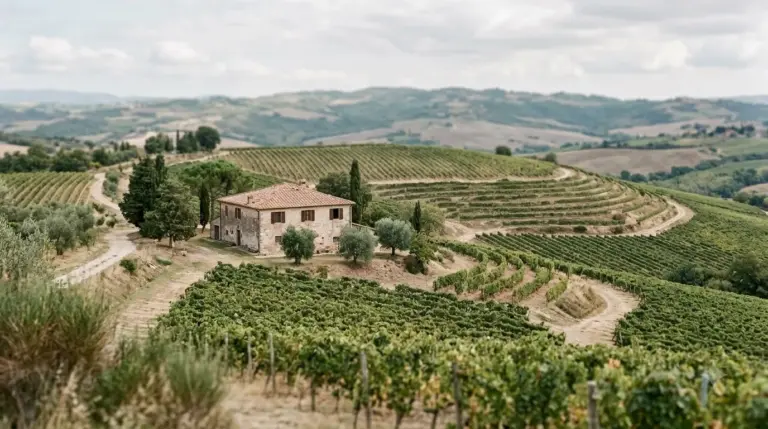
Barolo comes from eleven designated communes in the fog-shrouded Langhe hills of northwestern Italy, while Montepulciano thrives along the sunny, mountainous Adriatic coast of central Italy. Climate, elevation, and soil composition play decisive roles in shaping each wine’s structure.
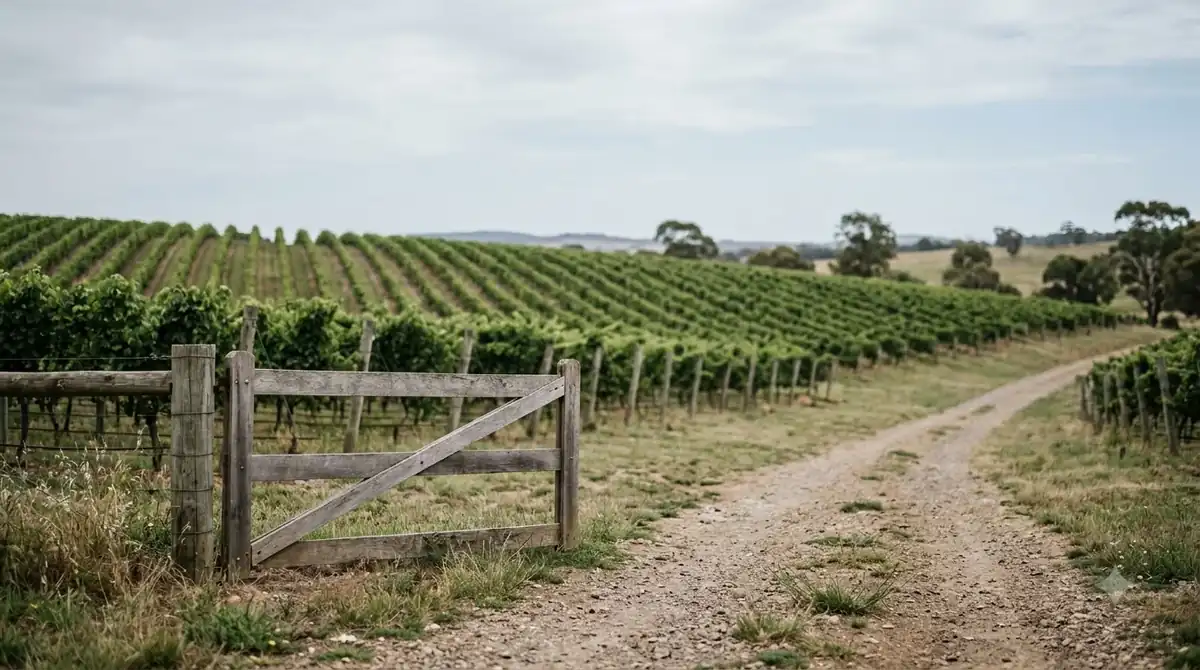
The Barolo zone sits south of the town of Alba in Piedmont, tucked into the foothills of the Apennines where cool autumn mornings blanket the valleys in thick fog—known locally as nebbia, which gives Nebbiolo its name. The finest Nebbiolo vineyards occupy high, south- and southwest-facing slopes above the fog line so the late-ripening grapes can reach full maturity in October. Soil types divide Barolo into two broad sub-styles: communes with calcareous marl and limestone soils, such as La Morra and Barolo, yield more fragrant, supple wines, whereas communes with older, compacted sandstone and clay soils—including Serralunga d’Alba, Monforte d’Alba, and Castiglione Falletto—produce denser, more tannic bottlings built for decades of cellaring.
Montepulciano d’Abruzzo stretches across a dramatically different landscape roughly 350 miles southeast, sandwiched between the rugged Apennine peaks and the Adriatic Sea. Over two-thirds of Abruzzo is mountainous, yet vineyards flourish on sunny hillside slopes and coastal valleys bathed in warm Mediterranean sunlight and cooled by sea breezes. This reliable warmth ripens Montepulciano thoroughly every vintage, resulting in generous fruit weight and lower natural acidity than Piedmont’s Nebbiolo. Beyond Abruzzo, the Montepulciano grape also anchors neighboring central Italian appellations such as Rosso Conero and Offida Rosso in Marche, where coastal limestone soils add extra mineral grip.
How to Serve Both Wines Properly
Serve both Barolo and Montepulciano slightly below modern room temperature—between 60°F and 68°F (15°C to 20°C)—and give young bottles plenty of air in a decanter before pouring. Overheating either wine amplifies alcohol burn and dulls aromatic nuance.
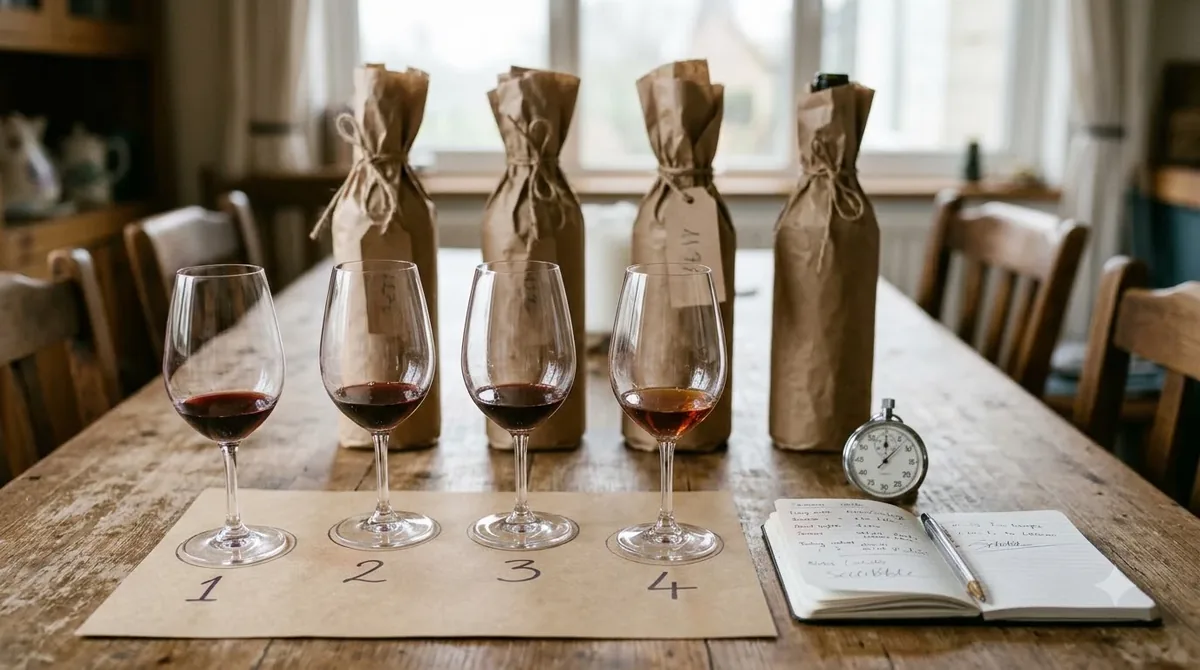
Because standard American homes sit around 70°F to 72°F, placing either bottle in the refrigerator for 15 to 20 minutes prior to opening brings it right into the sweet spot. Pour Barolo into a large, wide-bowled Pinot Noir or Burgundy glass—often called an aroma collector—so its delicate rose, tar, and spice aromatics concentrate beneath your nose. Young Barolo under ten years old benefits enormously from one to two hours in a decanter to soften its astringent tannins; however, if you are opening a bottle that is 15 years or older, decant it gently just long enough to separate fine sediment, as prolonged oxygen exposure can fade fragile mature aromas.
Montepulciano also shines in an oversized red wine glass that lets its dark berry and herbal bouquet open up. Everyday, neutral-aged Montepulciano d’Abruzzo needs little more than 20 to 30 minutes of breathing time in the glass, while concentrated oak-aged Riserva bottles benefit from a full hour in a decanter. If you enjoy comparing Italian reds across different structural profiles, check out how these serving habits stack up in our amarone vs barolo breakdown.
Tip: When buying young Barolo for dinner tonight, decant the bottle at least two hours ahead of the meal—or look for a bottle from La Morra or a Langhe Nebbiolo bottling for softer tannins right away.
Food Pairing: Matching Structure to the Plate
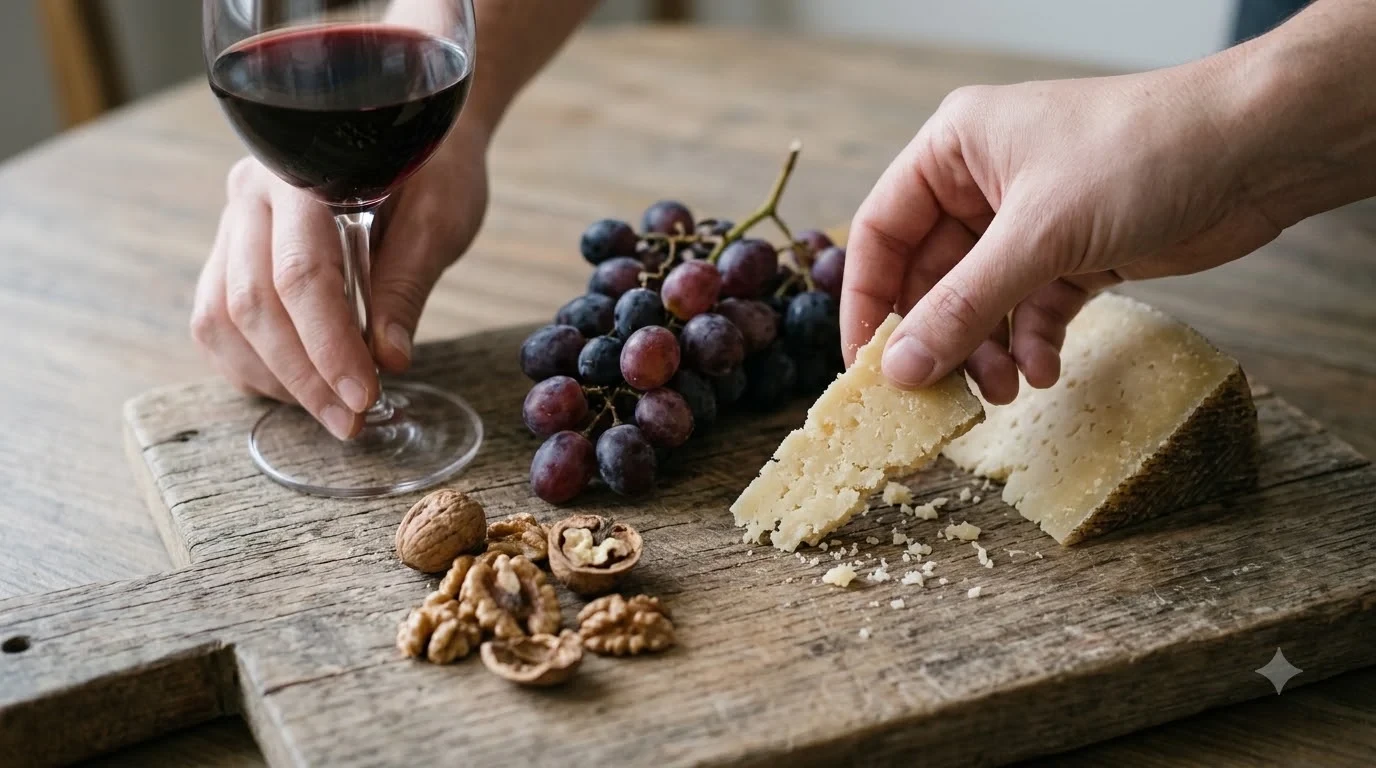
Pair Barolo with rich, fatty, and earthy dishes that tame its high tannins and match its savory complexity, and serve Montepulciano alongside hearty tomato sauces, grilled meats, and smoky, herb-crusted comfort foods. Both wines need food on the table to perform at their best, though for different structural reasons.
Barolo’s combination of high acidity and mouth-coating tannin acts like a palate cleanser against rich proteins and fats. In Piedmont, classic pairings include brasato al Barolo (beef braised slowly in the wine itself), tajarin pasta tossed with butter and shaved white truffles, wild mushroom risotto, and aged Parmigiano-Reggiano. The wine’s lifted floral and red-cherry notes also work remarkably well with roast duck, pork tenderloin, and dishes seasoned with warm spices like five-spice powder or star anise.
Montepulciano’s plush dark fruit, moderate acidity, and savory dried-herb streak make it a natural partner for casual, full-flavored fare. It cuts effortlessly through fat and char, pairing easily with sweet Italian fennel sausage, meat lovers’ pizza, slow-cooked beef Bolognese, smoked brisket, mushroom burgers, and baked macaroni and cheese with aged cheddar. While Barolo demands thoughtful menu planning around fat and umami, Montepulciano is the versatile weeknight workhorse that handles everything from Tuesday night pasta to weekend barbecue—a trait it shares with Sangiovese as detailed in our look at chianti vs montepulciano.
How to Choose the Right Bottle for Your Occasion
Choose Barolo when you are celebrating a special occasion, stocking a cellar for the future, or serving an elaborate multi-course meal, and reach for Montepulciano when you want an approachable, deeply flavorful red for casual dinners tonight. Your timeline and desired texture are the clearest deciding factors.
When shopping for Barolo, inspect the label for clues about style and readiness. Look at the vintage year first: bottles with at least eight to ten years of age will show far more integrated tannins and complex leather-and-spice aromatics than brand-new releases. Checking the commune name on the label also helps—La Morra and Barolo generally offer more immediate floral charm, while Serralunga d’Alba and Monforte d’Alba signal firmer structure. If you love Nebbiolo’s profile but want something ready to pour without a long decant, a Langhe Nebbiolo from a respected Barolo estate delivers similar aromatics in a lighter, earlier-drinking frame.
When shopping for Montepulciano, decide whether you prefer bright fruit or oak-aged richness. Standard Montepulciano d’Abruzzo DOC bottles from recent vintages deliver juicy red and black fruit with zero oak heaviness, making them ideal for immediate enjoyment within three to five years of harvest. If you want deeper concentration, plush cocoa notes, and firmer structure worthy of four to ten years in the cellar, look for bottles labeled Montepulciano d’Abruzzo Riserva or Montepulciano d’Abruzzo Colline Teramane DOCG, a premier hillside subzone with stricter grape percentages and longer aging rules.
Frequently Asked Questions
Is Barolo or Montepulciano drier?
Both Barolo and Montepulciano are vinified completely dry, meaning virtually all grape sugar is fermented into alcohol. However, Barolo often feels drier on the palate because Nebbiolo packs dramatically higher tannins and sharper acidity than Montepulciano, whose plush blackberry and plum fruit creates a rounder, softer impression.
Why is Montepulciano so much lighter in body than Barolo—or is it the other way around?
It is actually the reverse visually: Montepulciano pours an opaque, inky purple-black, whereas Barolo looks pale garnet and translucent like Pinot Noir. On the palate, though, Barolo carries a heavier structural grip due to its intense tannins and high acidity, while standard Montepulciano feels medium-to-full-bodied with smoother edges.
Are Montepulciano d’Abruzzo and Vino Nobile di Montepulciano the same wine?
No, they are made in different regions from completely different grapes. Montepulciano d’Abruzzo comes from the Abruzzo region on Italy’s Adriatic coast and is made from the Montepulciano grape, while Vino Nobile di Montepulciano comes from the hilltop town of Montepulciano in Tuscany and is made primarily from Sangiovese.
Can you age Montepulciano as long as Barolo?
Standard Montepulciano d’Abruzzo is crafted for early drinking within three to five years of vintage, though top oak-aged Riserva and Colline Teramane DOCG bottles can evolve nicely for eight to twelve years. Barolo is built on a much longer timeline, typically requiring ten years just to soften its tannins and aging gracefully for twenty-five years or more.
Ultimately, the barolo vs montepulciano matchup is less about which wine is superior and more about matching the bottle to the moment. Reach for Barolo when you crave floral complexity, piercing acidity, and cellar-aged gravitas, and uncork Montepulciano whenever you want dark, velvety fruit that welcomes you from the very first sip. For more side-by-side style breakdowns, explore our full Wine vs Wine library.
More in Wine vs Wine
 Bordeaux vs Sauvignon Blanc: Key Differences in Taste, Blends, and PairingsUpdated Nov 21, 2026
 Bordeaux vs Shiraz: How to Choose Between Two Bold Red ClassicsUpdated Nov 21, 2026
 Bordeaux vs Rioja: Key Differences in Grapes, Oak, and AgingUpdated Nov 21, 2026
 Beaujolais vs Cabernet Sauvignon: How to Pick the Right RedUpdated Nov 21, 2026
 Barolo vs Sangiovese: How Italy’s Iconic Red Wines CompareUpdated Nov 21, 2026
 Barolo vs Primitivo: Key Differences in Taste, Region, and PairingUpdated Nov 21, 2026